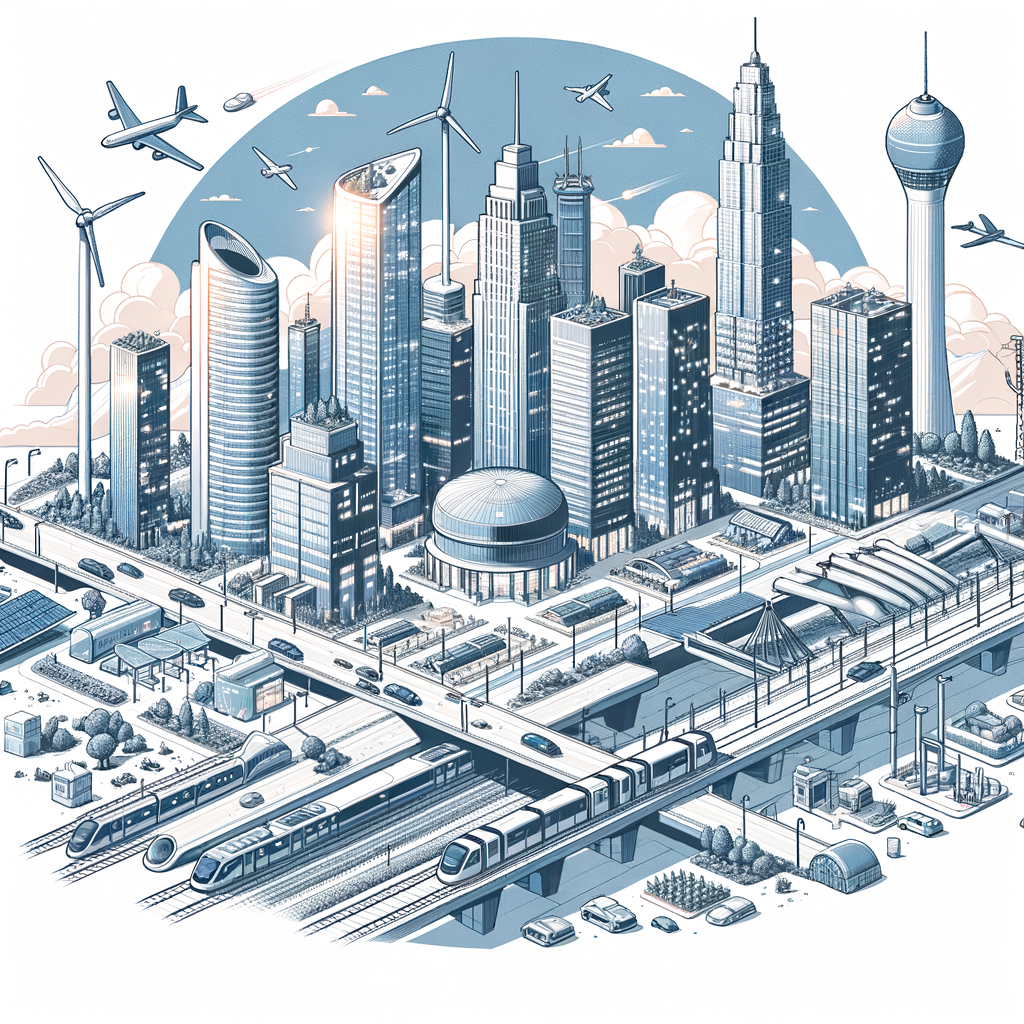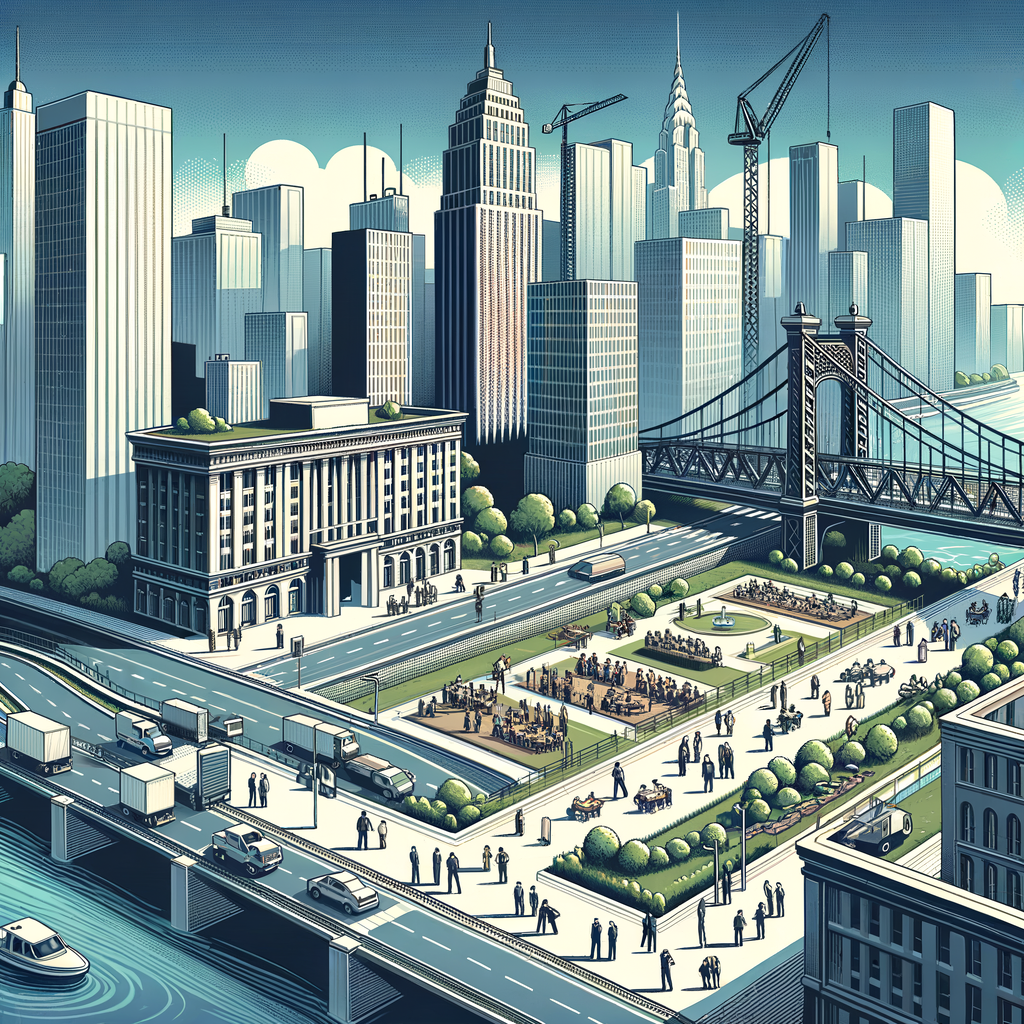
Urban infrastructure and transportation accessibility form the backbone of modern cities, acting as the vital arteries of a thriving, dynamic urban environment. As the twenty-first century progresses, urbanization continues to rise, making the design and implementation of robust infrastructure more imperative than ever before. With cities being hubs of economic activities, cultural exchanges, and population growth, efficient urban planning can significantly influence the quality of life, economic productivity, and environmental sustainability. Thoughtful and inclusive transportation systems ensure that individuals can access jobs, healthcare, education, and entertainment with ease, making urban living more convenient and equitable.
Accessibility stands not only as a criterion of fairness but also of effectiveness in urban planning. When designed with foresight, transportation networks serve diverse populations, including those with disabilities, the elderly, and economically disadvantaged groups. Yet, achieving comprehensive accessibility is not merely an engineering challenge; it encompasses a range of issues including policy making, socioeconomic considerations, and environmental impacts. Addressing these factors in a holistic manner ensures cities do not just function effectively today but are also resilient and adaptable in the future. Delving into the intricacies of infrastructure and accessibility unveils opportunities and challenges alike, and illustrates the importance of strategic collaborations between governments, private entities, and civil society. The need for sustainable and inclusive planning processes has never been greater.
Planning and Design of Urban Infrastructure
The planning and design of urban infrastructure require meticulous consideration, detailed analysis, and strategic foresight. Cities face profound challenges such as population density, constrained land resources, and environmental regulations. Crucially, the infrastructure planning process must involve comprehensive needs assessment and stakeholder engagement. Planners, architects, and engineers must consider various factors ranging from terrain and climate to demographic trends and public policy. Embracing technological advances, data analytics, and Geographic Information Systems (GIS) can aid in visualizing urban growth patterns, identifying potential bottlenecks, and crafting solutions that are innovative, practical, and forward-thinking. The best-designed infrastructure accounts for the evolving demands of urban populations while ensuring economic viability and environmental sustainability.
Infrastructure projects involve substantial investments, both financial and temporal, necessitating a balance between ambition and feasibility. Beyond the engineering dimensions, urban planners must prioritize community and environmental stewardship. By integrating green infrastructure—such as parks, green roofs, and sustainable drainage systems—urban environments can mitigate climate impact and promote biodiversity. Such initiatives ensure that cities are not just made of concrete but breathe with life and vitality. Furthermore, design philosophies must incorporate resilience to anticipate and withstand natural disasters, extreme weather events, and other unforeseen disruptions.
Sustainable Transportation Systems
Transportation systems form the circulatory network within urban ecosystems, enabling, facilitating, and encouraging mobility. Sustainable transportation entails reducing carbon emissions, minimizing environmental impacts, and promoting economic sustainability. Public transportation systems, such as buses, trains, and trams, must be designed to operate efficiently, reliably, and affordably, serving as attractive alternatives to car-centric urban sprawl. Crucially, sustainable transportation is tied to the promotion of multimodality: integrating cycling, walking, car-sharing, and pedestrian pathways to offer diverse choices to urban dwellers.
Policy and economic incentives such as congestion charges, fuel taxes, and low-emission zones can regulate and encourage the adoption of sustainable transport modes. Additionally, integrating technology such as Intelligent Transportation Systems (ITS), GPS, and real-time data applications can significantly enhance the convenience and efficiency of these systems. These technologies enable predictive analysis for traffic management, coordinate transit scheduling, and provide commuters with live updates to optimize their journeys. Such advancements illustrate the potential for a harmonious coexistence of human-centered urban environments with nature upon which they depend.
Equity and Inclusiveness in Transportation
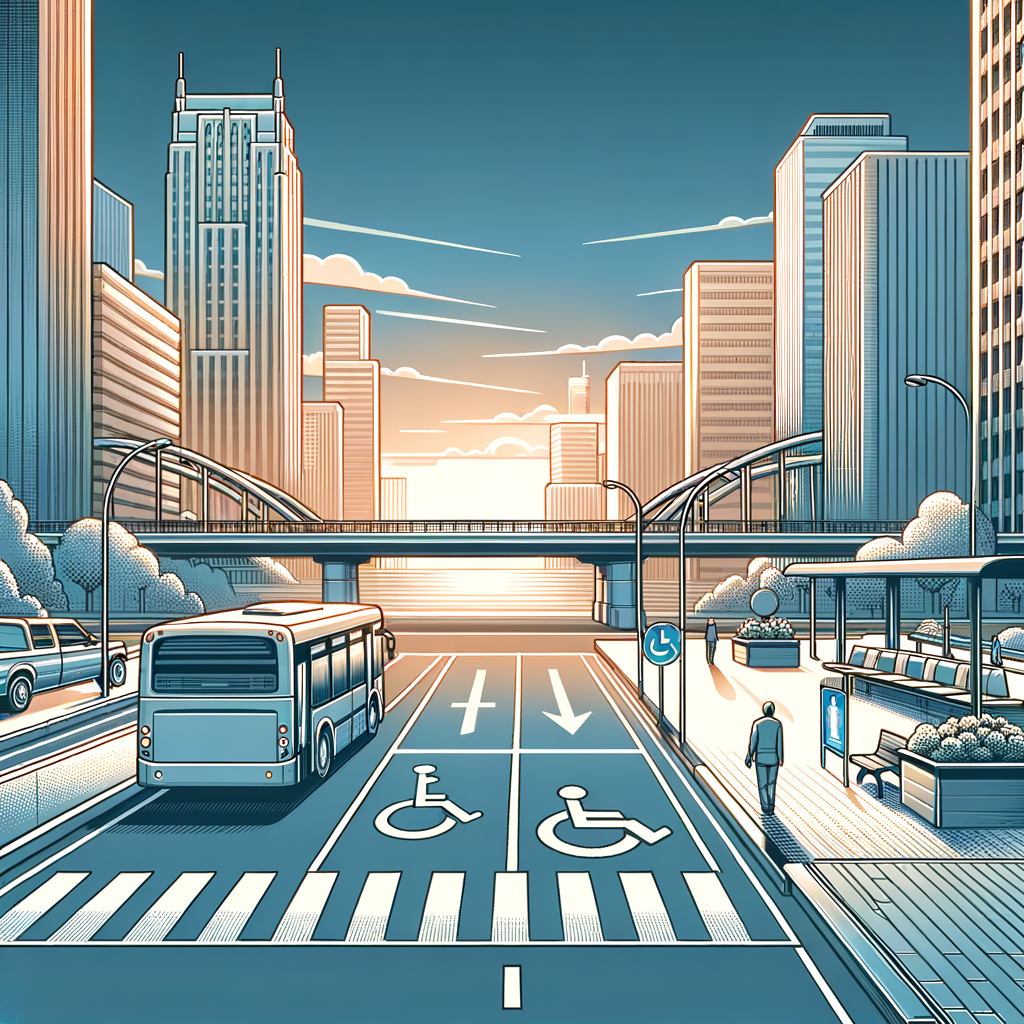
Equitable and inclusive transportation is foundational to urban accessibility, ensuring diverse groups can engage with the city’s opportunities. Without equitable access, marginalized populations may face social exclusion, particularly in areas where public transportation infrastructure is inadequate or non-existent. Tailoring infrastructure to cater to varying needs involves considerations such as affordability, physical accessibility, safety, and spatial distribution of services. This ensures that all individuals, irrespective of their socio-economic standing, age, gender, or physical capability, have fair access to urban services. Designing transportation systems that incorporate universal design principles can greatly enhance this inclusivity.
Collaboration between governmental agencies and advocacy groups is vital in addressing accessibility gaps and prioritizing initiatives that cater to underserved communities. Ensuring that public infrastructure investments are equitably distributed can reduce spatial inequalities and foster social cohesion. Urban planners must remain vigilant, implementing strategies and policies that address the diverse and dynamic needs of urban societies, ensuring that no group is systematically disadvantaged by transport policies.
Technology and Innovation in Transportation
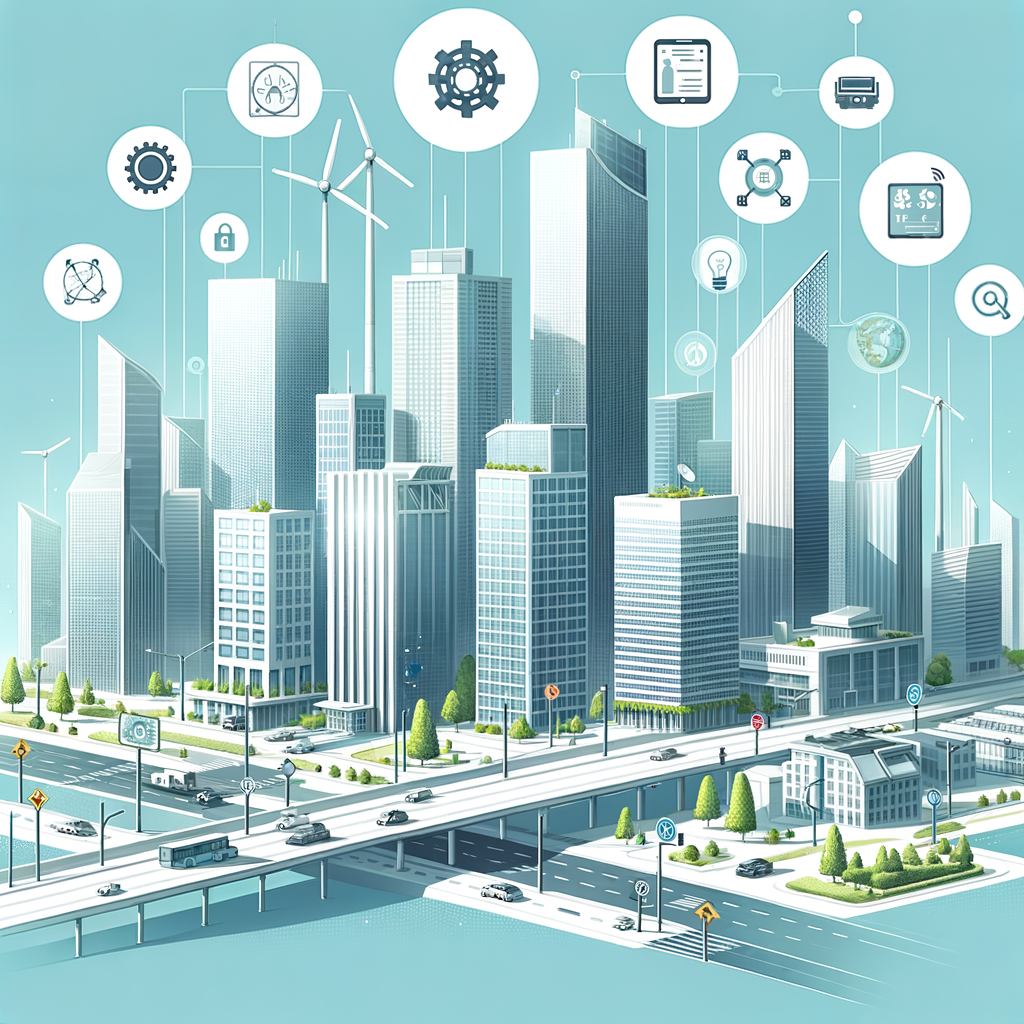
Technology and innovation have the potential to revolutionize urban transportation and infrastructure. The advent of smart cities, driven by connectivity and the Internet of Things (IoT), has ushered in a new era of transportation management. Autonomous vehicles, electric transportation, and ride-sharing platforms have begun reshaping urban mobility paradigms. These innovations, while promising, require careful consideration and regulation to ensure safety, privacy, and interoperability. Additionally, investment in technological infrastructure, like smart grids and charging stations, is necessary to support these transportation advancements.
Moreover, data collection and analysis are instrumental in driving effective transport policies and improving urban infrastructure. By leveraging big data and predictive analytics, city planners can identify trends, optimize routes, and manage congestion more effectively. Developing transparent policies around data privacy and sharing ensures ethical considerations are respected, and public trust in smart transportation systems is maintained. Innovations in urban technology must be inclusive and conducive to human development, driving a blend of economic growth and improved quality of life.
Challenges in Urban Transportation Accessibility
Urban transportation accessibility faces a myriad of challenges that must be surmounted. Among these are the socio-economic barriers that leave segments of the population underserved and disconnected from urban opportunities. Financial constraints often limit governments’ abilities to invest in infrastructure, exacerbating inequalities. In addition, urban sprawl and the proliferation of privately-owned vehicles can obstruct public transportation development, encouraging car dependency and escalating congestion, emissions, and pollution.
Political challenges further complicate the administration of transportation infrastructure projects, as they require collaboration across various jurisdictions and stakeholder groups. Policy inertia, conflicting interests, and reluctance to embrace change can stall progress, while unintended negative consequences, such as gentrification, must be carefully managed. Planners need to remain proactive and adaptable, devising solutions that balance economic growth, social equity, and environmental conservation.
Conclusion
A comprehensive, integrated approach to urban infrastructure and transportation is essential in crafting cities that are dynamic, equitable, and sustainable. By prioritizing accessibility, we not only reduce inequality but drive economic opportunities and enhance quality of life. Efficient and well-planned urban infrastructure fosters vibrancy, resilience, and inclusiveness—key pillars of any prospering city. Through the merging of technology, policy innovation, and community engagement, cities can meet the unprecedented challenges of the modern era.
Ultimately, the evolution of urban infrastructure and transportation accessibility depends on strategic planning, concerted public and private sector efforts, and continued innovation. It requires a reimagining of traditional paradigms, embracing a future where our cities are adaptable, livable, and reflective of our shared societal values. As we continue to urbanize, it is imperative that our infrastructure choices are not only sustainable but transformative, paving the way for enhanced mobility, inclusivity, and prosperity for generations to come.