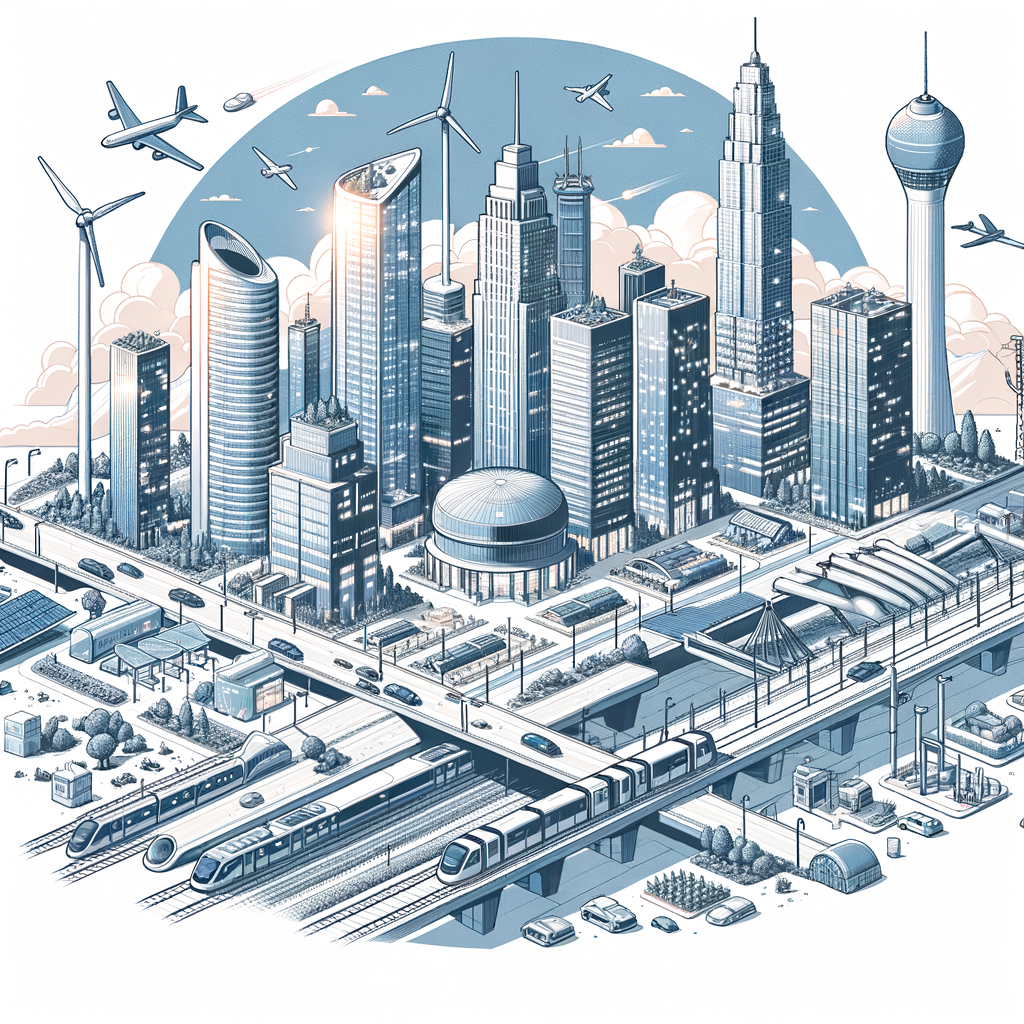
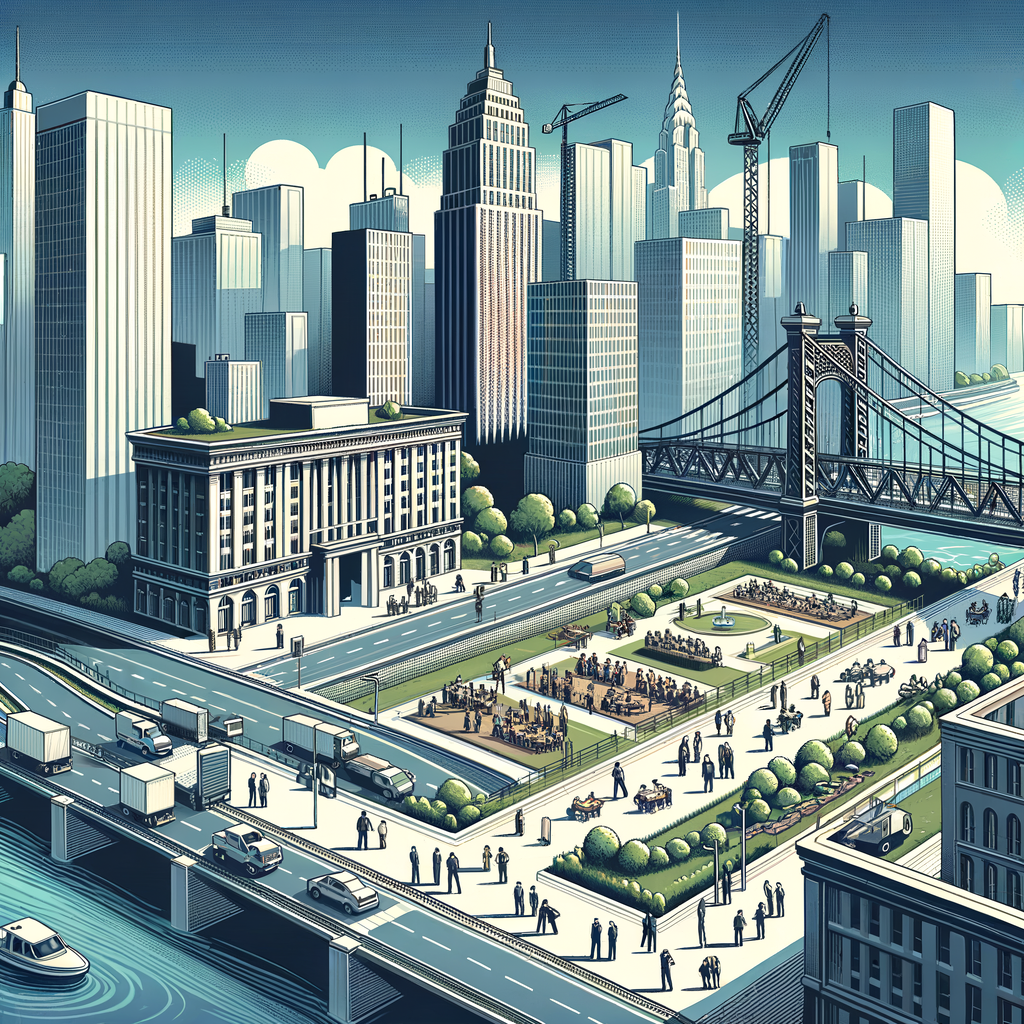
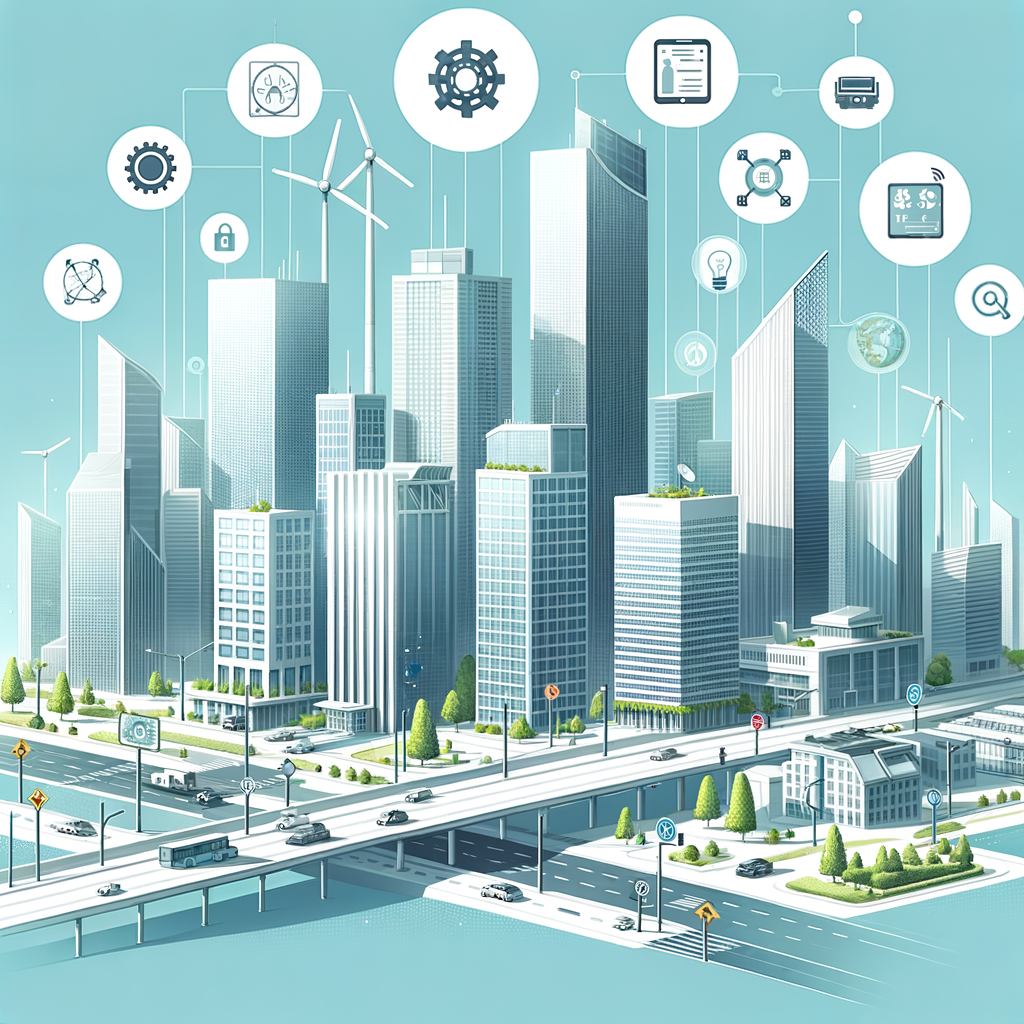
The modern urban landscape is more than just an array of skyscrapers and bustling streets; it represents a complex web of infrastructure designed to sustain the multifaceted needs of urban living. Urban infrastructure encompasses the fundamental facilities and systems that support the city’s economic, social, and environmental functions. It includes roads, bridges, water supply, sewers, electrical grids, telecommunications, and beyond. As cities grow denser, the role of urban infrastructure becomes critical in enhancing public amenities, determining the quality of life, boosting economic prosperity, and fostering sustainable environments. In recent years, cities around the world have recognized the imperative need to invest in resilient and adaptable infrastructure that supports the urban populace effectively. Understanding the role of urban infrastructure provides valuable insight into how cities function and thrive. No longer is it just about providing basic services; today, urban infrastructure plays a vital role in enhancing public amenities through the incorporation of advanced technologies, holistic planning, and innovative design.
Public amenities, such as parks, libraries, public transportation, and community centers, are integral to the social fabric of any city. They provide essential services, spaces for community interaction, recreational opportunities, and cultural enrichment. Urban infrastructure underpins these amenities by ensuring they are accessible, effectively managed, and adequately resourced. The interplay between infrastructure and public amenities is complex and multifaceted. It involves strategic planning to harmonize physical structures with human needs, thereby facilitating a thriving urban environment. Cities face challenges such as growing populations, climate change, and technological advancements. Addressing these challenges requires a robust infrastructure capable of supporting more sustainable and equitable public amenities. Throughout this examination, the focus will be on how urban infrastructure enhances public amenities and contributes to a higher quality of urban life, ensuring cities are not just livable but also vibrant and forward-thinking hubs for human interaction and progress.
The Backbone of Urban Utilities
Urban infrastructure serves as the backbone of city utilities, providing critical services to both residents and businesses. Roads and highways enable the smooth flow of traffic and goods, while public transportation systems offer efficient and sustainable travel options. Without effective infrastructure, public amenities such as libraries, schools, and medical facilities would struggle to operate efficiently. Reliable electricity and water supply form the bedrock of everyday life, essential for all sectors of urban development. These basic services need to be seamlessly integrated into the fabric of the urban landscape to avoid disruption to daily activities. In recent years, a focus on smarter infrastructure has seen significant improvements in energy consumption, pollution control, and resource management, thereby enhancing the sustainability and resilience of urban amenities.
Furthermore, telecommunications infrastructure underpins modern communications and information access. In the digital age, connectivity is just as critical as physical roads and bridges. High-speed internet and wireless communication networks enable various public services, such as online education, telemedicine, and digital libraries. The integration of information and communication technologies (ICT) into urban infrastructure enhances public amenities by providing greater accessibility and flexibility. Smart city initiatives, which depend on ICT infrastructure, aim to improve public service delivery, reduce operational costs, and enhance system reliability. Urban infrastructure, by integrating cutting-edge technologies, can vastly enhance the quality and accessibility of public amenities, making them more inclusive and equitable for all citizens.
Enhancing Public Health and Safety
The role of urban infrastructure extends significantly to public health and safety, vitally enhancing public amenities. Sanitation systems, clean water supply networks, and waste management facilities are indispensable elements of urban life, safeguarding public health. These systems are meticulously designed and maintained to prevent disease outbreaks and contamination, ensuring the steady promotion of public health standards. Roads and sidewalks, thoughtfully planned, enhance safety by minimizing accidents. Urban planning that focuses on green spaces, pedestrian zones, and cycling paths contributes significantly to the physical well-being of its residents. Well-constructed and maintained parks provide residents with spaces for recreation, play, and exercise, promoting both physical and mental health benefits.
Moreover, urban infrastructure plays a crucial role in managing and mitigating natural disasters and public crises. Cities must be prepared to handle emergencies, such as earthquakes, floods, or fires, to protect both lives and infrastructure. Emergency facilities, hospitals, fire services, and police stations are integral elements of urban infrastructure that ensure swift responses to crises. Well-planned infrastructure, combined with strategic urban planning that includes resilience measures, ensures that cities are not only equipped to protect their citizens but also minimize damages in the case of natural disasters. Such infrastructure supports not only the efficacy and reliability of public amenities but also the overall safety and security of urban communities.
Transportation and Mobility
Transportation infrastructure is a cornerstone of urban mobility, directly impacting the accessibility and functionality of public amenities. Efficient transportation systems facilitate commuter access to essential public services such as schools, hospitals, and workplaces. Public transportation options like buses, trams, and subways decrease traffic congestion and reduce environmental pollution, improving air quality and urban living conditions. Urban infrastructure that supports varied modes of transportation, including cycling and walking paths, encourages sustainable commuting practices. Such infrastructure not only decreases the ecological footprint but simultaneously promotes healthier lifestyle choices.
The integration of smart technology in transportation infrastructure, like real-time data systems, improves service reliability and commuter experience. Modern urban planning increasingly emphasizes multimodal transportation networks which promote connectivity and accessibility, bridging the gap between different public amenities. For instance, car-sharing systems and ride-hailing services leverage data infrastructure to provide flexible and adaptive solutions for urban mobility, enhancing access to diverse public amenities for citizens. By reducing travel times and improving connectivity, transportation infrastructure enhances urban life, making it more sustainable, efficient, and enjoyable.
Economic Development
There is a close relationship between urban infrastructure and economic development, as infrastructure investments have a significant impact on the economic prospects of a city. High-quality infrastructure attracts businesses, stimulates job creation, and boosts economic productivity. Companies rely on efficient transport links for logistics and supply chain operations, as well as reliable utilities for everyday business operations. The incorporation of ICT in infrastructure boosts innovation and productivity, generating new opportunities in various sectors, including technology, health, and education. With well-developed infrastructure, cities can host large-scale events, attract tourism, and support the growth of local businesses, thereby strengthening the local economy.
Access to robust infrastructure also facilitates human capital development. Good educational infrastructure supports quality education, while healthcare infrastructure ensures a healthy workforce. Both are critical for nurturing talent and maintaining a competitive edge in the global economy. Investment in infrastructure tends to generate significant economic returns by creating jobs and stimulating associated industries. Urban infrastructure is a vital component in creating an environment conducive to economic cooperation, interaction, and innovation. Hence, well-planned infrastructure is key to cultivating an economically dynamic and resilient urban ecosystem.
Environmental Sustainability
As concerns about the environment have intensified, the focus on sustainable urban infrastructure has gained prominence. Infrastructure affects environmental sustainability by shaping energy consumption patterns, waste management processes, and pollution levels. Green building technologies, sustainable urban drainage systems, and renewable energy sources are examples of infrastructure that lessen environmental impacts. The design of green spaces and the planting of trees are vital infrastructure components that improve urban air quality and reduce heat island effects, providing benefits for public health and comfort.
Urban infrastructures like public transportation significantly reduce carbon footprint by providing energy-efficient alternatives to private vehicles. Moreover, investment in cycling infrastructure and pedestrian-friendly paths promotes environmentally friendly modes of transportation. Urban infrastructure also addresses climate change through adaptive measures, like elevated structures and flood defenses, to combat rising sea levels and extreme weather patterns. Eco-friendly and sustainable infrastructure improvements contribute to an enduring legacy of enhanced public amenities and a greener urban future.
Conclusion
Urban infrastructure is fundamental in enhancing public amenities, tied intricately to achieving well-functioning, sustainable, and vibrant urban environments. As pivotal components, infrastructure systems support the various facets of urban living, from convenience in mobility, public health, and safety to economic growth and environmental sustainability. Investing in strong, innovative, and adaptive infrastructure yields immense benefits, improving the accessibility and quality of public services for all citizens. Cities encountering challenges like climate change, technology evolution, and population growth must continue to prioritize infrastructure development for sustainable futures.
It is an ongoing task to ensure urban infrastructure’s resilience and adaptability to meet future challenges while enhancing quality of life. As cities evolve, so too must the networks and systems that underpin them. Urban planners, policymakers, and engineers face crucial tasks in designing infrastructure that harmonically aligns with the multifaceted urban amenities. Ensuring robust infrastructure fosters high-quality urban living spaces where public amenities thrive amidst growing demands. As we navigate the future, urban infrastructure will remain a pivotal factor in continuously enhancing public amenities, thereby nurturing progressive and inclusive urban communities.
Frequently Asked Questions
1. What is urban infrastructure, and why is it important for enhancing public amenities?
Urban infrastructure refers to the essential systems and facilities that form the backbone of metropolitan living. This includes an expansive range of elements such as transportation networks (roads, bridges), utilities (water supply, electrical grids), and communication systems. Its importance in enhancing public amenities cannot be overstated—these infrastructures lay the groundwork for efficient city functioning and directly impact quality of life, economic viability, and environmental sustainability.
Imagine a day without proper roads or functioning public transport; the city would grind to a halt, stalling economic activities and causing distress to commuters. On the other hand, an excellent infrastructure system enables easy access to schools, hospitals, entertainment venues, and parks. It promotes healthy living by ensuring clean water supply and effective waste management. Urban infrastructure, thus, plays a pivotal role in knitting together the socioeconomic fabric of a city, making it a livable and thriving environment for its residents.
2. How does transportation infrastructure enhance public amenities in urban areas?
Transportation infrastructure is a critical component of urban infrastructure that significantly enhances public amenities. Efficient transportation networks ease the movement of people and goods, reducing travel time and boosting productivity. With well-planned urban mobility solutions like subways, buses, cycling paths, and pedestrian walkways, residents experience increased access to workspaces, healthcare facilities, education centers, and recreational areas.
Moreover, transportation infrastructure directly affects the economy by facilitating trade and attracting businesses that benefit from access to a broader market. An interesting aspect to note is how these networks improve social inclusivity by ensuring that remote or underdeveloped areas are connected to the city’s core, offering equal opportunities for all socioeconomic classes. Environmentally, a well-designed transportation system helps reduce vehicular emissions, contributing to cleaner air and a healthier living environment. Therefore, investing in efficient transportation infrastructure is crucial for enhancing overall public amenities.
3. In what ways does digital infrastructure play a role in urban development and public services?
Digital infrastructure, comprising telecommunications networks and internet connectivity, forms the bedrock of modern urban development and public services. In today’s technology-driven age, high-speed internet and robust mobile connectivity have become indispensable public amenities that support smart urbanization.
Digital infrastructure enhances the delivery of public services by enabling real-time communication between government bodies and citizens. Online platforms for accessing critical services such as healthcare appointments, public records, or educational resources increase efficiency and convenience for residents. Moreover, the integration of IoT (Internet of Things) technologies allows cities to operate more efficiently through smart traffic management, energy conservation, and real-time monitoring of city resources.
Additionally, digital infrastructure fosters economic growth by creating a tech-savvy workforce and attracting tech-driven businesses. It plays a crucial role in bridging the digital divide, ensuring equitable access to information and communication technology for all sectors of society. By prioritizing digital infrastructure, cities can transform into smarter, more connected, and efficient urban spaces.
4. How does water supply and sanitation infrastructure influence public health in urban settings?
The importance of water supply and sanitation infrastructure in urban environments is paramount in promoting public health and well-being. A robust water management system ensures access to clean, potable water, a basic necessity for any community. It supports not only day-to-day living needs but also public facilities like hospitals and schools, resulting in healthier urban populations.
Sanitation infrastructure, including sewer systems and waste management, plays an equally crucial role by preventing the spread of diseases and maintaining hygiene standards in densely populated areas. Efficient waste disposal and treatment systems help mitigate environmental pollution and reduce health risks associated with poor sanitation.
Moreover, well-managed water and sanitation facilities are a key determinant of a city’s resilience to environmental challenges like floods or droughts. They help safeguard the urban ecosystem and sustain its inhabitants through periods of environmental stress, ultimately advancing public health standards and contributing to a high quality of urban living.
5. What challenges do cities face in maintaining and enhancing urban infrastructure for better public amenities?
Maintaining and enhancing urban infrastructure to provide better public amenities poses several challenges for cities worldwide. One of the primary challenges is financial constraints, as infrastructure projects require significant capital investments, ongoing maintenance, and upgrades. Budget limitations often force cities to prioritize certain initiatives over others or find innovative funding solutions like public-private partnerships.
Another hurdle is the rapid pace of urbanization, which strains existing infrastructure and demands continuous expansion and adaptation. Cities must balance the competing needs for expansion and sustainability while minimizing disruption to daily urban life. Additionally, aging infrastructure presents technical challenges and safety concerns, necessitating timely replacements or rejuvenation efforts.
Environmental sustainability is another pressing issue. Cities need to integrate eco-friendly practices and technologies into their infrastructure development to address climate change and minimize their carbon footprint. Finally, bureaucratic and regulatory hurdles can slow down the implementation of infrastructure projects, requiring efficient governance and strategic planning to streamline processes.
Tackling these challenges requires a collaborative approach among government agencies, private entities, and the community to ensure that urban infrastructure effectively enhances public amenities and meets the dynamic needs of urban populations.