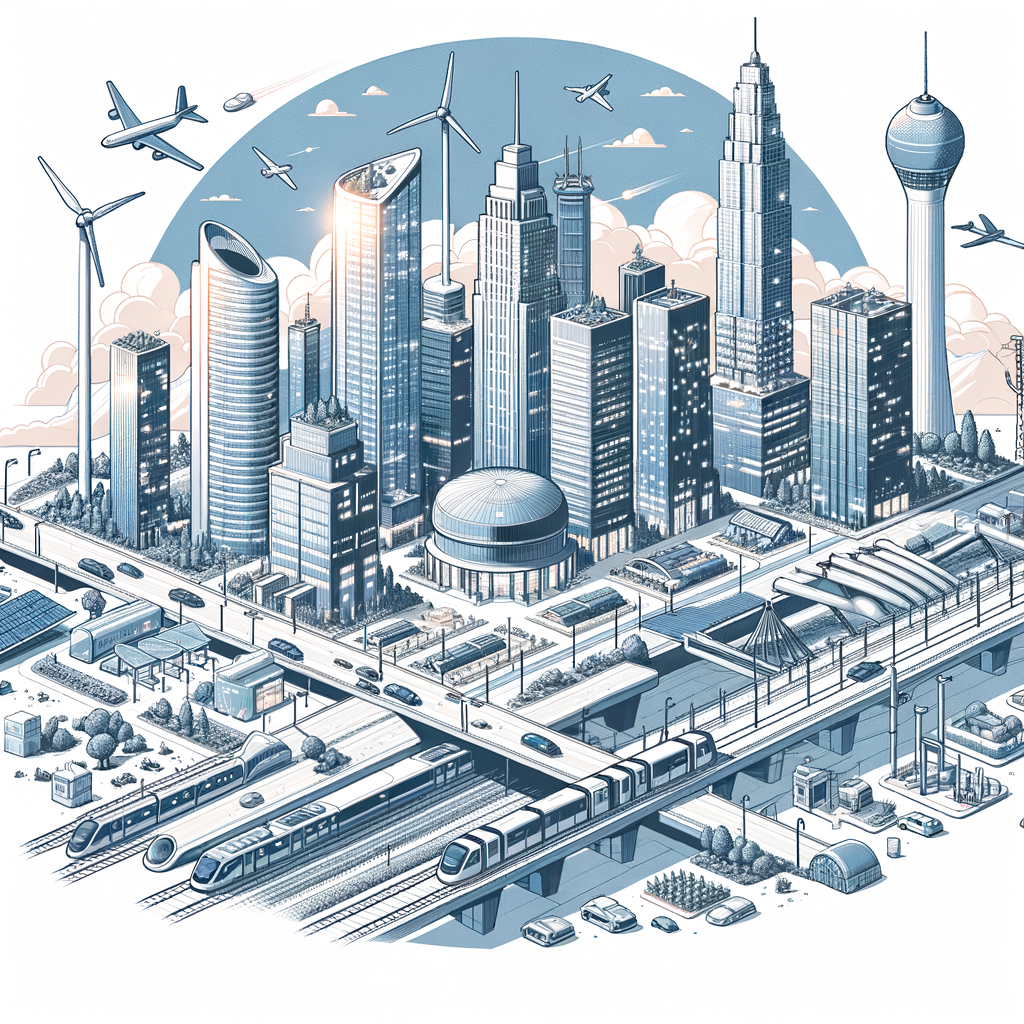
Urban infrastructure plays a critical role in sustaining the quality of life for city inhabitants. With the rise of urbanization, cities are facing an increasing demand to accommodate more people, offer essential services, and ensure safety and resilience against natural calamities. Among the various challenges, flood management emerges as a crucial aspect of urban planning. As cities expand, natural water channels are often modified or restricted, making them susceptible to severe flooding, devastating both the infrastructure and the community. Effective flood management not only requires well-planned urban infrastructure but also innovative systems for predicting, preventing, and managing floods. This article delves into the symbiotic relationship between urban infrastructure and flood management systems, highlighting the importance of designing cities that can withstand extreme weather conditions and safeguard inhabitants.
Understanding the complexities of urban flooding involves acknowledging the multifaceted nature of both the natural hydrological cycle and the human-made alterations. Traditionally, urban planners have focused on building robust infrastructures like roads, bridges, and buildings to support growing populations. However, with climate change exacerbating the frequency and intensity of weather events, cities must rethink how to harmonize these structures with the natural water flows. This can include constructing advanced drainage systems, installing permeable pavements, and developing green spaces capable of absorbing excess rainwater. The synthesis of technology and traditional planning assists in creating cities that are not only livable but resilient. As urban centers continue to grow, the integration of flood management systems becomes indispensable for sustainable development. This article further explores the adaptive strategies employed by cities worldwide, rooted in efficient infrastructure combined with modern flood prevention, detection, and mitigation technologies.
Understanding Urban Flooding
The occurrence of urban flooding is primarily linked to the transformation of natural surfaces into impervious structures such as roads, pavements, and buildings. This transition disrupts the natural infiltration of rainwater into the ground, significantly increasing surface runoff. The result is a developed urban landscape ill-equipped to handle excessive rainfall, leading to waterlogging and floods. Traditional stormwater systems, designed decades ago, often lack the capacity to manage current and predicted rainfall volumes due to their inadequate capacity or poor maintenance. Thus, cities face severe challenges as outdated infrastructures meet the new climatic realities.
Another critical factor contributing to urban flooding is the encroachment on floodplains and poor land-use planning. As populations swell, more land is claimed for residential, commercial, or industrial uses without considering historical flood patterns. Often, construction occurs in areas naturally predisposed to flooding, further diminishing the land’s natural capacity to manage stormwater. In many parts of the world, urban planners have ignored traditional knowledge concerning local hydrological systems, exacerbating the problem. The challenge lies in balancing land development needs with ecological sustainability to create flood-resilient urban environments.
In addressing these challenges, urban infrastructure plays a pivotal role. Modern flood management systems operate best with a synergy of technology, engineering, and ecological principles. For instance, the construction of adequate drainage systems that swiftly channel stormwater away from critical infrastructure is essential. Moreover, using green infrastructure, such as rain gardens, bioswales, and wetlands, can enhance urban areas’ ability to handle stormwater sustainably. Additionally, integrating adaptive measures that consider climate change projections into urban planning is crucial for the long-term resilience of cities.
Technological Integration in Flood Management
Modern flood management systems have benefited significantly from technological advancements. Predictive modeling, Geographic Information Systems (GIS), and real-time monitoring have transformed how cities prepare for and respond to flooding events. Predictive models incorporate meteorological data, topography, urban structures, and historical flooding records to simulate potential flood scenarios. Using predictive analytics, municipalities can forecast flood occurrence with greater accuracy and prepare accordingly, optimizing resource allocation for at-risk areas.
GIS technology offers critical support by mapping flood plains, designing evacuation routes, and planning drainage networks. It provides a detailed visualization of the urban landscape and flood pathways, enabling planners to identify vulnerable zones for focused interventions. The constant updating of GIS databases with real-time environmental data enhances the predictive power, equipping cities with an effective flood management tool. This technological integration ensures that city planners can better understand and react to evolving flood risks.
Real-time monitoring systems provide invaluable data about rainfall rates, water levels in rivers and reservoirs, and soil moisture. These systems employ a network of sensors and IoT devices strategically placed across the city, disseminating real-time data that cities can use to issue timely flood warnings. Urban centers benefit from these technologies by enhancing preparedness, enabling swift emergency response actions, and minimizing damages. Decision-makers can allocate resources effectively and ensure fast recovery from flood impacts, reducing economic and social losses.
Designing Resilient Urban Infrastructures
Developing flood-resilient infrastructures necessitates incorporating both gray and green infrastructure. Gray infrastructure refers to engineered systems like levees, dams, and culverts designed to control excess water flow. While effective, these solutions are often expensive and inflexible. On the other hand, green infrastructure emulates natural water management processes through urban design elements like green roofs, permeable pavements, and urban forests. These solutions reduce runoff, enhance groundwater recharge, and mitigate the impact of heavy rains.
One effective approach is integrating porous materials in urban construction. Permeable pavements allow water to seep through the surface and into the subsoil, reducing runoff volume and improving water quality. Advanced materials such as permeable concrete and asphalt provide durability while allowing urban infrastructure to manage stormwater efficiently. Similarly, green roofs covered with vegetation help absorb rainwater and reduce heat island effects, promoting sustainability through their dual purpose.
Incorporating floodable parks and recreation areas can buffer urban zones from excessive rainwater and offer public spaces for leisure. During dry times, these areas serve as recreational grounds, but when it rains, they temporarily store runoff, reducing the load on drainage systems. This dual functionality presents a practical solution for augmenting existing urban spaces with multifunctional capabilities that mitigate flood risk while improving community well-being and urban aesthetics.
Community Engagement and Policies
While technological and infrastructural planning are crucial, community engagement and policy-making play equally important roles in successful urban flood management. Communities must remain informed about flood risks and must participate in risk assessments and mitigation planning. Education and public awareness campaigns highlight strategies individuals and communities can take to reduce flood impact, such as rainwater harvesting and making flood-resistant modifications to homes.
Policies that regulate urban expansion into high-risk flood zones are vital for preventing disaster exposure. Effective zoning laws can restrict or prohibit development in flood-prone areas while providing incentives to develop adaptable architectural designs. Policies that encourage or mandate the use of green infrastructure elements in new construction projects enhance overall urban resilience to flooding. Policy incentives can also stimulate private sector involvement in creating sustainable solutions to flooding challenges.
Disaster response plans coordinated with local government, emergency services, and community organizations ensure that populations are protected and rehabilitated swiftly after a flood event. A well-prepared community with strong governmental support is likelier to withstand flooding and recover more efficiently. Continuous collaboration between these stakeholders is essential for crafting effective, long-term fight management strategies that acknowledge urban challenges while preparing for future demographic and climatic shifts.
Conclusion
Urban infrastructure and flood management systems are crucial to ensuring cities’ sustainability and resilience in the face of mounting flood risks. As urbanization and climate change continue to shape modern city environments, the need for thoughtfully designed infrastructures that integrate advanced technologies and ecological principles becomes more pressing. Understanding flooding dynamics and strategically addressing them through infrastructure engineering, technological adaptation, and policy-wise measures provides holistic solutions that bolster urban societies against flooding threats.
This article underscores the importance of an integrated approach combining technology, community participation, and innovative infrastructure design to manage urban flood risks effectively. The harmonious balance between gray and green infrastructures, driven by a commitment to sustainability and resilience, prepares cities to face future water challenges head-on. As cities invest in smart flood management initiatives and enhance citizens’ awareness, they foster a collaborative spirit that strengthens communal resolve against ecological adversities.
Ultimately, ensuring urban environments remain vibrant and secure hinges on proactive planning, evidenced by investments in resilient infrastructure and dynamic flood management systems. By championing forward-thinking solutions, urban centers can navigate the complexities of changing climates while maintaining the well-being and prosperity of their communities for generations to come.
Frequently Asked Questions
1. What is urban infrastructure, and why is it important for flood management?
Urban infrastructure refers to the foundational facilities and systems required for the functioning of a city, including transportation networks, water supply, sewage treatment, and more. It plays a pivotal role in flood management by providing the necessary structures to handle stormwater. For instance, adequate drainage systems, such as sewers and stormwater channels, are essential to prevent water accumulation and flooding during heavy rainfall events. In the context of flood management, urban infrastructure needs to be resilient, ensuring it can withstand and adapt to extreme weather conditions, ultimately safeguarding city inhabitants and ensuring continuity in essential services.
2. How can cities adapt their current infrastructure to better manage flooding issues?
Adapting urban infrastructure to manage flooding involves a multi-faceted approach that encompasses both enhancing existing systems and integrating innovative solutions. Cities can start by upgrading drainage capacities to handle higher volumes of water. This includes widening pipes, improving sewer systems, and installing detention basins to temporarily store excess water during peak runoff times. Additionally, the use of permeable pavements can reduce surface runoff and allow water to seep into the ground more effectively. Cities also benefit from implementing green infrastructures, such as green roofs, rain gardens, and urban forests, which absorb rainfall and reduce runoff. It is crucial for cities to leverage technology, like flood warning systems and real-time monitoring of water levels, to predict and proactively address potential flood risks.
3. What role does urban planning play in mitigating flood risks?
Urban planning is a key component in flood risk mitigation as it determines how land is utilized, where infrastructure goes, and how development occurs. Proper urban planning ensures that flood-prone areas are identified and designated appropriately, perhaps as parks or open spaces that can deal with excess water without causing damage. Planners can incorporate zoning laws that prevent construction on floodplains or require buildings in flood zones to have features like elevated foundations. Moreover, urban planners have the responsibility to maintain and restore natural waterways, ensuring they’re unobstructed, so they can function as natural drainage systems. Comprehensive urban planning keeps vulnerable communities safe by integrating flood risk assessments into the early stages of development projects.
4. How do natural water channels contribute to or mitigate urban flooding?
Natural water channels, such as rivers, streams, and wetlands, play a significant role in the hydrological cycle of a city. They are natural drainage systems that transport stormwater out of urban areas, reducing the risk of flooding. However, rapid urbanization often leads to these waterways being encroached upon or modified—either through being filled, straightened, or channelized—which can exacerbate flooding. When water channels are restricted, their ability to carry away water is diminished, often leading to overflow or backups during heavy rains. To leverage these natural systems, cities need to preserve and restore them, maintaining their natural flow paths and perhaps incorporating buffer zones of vegetation that can absorb excess moisture. By respecting and enhancing these water channels, cities can effectively mitigate the severity of urban flooding.
5. What technological advancements are aiding in urban flood management today?
Today’s technological advancements are reshaping how cities manage floods, making them more proactive rather than reactive. Smart drainage systems are one such innovation; equipped with sensors, these systems can regulate water flow and storage based on real-time data, optimizing drainage performance under varying conditions. Advanced geographical information systems (GIS) and flood modeling software can simulate and predict flood scenarios, guiding urban planners in decision making. Furthermore, early warning systems that utilize satellite data and weather forecasting can alert residents before floods occur, reducing damage and saving lives. IoT (Internet of Things) devices are increasingly deployed in both urban and infrastructural applications to monitor rainfall, water levels, and system functionalities, ensuring a timely response to anomalies. These technological tools empower city authorities to plan and respond more efficiently, minimizing flood impacts and enhancing resilience.