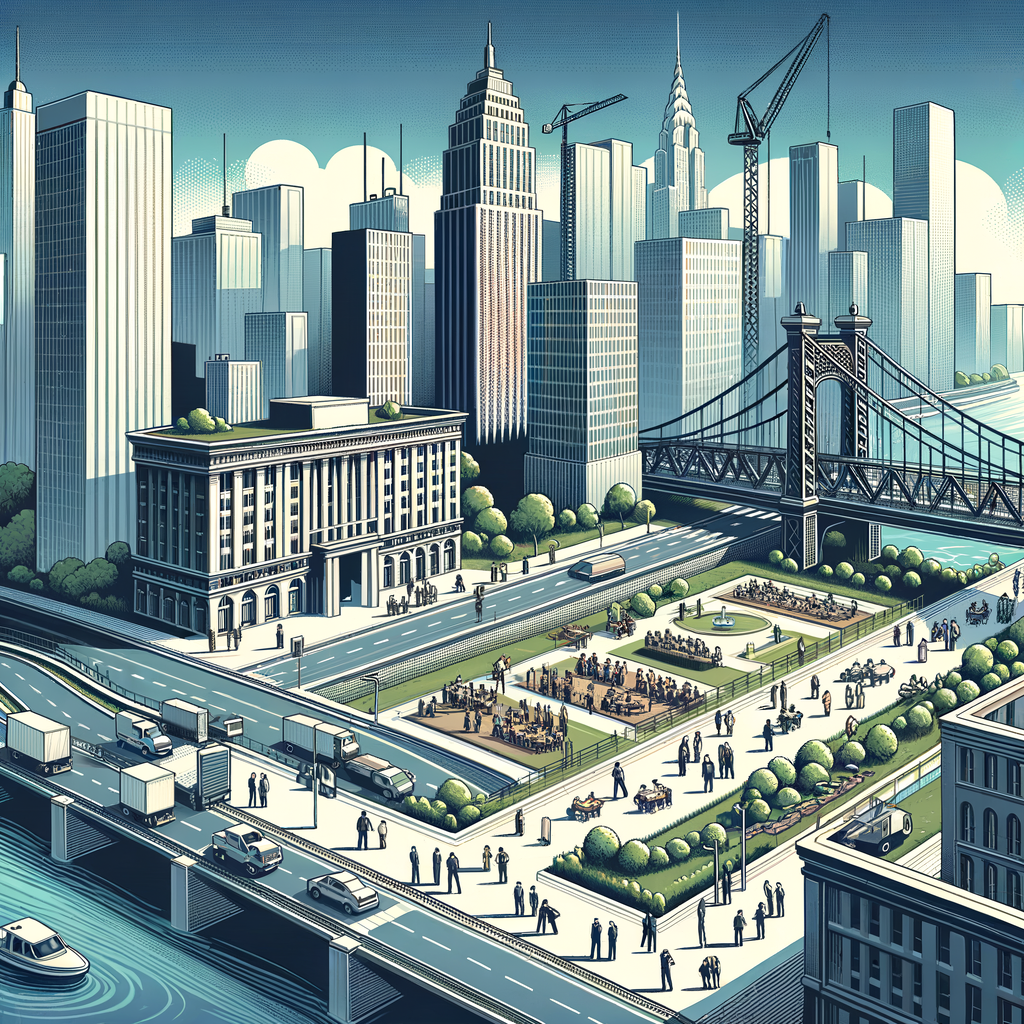
Urban infrastructure plays a pivotal role in shaping the landscape of modern cities and has a significant impact on real estate values. People often overlook how much elements such as transportation networks, utilities, and communication systems influence property prices. However, the connection between these systems and real estate value is profound. Cities are hubs of economic activity, culture, and innovation; hence, the infrastructure within these urban settings directly drives property desirability and value. As nations worldwide continue to experience growing urban populations, the need for efficient and advanced urban infrastructure has become more crucial than ever.
Historically, the value of real estate has been tied to its location, a factor heavily influenced by the surrounding infrastructure. A well-established transportation network grants easy access to amenities, job opportunities, and essential services, significantly enhancing property value. Moreover, urban infrastructure encompasses more than just transportation. Elements like water supply, reliable electricity, advanced telecommunications, and sanitation have become essentials that elevate the desirability and market value of properties. Other factors like environmental resilience, particularly in times of climate change, also play an increasing role in value determination.
Real estate is often the most significant financial investment for individuals and families. Understanding the impact of urban infrastructure on real estate values aids potential investors, city planners, policymakers, and homeowners in making informed decisions. Analyzing how infrastructure influences property pricing involves observing growth patterns, economic activities, government policies, and technological advances. Prominent cities which invest heavily in infrastructure frequently observe inflated property prices, primarily due to the associated benefits in lifestyle quality and opportunity access.
Transportation and Real Estate Values
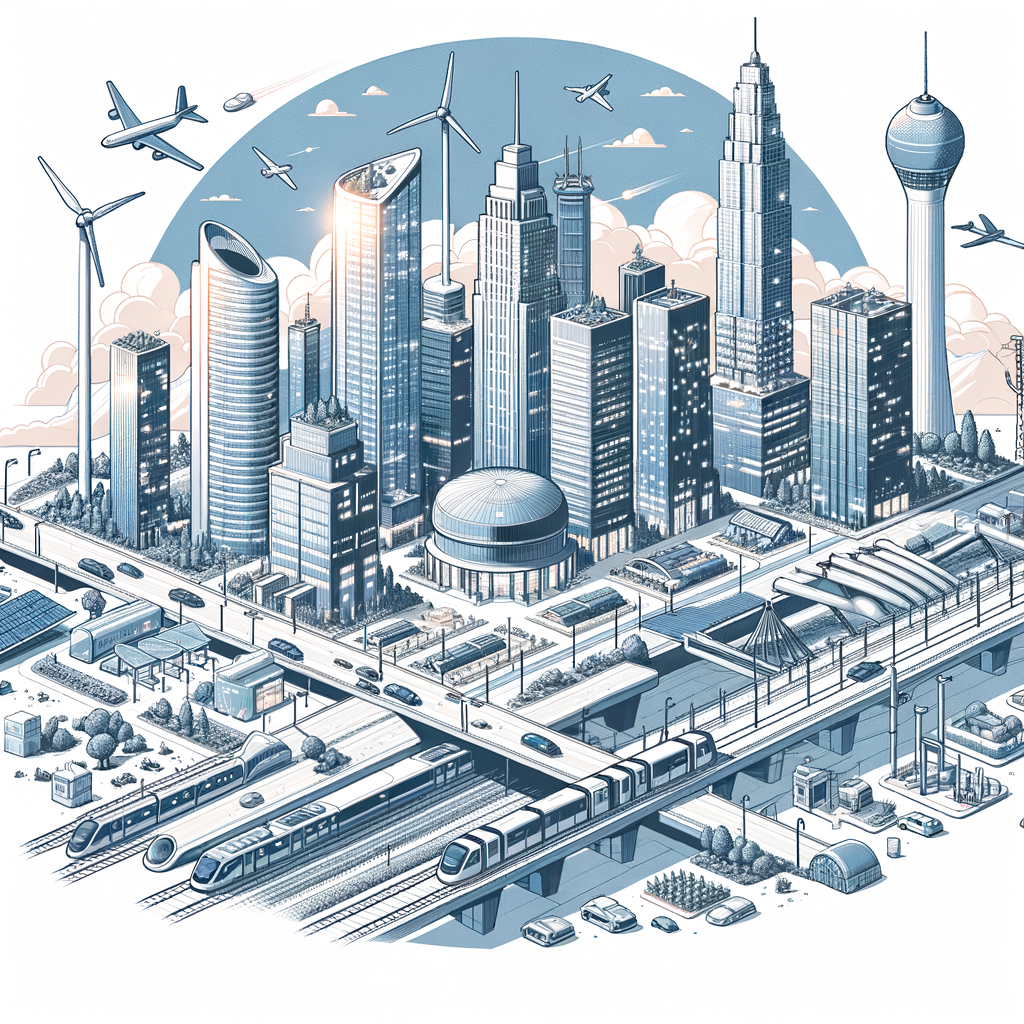
Transportation infrastructure holds a fundamental influence over real estate values, forming the backbone of urban mobility. Efficient transportation systems including roads, railways, subways, and airports drive property demand by enhancing accessibility. Properties located near well-maintained roads and public transit options often appreciate faster in value than those in remote or undeveloped areas. Cities with extensive and reliable public transportation systems like New York, London, and Tokyo set prime examples of how transport links increase real estate value.
Studies show the presence of a metro station or a commuter rail line increases the nearby property values due to reduced travel time and improved convenience. Moreover, the integration of sustainable transportation, such as bicycle lanes and pedestrian zones, enhances the desirability of certain locales. Urban planners prioritize developing these networks to reduce congestion, pollution, and reliance on personal vehicles. The added benefit of reduced carbon footprints often aligns with societal trends placing emphasis on eco-friendly living.
Airports, while often seen detrimental when considering noise pollution, also boost real estate markets. International airports enhance connectivity, crucial for cities seeking global relevance. Businesses gravitate towards regions with airports, leveraging the worldwide accessibility for trade opportunities. Consequently, commercial and residential properties within an accessible distance typically see a positive valuation trajectory. Modern urban planners balance these factors by enacting noise-reduction initiatives and zoning regulations to mitigate adverse effects.
Utilities and Amenities
Beyond transportation, the provision and quality of utilities such as water, electricity, and telecommunications assert strong influence on real estate values. Reliable utilities form the foundation of daily life, affecting everything from business operations to residential comfort. Areas showcasing high utility reliability and efficiency experience significant real estate demand. Infrastructure projects, like smart grids for electricity or fiber-optic networks for internet, serve as value multipliers, attracting tech-dependent businesses and residents.
Nations with ongoing urbanization trends heavily invest in water infrastructure to ensure consistent and sustainable supply. This forward-looking approach stabilizes real estate markets by preventing shortages that could deter potential buyers or investors. Moreover, well-developed sanitation systems eliminate health concerns, making certain neighborhoods more attractive than those burdened by outdated sewage systems or limited access to clean water.
Parks, recreational zones, shopping facilities, and educational institutions are also part of urban infrastructure that elevates real estate values. The integration of these amenities into urban planning improves residents’ quality of life, connects communities, and generates vibrant real estate markets. Retail and dining establishments spur economic activity and offer lifestyle conveniences. Consequently, properties near these life-enhancing amenities see heightened market interest and increased valuation.
Technological Advancements
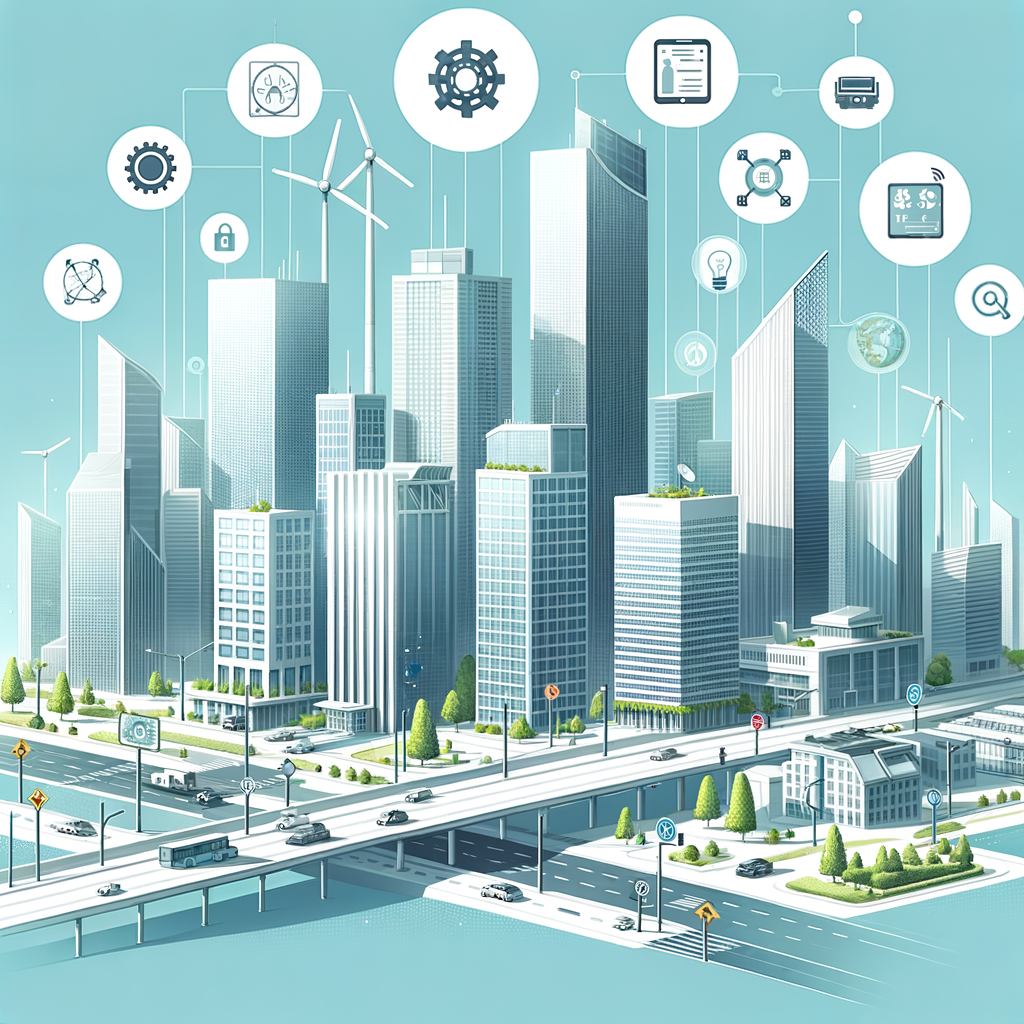
The role of technology in shaping urban infrastructure and real estate values continues to rise, marked by the growth of smart city initiatives. These projects emphasize the utilization of technology to improve infrastructure efficiency, sustainability, and overall livability. The integration of Internet of Things (IoT) devices streamlines resource management, optimizes traffic flow, and provides residents with real-time information. Smart city elements bolster property values by portraying areas as future-ready and progressive.
As digital connectivity becomes more ingrained into daily life, high-speed internet access serves as a crucial determinant for real estate appeal. Developments focused on turning urban areas into gigabit cities reflect an understanding of evolving homebuyer needs. Access to robust broadband internet supports remote work capabilities, online education, and digital entertainment, making it an attractive feature for potential property buyers.
Furthermore, digital infrastructure supports enhanced security systems and energy-efficient practices within urban regions. Buildings designed with smart features, such as sensor-driven HVAC systems and smart lighting, are not only sustainable but also offer long-term economic benefits due to lower operating costs. As awareness increases, so does demand for such properties, translating to higher market value.
Government Policies and Economic Factors
Urban infrastructure development often correlates with government policies and economic factors, which in turn influence real estate prices. Economic growth catalyzes infrastructure investment, positively impacting property values. Regions experiencing substantial job creation and rising income levels witness a boom in real estate as the ability to own property increases.
Government involvement through regulatory frameworks, zoning laws, and development incentives also dictates real estate patterns. Tax incentives, grants, or subsidies for urban development encourage investment and infrastructure growth. These efforts not only make urban areas more attractive but also support the sustainable growth of real estate markets.
Most governments today target sustainable urban development, recognizing the long-term potential of integrating green infrastructure. Initiatives like expanding green spaces, promoting renewable energy resources, and encouraging sustainable building practices align with increasing environmental awareness. Ultimately, these measures add to urban areas’ appeal, forming a basis for steady property value appreciation as they meet contemporary buyer expectations.
Resilience and Sustainability
As climate change concerns grow, resilience and sustainability have become pertinent aspects of urban infrastructure influencing real estate values. Properties located in areas prone to natural disasters or lacking adaptive infrastructure face reduced demand and depreciating values. Forward-thinking urban planning incorporates features like climate-resilient buildings, efficient drainage systems, and flood defenses to mitigate these risks.
Cities that adopt resilient infrastructure frameworks prepare for unforeseen climate events, which reassures potential property investors. As sustainability trends continue to gain momentum, structures with eco-friendly certifications, sustainable materials, and low carbon footprints command higher real estate prices. Buyers increasingly look for sustainable living options as preferences align with environmentally conscious lifestyles.
Thus, integrating resilience into urban design not only contributes to the environment’s health but also enhances economic value. Policymakers and developers focusing on this approach position urban areas as safe and sustainable destinations, with these benefits directly reflecting in real estate values.
Conclusion
In conclusion, urban infrastructure and real estate values share an intricate connection, with numerous factors intertwined to influence property prices. As cities worldwide continue to urbanize, the emphasis on robust transport networks, reliable utilities, technological integration, and sustainable development grows more apparent. Transportation accessibility, efficient utilities, and quality amenities shape property appeal, driving both residential and commercial demand.
Smart technology integrations and government policies further amplify urban areas’ attractiveness, ensuring long-term viability and desirability. Moreover, the shift towards resilient and sustainable urban infrastructure stands poised to redefine real estate trends, mirroring societal shifts towards environmentally friendly and future-ready living arrangements.
Understanding these factors provides property investors, developers, and city planners with invaluable insights into maximizing real estate potential amidst ongoing urban growth. As cities evolve, so too will the systems sustaining them become essential benchmarks for predicting real estate valuation trajectories. Ultimately, comprehensive urban infrastructure remains a cornerstone upon which property success and economic prosperity rely, offering boundless opportunities and challenges for future urban spaces.
Frequently Asked Questions
1. How does transportation infrastructure affect real estate values?
Transportation infrastructure, like highways, subways, and bus systems, significantly impacts real estate values by improving accessibility and reducing travel time. When a property is located near efficient public transport, it becomes more attractive to potential buyers or renters who prioritize convenience and connectivity to work or leisure locations. This ease of access often leads to increased demand, thereby driving up property prices. Additionally, ongoing development of transportation projects can signal future appreciation in property values, as areas that become newly connected to the city’s transport network can witness significant growth and investment. Furthermore, the aesthetic appeal of well-designed transport systems and stations can also enhance the perceived value of a neighborhood, making it a more desirable place to live.
2. What role do utilities and services play in determining real estate prices?
Utilities such as water, electricity, gas, and sewage systems are foundational elements that affect real estate values because they determine the livability and functionality of a property. A reliable, efficient utility infrastructure ensures that basic needs are met without interruption, which can elevate the attractiveness of a location. If a neighborhood is known for frequent utility outages or poor services, it can deter potential buyers or renters, diminishing property values. On the flip side, advanced utility systems that incorporate modern technology for energy efficiency or water conservation can enhance property value by appealing to environmentally conscious buyers. Services such as waste management, street cleaning, and public lighting further support urban living conditions, playing a critical role in maintaining or boosting real estate values by ensuring the area remains clean and secure.
3. How does communication infrastructure, like internet and mobile networks, impact property values?
An area with robust communication infrastructure, including high-speed internet and strong mobile networks, is better positioned to attract homebuyers, especially in the current digital age where remote working and constant connectivity are common. Properties in regions with fast internet connections are highly sought after, as both businesses and residential users prioritize reliable digital access for work, entertainment, and staying informed. Conversely, areas lacking in communication infrastructure experience lower demand and thus lower property values. Importantly, with the rise of smart homes requiring robust network systems, the real estate market places even more emphasis on communication infrastructure quality when determining property values. Buyers and investors now look beyond traditional aspects and lean heavily on this modern infrastructure facet when assessing a property’s worth.
4. In what ways do economic activity and culture, facilitated by urban infrastructure, enhance real estate values?
Urban infrastructure facilitates a city’s economic activity and cultural offerings, directly influencing real estate values by making areas either more or less desirable. For instance, well-developed infrastructure supports retail areas, entertainment districts, and business hubs, drawing visitors and residents alike. Cultural institutions enabled by infrastructure planning, such as theaters, museums, or music venues, also contribute to a vibrant community that typically drives up property demand in nearby areas. These elements create an innovative and lively atmosphere attractive to current and prospective residents, enhancing overall property values. Moreover, real estate in cities with dynamic cultural scenes benefits from the “location premium,” where the presence of lifestyle amenities such as parks, art galleries, and restaurants curates a high standard of living that many are willing to pay a premium for.
5. How do city planning and development policies around infrastructure impact real estate trends?
City planning and development policies heavily influence real estate trends by determining where infrastructure investments take place, thus shaping urban growth patterns. Effective policies can lead to the creation of well-connected, livable neighborhoods with balanced residential, commercial, and recreational spaces, which in turn attracts residents and businesses. Strategic infrastructure development often spurs economic development and population growth, escalating demand for real estate. On the other hand, poorly planned infrastructure projects, or a lack of such projects, can stifle a region’s growth and lead to stagnating property values. Urban foresight and planning are crucial; forward-thinking policies that address transportation, utilities, green spaces, and technology foreseeably enhance real estate values by making urban areas more sustainable, efficient, and desirable in the long term. It’s this complex interplay between planning and real estate that keeps the market vibrant and ever-evolving.