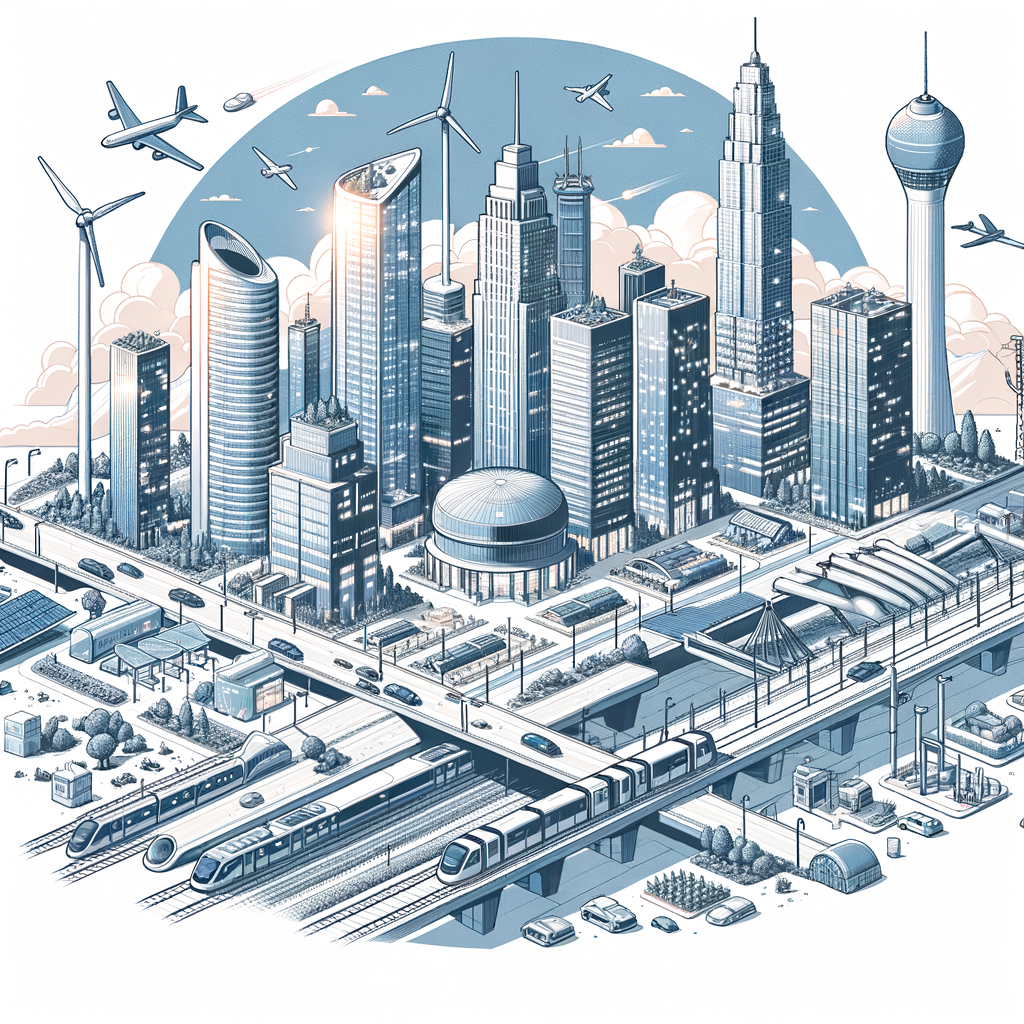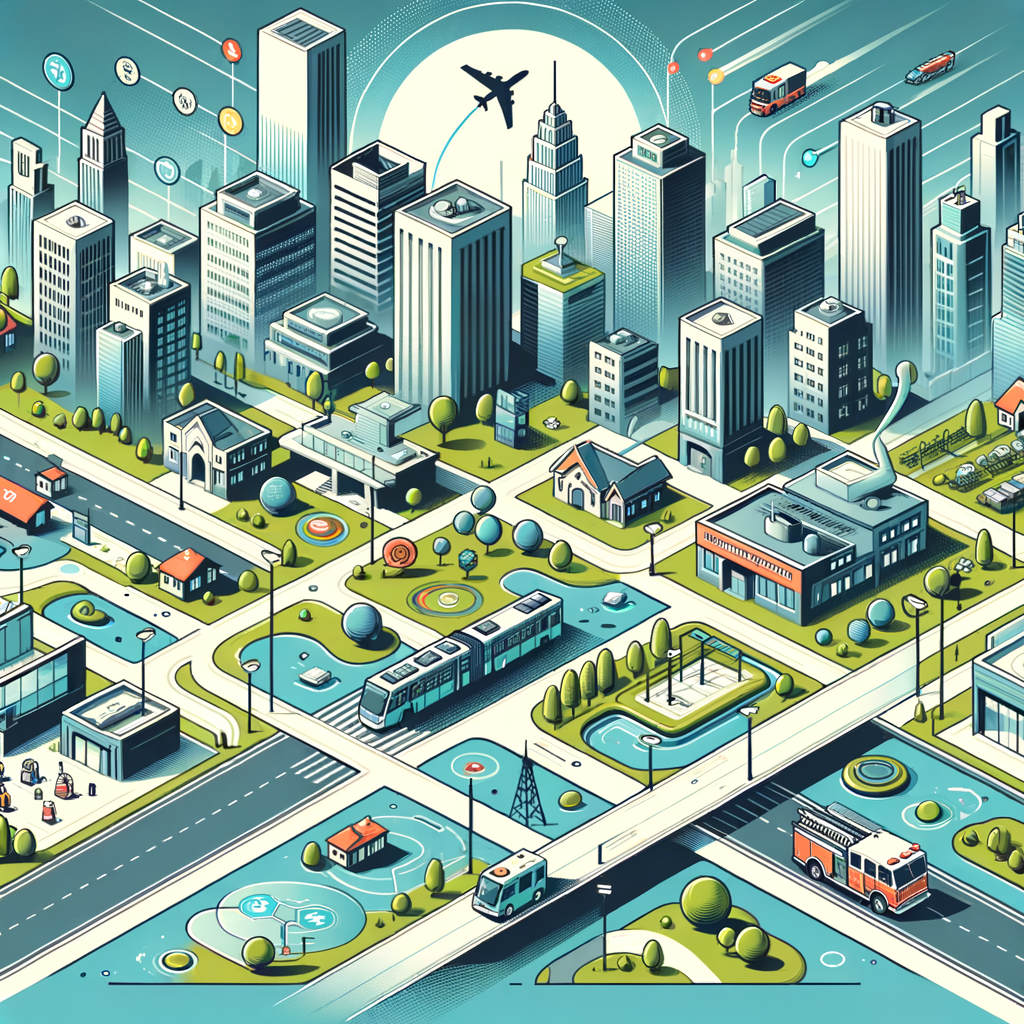
Urban infrastructure and the integration of social services have become increasingly vital as cities around the globe expand and evolve. Rapid urbanization presents numerous challenges, including congestion, pollution, and social inequality. As populations grow, the demand for efficient and effective infrastructure becomes more pressing. At the same time, urban areas must provide essential social services that cater to diverse communities. These services encompass healthcare, education, housing, transportation, and public welfare, all of which play crucial roles in enhancing the quality of life for urban dwellers.
To address these complex challenges, cities must adopt a holistic approach, integrating urban infrastructure development with the delivery of social services. Such integration seeks to ensure that infrastructure systems not only support economic activities but also enhance social well-being and reduce inequalities. This comprehensive strategy requires collaboration between governments, private sector players, non-governmental organizations, and local communities to ensure that urban development is sustainable, inclusive, and equitable. The importance of this integration becomes even more pronounced in the face of global challenges like climate change and pandemics, which further strain urban systems. As cities strive for resilience and adaptability, understanding how to successfully align infrastructure with social services is essential for creating livable urban environments.
This article delves into the critical facets of urban infrastructure and social services integration, exploring its importance, the challenges it faces, and potential solutions to bridge the gap between infrastructural growth and social necessities. By examining case studies and current practices, we can uncover actionable insights into how cities can align their physical frameworks with their social fabric. Such alignment promises to foster urban areas that are not only efficient and technologically advanced but also equitable, healthful, and supportive of all residents. Through a comprehensive exploration of strategies and innovations, we aim to illuminate pathways toward more harmonious urban ecosystems.
Importance of Integrating Urban Infrastructure and Social Services
The integration between urban infrastructure and social services is increasingly recognized as a cornerstone of sustainable urban development. This interconnected approach ensures that the physical and social dimensions of urban life are harmonized to meet current and future needs. As populations surge, the strain on existing infrastructure and the urgent demand for social services put immense pressure on city planners and policymakers. Recognizing and addressing the dual necessity for robust infrastructure and effective service delivery is pivotal in fostering environments where communities can thrive.
Urban infrastructure refers to the fundamental physical systems of a city, including transportation networks, water supply, waste management, and energy grids. These elements form the backbone of urban existence, facilitating movement, communication, and commerce. Social services, on the other hand, provide essential support mechanisms that ensure the well-being of citizens, ranging from healthcare and education to housing and welfare programs. Integrating these two dimensions is crucial to creating resilient urban areas that can withstand economic stressors, environmental pressures, and social upheavals.
From a societal perspective, seamless integration can lead to significant improvements in quality of life. For instance, aligning public transit systems with healthcare facilities can enhance access to medical services, particularly for marginalized groups. Similarly, incorporating educational institutions within residential developments can support community growth and social cohesion. By designing infrastructure that considers social needs, cities can promote inclusivity and accessibility, ensuring that all residents have equal opportunities to lead prosperous lives.
Challenges in Integration
Despite its apparent benefits, the integration of urban infrastructure with social services faces numerous challenges. One primary obstacle is the fragmentation of governance structures. In many cities, different governmental departments and agencies are responsible for various aspects of planning and service delivery. This division often leads to siloed efforts, with limited coordination and communication between sectors. Bridging these gaps requires innovative governance frameworks that encourage interdepartmental collaboration and strategic partnerships.
Financial constraints also pose a significant hurdle. Urban development projects are capital-intensive, and resources are frequently limited. The challenge lies in securing funding not only for infrastructure but also for the continuous improvement and delivery of social services. Prioritizing where and how funds should be allocated requires careful planning and often innovative financing models, such as public-private partnerships, that leverage both public resources and private investment.
Resistance to change is another barrier to effective integration. In many cases, conventional urban planning approaches remain entrenched, with a focus on economic outputs rather than social outcomes. Shifting toward a model that equally values social well-being can face institutional inertia and skepticism about its practicality. This often demands a cultural shift within planning bodies and stakeholder groups, embracing more inclusive and sustainable visions for urban futures.
Moreover, comprehensive integration efforts must contend with data limitations. High-quality, detailed, and accessible data is fundamental for informed decision-making. However, data regarding urban infrastructure and social service needs is often incomplete, outdated, or difficult to compare across jurisdictions. This deficiency can stymie efforts to design integrated solutions that are responsive to the real needs of urban populations.
Strategies for Successful Integration
Addressing the challenges of integration begins with the development of a unified vision among stakeholders. Collaborative planning processes that engage government agencies, private entities, civil society organizations, and community members are vital. By involving diverse perspectives early in the planning process, cities can foster shared goals and collective ownership of development initiatives. This participatory approach not only boosts the legitimacy of plans but also enhances their feasibility and effectiveness.
Innovative financing mechanisms represent a key strategy in overcoming financial barriers. Public-private partnerships (PPPs) can be a powerful tool, aligning the incentives of private entities with public goals. These partnerships can attract investment while also distributing risk. Cities can also explore alternative financial models, such as social impact bonds, which fund projects based on the achievement of predetermined social outcomes.
Technological advancement offers promising avenues for overcoming data challenges. The adoption of smart city technologies can enhance data collection and analysis, providing granular insights into urban dynamics and service needs. Technologies such as IoT sensors, geospatial data, and advanced analytics can create real-time data streams that inform planning and operational decision-making. Ensuring open access to this data encourages transparency and public engagement, fostering trust and collaboration among stakeholders.
Building resilience is another crucial aspect of integrating infrastructure and services. Urban systems must be designed not only for efficiency but also for adaptability in the face of emerging challenges like climate change and pandemics. This may include designing green infrastructure solutions, such as parks and green roofs, that manage stormwater and improve air quality while providing social and recreational benefits. Integrated emergency response systems can also enhance urban resilience, linking transportation and communication networks in ways that support rapid mobilization and coordination.
Case Studies and Examples
Examining successful examples of integration can provide valuable insights for other cities. One such example is Copenhagen, Denmark, where careful urban planning has resulted in a synergy between sustainable infrastructure and high-quality social services. The city’s extensive bicycle network not only reduces carbon emissions but also promotes public health and inclusivity, as cycling is accessible to all socioeconomic groups.
In Singapore, the integration of housing with social amenities has created vibrant communities. The city-state’s Housing and Development Board (HDB) builds public housing that includes schools, healthcare centers, and recreational spaces, facilitating community life and accessibility. This model has effectively addressed housing shortages while enhancing the quality of urban living and community engagement.
Another noteworthy example is Medellín, Colombia, where innovative transportation solutions have transformed mobility and accessibility in previously marginalized areas. The city’s integrated metro and cable car system connect hillside neighborhoods to the city center, bolstering social inclusion and economic opportunities. This connectivity has spurred local development and improved residents’ access to essential services, reducing inequality and fostering community growth.
Conclusion
As urban areas continue to grow, the integration of infrastructure and social services remains a fundamental challenge and opportunity for planners, policymakers, and communities. By addressing both the physical and social needs of urban populations, cities can create environments that are sustainable, resilient, and equitable. Achieving this integration requires concerted efforts across multiple dimensions, including governance, financing, technology, and cultural change.
To build cities that enrich and empower all residents, it is imperative that urban policies prioritize the alignment of infrastructure with social services. Such alignment must be driven by shared visions, collaborative governance, and innovative practices that adapt to evolving circumstances. Learning from successful implementations elsewhere offers pathways to customization and adaptation, ensuring solutions are contextually relevant and effective.
In conclusion, as cities strive to navigate the complexities of the modern world, the integration of urban infrastructure and social services offers a promising route toward cities of the future—places where economic vitality and social equity reinforce one another, crafting habitats that are not only livable but truly enriching for every inhabitant.
Frequently Asked Questions
1. What is urban infrastructure and why is its integration with social services important?
Urban infrastructure refers to the basic physical systems of a city, including transportation, water supply, sewage systems, and energy resources, which are crucial for urban living. Integrating these with social services—such as healthcare, education, and housing—ensures cities function smoothly and inclusively. As cities grow, they face challenges like congestion and pollution. Integrated infrastructure meets these demands by optimizing resource use and planning, creating more resilient and sustainable urban environments. Equally important, it’s about creating equitable access to essential services for all residents, addressing social inequalities, and improving the overall quality of life. Well-coordinated infrastructure and services not only promote economic growth but also social coherence across diverse urban communities.
2. How does urbanization affect the need for infrastructure development?
Urbanization intensifies the need for robust infrastructure development. As more people migrate to cities in search of opportunities, population density increases, placing additional demand on existing systems. This rapid growth can lead to problems like traffic congestion, overused utilities, and insufficient public services if infrastructure doesn’t evolve concurrently. The strain on city resources necessitates a forward-thinking approach that not only expands physical systems but also incorporates advanced technologies. Smart infrastructure can help manage resources more efficiently, optimize transportation networks, and improve service delivery. Thus, planning needs to anticipate future growth trends and incorporate sustainable practices to ensure that cities can maintain their vibrancy and functionality despite the influx of new residents.
3. What role does technology play in the integration of urban infrastructure and social services?
Technology acts as a linchpin in integrating urban infrastructure with social services, driving efficiency and accessibility. Smart city initiatives leverage technologies such as IoT, AI, and data analytics to optimize urban infrastructure, enhancing resource management and service delivery. For instance, sensors can monitor traffic flow, informing real-time adjustments in public transportation to reduce congestion. Additionally, digital platforms facilitate access to social services, allowing residents to find information, make appointments, and receive support efficiently. Technology also fosters better communication between city planners and citizens, through platforms that enable feedback and participation in decision-making processes, improving transparency and responsiveness in urban management.
4. What are some examples of integrated social services in an urban setting?
Integrated social services in urban environments can take various forms, often aiming to centralize resources for improved accessibility. For instance, community health centers that combine medical, dental, and mental health services in one location allow for comprehensive care. Public schools that offer after-school programs, family counseling, and nutrition education exhibit similar integration, supporting not only students’ academic needs but also their social and emotional development. Housing projects that include childcare facilities, job training centers, and recreational amenities demonstrate the integration of living and support services. These integrated setups are designed to create supportive networks around individuals, fostering environments where all aspects of well-being are addressed, contributing to more resilient communities.
5. What challenges exist in integrating urban infrastructure with social services, and how can they be addressed?
Integrating urban infrastructure with social services presents several challenges. A primary hurdle is coordinating across different government departments and agencies, each operating with its own objectives and budget constraints. This calls for collaborative policies and cross-sector partnerships to align goals and resources. Funding is another significant challenge, as developing integrated systems can require substantial investment, highlighting the need for creative financing models that might include public-private partnerships. Technical difficulties also arise in merging legacy systems with new technologies, demanding careful planning and strong IT solutions. Additionally, inclusivity is a concern; services must cater to all residents, calling for thorough engagement with diverse community groups in the planning process to ensure their needs are met. Addressing these challenges involves long-term vision, innovative thinking, and a commitment to sustainable development practices.