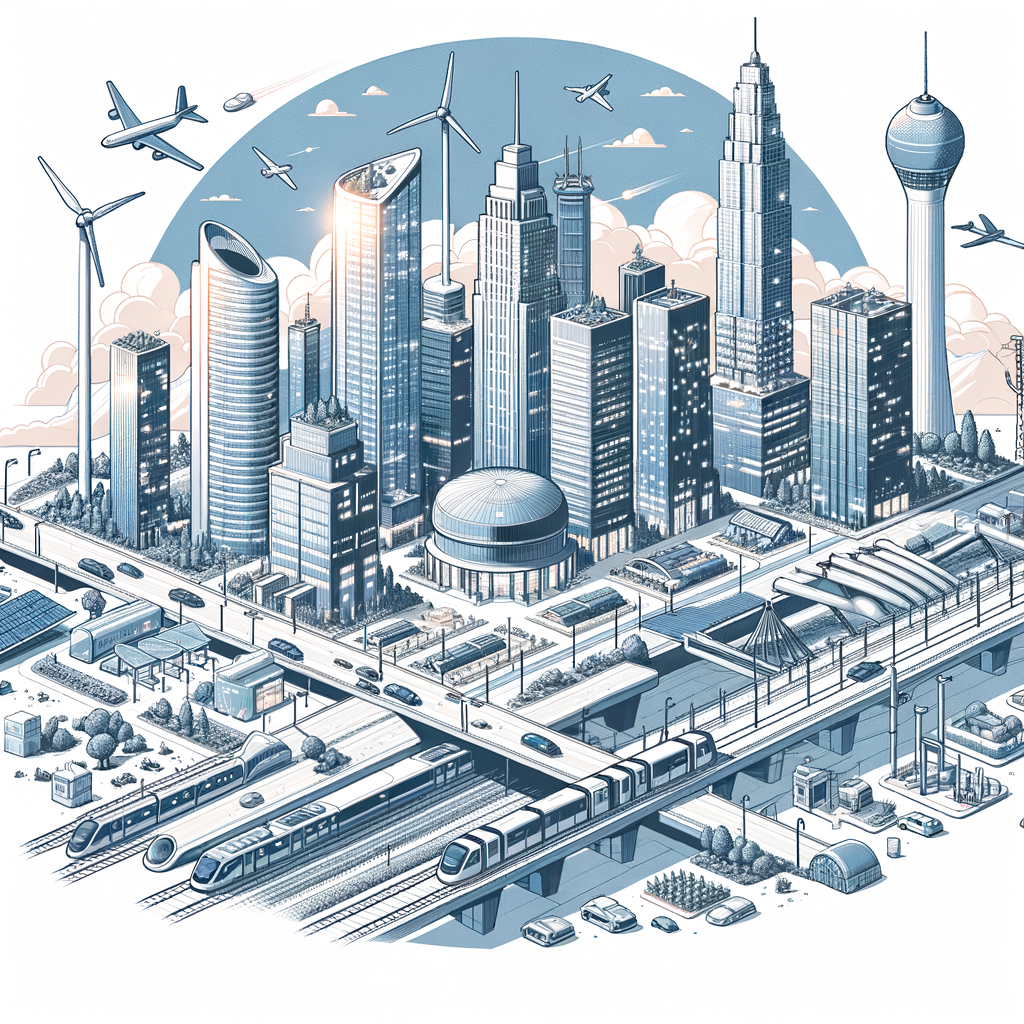
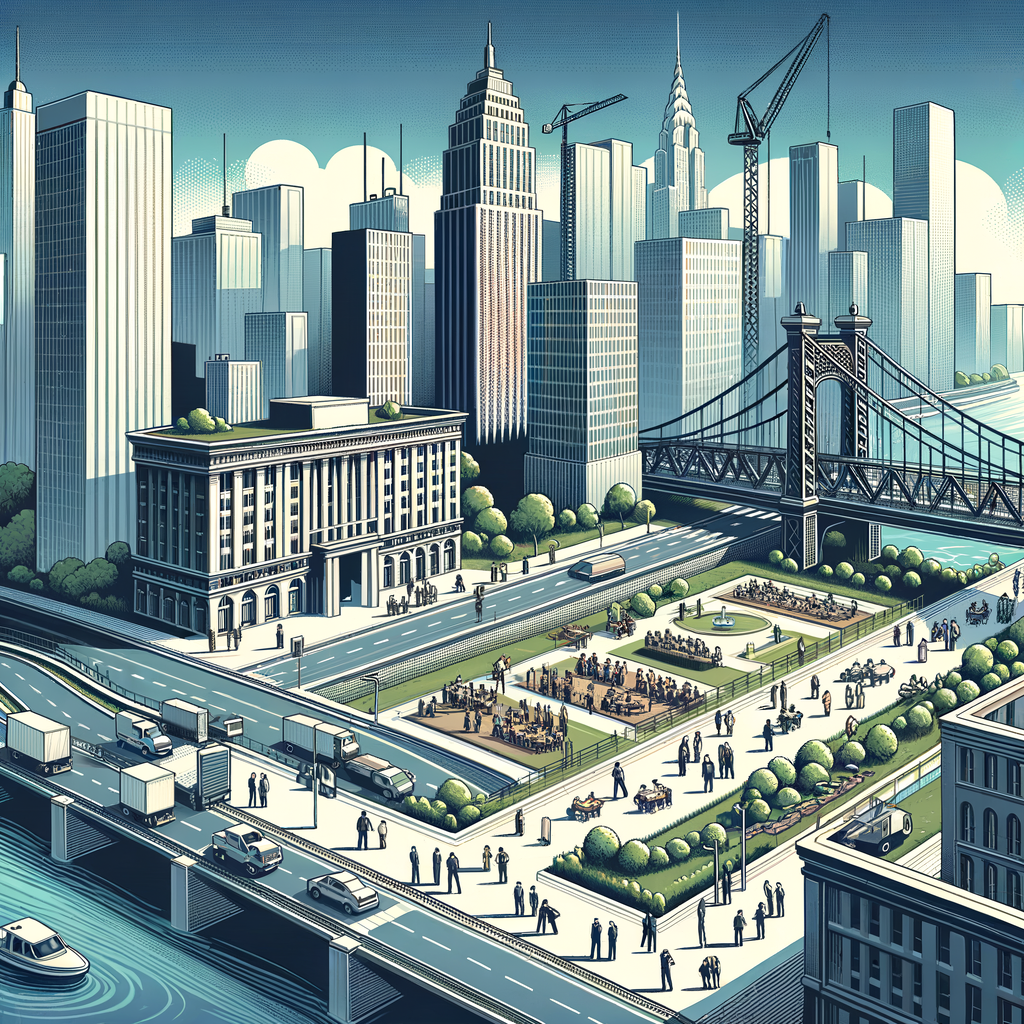
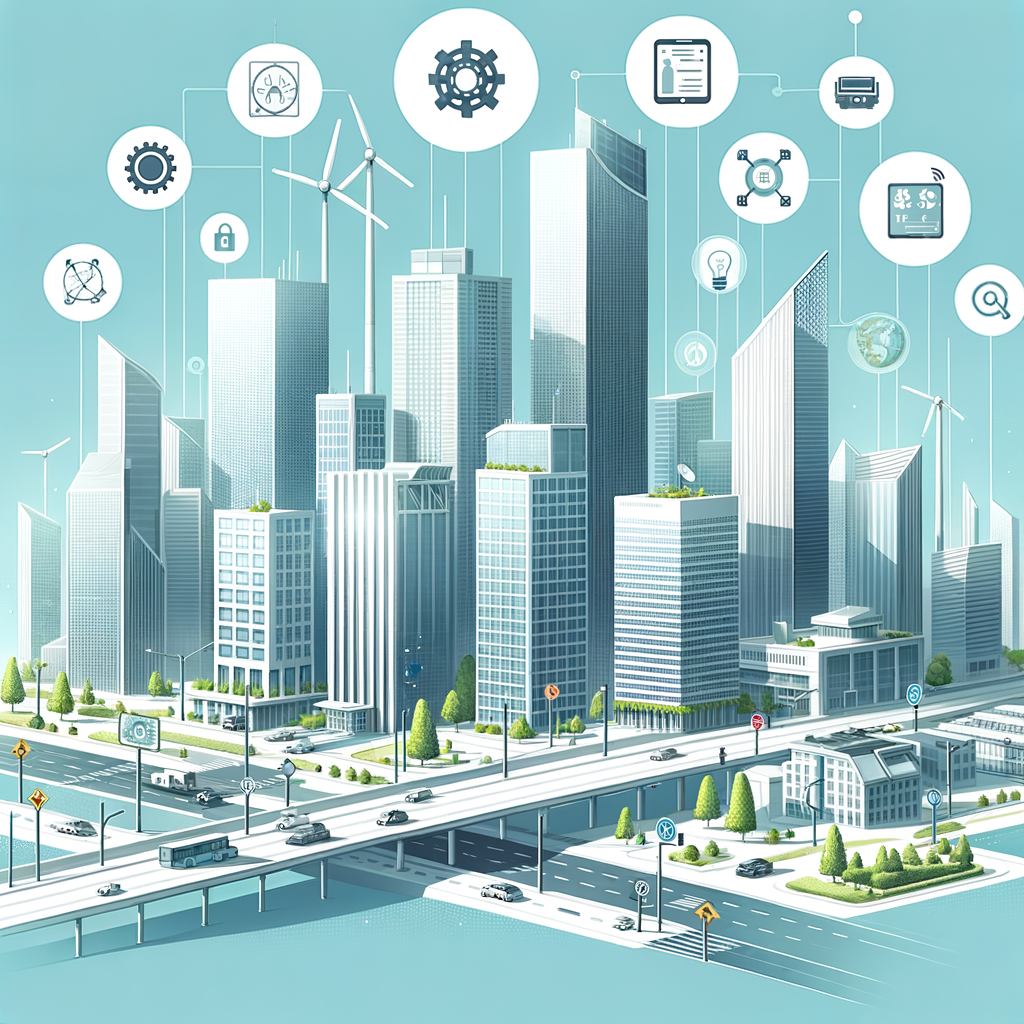
Urban infrastructure and public spaces are the backbone of any vibrant city. They serve as the skeleton and skin of urban living, determining not just the ease of movement and communication but also the quality of life experienced by city dwellers. Urban infrastructure consists of the physical structures and facilities necessary for sustaining the operations of a city, such as transportation systems, water supply networks, sewage, electrical grids, and telecommunications. Public spaces, on the other hand, are areas accessible to the public for various activities like parks, squares, and streets. They interplay with urban infrastructure, offering more than just functional value, contributing to the social fabric, culture, and identity of a city. As urbanization continues to rise, the need to thoughtfully design and manage urban infrastructure and public spaces becomes more pressing. This article explores the intricate relationship between the two, addressing their roles, challenges, and the future innovations shaping this essential aspect of urban design.
The modern city is a complex organism that thrives on the constant interaction and integration of its infrastructure and public spaces. Cities face numerous challenges such as population growth, environmental sustainability, and the integration of emerging technologies. As a result, urban planners and policymakers must consider these factors when designing infrastructure and public spaces to ensure they meet the current and future needs of urban populations. This exploration not only addresses present conditions but also forecasts potential developments that could revolutionize how we design and utilize these critical urban components. By examining case studies, technology’s role, and policy considerations, this article serves as a comprehensive guide on urban infrastructure and public spaces, diving deeply into their diverse aspects.
Role of Urban Infrastructure
Urban infrastructure has always played a pivotal role in the development and sustainability of cities. At its core, it encompasses systems and structures essential for economic growth, public health, and safety. Transportation networks like roads, railways, and subways allow for the efficient movement of people and goods, which is vital for commerce and daily commuting. Water supply and sanitation systems are custodians of public health, ensuring that cities remain livable and that their populations have access to basic needs. Electrical grids provide the energy necessary to power homes, businesses, and industries, while telecommunications infrastructure connects individuals and facilitates business operations worldwide.
The efficiency and effectiveness of urban infrastructure have a direct impact on a city’s economic performance and its inhabitants’ quality of life. Cities with well-developed infrastructure systems are able to attract more businesses and tourists, boosting local economies. Furthermore, urban infrastructure contributes to social equity by providing equitable access to essential services and opportunities across different demographics. However, developing and maintaining such infrastructure requires significant investment and careful planning. The challenge lies in balancing expansion with maintenance needs, especially in rapidly growing urban areas where existing infrastructures are often strained beyond capacity.
Importance of Public Spaces
Public spaces are the heart of urban life, offering more than just a place to pass through. They facilitate social interactions, cultural expressions, and collective activities that forge a sense of community and identity among city dwellers. Parks, plazas, and streets serve as venues for relaxation, recreation, social gatherings, festivals, and protests. They support mental and physical health by providing green spaces that encourage physical activity, reduce stress, and improve air quality.
Architecturally, public spaces enhance the aesthetic appeal of cities and contribute to their unique character and charm. They can act as landmarks, bringing a sense of pride and place for the inhabitants. Furthermore, they offer economic benefits by boosting local businesses, tourism, and property values in adjacent areas. Despite these advantages, public spaces face challenges like overcrowding, pollution, and maintenance issues. Ensuring safety and accessibility for all user groups, especially marginalized communities, is crucial to maximize the social benefits of public spaces.
Challenges in Urban Infrastructure and Public Spaces
As urban populations rise, the pressure on infrastructure and public spaces intensifies. Aging infrastructure needs significant upgrades to handle increased loads, requiring substantial investment. Simultaneously, cities struggle to balance expansion with sustainable practices. Building resilient infrastructure capable of withstanding natural disasters and climate change is a critical concern. Public spaces, meanwhile, face challenges such as privatization, which reduces free access for residents, and gentrification, which can displace lower-income communities and change the cultural dynamics of an area.
The COVID-19 pandemic further highlighted weaknesses in urban infrastructure and public spaces, as cities had to adapt quickly to ensure social distancing. This brought new priorities into focus, such as the need for adaptable public spaces that can change function as needed and smart infrastructure capable of supporting digital connectivity in remote work and learning environments.
Innovations and Future Directions
Technology plays a pivotal role in transforming urban infrastructure and public spaces. The rise of smart cities, with their focus on integrating information and communication technology (ICT) into urban environments, offers new ways to manage resources, improve efficiency, and enhance citizens’ quality of life. Sensors, IoT devices, and AI can monitor infrastructure health, optimize traffic flow, and manage utilities dynamically, reducing waste and improving service delivery.
Renewable energy integration in urban areas offers possibilities for achieving sustainable development goals, with solar panels, wind turbines, and energy-efficient designs becoming increasingly common. The concept of green infrastructure, which includes green roofs, walls, and corridors, offers ecological benefits by enhancing biodiversity and improving urban environments. Sustainable transport solutions, such as electric vehicles and pedestrian-friendly city designs, aim to reduce carbon emissions and traffic congestion.
Public spaces are also innovating through participatory design and engagement processes that involve communities in their planning and development. This ensures that spaces reflect the needs and desires of those who use them most. Emerging trends include flexible spaces that can serve various purposes, pop-up parks, and adaptive reuse of derelict areas into vibrant community spaces.
Moreover, the integration of art and technology in public spaces enhances their role as cultural hubs, offering interactive experiences and fostering community engagement. Placemaking, a collaborative process that involves reimagining public spaces to promote health, happiness, and well-being, is becoming a popular approach to urban development.
Conclusion
The intricate relationship between urban infrastructure and public spaces is integral to the development of cities. They are vital components that shape not just the physical environment but also the social and cultural dynamics of urban life. The ongoing challenges, compounded by rapid urbanization and the global push towards sustainability, require innovative approaches and resilient solutions. As cities continue to expand and evolve, urban planners, policymakers, and communities must collaborate to design infrastructure and public spaces that are inclusive, sustainable, and adaptable.
Understanding the current trends, recognizing the existing challenges, and being open to innovation are key to transforming urban landscapes into spaces where people can live, work, and interact synergistically. By prioritizing both functional and aesthetic excellence, cities can create environments that enrich the lives of all their inhabitants, fostering vibrant, cohesive, and sustainable urban futures. Thus, the continuous improvement and thoughtful planning of urban infrastructure and public spaces remain paramount to unlocking the full potential of modern cities.
Frequently Asked Questions
1. What is urban infrastructure, and why is it important for a city?
Urban infrastructure is the essential framework that enables a city to function smoothly. It encompasses all the physical systems and structures necessary for day-to-day operations of the city. This includes transportation systems like roads, bridges, and public transit, as well as utilities such as water supply, sewage systems, electrical grids, and telecommunications networks. Imagine trying to live in a bustling city without reliable public transportation or consistent access to electricity and water—it would be chaotic and unsustainable!
This infrastructure is crucial because it directly impacts the quality of life for residents and visitors alike. Efficient urban infrastructure facilitates easy movement, communication, and connectivity within the city. Moreover, it supports economic activities, making cities more competitive and attractive for investment. When infrastructure is well-maintained and forward-thinking, a city can grow sustainably, accommodate more residents, and provide high living standards. Ultimately, the strength of a city’s infrastructure reflects its ability to meet current demands and adapt to future challenges.
2. How do public spaces contribute to the vitality of urban areas?
Public spaces, such as parks, plazas, and community centers, are vital to urban vitality as they serve as the communal heart of any city. These spaces offer more than just aesthetic or recreational value—they are platforms for socializing, cultural exchange, and community building. Imagine a busy city without any green spaces, where residents have no place to relax or congregate; it would feel isolating and suffocating.
Public spaces provide residents with opportunities to interact with their environment and with each other, fostering a sense of community and belonging. They act as catalysts for urban life by hosting events, encouraging physical activity, and offering a reprieve from the hustle and bustle of city life. Moreover, well-designed public spaces can improve a city’s environmental quality, by mitigating urban heat, reducing pollution, and enhancing biodiversity. Essentially, public spaces are integral to creating vibrant, livable cities that emphasize human connections and well-being.
3. What are some challenges cities face in maintaining urban infrastructure?
Cities encounter numerous challenges when it comes to maintaining urban infrastructure. One of the most pressing challenges is aging infrastructure. Many cities have systems that were built decades ago and are reaching the end of their functional life. This results in frequent breakdowns and inefficiencies, requiring costly repairs and upgrades.
Another significant challenge is the rapid pace of urbanization. As urban populations grow, cities must expand their infrastructure to meet increased demand for services. This puts pressure on existing systems and often requires significant investment in new infrastructure projects. Additionally, cities must also contend with financial constraints, as public funds are frequently limited, and prioritizing infrastructure expenditures can be politically challenging.
Environmental considerations also pose challenges. Cities are under increasing pressure to adopt sustainable infrastructure solutions to combat climate change and reduce their carbon footprint. This includes investing in renewable energy, creating more efficient public transportation systems, and improving waste management processes. Balancing economical, environmental, and social goals requires innovative and strategic planning.
4. How is technology transforming urban infrastructure and public spaces?
Technology is having a transformative impact on urban infrastructure and public spaces, making them smarter and more responsive to the needs of citizens. One of the most visible transformations is the incorporation of smart technology into infrastructure systems. For instance, smart grids and electricity meters help optimize energy consumption, reducing waste and lowering costs. Similarly, intelligent transportation systems use real-time data to enhance traffic flow, reducing congestion and improving safety.
Technology also plays a pivotal role in enhancing public spaces. With innovations like Wi-Fi-enabled parks and digital kiosks, public areas are becoming more interactive and accessible. Virtual and augmented reality can be leveraged to create engaging experiences for visitors, adding a new dimension to art installations and historical sites. Moreover, digital platforms enable citizens to engage with their surroundings more effectively, offering tools for navigating cities or identifying areas they can help maintain.
Overall, technology is enabling cities to be more efficient, sustainable, and user-friendly, providing enhanced services and better quality of life for residents.
5. How do urban design and planning affect public transportation systems?
Urban design and planning play a crucial role in the effectiveness and efficiency of public transportation systems. Thoughtful urban planning ensures that transportation systems are integrated seamlessly into the city’s layout, making them more accessible and convenient for citizens. When planners prioritize connectivity, they create transit systems that are well-linked to residential, commercial, and recreational areas, encouraging more people to use public transport instead of personal vehicles.
Strategically designed transit corridors and high-density developments around transport hubs, known as Transit-Oriented Development (TOD), can significantly enhance a city’s public transportation network. TOD encourages compact, walkable communities with reduced dependency on cars, promoting more sustainable and livable urban environments. Moreover, urban design can integrate multiple modes of transport, such as buses, trains, and bike-sharing, into a cohesive system that caters to diverse needs.
By influencing land use, density, and connectivity, urban planning ultimately dictates how effectively public transportation can meet the needs of a city’s population. When effectively executed, it contributes to reduced congestion, lowers travel times, enhances air quality, and improves the overall quality of urban life. Notably, investment in public transport infrastructure needs to be aligned with long-term urban development goals to ensure sustainable growth and adaptation to future challenges.