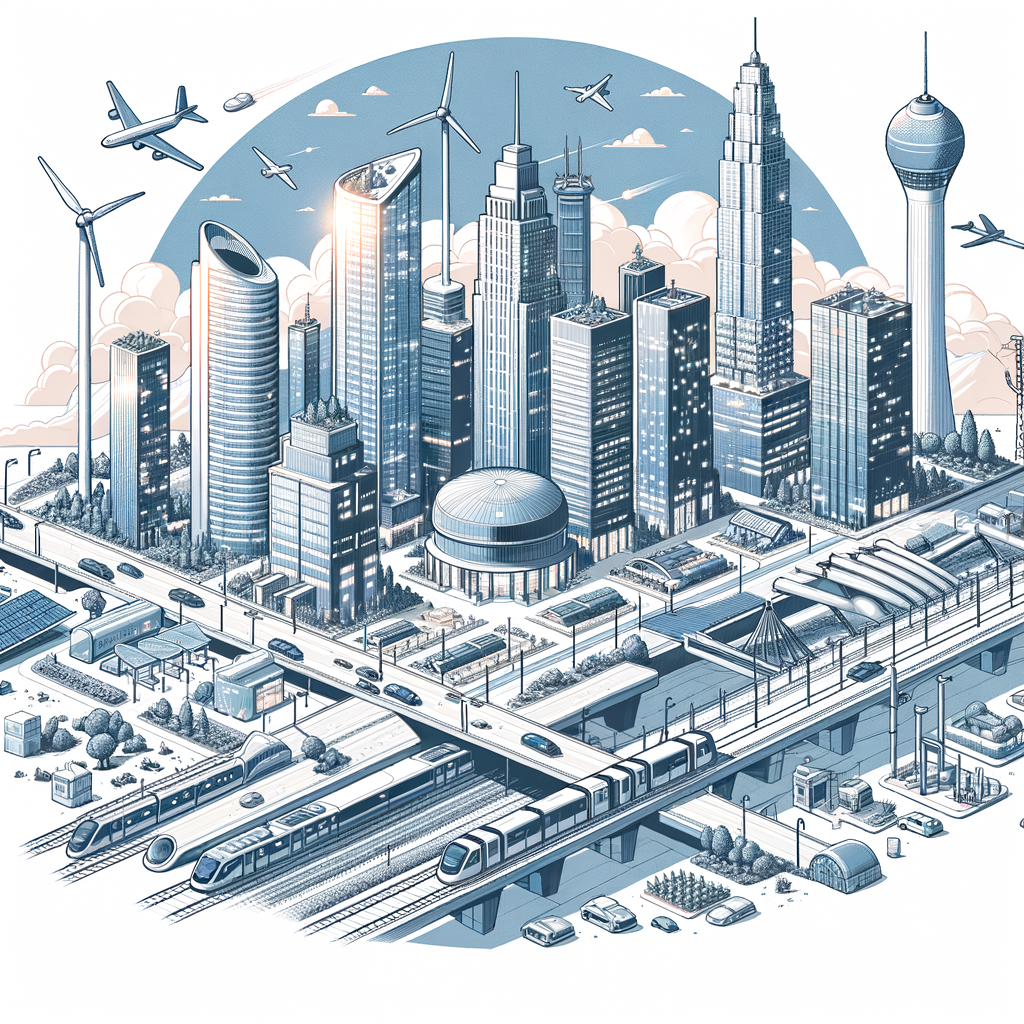
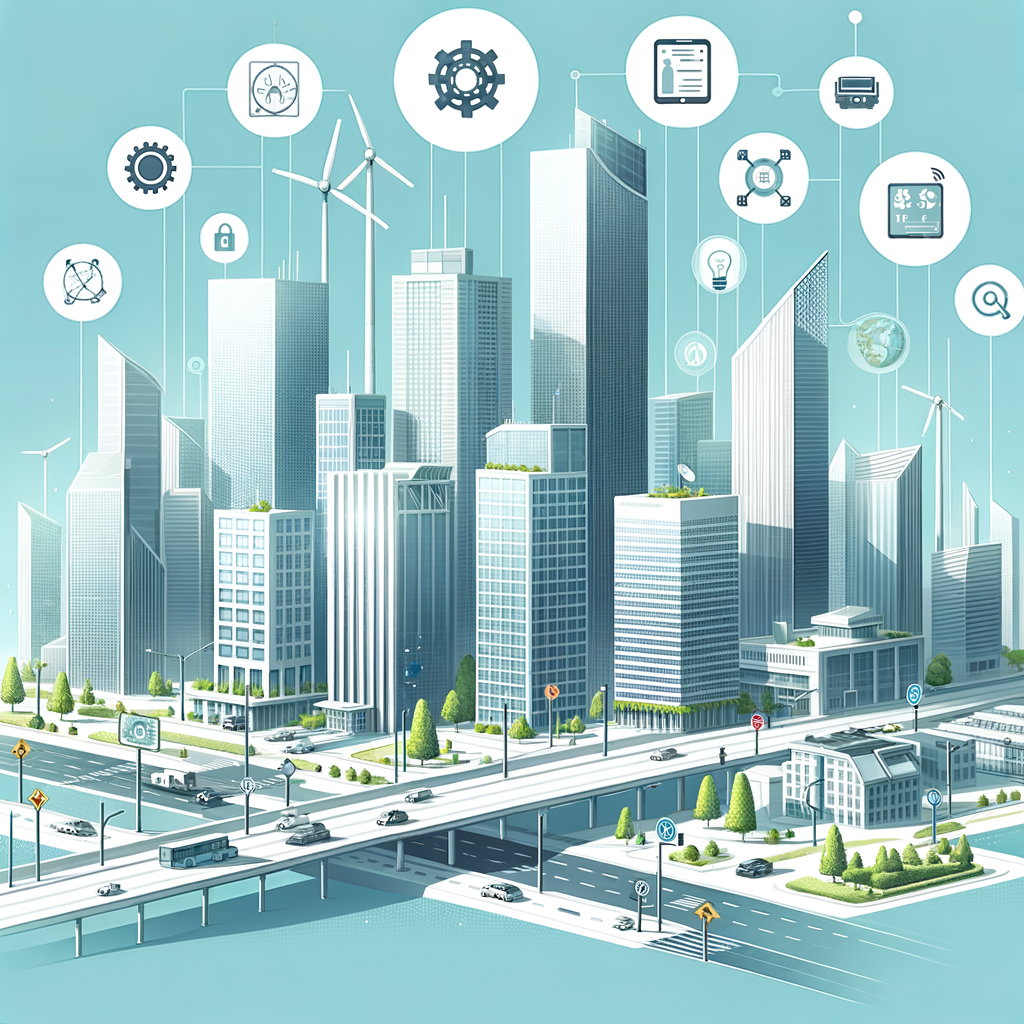
The urban landscape is rapidly evolving with advancements in technology and an ever-growing population. As cities expand, so do the demands placed on their infrastructure. The maintenance of urban infrastructure is a critical component of city management, ensuring that roads, bridges, utilities, and public spaces remain functional and safe for all residents. However, outdated maintenance practices are becoming increasingly inadequate to address the modern challenges posed by urbanization. Enter the future of urban infrastructure maintenance, where cutting-edge technology, sustainable practices, and innovative strategies converge to transform how cities operate and thrive. This article delves into the exciting advancements on the horizon and how they promise to revolutionize the way we maintain our cities. From the integration of smart technologies and IoT (Internet of Things) to predictive analytics and sustainable materials, the future holds immense potential for creating more efficient and sustainable urban environments. Moreover, the push towards more holistic approaches acknowledges the interconnectedness of urban systems and emphasizes resilience in the face of climate change and resource limitations. Through a comprehensive exploration of emerging trends and technologies, we aim to provide insight into how city planners, policymakers, and engineers are adapting to meet the challenges of modern urban infrastructure maintenance.
Smart Technologies and IoT
The integration of smart technologies, particularly the IoT, is a game-changer for urban infrastructure maintenance. At the core of this technological shift is the deployment of smart sensors and devices that collect real-time data, revolutionizing how cities track and manage their infrastructure. These devices, which can be seamlessly integrated into existing infrastructure, offer precise monitoring of various urban elements. For example, smart sensors embedded in roadways can provide constant updates on traffic patterns, road conditions, and even the structural health of the pavement. Such data enables city officials to prioritize repairs and maintenance efforts, reducing the need for costly and disruptive emergency interventions. Additionally, IoT devices can improve the management of utilities, such as water and energy distribution networks. Smart meters and sensors can track usage, detect leaks, and monitor performance, ensuring that infrastructure operates efficiently. This real-time information allows for timely interventions and better resource allocation, ultimately leading to cost savings and a more resilient urban environment.
Predictive Analytics and Artificial Intelligence
Predictive analytics and artificial intelligence (AI) are playing increasingly vital roles in shaping the future of urban infrastructure maintenance. By harnessing vast amounts of data collected from IoT devices and other sources, these technologies enable cities to predict and prevent infrastructure failures before they occur. AI algorithms can analyze historical data on infrastructure performance, weather patterns, and usage to identify trends and potential risks. This allows for proactive maintenance strategies that extend the life of infrastructure assets and reduce the likelihood of unexpected breakdowns. Predictive analytics also facilitates better decision-making when it comes to allocating resources and planning long-term infrastructure projects. By understanding potential future challenges, city planners can design infrastructure that is more adaptable and capable of withstanding evolving conditions. This insight also helps prioritize investments in maintenance and resilience projects, ensuring the best return on investment for taxpayers and stakeholders. Ultimately, predictive analytics and AI provide a more sophisticated, data-driven approach to maintaining urban infrastructure, enabling cities to optimize their operations and reduce costs.
Sustainable Materials and Practices
As sustainability becomes a central focus in urban planning, the use of sustainable materials and practices in infrastructure maintenance is gaining momentum. The need to reduce environmental impact while ensuring durability and efficiency has led to the exploration of innovative materials and construction techniques. One significant advancement in this arena is the development of self-healing materials, such as concrete infused with bacteria or microcapsules that can repair cracks autonomously, prolonging the life of roads and bridges. Such materials not only reduce maintenance costs but also minimize waste and the environmental footprint associated with traditional repair methods. Additionally, cities are exploring the use of recycled materials and green infrastructure solutions to enhance sustainability. The utilization of recycled plastics, slag, and other waste materials in construction projects not only diverts waste from landfills but also reduces the demand for virgin materials. Green infrastructure, such as green roofs, permeable pavements, and urban forests, is incorporated into urban landscapes to manage stormwater, improve air quality, and enhance biodiversity. These solutions are crucial for cities grappling with climate change, as they offer natural means to mitigate its impacts while creating healthier urban environments.
Holistic Approaches to Urban Infrastructure
Recognizing the interconnectedness of urban systems, there is a growing shift towards holistic approaches to infrastructure maintenance. This perspective acknowledges that urban infrastructure elements are interdependent, meaning that challenges in one area can affect others. For instance, poor drainage systems can deteriorate road surfaces faster, while failing utility grids can disrupt transportation and communication networks. As a result, cities are adopting integrated planning and management strategies that consider these relationships and aim to create synergies across different infrastructure types. Such holistic approaches also involve cross-sector collaboration, bringing together engineers, urban planners, environmentalists, and community stakeholders to identify and address infrastructure needs. Engaging residents and local businesses in the maintenance process ensures that infrastructure development aligns with community needs and enhances social equity. Furthermore, resilience is an essential component of holistic maintenance strategies. By designing infrastructure that can absorb and adapt to shocks and stressors, cities can better withstand the impacts of climate change, natural disasters, and other challenges. This includes investing in robust, flexible systems that can recover quickly from disruptions, ensuring the continuous functioning of critical services and public safety. Embracing holistic perspectives allows for more effective, resilient urban infrastructure systems capable of supporting sustainable growth and improving quality of life for all city dwellers.
Challenges and Opportunities
While the future of urban infrastructure maintenance is promising, it is not without its challenges. One of the most significant obstacles is the availability of funding to support the implementation of new technologies and practices. Upgrading infrastructure to incorporate smart sensors, AI, and sustainable materials often requires substantial investment, which may be difficult for cash-strapped municipalities to secure. However, long-term savings and efficiencies generated by these technologies can offset initial costs, making them attractive investments if financial barriers can be overcome. Additionally, the integration of new technologies necessitates changes in skills and knowledge among the workforce responsible for maintaining urban infrastructure. Training and upskilling initiatives are essential to equip engineers and maintenance crews with the competencies needed to leverage the power of IoT, AI, and other advanced tools. This presents opportunities for educational institutions and industry partners to collaborate on workforce development programs that address these gaps. Moreover, data privacy and security concerns must be addressed as cities implement more technology-driven maintenance strategies. Protecting sensitive infrastructure data from cyber threats is paramount to ensure the continued reliability and safety of urban systems. Cities must adopt robust cybersecurity measures and protocols to safeguard against potential risks, building public trust and confidence in smart infrastructure solutions. By addressing these challenges head-on, cities can unlock the full potential of the innovative approaches transforming urban infrastructure maintenance, reaping the benefits of improved efficiency, sustainability, and resilience.
Conclusion
The future of urban infrastructure maintenance is bright, driven by innovation and a commitment to more sustainable, resilient urban environments. As cities continue to grow and face new challenges, the integration of smart technologies, IoT, predictive analytics, and sustainable practices will be fundamental to maintaining and enhancing the infrastructure that supports daily life. By adopting holistic approaches and fostering cross-sector collaboration, city planners and policymakers can ensure that infrastructure systems are robust and adaptable, capable of meeting the needs of present and future generations. While challenges remain, particularly regarding funding and workforce development, the opportunities presented by these advancements are undeniable. As urban infrastructure evolves, it promises to become more intelligent, efficient, and environmentally friendly, ultimately enhancing the quality of life for urban inhabitants worldwide. Embracing this future requires vision, investment, and a willingness to overcome obstacles, but the rewards—a better, more sustainable urban future—are worth the effort. Cities that lead the charge in adopting these innovations will not only secure their own resilience and prosperity but also serve as models for others striving to create vibrant, sustainable urban communities.
Frequently Asked Questions
1. Why is modernizing urban infrastructure maintenance important?
Modernizing urban infrastructure maintenance is crucial to keep up with the rapid pace of urbanization and technological advancements. The infrastructure that serves as the backbone of our cities—roads, bridges, utilities, and public spaces—is subjected to ever-increasing stress and wear due to population growth and expanding urban activities. Traditional maintenance practices, often reactive rather than proactive, can lead to inefficiencies, increased costs, and potential safety hazards. By adopting advanced technologies, such as predictive analytics and automation, cities can anticipate infrastructure failures before they occur, optimize maintenance schedules, and allocate resources more effectively. Furthermore, modernizing maintenance efforts helps in reducing downtime, enhancing public safety, and improving the overall quality of life for residents.
2. How does technology impact the maintenance of urban infrastructure?
Technology plays a transformative role in the maintenance of urban infrastructure by introducing innovative tools and methods that increase efficiency and effectiveness. Smart sensors and IoT devices are being used to collect real-time data on infrastructure conditions, allowing cities to monitor the health of their assets continuously. This data is then processed through advanced analytics and machine learning algorithms to predict when and where maintenance is needed, deploying resources proactively instead of reacting to failures. Drones and robotic systems can be used for the inspection of hard-to-reach areas, minimizing human risk while increasing the accuracy and speed of assessments. Similarly, cloud computing enables seamless data integration and accessibility, ensuring that maintenance teams have up-to-date information at their fingertips to make informed decisions. These technological advancements lead to more sustainable, cost-effective maintenance strategies that extend the lifespan of urban infrastructure.
3. What challenges do cities face in implementing advanced maintenance solutions?
Cities face a myriad of challenges when it comes to implementing advanced maintenance solutions. Firstly, there is the issue of funding: upgrading to modern maintenance practices can require significant upfront investment, which is often difficult to secure given tight municipal budgets. Additionally, integrating new technologies into existing infrastructure can present technical challenges, requiring highly specialized skills and knowledge that may not be readily available within municipal teams. There’s also the matter of data privacy and cybersecurity; with the increased use of sensors and connected devices, cities must ensure that data is protected and systems are secure against potential cyber threats. Moreover, organizational and cultural resistance can impede the adoption of new technologies, as staff may be apprehensive about changing long-standing practices or losing jobs to automation. Overcoming these challenges requires careful planning, skilled communication, and collaboration between public and private sectors.
4. Can urban infrastructure maintenance be environmentally friendly?
Yes, urban infrastructure maintenance can and should be environmentally friendly. By using technology and innovative materials, cities can minimize their ecological footprint during maintenance operations. For instance, predictive maintenance reduces the frequency of repairs and replacements, thereby decreasing waste generation and energy consumption. Environmentally-friendly materials, such as recycled asphalt or concrete, can be used in road repairs, while the implementation of sustainable drainage systems can reduce runoff and protect local waterways. Additionally, optimizing public transportation infrastructure through maintenance can encourage more people to use eco-friendly commuting options, resulting in lower emissions overall. Green roofs and solar panels can be integrated into building maintenance plans to support energy efficiency and reduce urban heat. Implementing such sustainable practices not only benefits the environment but also promotes public health and contributes to the city’s overall resilience against climate change.
5. How will the future of urban infrastructure maintenance improve public safety?
The future of urban infrastructure maintenance promises significant improvements in public safety by leveraging predictive and preventive techniques. With advanced monitoring systems in place, infrastructure issues can be detected and addressed before they pose a danger to the public. For example, smart sensors on bridges can identify structural weaknesses early, allowing for timely repairs that prevent catastrophic failures. Similarly, IoT-enabled roadways can monitor traffic conditions and alert city systems to potential hazards like potholes or ice patches, prompting immediate corrective actions. Moreover, efficient maintenance scheduling ensures crucial updates are performed at optimal times, minimizing disruptions to civilian life and emergency services. These proactive measures, supported by real-time data and advanced analytics, enable cities to manage their infrastructure more effectively, thereby enhancing public safety and providing citizens with greater peace of mind as they navigate urban spaces.