As urban areas across the globe continue to expand, the importance of urban infrastructure becomes increasingly vital. The environmental and socio-economic challenges posed by climate change render cities highly vulnerable to natural disasters, necessitating a focused approach on climate resilience. Climate resilience refers to the capacity of socio-ecological systems to withstand and recover from the impacts of climate change while maintaining their essential functions, identities, and structures. In urban contexts, this resilience is achieved through well-designed infrastructure that anticipates and mitigates the adverse effects of climate change. This article explores the integral role urban infrastructure plays in promoting climate resilience, the strategies for enhancing resilience, and the multifaceted benefits of resilient infrastructure systems.
Urbanization persists as a megatrend, with projections suggesting that by 2050, nearly 70% of the global population will dwell in urban regions. This rapid urban growth not only contributes to economic development but also amplifies the susceptibility of urban areas to climate-induced challenges. Critical infrastructure systems like transportation, water supply, energy, and communication networks are frequently at the epicenter of climate impacts. The repercussions of climate-related events, such as floods, heatwaves, and storms, on these infrastructural components necessitate targeted measures to safeguard urban areas. Understanding the interplay between urban infrastructure and climate resilience not only curbs the detrimental effects of climate change but also bolsters the sustainability and livability of urban environments.
Urban planners, policymakers, and stakeholders have recognized the pressing need to transition from traditional infrastructure development to more sustainable and resilient alternatives. The integration of innovative technologies and nature-based solutions into urban planning and development is pivotal in fostering cities capable of responding effectively to climate-related challenges. In order to achieve this, there is an imperative need to evaluate and address the specific vulnerabilities of urban infrastructure within the climate resilience paradigm. This article endeavors to underscore the significance of robust urban infrastructure systems in enhancing climate resilience and outlines strategic pathways to navigate this complex, yet crucial, aspect of urban sustainability.
Role of Urban Infrastructure in Climate Resilience
The sustained functionality of urban infrastructure is foundational to the resilience of cities facing climate change. Urban infrastructure encompasses the vast network of facilities and systems that ensure the essential services required for societal functioning. These systems are inherently linked and their disruption during climatic events can trigger a cascading impact throughout urban environments. Thus, the resilience of these systems is paramount.
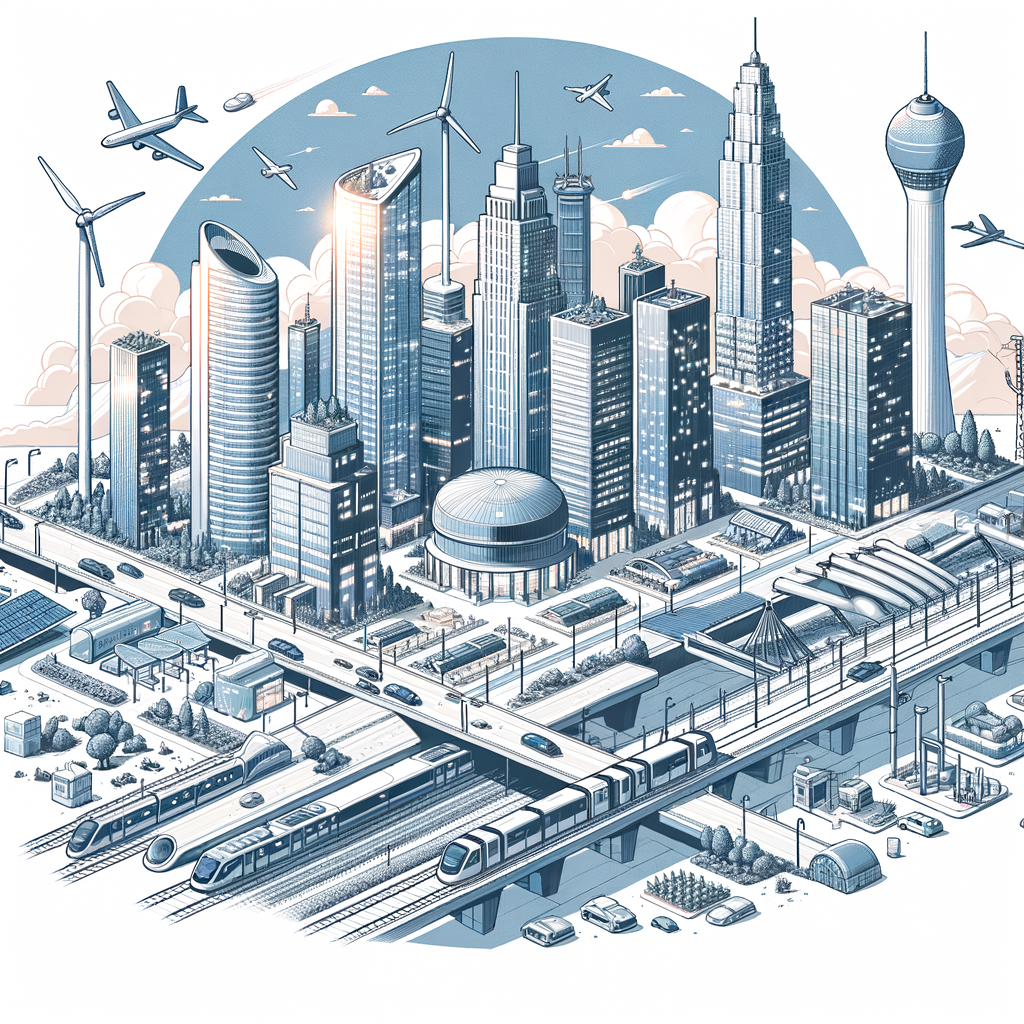
Transportation infrastructure: In urban areas, transportation networks facilitate the movement of people and goods crucial to economic activities. The disruption of these networks during extreme weather events like hurricanes or floods can have dire consequences for the economy and public safety. Elevating roads, constructing permeable pavements, and developing robust public transit systems can help mitigate these vulnerabilities. Integrated planning and investment in resilient transportation infrastructure can ensure connectivity and accessibility, even during adverse climate events.
Water management systems: Urban areas are highly dependent on efficient water supply and stormwater management systems. These infrastructures are often put at risk during heavy rainfall and rising sea levels, leading to urban flooding, which poses threats to public health and safety. Building resilient water management systems include the adoption of green infrastructure such as bioswales, green roofs, and rain gardens, which help absorb rainwater and reduce runoff, mitigating flood risks.
Energy infrastructure: Reliable energy systems are integral to urban resilience as they power homes, industries, and essential services. Climate change can induce power outages due to storms and extreme temperatures, underscoring the need for resilient energy infrastructure. Developing a decentralized grid with renewable energy sources like solar and wind, coupled with energy storage systems, can enhance energy security and reduce the dependency on vulnerable central grids.
Communication infrastructure: Fast, resilient communication networks are crucial in times of climate crises for effective information dissemination and emergency response. Infrastructure such as underground cables and backup satellite systems can ensure communication continuity during extreme events, aiding in swift responses and resource coordination. Improved resilience of communication systems is paramount in building overall urban resilience.
Integrating resilience into urban infrastructure is about more than mere fortification. It leverages both technological advancement and nature-based solutions to enhance the adaptability of urban systems in the face of climate change. Such integrations require significant investment but yield long-term benefits by bolstering infrastructure sustainability and reducing future costs associated with climate change impacts.
Strategies for Enhancing Urban Resilience
To fortify urban resilience against climate-related challenges, cities need to adopt multifaceted strategies that harmonize with both the environment and societal needs. These strategies should emphasize proactive planning, technological innovation, community engagement, and sustainable policy frameworks.
Proactive urban planning: Long-term urban planning that considers climate projections allows cities to anticipate and prepare for potential challenges instead of merely reacting post-disaster. Incorporating climate risk assessments in planning processes can guide the development of infrastructure that is both sustainable and resilient. Strategic land use planning, zoning laws, and building codes are essential tools for guiding urban development in ways that minimize impacts and enhance resilience.
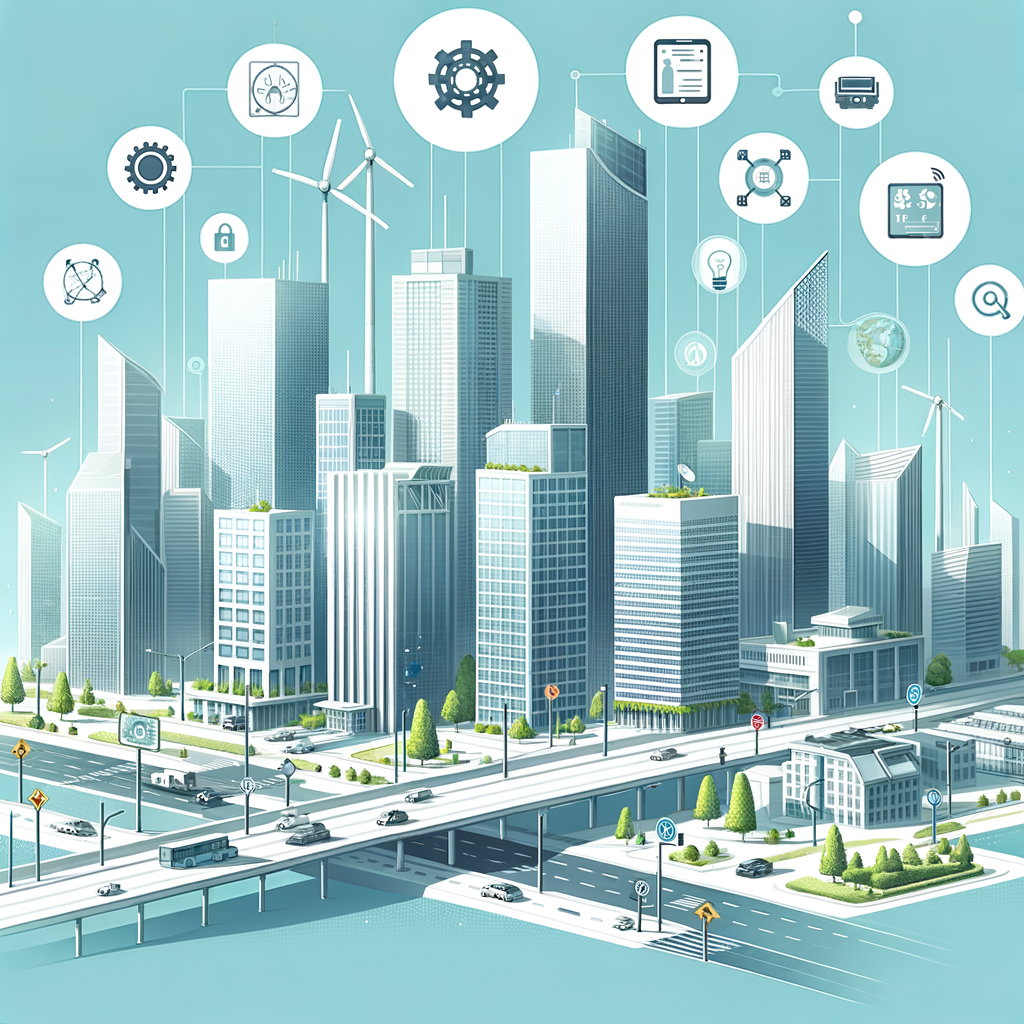
Technological innovation and smart infrastructure: Technology plays a critical role in the development of urban resilience. The integration of advanced technologies like IoT and AI into infrastructure systems offers real-time monitoring and data analytics capabilities. Smart infrastructure systems can predict system vulnerabilities, optimize resource use, and provide actionable insights for disaster risk management. Investing in such technologies enhances operational efficiency and resilience against climate threats.
Nature-based solutions: Leveraging natural ecosystems to enhance urban resilience involves the implementation of nature-based solutions that provide economic, environmental, and social benefits. These solutions include wetland restoration, urban forestry, and the creation of green belts, which offer natural defense against climate impacts while improving urban biodiversity and quality of life. Nature-based solutions are cost-effective and can be integrated into urban landscapes to mitigate climate risks.
Community resilience and social equity: Resilience must incorporate community perspectives to ensure that the benefits of climate adaptation measures are equitably distributed. Empowering communities through education, engagement, and inclusion in decision-making processes enhances social cohesion and resilience. Inclusive policies that focus on the needs of vulnerable populations ensure equitable access to resilient infrastructure, reinforcing the overall resilience of cities.
Policy frameworks and governance: Developing strong policy frameworks and governance structures that prioritize resilience is crucial for fostering adaptive capacities in cities. Policymakers must work collaboratively across sectors to develop regulations that incentivize resilience-building efforts. This includes offering incentives for the adoption of sustainable building practices, simplifying regulatory processes for green infrastructure, and funding research initiatives to pioneer resilience innovations.
Successfully implementing these strategies demands cross-sector collaboration and a commitment to continuous improvement. Cities must act as innovators to reimagine urban infrastructure that not only adapts to climate change but thrives under its pressures, ultimately enhancing urban competitiveness and lowering environmental impacts.
Benefits of Resilient Urban Infrastructure
Adopting comprehensive resilience strategies within urban infrastructures catalyzes a myriad of benefits that extend beyond mere climate adaptation. These benefits encompass economic growth, environmental stewardship, and improved societal well-being.
Economic benefits: Investing in resilient urban infrastructure generates significant economic returns by reducing the financial losses associated with climate-related damages and enhancing the economic stability of cities. Resilient infrastructures attract businesses and foster investment by providing reliable and efficient services, thereby boosting local economic development. Concurrently, resilience-building initiatives stimulate job creation across sectors, from construction to engineering and environmental services.
Environmental stewardship: Resilient infrastructure promotes environmental sustainability by integrating eco-friendly materials and practices. This approach minimizes carbon footprints and resource consumption. Nature-based solutions incorporated into urban infrastructure improve air quality, reduce urban heat, and bolster urban biodiversity. These environmental benefits play a pivotal role in mitigating climate change and its associated impacts.
Social well-being and public safety: Resilient urban infrastructure enhances public safety by reducing the probability and impacts of disasters through robust structural design and functional efficiency. This assurance of safety increases community trust and participation in resilience efforts. Furthermore, resilient infrastructures promote social well-being by ensuring equitable access to essential services, thus improving the quality of life for urban residents.
Enhanced adaptive capacity: Resilience-focused infrastructure projects build adaptive capacities by promoting flexibility and redundancy within urban systems. The ability to adapt quickly to changing conditions prevents cascading failures across systems, safeguarding cities against both immediate and long-term threats. Increased resilience bolsters the capability of cities to innovate in the face of uncertain futures.
Conclusion
Urban infrastructure sits at the heart of constructing climate-resilient cities, playing a leading role in mitigating climate risks and promoting sustainable urban development. As cities strive to adapt to the profound challenges posed by climate change, the necessity for a targeted focus on enhancing infrastructure resilience is more urgent than ever. This focus involves not only the advancement of technologies and systems but also the embrace of integrative planning paradigms and community engagement measures aimed at fostering robust urban systems.
The various strategies and approaches discussed herein offer pathways to achieving urban resilience, encompassing proactive planning, technological innovation, and policy reforms. By incorporating adaptive designs and nature-based solutions, urban areas can transform vulnerabilities into opportunities for growth and sustainability. Furthermore, ensuring that the benefits of resilient infrastructure are equitably shared among urban populations reinforces social fabric and cohesion—key components in the foundation of resilient cities.
Ultimately, building climate-resilient urban infrastructure is not a choice but rather an imperative for future-proofing cities against the unpredictable impacts of a dynamic global climate. It requires foresight, commitment, and collaboration across multiple sectors and scales, transcending traditional paradigms of urban development. As the global urban population continues to increase, the pursuit of urban infrastructure resilience must be unwavering, positioning cities to thrive even amidst the challenges of climate change adversity. The cumulative efforts to bolster urban infrastructure resilience today will decisively shape the livability and sustainability of urban environments for generations to follow.
Frequently Asked Questions
1. What is Urban Infrastructure and why is it important for climate resilience?
Urban infrastructure refers to the fundamental facilities and systems serving a city, including transportation, communication, sewage, water, and electric systems. As cities worldwide expand, the functionality and resilience of this infrastructure become critical. Well-designed urban infrastructure can significantly enhance a city’s resilience to climate change by reducing its vulnerability to natural disasters like floods, heatwaves, and hurricanes.
For instance, green infrastructure such as parks and green roofs can help manage stormwater runoff, reducing flooding risks. Similarly, resilient transportation networks ensure that emergency services can operate effectively during extreme weather events. Overall, robust urban infrastructure supports the capacity of a city to withstand and recover from climate impacts while maintaining essential services and functions. This not only helps protect the environment but also ensures the safety, health, and economic well-being of urban populations.
2. How do urban areas contribute to climate change, and how does climate resilience address these impacts?
Urban areas significantly contribute to climate change, primarily due to high levels of energy consumption, vehicle emissions, and industrial activities. Cities are responsible for a substantial portion of global greenhouse gas emissions, contributing to global warming and associated climate changes such as rising sea levels, erratic weather patterns, and increased occurrence of natural disasters.
Climate resilience strategies in urban areas target these impacts by promoting sustainable urban planning and design. For example, increasing energy efficiency in buildings and transitioning to renewable energy sources can reduce carbon footprints. Encouraging public transportation, biking, and walking can decrease vehicle emissions. Additionally, implementing climate-smart policies such as adaptive zoning, flood management systems, and enhanced building codes can help cities better prepare for and recover from climate-related disturbances, thus minimizing their long-term impact.
3. What role does community involvement play in enhancing urban climate resilience?
Community involvement is crucial in enhancing urban climate resilience because it ensures that resilience-building strategies are inclusive, culturally relevant, and widely supported. Engaged communities are more likely to contribute valuable local knowledge and foster a culture of resilience through collective actions and shared responsibility.
Participation in decision-making processes allows communities to prioritize issues that directly affect their living conditions. For instance, community-driven initiatives like local recycling programs or urban gardening projects can improve environmental outcomes while fostering social cohesion. Public awareness campaigns can educate residents on personal and communal actions that bolster resilience, such as emergency preparedness, resource conservation, and involvement in neighborhood resilience programs. In essence, the involvement of community members is fundamental to developing tailored, effective, and sustainable resilience strategies that resonate with the unique needs and strengths of different urban populations.
4. What are some examples of urban infrastructure projects that promote climate resilience?
There are numerous urban infrastructure projects globally that exemplify successful climate resilience strategies. One notable example is the High Line in New York City, a formerly abandoned railway transformed into an elevated public park. The park not only provides green space in a dense urban environment but also facilitates stormwater management and reduces urban heat island effects.
In another instance, Copenhagen is widely recognized for its climate-adaptive strategies, particularly its cloudburst management projects. These include the creation of multifunctional parks that serve as natural detention areas during heavy rain. Additionally, the city’s investments in cycling infrastructure have reduced its carbon footprint and increased its residents’ mobility during weather extremes.
Singapore’s Marina Barrage is another significant project, functioning as a reservoir, flood control measure, and recreational site. These examples illustrate how innovative urban infrastructure projects can enhance a city’s resilience to climate impacts while simultaneously improving the quality of urban life.
5. How can cities finance urban infrastructure improvements for climate resilience?
Financing urban infrastructure improvements for climate resilience often involves a mix of public and private funding, international aid, and innovative financial mechanisms. Cities frequently leverage public-private partnerships (PPPs) to fund large-scale infrastructure projects. These partnerships can combine government funding with private sector investment and expertise, making resilience projects more economically viable.
Additionally, many cities tap into green bonds as a financing tool specifically targeted towards environmental projects. These bonds attract investors interested in sustainable development, providing cities with lower-cost capital while promoting transparency and accountability in the management of funds.
International organizations and development banks also offer funding and technical assistance for climate resilience projects, often providing low-interest loans or grants. Moreover, cities can explore innovative funding models like climate resilience funds or resilience fees, where businesses and property owners contribute to a dedicated resilience fund based on estimated benefits from enhanced infrastructure and reduced disaster risks. By adopting varied and creative financing approaches, cities can secure the financing needed to invest in critical infrastructure that anticipates future climate challenges.