Tourism is a multifaceted, dynamic industry that significantly contributes to the global economy. At its core, tourism revolves around people’s desire to explore new places and cultures. However, the appeal of a travel destination goes far beyond natural beauty or historical significance. A vital component that supports and sustains tourism is urban infrastructure. Tourist infrastructure encompasses a range of facilities and services, including transportation, accommodation, utilities, recreation facilities, and communication networks, which collectively create a supportive environment for tourism activities.
The modern tourist is often concerned with convenience, safety, and opportunities for unique experiences. Urban infrastructure plays a crucial role in meeting these demands. In the absence of the appropriate infrastructure, a destination that possesses all the allure and exotic charm in the world might struggle to attract visitors. Consider the impact of efficient airports, well-maintained roadways, user-friendly public transportation systems, high-quality accommodations, and readily available services such as healthcare. These elements contribute to a seamless and memorable travel experience. Moreover, as the world becomes increasingly urbanized, cities have become primary nodes of tourist interaction and economic activity.
With urban areas accounting for a significant portion of global tourist attractions—ranging from culturally rich museums to iconic landmarks and modern recreational attractions—the role of urban infrastructure becomes even more pronounced. It is essential that cities continuously evolve their infrastructure to meet tourists’ expectations and maintain their status as desirable destinations. In this context, this article delves into how urban infrastructure supports tourism. It aims to provide insights into why infrastructure development is critical to a thriving tourism sector, how various infrastructure components support tourism, and the future implications of infrastructure evolution on tourism dynamics.
Transportation Infrastructure
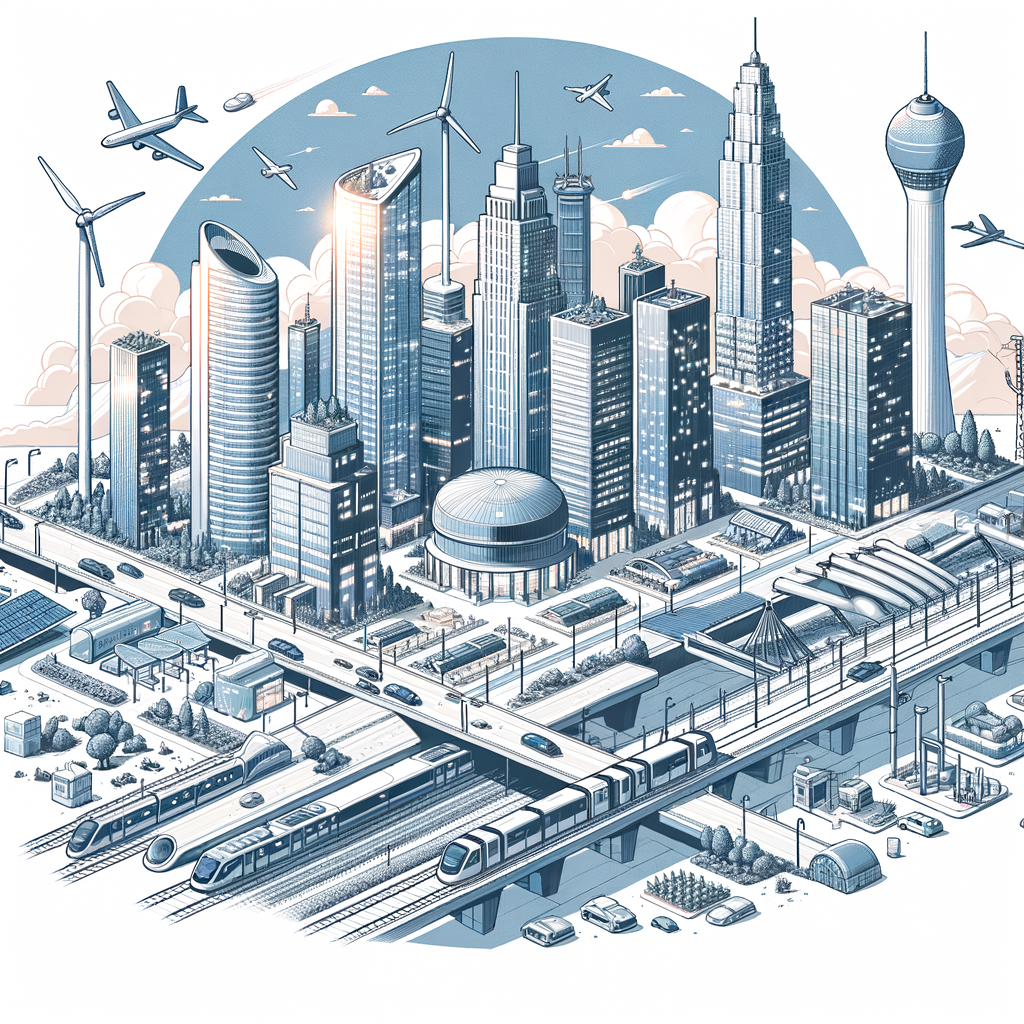
Transportation infrastructure is the backbone of the tourism industry. Efficient transport systems facilitate the movement of tourists across destinations, enhancing their overall experience. Airports serve as gateways for international travelers, welcoming millions of visitors. The presence of well-connected airports with modern facilities can exponentially increase a destination’s appeal. Moreover, other modes of transport, such as high-speed trains and accessible public transportation, further improve accessibility. For example, cities like Tokyo and Paris have developed efficient subway networks, ensuring tourists can navigate the city with ease. By reducing the complexities associated with travel, such systems encourage repeat visits and longer stays.
Furthermore, road networks are essential in linking destinations within a country or region. Well-maintained highways and roads facilitate travel between urban attractions and rural escapes, allowing tourists to experience a variety of sights with ease. Consider scenic drives along the California coast or the well-connected roadways of New Zealand; these are integral to the tourism experience and offer unrivaled exploration opportunities.
Accommodation Infrastructure
Accommodation is another crucial component of urban infrastructure supporting tourism. A diverse range of lodging options, from luxury hotels to budget hostels, allows destinations to cater to different traveler demographics. High-quality accommodation plays a significant role in destination competition. The hospitality industry must ensure that facilities are not only comfortable and safe but also offer unique experiences reflecting the locale’s culture and traditions.
In many cities, accommodation options extend beyond traditional hotels and encompass boutique lodging, serviced apartments, and even unique experiences like historical bed and breakfasts or eco-friendly resorts. Cities such as Amsterdam and Copenhagen have embraced sustainable accommodations, which focus on minimizing environmental impact, thus appealing to the growing segment of eco-conscious travelers. Developing and maintaining robust accommodation infrastructure is vital for urban areas to host large-scale events such as conventions, sports events, or cultural festivals, which significantly boost tourism.
Utility and Service Infrastructure
Utilities such as water supply, energy, waste management, and telecommunications are often overlooked but vital to tourism infrastructure. Reliable utilities ensure that tourists have access to basic amenities, contributing to a comfortable experience. Effective waste management systems are crucial for maintaining the cleanliness and appeal of a city, while uninterrupted power and internet connectivity are prerequisites for modern-day travelers, especially those who combine leisure with work.
Incorporating advanced technologies into these systems can further enhance efficiency. Smart city initiatives are increasingly being adopted where infrastructure and technology create a connected environment. For instance, Barcelona has integrated sensor-based technologies to manage resources sustainably, providing tourists with information-rich services through mobile applications. Such initiatives not merely enhance tourist experiences but also demonstrate a city’s commitment to sustainable development.
Recreational and Cultural Infrastructure
The allure of a destination is often defined by its recreational and cultural offerings. Urban infrastructure development in this regard includes museums, parks, theaters, and sports arenas, among other facilities. These venues provide avenues for engagement and learning opportunities for visitors, often being the highlights of a trip. Complexes like Museum Island in Berlin are perfect examples of urban spaces rich in cultural assets, attracting millions of tourists seeking knowledge and inspiration.
Cities invest heavily in maintaining and enhancing these infrastructures to support a diverse range of activities. Urban parks and green spaces add value to tourist experiences by offering tranquility amidst bustling city life, often becoming iconic symbols themselves. For example, New York’s Central Park or London’s Hyde Park offers relaxation and recreational opportunities, encouraging longer tourist stays. Similarly, event-specific infrastructures like Olympic stadiums or concert halls draw international visitors, providing a significant influx of economic activity.
Future Trends in Urban Infrastructure and Tourism
The relationship between urban infrastructure and tourism is constantly evolving. As globalization advances and technology continues to develop at breakneck speed, cities must adapt to remain competitive. The future of urban infrastructure in tourism is likely to revolve around sustainability, digitization, and resilience to unforeseen challenges like pandemics or climate change.
Sustainable infrastructure has become a requirement. Travelers increasingly prioritize destinations conscious of environmental footprints. The development of green spaces, adoption of green building standards, and investment in renewable energy sources are trends that are already influencing tourism infrastructure planning.
Moreover, digitalization is revolutionizing tourism infrastructure. Smart technologies and data analytics improve service efficiency, personalize tourist experiences, and streamline operations. Smart infrastructure can meet tourists’ increasing expectations for service speed, engagement, and ease of planning their travel experiences.
Lastly, building resilient infrastructure is pivotal in mitigating risks from global challenges. The COVID-19 pandemic highlighted the vulnerabilities in urban settings; learning from such events, cities are investing in enhancing healthcare facilities, ensuring supply chain resilience, and building infrastructures that can withstand adverse conditions.
Conclusion
Urban infrastructure undeniably plays a vital role in supporting and sustaining the tourism industry. From transportation systems that make travel feasible and enjoyable, to accommodations providing comfort and unique experiences, to utilities ensuring a seamless flow of services, each component is crucial. Recreational and cultural infrastructures enrich tourist engagement and contribute significantly to the economic and social vibrancy of a city. As cities continue to aspire to be premier tourist destinations, they must make concerted efforts in upgrading and expanding their urban infrastructures.
The adoption of sustainable practices, utilization of cutting-edge technologies, and reinforcement of infrastructure resilience will serve as cornerstone strategies for cities looking to strengthen their tourism sector. Policymakers, urban planners, and industry stakeholders must collaborate to innovate infrastructure solutions that enhance tourist satisfaction and attraction while promoting environmental and social sustainability. As the world evolves, so too must our cities, embracing the interconnectedness of tourism and infrastructure to drive economic growth and cultural exchange. Ultimately, the infrastructure decisions we make today will profoundly shape the tourism landscapes of tomorrow, ensuring that cities remain vibrant and inviting locales for generations of travelers to come.
Frequently Asked Questions
1. What role does urban infrastructure play in enhancing the tourism experience?
Urban infrastructure plays a monumental role in enhancing the tourism experience by providing the necessary framework that ensures convenience, safety, and enjoyment for tourists. This infrastructure includes transportation systems such as airports, railways, and road networks that enable easy access to and movement within a destination. Moreover, robust and efficient public transportation in urban areas can enrich a tourist’s experience by simplifying travel within the city, reducing reliance on private or rental vehicles, and allowing them to explore more destinations at a lower cost and with less stress.
Beyond transportation, urban infrastructure encompasses facilities like hotels, restaurants, and entertainment venues, all of which cater to the needs and desires of tourists. Adequate utility systems, including water, sewer, and power services, ensure that these facilities can operate smoothly and efficiently. Furthermore, safety and security infrastructure, such as well-lit streets, police presence, and health services, contribute significantly to the overall feeling of safety and comfort for visitors, allowing them to enjoy their trips with peace of mind.
The presence of cultural and recreational infrastructure, such as museums, parks, and theaters, further enhances the attractiveness of an urban area as a tourist destination. These facilities not only offer entertainment options but also provide educational and cultural enrichment, connecting tourists to the locale’s history and identity. By investing in and maintaining quality urban infrastructure, cities can create a welcoming atmosphere that appeals to a broad spectrum of tourists, encouraging longer stays and repeat visits.
2. How does transportation infrastructure support tourism in urban areas?
Transportation infrastructure is the backbone of tourism in urban areas as it ensures that tourists can easily access and traverse the destinations they aspire to explore. Efficient transportation infrastructure, such as international airports, bustling seaports, and interconnected rail networks, enable tourists to reach urban areas quickly and safely from anywhere in the world. Moreover, once these visitors arrive, the availability of extensive and reliable public transport systems – encompassing buses, trams, subways, and cycling lanes – facilitates seamless intra-city travel.
This infrastructure significantly reduces travel time and enhances convenience, allowing tourists to maximize their exploration and engagement with the local culture, sites, and attractions. Furthermore, improved transportation options empower tourists to visit not just the main attractions, but also lesser-known areas that can offer unique and authentic experiences. This diversity of accessible activities and locations can significantly bolster a city’s reputation as a dynamic and tourist-friendly destination.
Furthermore, transportation infrastructure needs to be designed with an eye on sustainability to maintain the ecological balance in urban areas. Cities investing in green public transport options such as electric buses, enhanced bicycle routes, and pedestrian-friendly pathways support both environmental conservation and tourist satisfaction. In essence, transportation infrastructure doesn’t just serve a functional purpose in tourism but also enriches the overall visitor experience through its efficiency, accessibility, and sustainability.
3. Why is accommodation infrastructure crucial for urban tourism development?
Accommodation infrastructure is a fundamental aspect of urban tourism development because it directly impacts where tourists choose to stay and how they perceive a destination. The variety, quality, and availability of accommodations – ranging from luxury hotels to budget hostels and quaint boutique lodgings – cater to diverse tourist preferences and budgets, which in turn attracts a broader audience to urban areas. High-standard accommodations provide comfort and convenience, thereby elevating the overall tourist experience and satisfaction.
Moreover, accommodation facilities often offer more than just a place to sleep. These establishments are designed to provide amenities and services that include dining options, entertainment, meeting spaces, and leisure activities like spas or gyms, which collectively enhance the tourist experience. This holistic environment encourages longer stays and repeat visits, bolstering the local economy.
Accommodations that prioritize sustainability, such as those implementing energy-efficient practices and responsible waste management, resonate particularly well with environmentally-conscious travelers. This alignment with modern ecotourism trends not only helps preserve the city for future generations of tourists but also enhances the city’s image as a progressive and responsible urban destination. Ultimately, by ensuring a high standard and diversity of accommodation options, urban areas can significantly improve their tourism appeal and competitiveness.
4. In what ways can utility infrastructure impact the tourism sector in cities?
Utility infrastructure – including water supply, sanitation, electricity, and waste management systems – plays a pivotal role in the tourism sector by ensuring that cities are able to meet the basic needs of tourists efficiently and effectively. Adequate and reliable utility services support the seamless operation of hotels, restaurants, and tourist attractions, reducing the risk of disruptions that could negatively impact the visitor experience.
For instance, a consistent supply of electricity is essential for the operations of tourist facilities, from powering hotel rooms to ensuring the proper functioning of attractions and entertainment venues. Similarly, effective water supply and sanitation systems are crucial in maintaining hygiene standards and enabling comfortable stays, which are essential factors in tourist satisfaction and their likelihood of recommending a destination to others.
Furthermore, well-managed waste disposal and recycling services are critical for keeping urban tourist areas clean and visually appealing, contributing to the overall image of the city. Tourists are more likely to have pleasant experiences in environments where cleanliness and respect for the environment are visibly prioritized.
Moreover, adopting innovative and sustainable utility solutions such as renewable energy sources, water-efficient technologies, and smart waste management can set cities apart as environmentally-conscious destinations. This not only attracts tourists who value sustainability but also reduces the environmental footprint of urban tourism, making it more sustainable over the long term.
5. How do cultural and recreational infrastructures contribute to urban tourism?
Cultural and recreational infrastructures are essential components of urban tourism because they enrich the visitor experience by providing immersive, educational, and entertaining activities that showcase the identity and heritage of a city. Museums, galleries, historic sites, and monuments allow tourists to connect with the city’s history and culture, offering them a deeper understanding of the place they’ve chosen to visit. These venues often become central highlights of travel itineraries and are key drivers of tourism footfall to urban areas.
Similarly, recreational facilities like parks, theaters, concert halls, and sports arenas offer tourists a range of leisure activities that cater to varying interests. They provide spaces for relaxation or entertainment and can often become arenas for festivals, concerts, and events that tourists specifically travel to participate in. Such events not only attract large groups of visitors but also significantly contribute to the local economy through increased spending on accommodation, dining, and other related services.
Moreover, the presence of vibrant cultural and recreational facilities signals that a city is lively and dynamic, characteristics that are attractive to tourists seeking memorable experiences. Additionally, these infrastructures often generate opportunities for interaction between tourists and residents, further fostering cultural exchange and enhancing the authenticity of the tourist experience. Overall, by investing in robust cultural and recreational infrastructures, cities can not only capitalize on their unique identity but also develop sustainable tourism strategies that attract and satisfy diverse visitor groups.