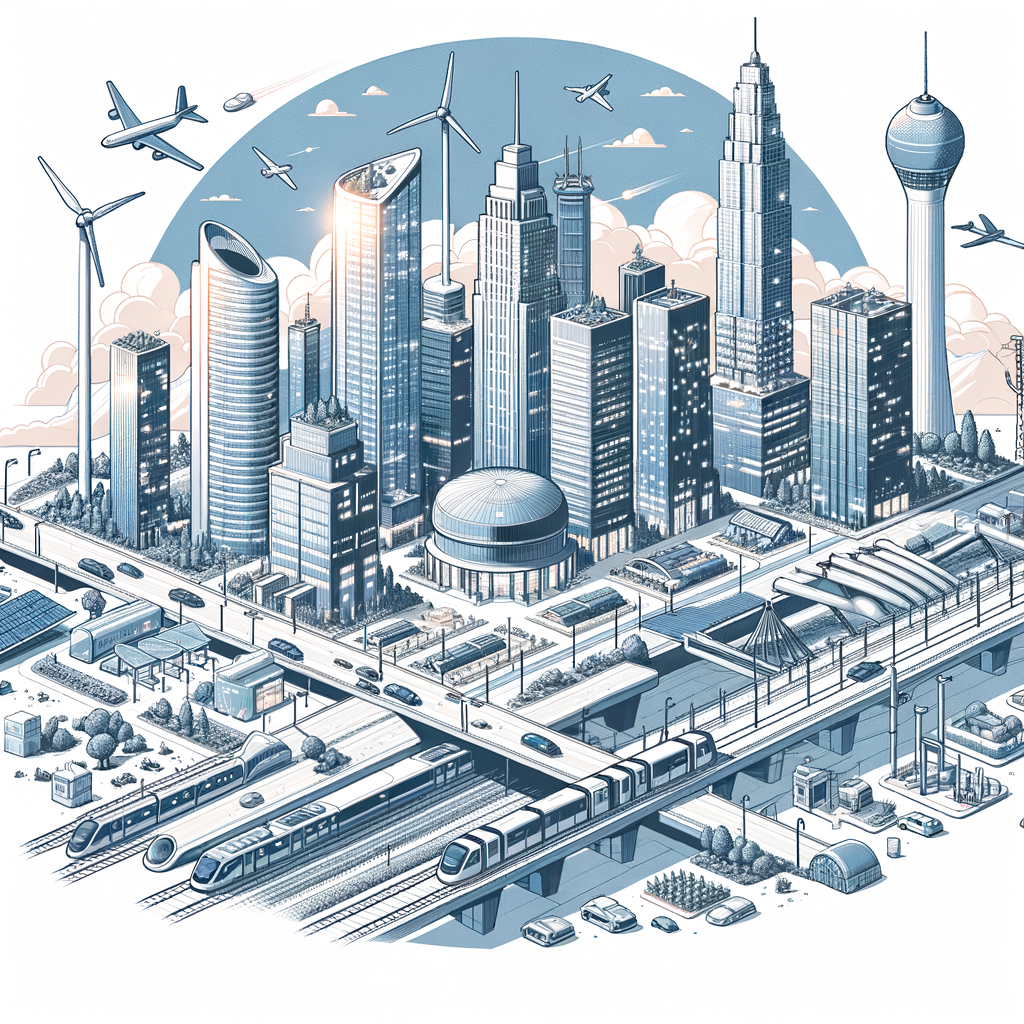
Urban infrastructure plays an integral role in the development and facilitation of trade and commerce within a city. It encompasses the underlying framework that supports a wide array of economic activities, fostering growth, innovation, and connectivity that is vital to modern economies. Historically, urban centers have been the epicenters of commerce due to their dense population centers and accessible infrastructure. Essential components like roads, railways, ports, airports, communication systems, and utilities are the veins through which economic activity flows, enabling the seamless exchange of goods and services. Without robust infrastructure, trade stagnates, affecting economic prosperity and quality of life. Today, as cities around the world undergo rapid urbanization, the demand for efficient infrastructure is at an all-time high. Examination of how urban infrastructure is intertwined with trade and commerce not only highlights its importance but also reveals opportunities and challenges for future development. This article elucidates the pivotal role urban infrastructure plays in supporting economic activities, facilitating trade flows, and fostering commercial interactions that are essential for both local and global markets.
Transportation Networks
Transportation infrastructure is often heralded as the backbone of trade and commerce. Urban areas depend on a well-developed network of roads, railways, airports, and maritime ports to facilitate the movement of goods and people. Roads and highways allow for the efficient transfer of products from manufacturers to markets, playing a crucial part in supply chain logistics. Railways further bolster this network by providing a cost-effective and reliable means of transporting large volumes of goods over long distances. Ports represent crucial entry and exit points for goods, often acting as commercial hubs that connect different parts of the world. Air transport, while more costly, provides swift delivery options that cater to time-sensitive shipments and high-value goods. In an era where speed and efficiency are paramount, delays and disruptions in any part of this network can have far-reaching implications, affecting everything from production schedules to consumer satisfaction. The alignment and integration of these transport systems with urban planning efforts can significantly influence the economic dynamics of a region, encouraging investment and promoting sustained growth.
Communication Systems
In today’s digital age, communication infrastructure serves as a critical enabler of trade and commerce. High-speed internet, mobile connectivity, and robust communication networks facilitate instant communication and data exchange across vast distances. This connectivity underpins many commercial activities by supporting e-commerce, online banking, virtual meetings, and cloud computing. Information Technology has leveled the playing field, allowing even small businesses to reach broader markets with ease. Strong communication systems empower trade negotiations, foster collaboration, and enable businesses to operate more efficiently and with greater agility. In urban centers, where businesses often compete on a global stage, cutting-edge communication infrastructure is a necessity to remain competitive. The rapid pace at which information travels today helps drive innovation, supports decision-making processes, and enhances the customer experience, playing an undeniable role in shaping modern commerce.
Utilities and Basic Services
Utilities such as water, electricity, and waste management are essential components of urban infrastructure that directly impact trade and commerce. Businesses rely on dependable and affordable energy sources to power their operations, from manufacturing facilities to retail outlets. Uninterrupted power supply is crucial for maintaining productivity levels, especially in sensitive sectors like technology and healthcare. Water supply, similarly, is vital for industries ranging from food production to textiles. Efficient waste management systems ensure that urban environments remain conducive to business activities, minimizing the impact of pollution and health risks on the workforce. The availability and quality of these basic services can influence business costs, operational efficiency, and the attractiveness of a location to investors and skilled labor, thus playing an influential role in economic development.
Innovation and Technological Infrastructure
As cities strive to become smart cities, innovation and technological advancements in urban infrastructure are becoming increasingly important. Intelligent transportation systems, smart grids, and IoT-enabled utilities are revolutionizing how trade and commerce operate. These technologies provide greater efficiency, reduce operational costs, and contribute to more sustainable urban environments. For instance, sensors and analytics in traffic management systems can help alleviate congestion, allowing for quicker and more reliable transportation of goods, whereas smart grid technologies boost energy efficiency and reliability. Such infrastructure encourages entrepreneurship and attracts tech-savvy talent to urban areas, paving the way for new business models and digital platforms that can transform traditional commerce, improving economies of scale and boosting economic resilience in the process.
Commercial Space and Land Use
Urban planning also involves the strategic allocation and development of commercial spaces. The zoning of commercial areas, availability of office spaces, and the design of business districts have direct implications for trade and commerce. High-density commercial areas tend to attract businesses due to their proximity to suppliers, customers, and competitors. The clustering of businesses encourages knowledge exchange, competition, and collaboration, thereby fostering innovation and economic vitality. Urban areas must therefore intelligently plan for the development of commercial spaces that meet the current and future needs of businesses. The integration of mixed-use developments can create vibrant environments that benefit workers and residents alike, making cities more livable and attractive for a diverse workforce, further adding to their economic dynamism.
Challenges and Opportunities
While the benefits of robust urban infrastructure in facilitating trade and commerce are clear, significant challenges remain. Many urban areas face issues related to aging infrastructure, funding constraints, and rapid population growth that strains existing systems. Natural disasters, urban sprawl, and environmental concerns like air pollution and carbon emissions pose additional hurdles. To address these challenges, cities need to innovate in their planning, invest in sustainable and resilient infrastructure, and explore public-private partnerships that foster investment in necessary projects. The integration of technology in urban infrastructure offers vast opportunities to overcome these barriers, creating smarter and more responsive systems. Transitioning towards environmentally sustainable infrastructure not only mitigates negative impacts on the environment but also opens up new avenues for green commerce and eco-friendly business practices, scaling up efforts to transition to a more sustainable economy while harnessing longstanding economic strengths.
Conclusion
The role of urban infrastructure in facilitating trade and commerce cannot be understated. It forms the critical framework upon which economies are built, influencing efficiency, competitiveness, and overall economic health. Urban areas that invest in comprehensive, modern infrastructure are more poised to foster significant economic activity, attracting businesses and skilled workforce essential for growth. As cities evolve, maintaining and upgrading infrastructure becomes both a challenge and an opportunity that demands innovation, collaboration, and strategic foresight. Forward-thinking urban planning that combines technology, sustainability, and resilience in the design and maintenance of infrastructure will play a critical role in ensuring that cities continue to thrive and adapt to emerging economic trends. Recognizing the intricate relationship between infrastructure development and economic performance is essential for government stakeholders, city planners, and the business community to develop actionable strategies that support not just commerce and trade, but also future-proof the urban economic landscape, enhancing livelihoods and shaping inclusive urban prosperity.
Frequently Asked Questions
1. What is urban infrastructure, and why is it important for trade and commerce?
Urban infrastructure refers to the foundational facilities and systems serving a city, including transportation (roads, railways, ports, airports), utilities (water supply, sewage, and electricity), and communication systems (internet and telecommunication). This infrastructure is crucial for trade and commerce as it directly impacts a city’s ability to facilitate economic activities. Efficient transportation networks, for example, allow goods and services to be moved seamlessly, reducing costs and saving time for businesses. Reliable utilities ensure that commerce can continue without interruptions, while effective communication systems enable businesses to connect locally and globally, facilitating transactions and expanding markets.
Historically, urban centers have thrived as trade hubs due to their robust infrastructure, which attracts businesses seeking to capitalize on the connectivity and resources these cities offer. The ability to easily access international markets through ports and airports or quickly transport goods across regions through developed road and rail networks is indispensable for modern economies. Thus, infrastructure is not merely supportive but forms the very backbone of commerce in urban settings, fostering an environment ripe for growth, innovation, and sustainable economic development.
2. How does urban transportation infrastructure specifically impact commerce?
Urban transportation infrastructure directly affects commerce by determining how efficiently goods, services, and people move within and beyond a city. Roads, railways, ports, and airports are critical in reducing transportation costs, ensuring timely delivery, and expanding reach both domestically and internationally. High-quality roads and highways facilitate the swift movement of trucks and logistics operations, connecting manufacturers to retailers and consumers. Railways offer an alternative for bulk transportation, effectively linking cities and reducing congestion on highways.
Ports and airports play a pivotal role in global trade, acting as gateways for imports and exports. Ports allow large volumes of goods to enter and leave urban centers, vital for industries reliant on international supply chains. Airports enable fast shipping for time-sensitive products and provide access to global markets, enhancing the competitive edge of businesses. Moreover, efficient public transportation systems benefit commerce by making cities accessible and attractive to a skilled workforce, fueling productivity and innovation. In essence, robust transportation infrastructure is essential for maintaining the flow of commerce, driving economic growth, and ensuring that businesses remain competitive on a global scale.
3. In what ways do communication systems within urban infrastructure facilitate trade?
Communication systems are the lifeline of modern commerce, supporting coordination, marketing, and innovation. In urban areas, reliable communication infrastructure—including high-speed internet, broadband, and mobile networks—is vital for businesses to thrive. These systems enable instant communication, allowing businesses to respond swiftly to market demands, collaborate with partners, and serve customers efficiently.
High-speed internet and mobile networks facilitate e-commerce, which has become a staple of trade and commerce. Companies can reach a global audience at the click of a button, transcending geographical limitations. Communication infrastructure also supports connectivity within supply chains, helping businesses track inventory, manage logistics, and ensure timely delivery to customers. Furthermore, robust communication systems nurture a culture of innovation and entrepreneurship in urban areas by providing platforms for ideas to be shared and developed, allowing startups to compete with established firms on an equal footing.
Overall, communication infrastructure is paramount for businesses to maintain competitiveness, enhance customer satisfaction, and drive innovation, thereby playing a crucial role in the facilitation of trade and commerce within urban centers.
4. What challenges do cities face in maintaining and upgrading urban infrastructure for commerce?
Maintaining and upgrading urban infrastructure is fraught with challenges, particularly as cities continue to grow and evolve. One of the primary challenges is funding, as infrastructure projects are capital-intensive and require substantial investment. Securing the necessary finances from governmental budgets, public-private partnerships, or international loans can often be cumbersome and politically sensitive.
Another challenge is the aging infrastructure in many urban centers, requiring significant upgrades or complete overhauls to meet modern demands. This situation is exacerbated by population growth and increased urbanization, leading to congestion and overuse of existing facilities. Balancing development with environmental and social concerns is also a significant challenge, as urban infrastructure projects can impact communities and ecosystems.
Additionally, integrating modern technology into traditional infrastructure can be complex and time-consuming. Ensuring the resilience of infrastructure to withstand climate change and natural disasters adds another layer of complexity. Urban planners and policymakers must navigate these challenges to create sustainable infrastructure that supports continuous economic growth and adapts to future needs.
5. How can urban infrastructure be developed sustainably to support future commerce?
Sustainable development of urban infrastructure involves creating systems that meet present commercial needs without compromising the ability of future generations to meet theirs. To achieve this, cities must prioritize environmentally friendly infrastructure projects, incorporating green technologies and materials that reduce carbon footprints and promote efficiency.
Investing in smart infrastructure that leverages digital technologies can enhance operational efficiency and resource management. Smart transportation systems, for instance, can optimize traffic flow, reduce emissions, and improve public transit services. Encouraging mixed-use developments reduces the need for extensive transportation, as residential, commercial, and leisure spaces coexist, making cities more walkable and reducing reliance on vehicles.
Public-private partnerships can play a pivotal role in harnessing innovation and financing the development of resilient infrastructure. Engaging communities in planning processes ensures that infrastructure projects address the genuine needs of residents while fostering acceptance and stewardship. Lastly, cities should adopt adaptive planning approaches that allow for flexibility and responsiveness to emerging trends and technologies. By focusing on sustainability, urban infrastructure can continue supporting vibrant commerce for years to come, accommodating growth while preserving the environment.