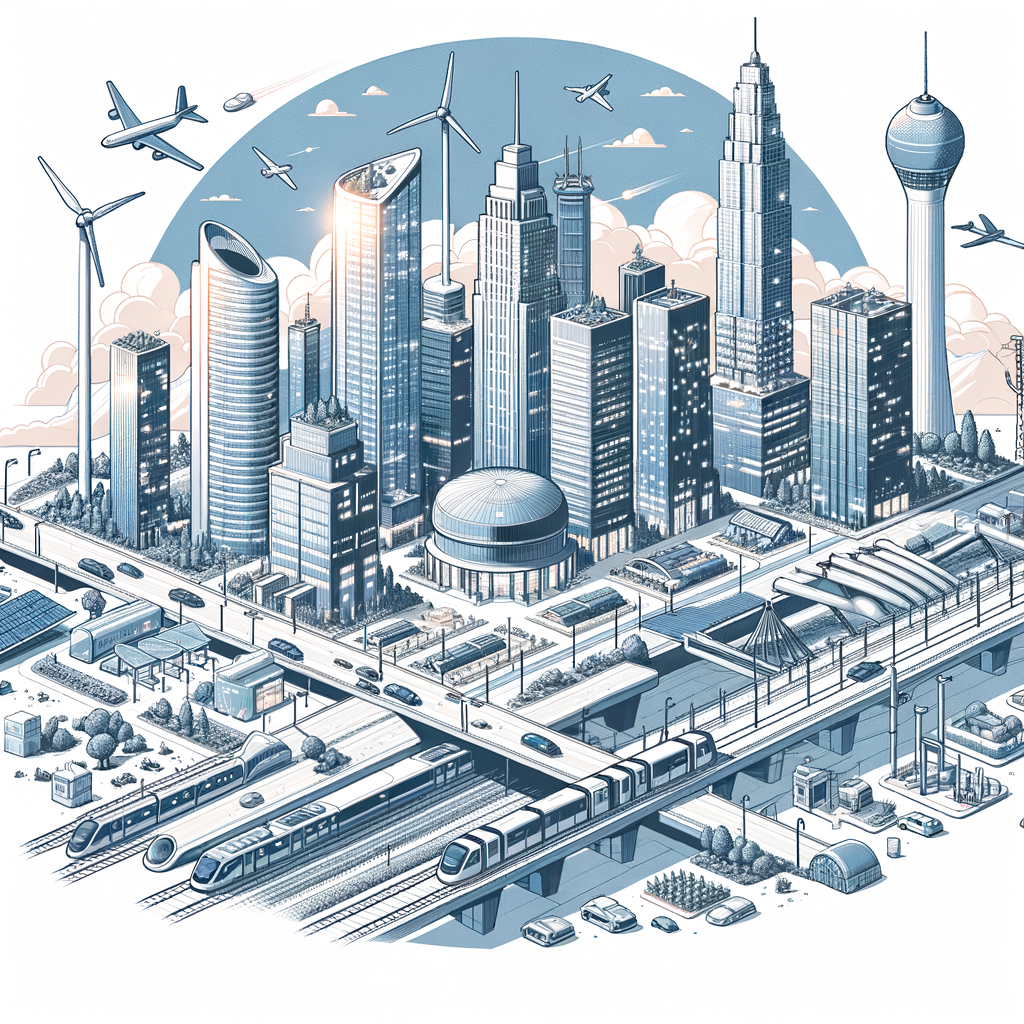
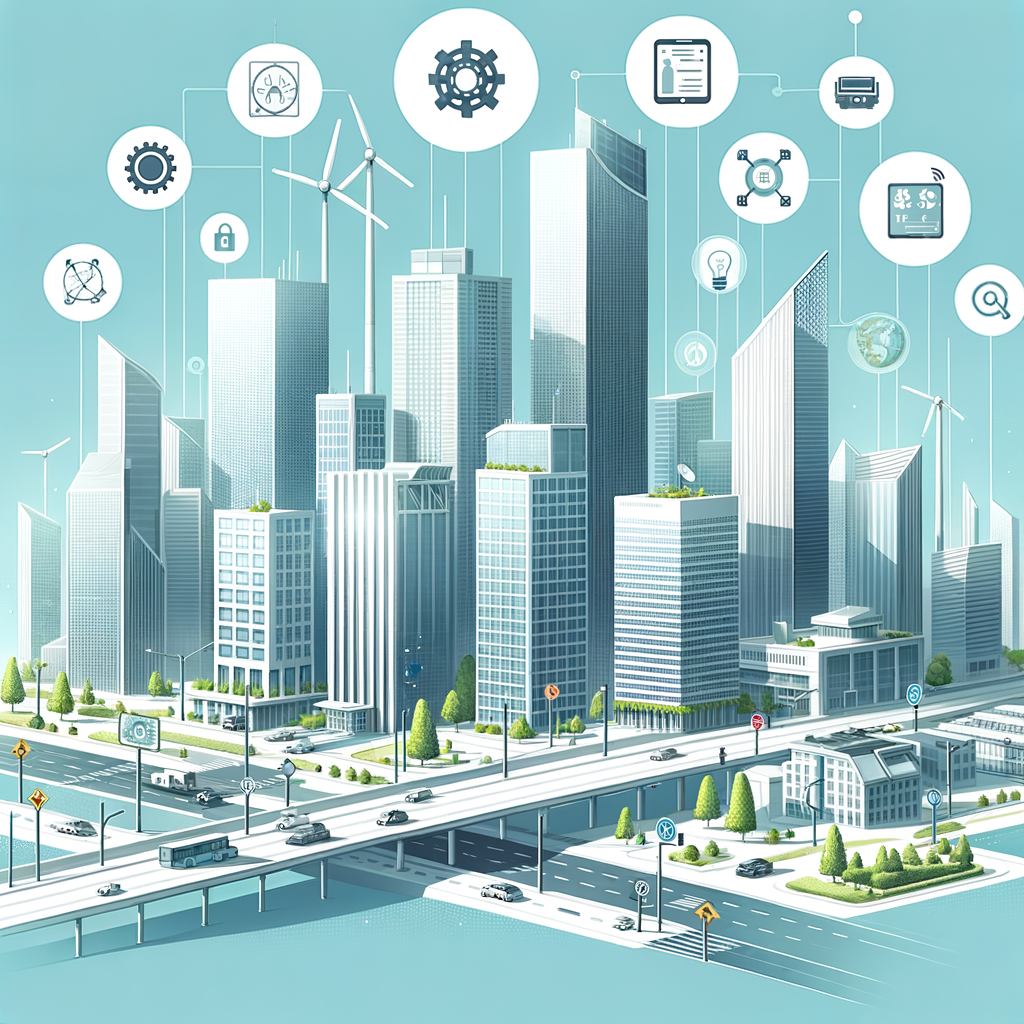
Urban infrastructure underpins cities’ dynamism, facilitating everything from transportation and communication to water and energy systems. As populations grow and urban areas expand, the strains on existing infrastructure intensify, necessitating innovative approaches and materials to address modern challenges. Today’s urban infrastructure projects increasingly call for materials that offer enhanced durability, sustainability, and adaptability to evolving needs. This focus on cutting-edge materials not only aims to improve the lifespan and performance of infrastructure but also seeks to minimize environmental impact and reduce costs over time. Understanding the role and benefits of innovative materials in urban infrastructure is crucial for city planners, engineers, and policymakers aiming to build resilient and future-proof urban environments. In this article, we delve into the transformative potential of these materials, highlighting key innovations that are reshaping the landscape of urban infrastructure projects across the globe.
Sustainable Concrete Innovations
Concrete, a staple of urban construction, has seen significant advancements geared towards sustainability and improved performance. Traditional concrete production is notorious for its carbon emissions; however, new formulations aim to mitigate this environmental footprint. One such innovation is the development of carbon-sequestering concrete, which involves incorporating industrial byproducts like fly ash or slag that absorb CO2 during curing, effectively reducing net emissions. Another exciting development is self-healing concrete, which integrates bacteria or polymers that activate when water seeps into cracks, returning the material to its original state. This self-healing property drastically reduces maintenance needs and extends the structure’s overall lifespan.
Advanced Composite Materials
Advanced composites, while traditionally used in aerospace, are now being adapted for urban infrastructure projects. These materials, often comprised of reinforced polymers, provide high strength-to-weight ratios, making them ideal for constructing bridges, overpasses, and pedestrian pathways. Composite materials are resistant to corrosion and offer significant longevity even in harsh environmental conditions, such as those involving salts or chemicals found in urban environments. The lightweight nature of composites allows for easier transportation and assembly, reducing overall project timelines and labor costs. Furthermore, many composite materials can be recycled or repurposed, contributing to a circular economy and minimizing waste.
Geosynthetics in Urban Development
Geosynthetics include a variety of polymeric products used to solve civil engineering problems. They are increasingly being integrated into projects to enhance soil behavior, provide drainage, and reinforce structures. Notably, geotextiles and geomembranes have become invaluable in the construction of roads, embankments, and foundations, helping to improve soil stabilization. Their applications extend to environmental protection measures, such as lining landfills to prevent leachate contamination or protecting riverbanks from erosion. The use of geosynthetics often results in cost savings due to reduced material requirements and expedites construction processes by allowing for building on poor substrate conditions.
Eco-Friendly Asphalt Alternatives
Traditional asphalt is not only resource-intensive but also contributes to urban heat islands due to its dark color and heat absorption properties. This has led to the introduction of several eco-friendly asphalt alternatives aimed at reducing environmental impact and enhancing urban living conditions. “Cool pavements,” for instance, are designed with reflective materials that decrease surface temperatures, effectively mitigating heat buildup. Additionally, bio-asphalts, made from renewable resources such as vegetable oils or other organic waste, present a sustainable alternative, lowering reliance on petroleum-based products. These innovative asphalt products not only promote environmental stewardship but also extend the lifespan of roads and minimize maintenance disruptions.
Smart Glass and Energy-Efficient Fenestration
Buildings form a significant part of urban infrastructure, and the materials used in their construction play a crucial role in energy efficiency. Smart glass, also known as electrochromic glass, adjusts its transparency in response to ambient light conditions, enabling reduced glare and solar heat gain without compromising natural light availability. This capability significantly lowers the energy requirements for heating, ventilation, and air conditioning (HVAC) systems within buildings. Moreover, advanced glazing technologies, including double or triple-glazing with inert gas fills and special coatings, further enhance insulation and soundproofing properties. By reducing energy consumption, these materials help minimize emissions associated with energy use in urban environments, aligning with sustainability goals.
High-Performance Insulation Materials
The quest for highly insulated, energy-efficient buildings has led to innovations in insulation materials that provide better thermal resistance and are more sustainable than traditional options. Aerogels, known for their lightweight and low thermal conductivity, offer exceptional insulation properties and occupy minimal space, making them ideal for retrofit projects in urban buildings where space is at a premium. Furthermore, vacuum insulation panels (VIPs) present a cutting-edge solution, offering up to seven times the efficiency of traditional insulation materials, like fiberglass or cellulose. As these materials become more accessible, they promise significant reductions in energy use, a cornerstone of sustainable urban development strategies.
Recycled and Upcycled Building Materials
As urban areas work towards zero-waste objectives, the incorporation of recycled and upcycled materials in construction has gained momentum. Recycled metal, for example, is increasingly utilized in building frameworks, offering the same durability as its newly forged counterparts while reducing the demand for virgin materials. Similarly, reclaimed wood finds new life in flooring, paneling, and decorative elements, often adding unique character and warmth to modern buildings. The use of upcycled plastics, transformed into innovative building blocks or insulation, also contributes to pollution reduction and promotes circular economy principles. These practices not only support sustainability efforts but also often result in cost savings for construction projects.
Conclusion
Urban infrastructure projects play a pivotal role in shaping the quality of life in cities worldwide. As the challenges of urbanization grow, the demand for innovative materials that offer sustainability, durability, and efficiency becomes increasingly critical. From sustainable concrete and advanced composites to smart glass and recycled materials, the advancements in this field are nothing short of transformative. These materials not only promise to enhance the performance and lifespan of urban structures but also significantly reduce the environmental impact of construction activities. As cities continue to expand and evolve, adopting these innovative materials will be paramount in building resilient and sustainable urban centers capable of meeting future demands. Embracing these technologies offers not only practical benefits but also reflects a commitment to stewardship and the responsible development of our urban landscapes.
Frequently Asked Questions
1. What are some examples of innovative materials being used in urban infrastructure projects?
In recent years, urban infrastructure projects have seen a significant shift towards utilizing innovative materials that meet the demands of modern cities. Some of these materials include self-healing concrete, which has embedded microcapsules that release a healing agent when cracks form, restoring the concrete’s integrity. Additionally, permeable paving materials are gaining popularity, particularly in regions prone to heavy rainfall. These materials allow water to percolate through, thereby reducing runoff and mitigating flood risks. Furthermore, advanced composites, such as fiber-reinforced polymers (FRPs), are being used to build bridges and overpasses, providing superior strength-to-weight ratios compared to traditional steel or concrete. These materials not only enhance durability but also reduce maintenance costs over the lifecycle of the infrastructure.
2. How do innovative materials contribute to sustainability in urban infrastructure projects?
Innovative materials play a critical role in advancing sustainability within urban infrastructure projects. For instance, the use of recycled materials, such as aggregates derived from demolished buildings, minimizes the demand for virgin resources and reduces landfill waste. High-performance insulation materials, like aerogels, improve energy efficiency in buildings by reducing heat loss, thereby cutting down on energy consumption and greenhouse gas emissions. Moreover, the development of bioplastics from renewable biomass is replacing conventional plastics, reducing the carbon footprint associated with polymer production. By incorporating these and other sustainable materials, urban infrastructure can meet current needs without compromising the ability of future generations to meet theirs.
3. How are adaptive materials changing the face of urban infrastructure?
Adaptive materials are transforming urban infrastructure by providing the ability to respond dynamically to environmental changes and usage demands. For example, thermochromic materials, which change color with temperature variations, are used in smart windows for buildings. These windows can modulate light and heat transmission based on outdoor conditions, enhancing occupant comfort and reducing energy use. Another example is the incorporation of phase-changing materials in road surfaces that absorb and release heat, helping to prevent frost and ice accumulation. These adaptive solutions allow infrastructure to be more resilient and versatile, ensuring that cities can better cope with both routine and extreme conditions.
4. What challenges do urban infrastructure projects face when integrating innovative materials?
While innovative materials hold great promise, they also present several challenges when being integrated into urban infrastructure projects. One significant barrier is the initial cost, as new materials often come with higher upfront expenses compared to traditional options. Additionally, since many of these materials are still emerging, there can be a lack of long-term performance data, which makes stakeholders hesitant to adopt them widely. Compatibility with existing infrastructure and construction practices also needs careful consideration, as not all new materials can be seamlessly integrated into current systems. Moreover, regulatory hurdles and the need for standardized testing processes can delay the acceptance and implementation of innovative materials. Overcoming these challenges requires collaboration across industries, government support, and a willingness to invest in life-cycle analysis and pilot projects.
5. What role does technology play in the development and application of innovative materials for urban infrastructure?
Technology is at the heart of developing and applying innovative materials for urban infrastructure projects. Advances in nanotechnology have led to the creation of materials with enhanced properties such as increased strength, corrosion resistance, and self-cleaning capabilities. For example, nanomaterials are being developed to create coatings that repel graffiti and stains, reducing maintenance costs for urban structures. Additionally, 3D printing technology is revolutionizing construction by allowing for the creation of customized components more quickly and with less waste, using materials like eco-friendly concrete mixes. Digital tools such as Building Information Modeling (BIM) enable better planning and simulation of how innovative materials will perform in real-life scenarios, promoting more efficient design and execution. As technology continues to evolve, it will undoubtedly yield even more materials and approaches that further revolutionize urban infrastructure.