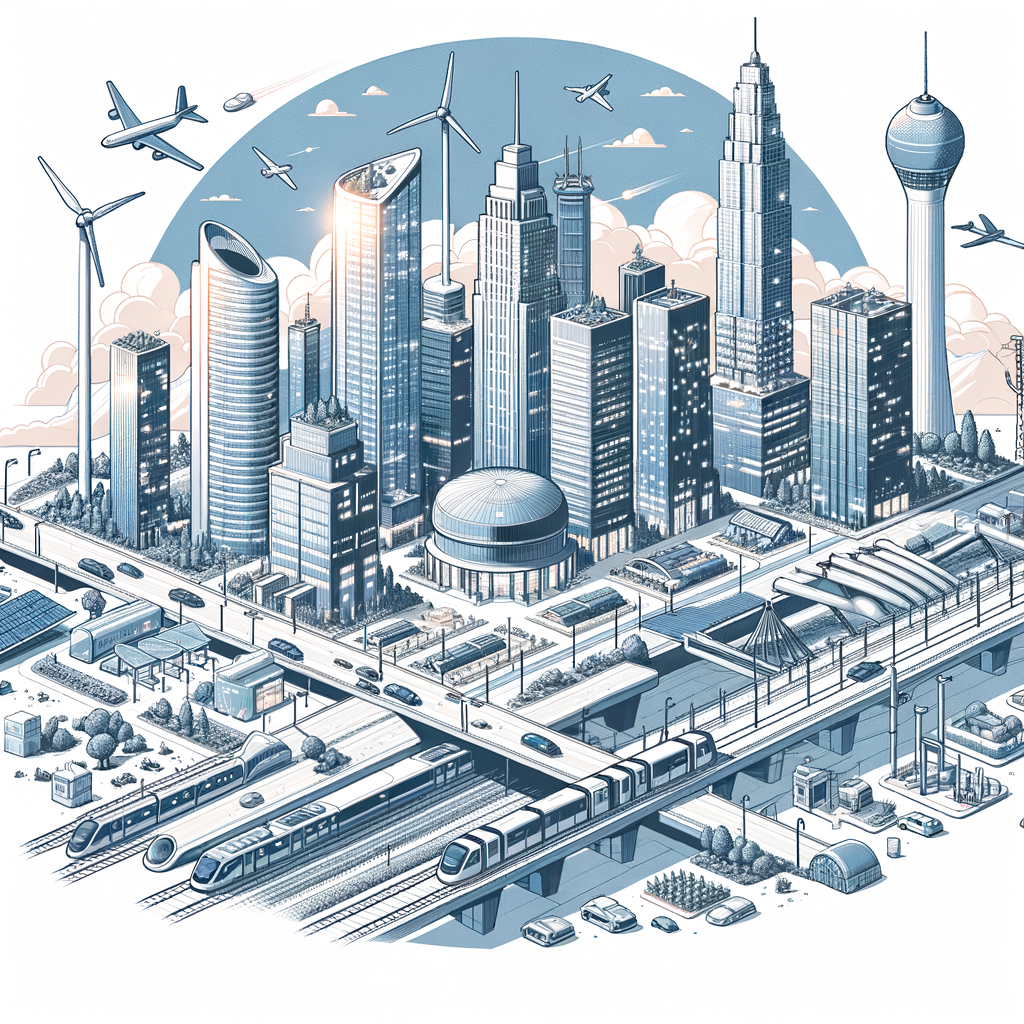
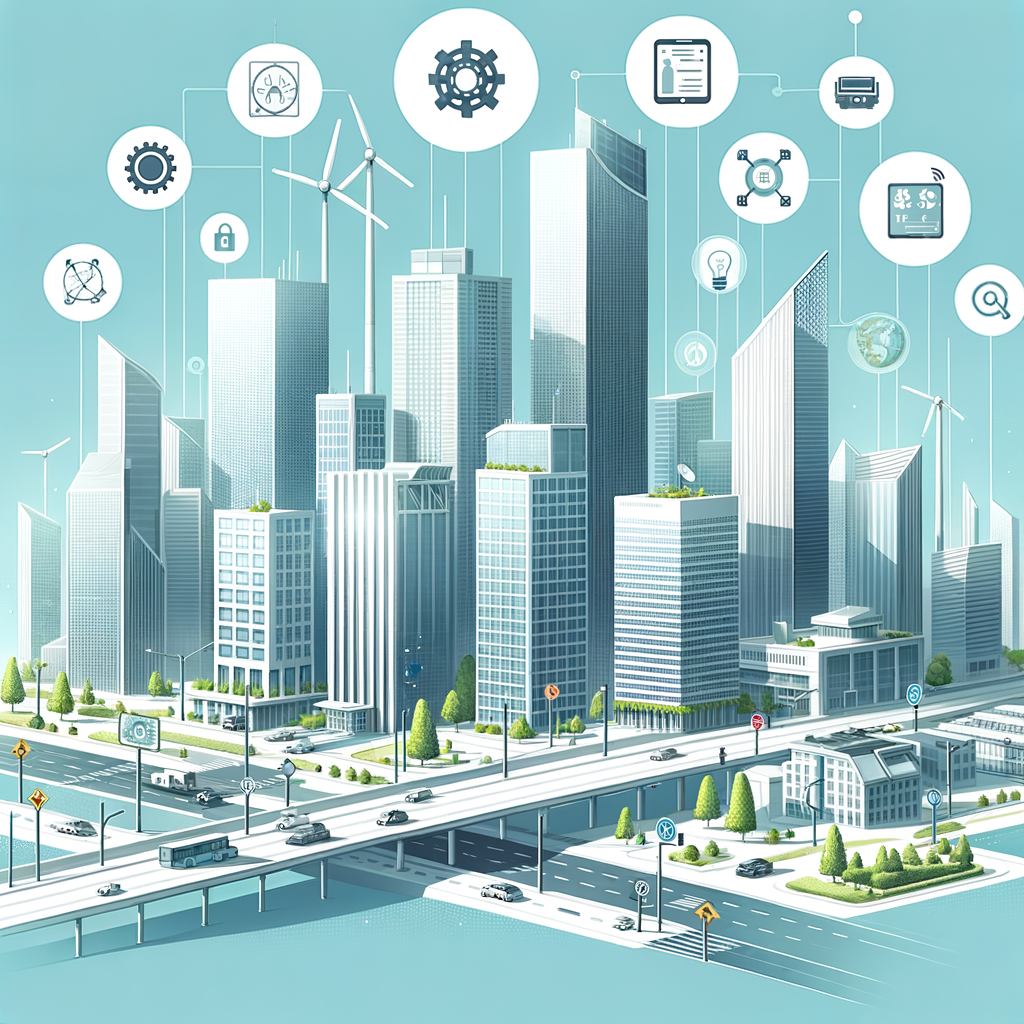
Urban infrastructure is the backbone of modern civilization, playing a crucial role in facilitating the various functions of city life. As urban areas continue to expand at an unprecedented rate, it becomes vital to address the growing challenges associated with building and maintaining infrastructure that is both efficient and sustainable. This need has brought about a significant focus on enhancing energy efficiency within urban infrastructure, which is essential for reducing environmental impact, improving quality of life, and ensuring long-term economic growth. Furthermore, as cities are responsible for a substantial share of the world’s energy consumption, increasing their energy efficiency can contribute significantly to global efforts aimed at combating climate change.
Energy efficiency in urban infrastructure involves optimizing the consumption of energy while maintaining or improving the quality of services provided. This process requires a multi-faceted approach, integrating advanced technologies, smart planning, and effective governance. By leveraging cutting-edge innovations and strategic policies, urban planners can develop infrastructure that meets the demands of contemporary urban life without exhausting finite resources or compromising environmental integrity. This article delves into the intricacies of urban infrastructure and energy efficiency, exploring various strategies to enhance energy conservation, the role of technology, and the impact of policy measures. These aspects are critical to understanding how cities can evolve to become cleaner, greener, and more livable spaces.
The importance of energy efficiency in the context of urban infrastructure extends beyond sustainability and environmental stewardship. It bears significant economic ramifications, as reducing energy consumption can result in cost savings for municipalities, businesses, and citizens alike. As infrastructure components such as transportation systems, buildings, and utilities account for significant energy use, improving their efficiency becomes a priority for urban centers aiming to boost competitiveness and attract investment. Furthermore, prioritizing energy efficiency can also enhance urban resilience in the face of adversities like natural disasters and resource scarcity.
Ultimately, the trajectory of urban infrastructure and energy efficiency reflects the broader challenges and opportunities facing global urbanization today. It calls for a comprehensive understanding of the interconnected systems that make up modern cities and a commitment to forge pathways towards sustainable, energy-efficient urban growth. Through this exploration, stakeholders from various sectors can gain valuable insights into strategies and initiatives driving the transition towards smarter urban infrastructures.
Enhancing Energy Efficiency in Urban Infrastructure
To effectively enhance energy efficiency within urban infrastructure, one must consider several pivotal domains where improvements can be made. Among these, transportation, the built environment, and utility infrastructures such as water and energy distribution systems make substantial contributions to energy consumption. Each domain demands a tailored approach that marshals technological innovation and supportive policies.
The transportation sector is a significant energy consumer in urban settings. Implementing efficient public transportation systems, however, can minimize reliance on personal vehicles and reduce overall energy use. For instance, developing and expanding electric bus networks and light rail systems can provide cleaner alternatives to traditional fuel-powered transportation. Furthermore, enhancing infrastructure for non-motorized transport, like cycling and walking, can effectively promote environmentally friendly commuting practices.
In addition to these strategies, the integration of intelligent transportation systems (ITS) and traffic management technologies can further bolster energy efficiency. By employing sensors, connectivity, and data analytics, cities can optimize traffic flow, reduce congestion, and enhance fuel efficiency. These solutions not only diminish energy waste but also improve travel times and reduce emissions, contributing positively to urban air quality.
The built environment, comprising residential and commercial buildings, is another area with vast potential for energy efficiency improvements. Green building practices, including the use of high-performance insulation, efficient lighting, and energy-saving HVAC systems, are key measures that can significantly curtail energy consumption. Moreover, building automation systems can monitor and control energy use in real-time, ensuring optimal performance and minimizing waste.
Retrofitting existing buildings is just as crucial as designing new structures with energy efficiency in mind. This process involves upgrading older facilities with modern technologies to reduce energy use. Government incentives and subsidies can encourage property owners and businesses to undertake retrofitting projects, ultimately leading to substantial energy savings at a city-wide level.
Meanwhile, utility infrastructures, encompassing both energy generation and distribution networks, play a crucial role in urban energy efficiency. Transitioning to renewable energy sources such as wind, solar, and biomass is fundamental for reducing urban carbon footprints. On one hand, decentralized energy systems, like rooftop solar panels, promote energy self-sufficiency and lessen the load on centralized grids.
On the other hand, smart grid technologies offer advanced methods to monitor, distribute, and manage energy efficiently. These systems can dynamically adjust to demand fluctuations and integrate various energy sources, thereby optimizing energy delivery and minimizing losses. Grid modernization is a vital component of urban infrastructure that ensures reliability, resilience, and energy efficiency in the face of increasing demand and climate-related challenges.
Water management systems also benefit from advancements in energy efficiency. Implementing smart water networks, which use sensors and real-time data to monitor supply and demand, can significantly reduce energy use in water treatment and distribution. Additionally, strategies to reclaim and reuse wastewater reduce the overall energy burden on municipal water systems.
Technological innovation is a driving force behind energy efficiency advancements in urban infrastructure, yet policy measures are equally important in creating an enabling environment. Governments and local authorities must establish regulatory frameworks and standards that incentivize energy-efficient practices and technologies. Implementing energy codes and standards for new constructions, promoting energy-efficient appliances, and mandating public disclosure of energy performance are some policies that can foster more conscientious energy use.
Public-private partnerships and urban partnerships play a critical role in advancing energy efficiency projects. By collaborating, cities can leverage private sector expertise, resources, and capital to implement large-scale initiatives. These partnerships can drive innovation, enhance project feasibility, and ensure sustained progress towards energy-efficient goals.
Educating citizens and raising awareness about energy conservation is another vital aspect of improving urban infrastructure efficiency. Community outreach programs, incentives for sustainable practices, and information campaigns can effectively encourage residents and businesses to adopt energy-efficient behaviors and play an active role in reducing urban energy consumption.
One landmark initiative for energy-efficient urban development is the concept of ‘smart cities.’ These cities harness information and communication technology to optimize the delivery of services while minimizing resource consumption. By integrating infrastructure components and utilizing real-time data, smart cities can intelligently manage energy resources, streamline operations, and enhance residents’ quality of life.
Urban centers embarking on the transition to smart cities often employ various Internet of Things (IoT) devices and sensor networks to collect and analyze data on urban energy use. This data-centric approach provides insights into consumption patterns, allowing decision-makers to identify areas for improvement and implement targeted measures to enhance efficiency.
The role of urban agriculture in achieving energy efficiency in cities is gaining recognition as well. By engaging in local food production, cities can reduce the carbon footprint associated with food transportation and support energy-efficient supply chains. Vertical farms, rooftop gardens, and community-supported agriculture are some methods being implemented to cultivate produce within urban environments.
The progress of urban infrastructure and energy efficiency depends in part on the development and availability of innovative financing models. Green bonds, revolving funds, and energy performance contracts are examples of mechanisms that can provide the necessary capital for implementing energy-saving projects. These financing models can reduce financial barriers and spur investments in sustainable urban development.
Conclusion
The dynamic urban landscape presents formidable challenges and promising opportunities for enhancing energy efficiency in infrastructure development. As cities grow and evolve, the demand for sustainable, energy-efficient solutions becomes more pressing. By focusing on sectors such as transportation, the built environment, and utility infrastructures, urban planners and stakeholders can achieve substantial energy savings and drive sustainable growth.
For infrastructure to reach optimal levels of energy efficiency, a synergistic approach involving technology, policy, and community engagement is essential. Cities must embrace innovative technologies like smart grids, intelligent transportation systems, and green building practices to minimize energy use effectively. In parallel, governments must enact policies and incentives that support energy efficiency goals, motivating citizens and businesses to take responsible action.
Importantly, collaboration among public agencies, private sector players, and local communities is pivotal in executing comprehensive energy efficiency strategies. Shared visions and resources can help cities overcome the complexities of urbanization while ensuring that developments align with broader sustainability targets. Moreover, by fostering an environment of continual learning and adaptation, urban centers can remain resilient and responsive to future demands.
Ultimately, the enhancements of urban infrastructure and energy efficiency are not isolated objectives but integral facets of the larger quest for sustainable development. As cities harness innovation and collaboration to reduce energy consumption, they lay the groundwork for more sustainable economic, environmental, and social futures. Through intentional efforts to rethink and redesign urban frameworks, cities worldwide can serve as beacons of progress toward a greener, more efficient, and more livable world.
The drive for energy-efficient urban infrastructure unfolds as a global imperative. Every step forward enables cities to fulfill their potential not only as engines of growth but also as frontline actors in safeguarding the planet’s health and ensuring the well-being of all inhabitants. With collective commitment and strategic action, the future of urban living promises enhanced energy efficiency, sustainability, and vitality for generations to come.
Frequently Asked Questions
1. Why is energy efficiency important in urban infrastructure?
Energy efficiency is crucial in urban infrastructure because it helps reduce the amount of energy required to maintain the functioning of cities, thereby decreasing the carbon footprint and mitigating environmental impacts. As cities grow, the demand for energy increases, leading to higher greenhouse gas emissions if not managed properly. Implementing energy-efficient practices in urban infrastructure—such as using energy-efficient materials, smart grids, and renewable energy sources—can dramatically cut down on these emissions. This, in turn, contributes to combating climate change, improving air quality, and fostering sustainable growth.
Furthermore, energy efficiency leads to cost savings at both individual and municipal levels. For city governments, the costs saved from reduced energy demand can be redirected to other vital civic projects such as education and healthcare. For residents, decreased energy usage directly lowers utility bills, thus making city living more affordable. Additionally, energy-efficient systems often require less maintenance and have a longer operational life, providing long-term economic benefits.
2. What are some common barriers to achieving energy efficiency in urban infrastructure?
While the benefits of energy efficiency are abundantly clear, several barriers can hinder its widespread adoption in urban infrastructure. Foremost among these are financial constraints. Initial investments in energy-efficient technologies and infrastructure can be substantial, and without sufficient funding or incentives, cities may struggle to prioritize these over shorter-term projects. High upfront costs can be particularly daunting for cash-strapped municipalities or small businesses operating on tight budgets.
Additionally, there is often a lack of awareness or understanding about the potential long-term benefits of energy efficiency. Without proper knowledge, stakeholders may undervalue or ignore energy-efficient solutions. This is sometimes compounded by a lack of policy support or regulatory frameworks that incentivize or enforce energy efficiency standards.
Moreover, retrofitting existing infrastructure with energy-efficient technologies can be challenging due to technical limitations or logistical issues. For instance, upgrading outdated building systems or overhauling transportation networks requires careful planning and expertise, which might not always be readily available.
3. How can cities implement energy-efficient solutions in their infrastructure?
Cities can implement energy-efficient solutions in their infrastructure through a multi-faceted approach that involves both technological innovation and policy reforms. One effective strategy is integrating smart technology into urban systems, such as intelligent lighting, automated traffic controls, and energy management systems that can adapt in real-time to changing conditions, optimizing energy consumption.
Emphasizing the development and deployment of renewable energy sources—such as solar, wind, and geothermal power—into the urban grid is another critical step. This can be supported by innovative initiatives like establishing rooftop solar programs or community renewable energy projects, which further reduce reliance on fossil fuels.
Collaboration with private sector partners and local communities is also key. Public-private partnerships can leverage additional funding and expertise, while community engagement ensures that energy-efficient practices align with local needs and preferences. Furthermore, creating comprehensive policies and regulations that encourage energy efficiency, such as building codes mandating energy performance standards, can greatly facilitate progress.
4. What role does technology play in enhancing energy efficiency within urban infrastructure?
Technology plays an integral role in enhancing energy efficiency within urban infrastructure by providing smarter solutions that optimize the use and management of resources. Advanced technologies, such as the Internet of Things (IoT), artificial intelligence (AI), and big data analytics, allow for better monitoring, control, and prediction of energy usage patterns across various infrastructure components.
For example, smart meters and sensors can provide real-time data on electricity, water, and gas consumption, enabling utilities and consumers to identify usage patterns and waste points. AI can be employed to analyze this data, offering predictive insights that help forecast demand and optimize energy distribution, thus reducing waste and improving efficiency.
In building management, automated systems can adjust heating, ventilation, and air-conditioning (HVAC) systems dynamically based on occupancy and weather conditions, substantially cutting down energy wastage. Additionally, smart grid technology allows for more efficient energy distribution by adjusting the power supply dynamically to meet demand while reducing load and transmission losses.
5. Can energy-efficient urban infrastructure contribute to economic growth?
Yes, energy-efficient urban infrastructure can significantly contribute to economic growth. By lowering energy consumption, cities can reduce costs associated with energy generation, transmission, and distribution, leading to significant savings. These savings can be reinvested into other critical infrastructure projects, helping stimulate local economies.
Moreover, the transition to energy-efficient urban environments creates new job opportunities in sectors such as green construction, renewable energy, and technology development. The demand for skilled workers capable of designing, deploying, and maintaining energy-efficient solutions can lead to the growth of sustainable industries and spur innovation.
A further economic benefit stems from increased investments. Cities demonstrating a strong commitment to sustainability and energy efficiency can attract businesses and residents interested in greener practices, boosting the local economy. Additionally, such cities may have access to international funding and economic incentives aimed at promoting sustainable development. Overall, by fostering an environment conducive to sustainability, cities pave the way for a resilient and thriving economic future.