Urban sprawl is a vast and complex issue, affecting countless cities around the globe. As populations grow, the need for expansive growth becomes apparent, leading to the spread of low-density development in regions surrounding urban centers. This sprawl can lead to a myriad of challenges, including increased traffic congestion, loss of agricultural land, environmental degradation, and strained public resources. One of the critical ways to address these issues—and potentially mitigate urban sprawl—is through the development and enhancement of urban infrastructure. By investing in well-planned infrastructure, cities can offer a higher quality of life while preserving the environment and maintaining economic viability. Understanding the role that urban infrastructure plays in controlling and minimizing urban sprawl is crucial for city planners, policymakers, and communities worldwide. This article explores the importance of urban infrastructure in combating urban sprawl, examining the specific types of infrastructure that contribute to this effort and the benefits they provide. By delving into these topics, we can better appreciate the power of infrastructure in shaping a sustainable urban future.
The Impact of Urban Infrastructure on City Growth
At the core of urban planning lies the development of infrastructure that supports the growth and sustainability of urban areas. The design, efficiency, and adaptability of this infrastructure play a pivotal role in shaping communities and influencing the spread of urban areas. Infrastructure, in this context, refers to the physical and organizational structures that facilitate the operation of a society, including transportation systems, utilities, public services, and more.
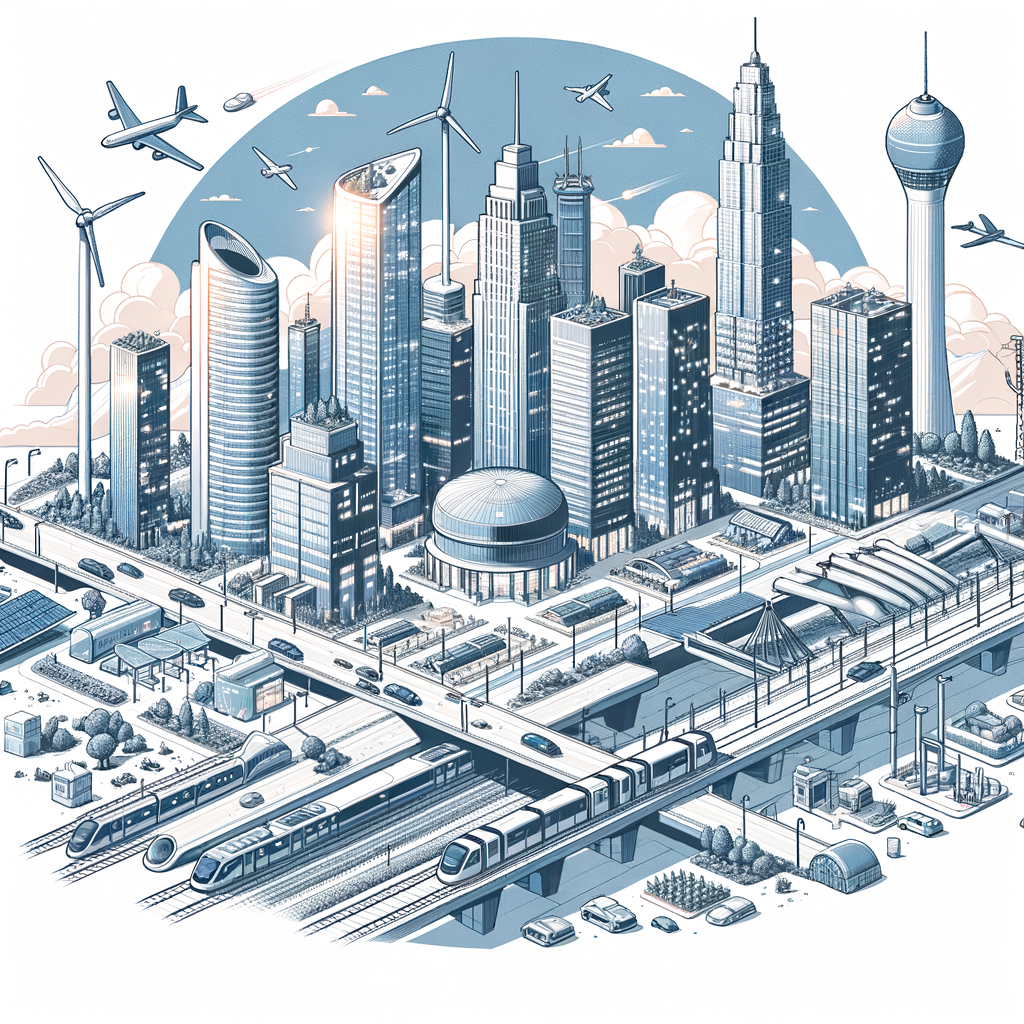
Transportation infrastructure is often at the forefront of discussions on urban sprawl. Effective transportation systems can reduce the necessity for urban expansion by promoting more efficient land use within already-developed areas. Public transit options like buses, subways, and trams are critical in minimizing the need for private vehicle use and reducing traffic congestion. By providing reliable, accessible, and efficient transit options, cities can encourage denser development, meaning that residents and businesses are more likely to remain within the city rather than fleeing to outlying areas.
Utilities infrastructure, including water, waste, and energy systems, also plays a significant role. Proper utility management ensures that cities can handle growth without environmental degradation. Efficient waste management systems reduce pollution, while sustainable energy architectures can decrease cities’ carbon footprints. Urban centers that adopt green technologies often see reduced expansion pressure, as these advancements can be integrated into existing areas, thus preventing the need to develop new lands.
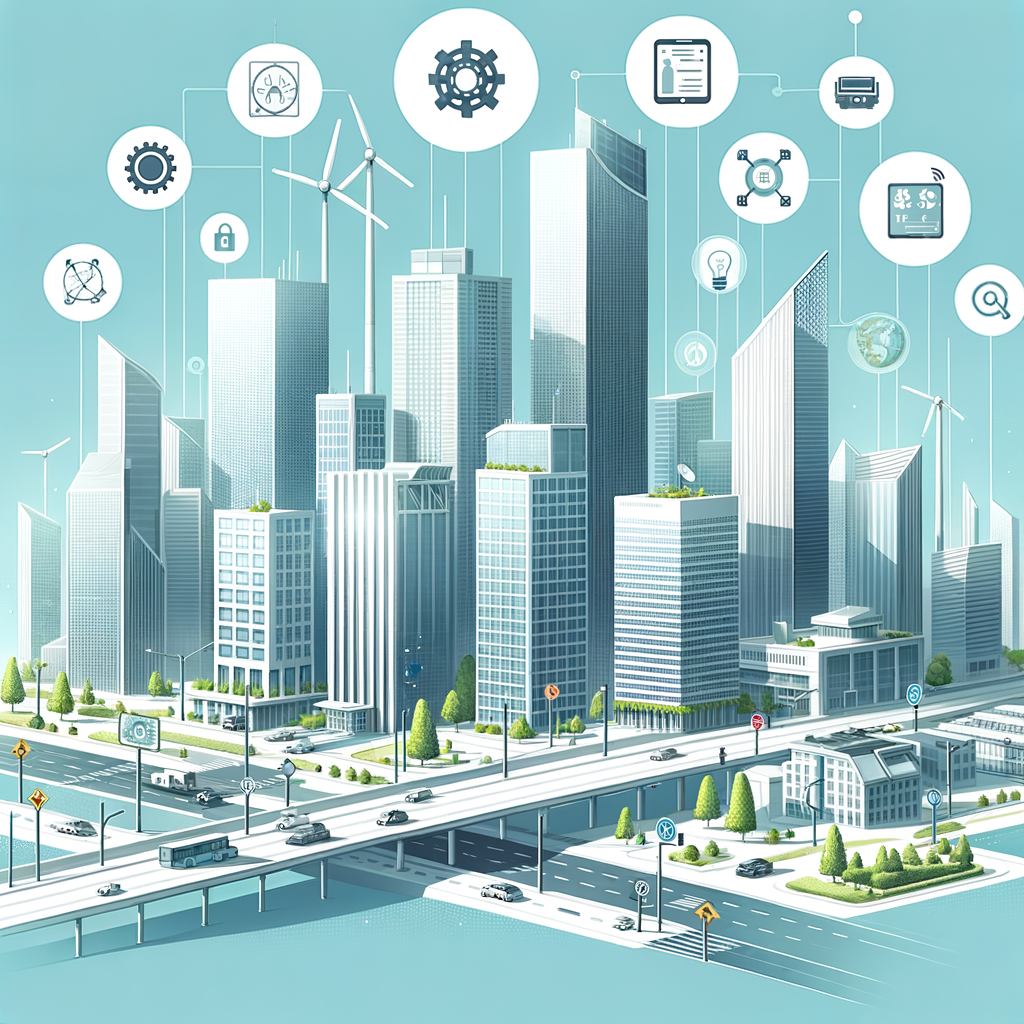
Another critical aspect is information and communication technology (ICT) infrastructure, which aids in smart city development. ICT contributes to managing resources efficiently, optimizing traffic flows, and improving public safety, all of which are attractive features for urban citizens and businesses. As urban areas become more connected, the necessity for expansion decreases, since a well-integrated city provides everything residents need, reducing the need to seek space elsewhere.
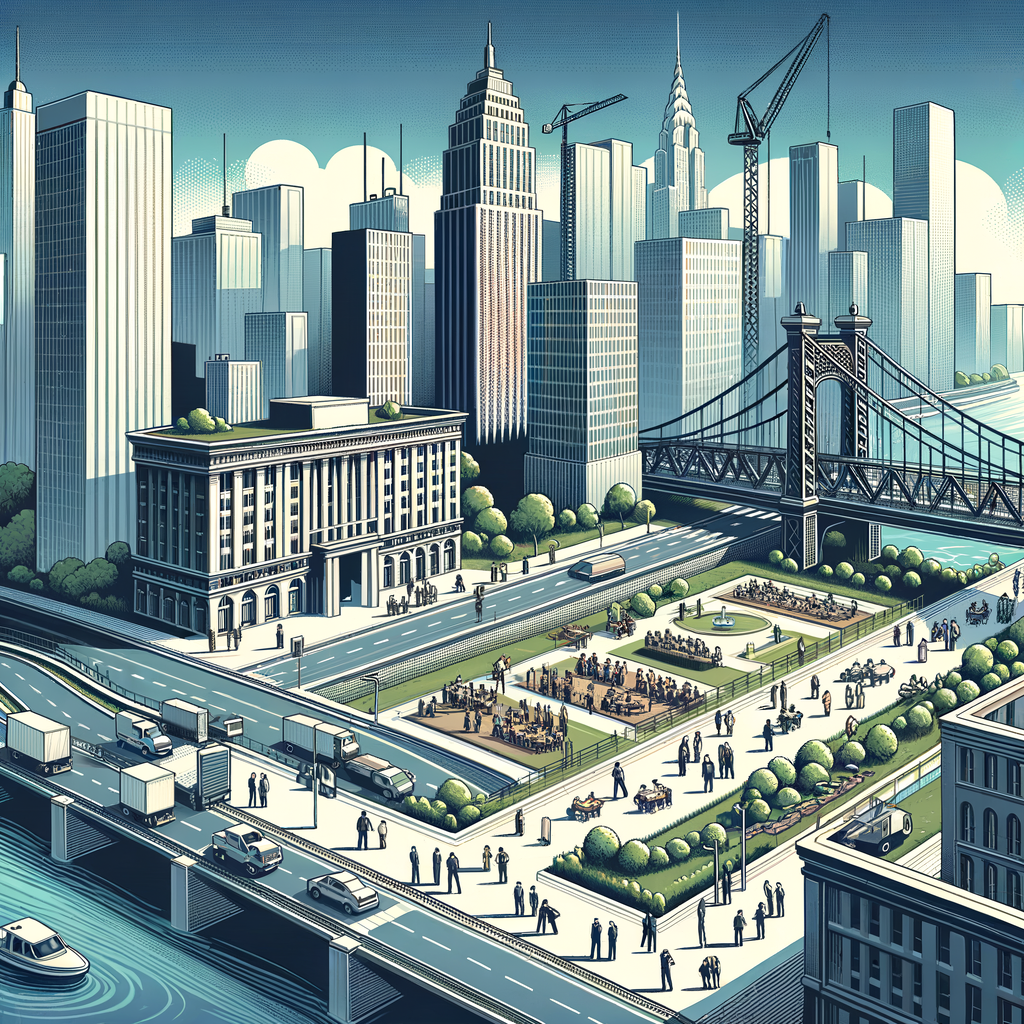
Urban planning and zoning policies also interact with infrastructure to influence urban sprawl. Thoughtful urban design that incorporates green spaces, mixed-use development, and pedestrian-friendly environments can limit outward growth. When policymakers prioritize investments in local amenities and services, they help create vibrant communities that discourage sprawl. These elements, when combined with strong infrastructure, make urban areas more attractive and functional, reducing the pressure to find land outside the city.
Reducing Dependency on Personal Vehicles
A significant contributor to urban sprawl is the dependency on personal vehicles. This reliance often drives individuals and families to settle in suburban or exurban areas, far from their workplaces or other daily needs. Increasing the attractiveness and accessibility of urban areas can effectively mitigate this trend.
Public transit systems, when effectively designed and robustly managed, offer a practical solution to vehicle dependency. Cities that prioritize the development of comprehensive transportation networks, including light rail systems, efficient bus routes, and bike-sharing programs, find that residents are more likely to remain within urban boundaries. Investments in these areas not only enhance urban infrastructure but also provide a financially viable alternative to personal vehicles.
Moreover, the integration of transportation hubs within residential and commercial zones supports a live-work-play environment, reducing the need for long commutes. Mixed-use developments, characterized by the proximity of residential, retail, and commercial spaces, encourage people to walk, cycle, or utilize public transit rather than rely on cars. This reduces the distance people need to travel, therefore controlling sprawl.
Parking policies also influence urban expansion. Cities that enforce stricter parking regulations and reduced parking requirements can encourage higher-density developments. Revenue generated from parking fees can be reinvested in public transportation, further enhancing the infrastructure and providing a positive feedback loop that supports urban density over sprawl.
All these measures tie into the broader objective of creating cities that are less dependent on automobiles, thereby fostering environments where compact growth is achievable and sustainable. As transportation infrastructure adapts to incorporate these strategies, urban sprawl can be significantly curtailed.
Environmental Considerations and Infrastructure
The impact of urban sprawl on the environment is profound, often resulting in the disruption of ecosystems, loss of biodiversity, and increased pollution levels. Urban infrastructure can help alleviate these effects by managing growth in environmentally conscious ways.
Green infrastructure, such as parks, green roofs, urban gardens, and protected natural spaces, plays a crucial role. These features not only enhance the aesthetic value of urban areas but also serve practical purposes, like managing stormwater, reducing the urban heat island effect, and improving air quality. By integrating green spaces into urban planning, cities can enhance residents’ quality of life while preserving ecosystems, thus discouraging expansion into undeveloped land.
Technological innovations within the environmental infrastructure also contribute to mitigating sprawl. Water conservation systems, sustainable waste management practices, and renewable energy sources, such as solar and wind power, allow cities to function more efficiently within their existing boundaries. Implementing energy-efficient standards for buildings and infrastructure promotes sustainable growth while maintaining environmental integrity.
Urban forestry initiatives and the creation of wildlife corridors promote biodiversity and connect fragmented habitats, addressing environmental concerns associated with urban growth. These initiatives not only preserve ecosystems but also attract tourism and investment, strengthening local economies and further disincentivizing sprawl.
Furthermore, adaptive re-use of existing structures can contribute significantly to stopping urban sprawl. By repurposing old buildings, cities can reduce the need for new land development and minimize environmental impact. This approach maximizes space within current urban boundaries, leveraging existing infrastructure and reducing the demand for expansion.
Economic and Social Aspects of Infrastructure in Mitigating Sprawl
Investments in urban infrastructure are not solely about physical development; they also encompass economic resilience and social equity. Well-functioning infrastructure supports economic growth by attracting businesses and enhancing productivity through improved connectivity and accessibility. These factors can help curb urban sprawl by creating more job opportunities within urban boundaries, reducing the incentive for businesses and employees to relocate to suburban areas.
The construction and upkeep of urban infrastructure generate employment, while the commercial activity supported by this infrastructure contributes to a vibrant, economically sustainable city. Businesses tend to cluster around efficient infrastructure, supporting the notion of economies of scale, which reduces costs and increases competitiveness. This agglomeration decreases the need for spreading out, which is a key characteristic of sprawl.
Social infrastructure, including schools, hospitals, community centers, and recreational facilities, is also vital. Investing in these areas ensures communities have access to quality public services, fostering a sense of belonging and economic stability that deters outward migration. By creating inclusive public spaces and fostering social cohesion, cities become places people do not wish to leave, further preventing spread.
Equity in infrastructure development also plays a critical role in mitigating urban sprawl. When underserved communities are provided with the necessary infrastructure and services, it reduces disparities and enhances overall urban resilience. Designing cities that are accessible and equitable enables all citizens to thrive, reducing the necessity for some populations to seek opportunities outside of urban centers.
Conclusion
The framework of urban infrastructure encompasses a breadth of elements that collectively have the power to influence patterns of growth and development within urban areas. As cities worldwide grapple with the challenges posed by urban sprawl, it becomes increasingly important to regard infrastructure as both a tool and a strategy for fostering sustainable urban development.
Investments in transportation, utilities, and environmentally-friendly technologies can effectively channel growth into existing urban areas, reducing the pressure for outward expansion and ensuring city centers remain vibrant and economically viable hubs. Furthermore, integrating green and social infrastructure fosters an inclusive urban environment, addressing environmental concerns while supporting a high quality of life for all residents.
Ultimately, urban infrastructure plays an integral role in defining the future of our growing cities. By focusing on strategic, sustainable infrastructure development, we can create urban environments that not only meet the needs of the present but also preserve resources and opportunities for future generations. Engaging communities, policymakers, and stakeholders in this endeavor is essential for crafting comprehensive solutions to urban sprawl, steering development patterns toward a more resilient, environmentally sustainable path.
The journey towards sustainable urban growth is multifaceted, requiring a holistic approach to infrastructure, guided by intelligent planning and forward-thinking policies. By prioritizing efficient, equitable, and eco-friendly infrastructure, cities can counteract the adverse effects of urban sprawl, fostering a thriving urban future.
“`htmlFrequently Asked Questions
1. How does urban infrastructure play a role in mitigating urban sprawl?
Urban infrastructure is critical in mitigating the challenges posed by urban sprawl. Firstly, it encompasses transportation systems, such as public transit networks, that can reduce the dependency on private vehicles. By offering efficient and accessible public transport, cities can encourage higher density living within urban centers, which helps to contain sprawl. Furthermore, well-designed infrastructure can provide essential services like water, sewage, and energy in a manner that supports denser communities. Thoughtful zoning and land-use planning, which are significant components of urban infrastructure, ensure that cities expand vertically rather than horizontally, preserving open space and reducing environmental degradation.
2. Can investing in public transportation really make a difference in controlling urban sprawl?
Yes, investing in public transportation is a powerful tool in controlling urban sprawl. Reliable and wide-reaching public transit systems can reduce car dependency, which is a significant driver of sprawl. When people have access to efficient and convenient public transport options, they are more likely to choose living situations closer to these networks, supporting higher density neighborhoods. Additionally, high-quality public transportation encourages the development of mixed-use areas, where residential, commercial, and recreational spaces coexist. This approach not only limits the physical land consumption typical of sprawl but also enhances the quality of urban life by reducing traffic congestion and pollution.
3. What are some examples of urban infrastructure that help reduce environmental impacts of sprawl?
Several types of urban infrastructure help lessen the environmental impact associated with urban sprawl. Green infrastructure, for instance, incorporates natural systems into urban planning, such as parks, green roofs, and community gardens, which help to manage stormwater and improve air quality. Additionally, smart grid technology can optimize energy distribution and reduce consumption, minimizing the environmental footprint of urban areas. Sustainable water management systems, like wastewater recycling and rainwater harvesting, ensure efficient use of water resources. Moreover, building pedestrian and bicycle-friendly pathways not only encourages sustainable modes of transport but also promotes a healthier urban environment by reducing emissions linked to vehicle use.
4. How do zoning laws contribute to the fight against urban sprawl?
Zoning laws are one of the most essential tools in combating urban sprawl. They dictate how land can be used and influence the density and design of urban areas. By promoting mixed-use development through zoning, cities can create more cohesive communities where people live closer to their workplaces, schools, and essential services. This reduces the need for long commutes and supports higher density living. Furthermore, zoning laws can protect valuable natural resources and agricultural lands by prohibiting their conversion into low-density developments. Through incentives and regulations, zoning can guide urban growth in a manner that conserves open spaces and farmland while fostering vibrant, diverse communities within the urban core.
5. What role does technology play in modern urban infrastructure to prevent sprawl?
Technology is reshaping urban infrastructure in ways that actively prevent and mitigate the effects of urban sprawl. For instance, smart city technologies integrate data from infrastructure systems to optimize urban planning and resource use. Technologies like GIS (Geographic Information Systems) allow for better spatial planning and monitoring of land use changes. Additionally, smart transportation systems can efficiently manage traffic flows and encourage the use of public transport. Innovative construction technologies, such as modular and prefabricated building components, can make the development of denser, more efficient urban housing feasible. By leveraging data and smart solutions, cities can create more connected, sustainable communities, thereby reducing sprawl.
“`