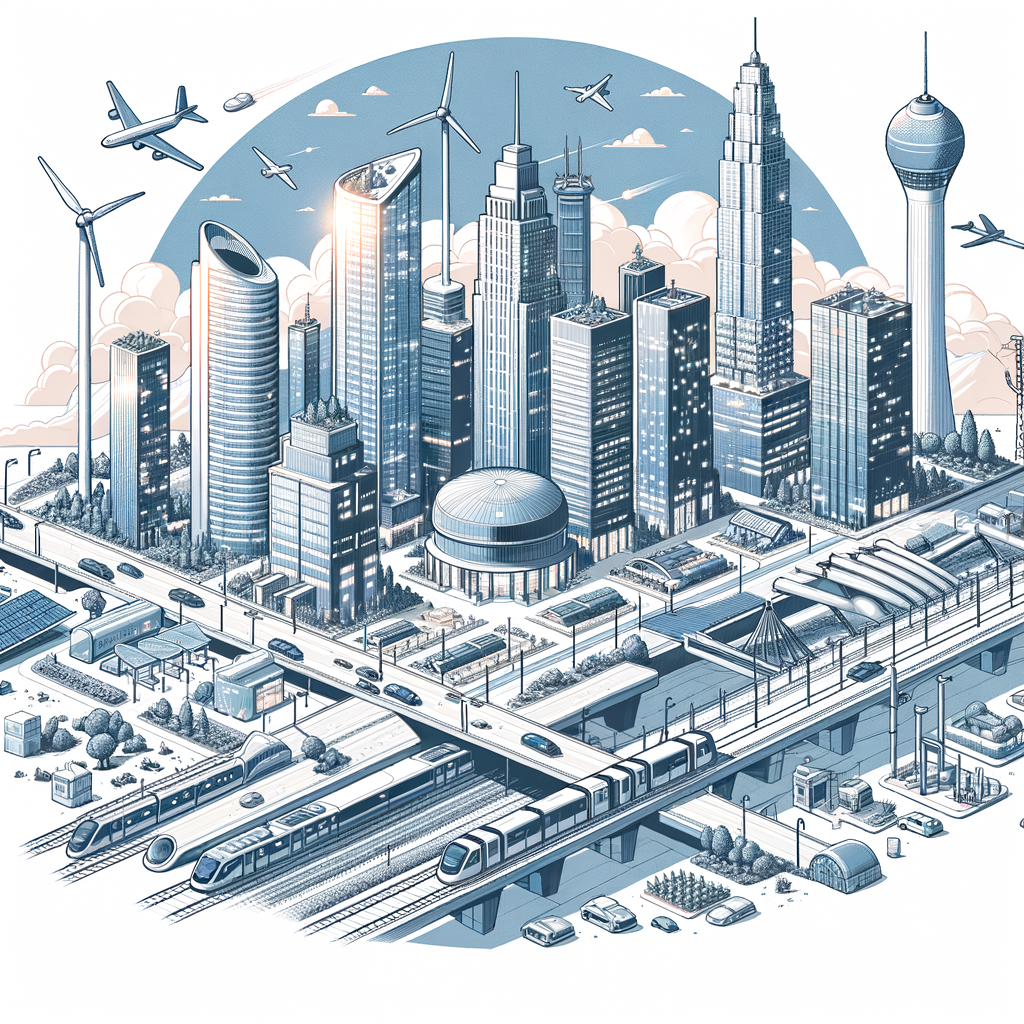
Public transit infrastructure plays a crucial role in shaping the vibrancy, sustainability, and functionality of urban landscapes worldwide. Cities are complex ecosystems where millions of people live, work, and engage in various activities. A well-developed public transit system can alleviate many of the stresses associated with urban living, such as traffic congestion, environmental pollution, and social inequality. Furthermore, public transit systems represent a city’s commitment to improving its residents’ quality of life and fostering inclusive economic growth. These systems are particularly significant in the face of expanding urban populations, which pose challenges to existing transportation networks. Providing efficient, affordable, and reliable public transportation is an imperative for modern cities to prosper. It ensures equitable access to opportunities and services, ultimately enhancing the city’s competitiveness and boosting economic development.
The push towards more robust public transit infrastructure begins with understanding its inherent importance. How exactly does public transit transform cities? How does it contribute to economic development, environmental sustainability, and social inclusion? What are the challenges and opportunities that urban planners face in this arena? This exploration seeks to address these questions, emphasizing why investing in public transit is not merely a logistical necessity but a cornerstone for urban prosperity.
The Economic Impact of Public Transit
One of the most significant benefits of public transit infrastructure is its powerful influence on economic development. Public transportation systems connect people to jobs, education, and services while fostering local business growth. By facilitating efficient movement across the city, public transit reduces travel costs for labor, helping widen the employment pool for businesses. This accessibility increases productivity by allowing workers to reach their jobs more efficiently, contributing to economic outputs. Moreover, businesses located near public transportation nodes often see increased foot traffic, leading to higher revenues. Urban areas with well-developed transit systems attract investment, spur regional development, and have a strong competitive edge in the global market.
Public transit infrastructure projects also create many jobs, from construction to maintenance, extending beyond the initial stages of development. These opportunities percolate through the economy, starting at a localized level and expanding. Additionally, the permanence of transit infrastructure increases property values and bolsters local tax bases, further reinforcing economic vigor. Consequently, cities with robust transit systems can leverage them to stimulate regions struggling with economic downturns, crafting a narrative of revitalization and growth.
Environmental Benefits of Public Transit
The environmental advantages of public transit are profound and indispensable in combating the climate crisis. Cities are hotbeds of energy consumption and carbon emissions. Transitioning populations from private vehicle travel to public transportation results in reduced greenhouse gas emissions and decreases reliance on fossil fuels. This transition significantly cuts urban pollution levels, offering a cleaner air quality and a healthier living environment.
In addition, high-capacity vehicles such as buses, trams, and trains consume less energy per passenger mile compared to individual cars, making energy use much more efficient. This aspect is particularly beneficial in densely packed urban areas where space is at a premium. As cities plan for the future, integrating renewable energy sources with public transit systems further enhances eco-efficiency. Urban planning initiatives that encourage compact community development around transit hubs, referred to as transit-oriented development (TOD), promote sustainable growth and reduce the environmental impact of urban sprawling.
Social and Community Equity
Public transit systems are pivotal in promoting social and community equity by providing all city residents equal access to essential services regardless of their income level. In many cases, individuals from low-income and marginalized communities rely heavily on public transit for daily commuting, access to education, and healthcare services. Reliable transit access is instrumental in decreasing disparities in access to resources and opportunities, creating a more unified urban landscape.
Additionally, public transportation bridges social divides and connects neighborhoods, fostering greater community interaction and engagement. A city that commits to enhancing its public transit infrastructure demonstrates a dedication to inclusivity and social justice by prioritizing mobility for all. Equitable transportation options contribute to reducing the systemic barriers that different groups face, promoting a fairer and more inclusive society.
Challenges Facing Public Transit Systems
Despite the clear benefits of public transit infrastructure, numerous challenges must be addressed to capitalize on its full potential. Foremost, adequate funding remains a significant hurdle. Building, expanding, and maintaining transit systems necessitate considerable investment, which can be daunting for cities facing budget constraints. Effective collaborations between public bodies, private entities, and international organizations are essential for securing the necessary funds.
Furthermore, aging infrastructure in many cities adds pressures in maintenance and upgrades, highlighting the need for a robust strategy that prioritizes resilience and sustainability. Moreover, ensuring safety, cleanliness, and reliability is vital—public perception profoundly influences transit use, underscoring the need for punctual services, clean facilities, and secure environments.
Another challenge is integrating diverse modes of transport into a unified and efficient network, which requires thorough planning and strategic execution. The introduction and adoption of technology within transport systems, such as digital ticketing and real-time updates, offers improvements in user experience, yet demands investment in infrastructure and staff training.
Lastly, urbanization trends pose scalability challenges, often resulting in demand outstripping supply and necessitating constant adaptation to evolving needs. Collaboration with urban planners is crucial to meet the demands of growing urban populations, envisioning strategies that accommodate future growth while still serving present-day needs.
Opportunities for Innovation and Growth
While challenges abound, they simultaneously present opportunities for innovation and transformative growth in public transit systems. Smart technologies offer exciting prospects for the evolution of urban transit infrastructures. The implementation of big data analytics, AI, and IoT can revolutionize real-time traffic management, predictive maintenance, and user-centric service delivery, ultimately enhancing system efficiency and user satisfaction.
Innovations such as autonomous vehicles present a glimpse into a future where flexible and dynamic routes could complement traditional public transportation models. Moreover, electric buses and trains epitomize the drive toward an environmentally friendly future, reinforcing cities’ commitments to carbon neutrality and sustainable practices.
Collaboration across sectors brings fresh ideas and investment potential to the table. Integrated urban mobility systems that combine biking, walking, and public transports offer seamless end-to-end journeys, thus encouraging more people to adopt sustainable modes of transport in their daily routines. By embracing the global trend toward sustainable and smart cities, urban areas catapult themselves into acting as incubators for the next generation of public transit solutions.
Conclusion
In conclusion, public transit infrastructure is undeniably an essential component of modern cities, offering myriad benefits that extend into economic, environmental, and social spheres. It acts as an economic catalyst by connecting individuals to opportunities and encouraging regional development, while simultaneously reducing carbon emissions and fostering a more inclusive society. The challenges associated with expanding and modernizing public transit systems are formidable, but they provide cities with opportunities to adopt innovative technologies and approaches that elevate them to new heights.
Investments in public transportation are investments in the city’s future, laying the foundations for sustainable growth and enhanced living quality for all residents. As urban areas continue to grow and evolve, public transit infrastructure becomes increasingly indispensable in forming cohesive, equitable, and environmentally responsible urban societies. Pursuing resilient, efficient, and integrated transit systems ensures that cities can meet future demands, positioned as leaders in sustainable development with a holistic vision of urban prosperity.
The endeavor of enhancing public transit infrastructure is an ongoing journey, but one that promises bountiful rewards. Engaging cities, policymakers, communities, and innovators together can unlock the transformative potential of public transit, solidifying its role as a linchpin in realizing vibrant, sustainable, and livable urban futures globally.
Frequently Asked Questions
Why is public transit infrastructure so important for urban areas?
Public transit infrastructure is the backbone of urban mobility and essential for the overall health of a city. Firstly, it significantly reduces traffic congestion, which is a major problem in densely populated areas. By providing a reliable alternative to personal vehicles, public transit systems help in minimizing the number of cars on the road, leading to smoother traffic flow and less time wasted in traffic jams.
Moreover, public transit is a key player in reducing environmental pollution. With cities being major contributors to greenhouse gas emissions, offering efficient and sustainable transportation options helps in curbing emissions and combating climate change. Using buses, trains, and other modes of public transport substantially lowers carbon footprints compared to individual cars.
Public transit also addresses social inequality by providing affordable transportation options to economically disadvantaged groups, facilitating greater access to jobs, education, healthcare, and other critical services. This accessibility helps in building a more inclusive community where everyone has the opportunity to thrive.
Finally, investing in transit infrastructure signals a city’s dedication to fostering economic development and enhancing quality of life. Well-implemented systems improve the urban experience by making it easier for residents and tourists to navigate the city, encouraging economic activities and making the urban environment more vibrant and connected.
What are the benefits of investing in public transit infrastructure for the local economy?
The local economy can experience numerous benefits from investment in public transit infrastructure. Firstly, it creates jobs. Large infrastructure projects require a sizable workforce for construction, operation, and maintenance, providing employment opportunities across various skill levels. Additionally, public transit systems help in attracting new businesses and development. With improved accessibility, areas around transit hubs become prime locations for commercial activities, increasing property values and drawing in retail and service industries.
Furthermore, businesses often settle in areas with strong public transportation routes as they offer reliable and efficient commutes for employees, enhancing recruitment and retention. This bolsters the local tax base, providing municipalities with resources to reinvest in community services and infrastructure. Also, robust public transit supports tourism by making it easier for visitors to explore the city, contributing to the hospitality and retail sectors. All of these factors combined stimulate economic growth, innovation, and competitiveness, paving the way for a prosperous urban landscape.
How does public transit contribute to environmental sustainability in cities?
Public transit plays a pivotal role in advancing environmental sustainability in urban settings. By offering a shared mode of transportation, it helps reduce the number of single-occupancy vehicles, which are a significant source of pollution and greenhouse gas emissions. The energy efficiency of modes like trains and buses, often utilizing cleaner energy sources, displaces the need for fossil fuel-dependent vehicles, decreasing the city’s overall carbon footprint.
Additionally, public transit supports more sustainable land use. It promotes higher-density development patterns, crucial for reducing urban sprawl. These compact urban designs preserve green spaces and decrease the environmental impact associated with large-scale land development.
Furthermore, many transit authorities are investing in green technologies such as electric buses and energy-efficient rail systems, contributing to a cleaner and healthier urban environment. The ripple effect of such sustainable transit solutions can encourage city dwellers to adopt more eco-friendly lifestyles, such as walking or cycling, further amplifying environmental benefits.
Can public transit help reduce social inequality in cities? If so, how?
Absolutely, public transit can serve as a powerful tool in reducing social inequality within cities. By providing affordable and reliable transportation options, it significantly enhances mobility for low-income and underserved populations. This access means that residents can reach employment opportunities, educational institutions, healthcare services, and other essential amenities more easily, regardless of their socioeconomic status.
Public transit systems can bridge geographic divides often associated with income disparities. Many economically disadvantaged individuals live in peripheral areas with fewer job opportunities, facing challenges accessing the city center where jobs are abundant. Reliable public transit lines connect these areas with economic hubs, narrowing the gap between different socioeconomic groups.
Moreover, by enhancing connectivity, public transit fosters social integration and community participation. It empowers individuals to partake in societal activities that they might otherwise be excluded from due to transportation barriers. In this way, public transit becomes a vital equalizer, helping to dismantle economic and social barriers in urban conglomerations.
What are some challenges cities face in developing and maintaining public transit infrastructure?
Developing and maintaining public transit infrastructure comes with a host of challenges cities must navigate. Financial constraints are foremost among these hurdles, as substantial funding is essential for the construction, operation, and maintenance of effective transit systems. Securing adequate investment, often involving complex public-private partnerships, can be difficult, particularly in cities with limited budgets.
Additionally, political and community oppositions can complicate transit development. New projects might encounter resistance from residents concerned about noise, displacement, or changes to neighborhood character. Political priorities and shifts can also impact long-term transit planning and execution.
Technological adaptation poses another challenge. As cities evolve, transit systems must integrate with emerging technologies and meet modern-day expectations for connectivity, reliability, and efficiency. This requires ongoing updates and investments in new systems.
Lastly, balancing the needs of densely populated areas with efficient, inclusive services requires thoughtful planning. Ensuring accessibility for diverse populations, including those with disabilities, older adults, and non-native speakers, adds complexity to developing a comprehensive and universally beneficial transit system.