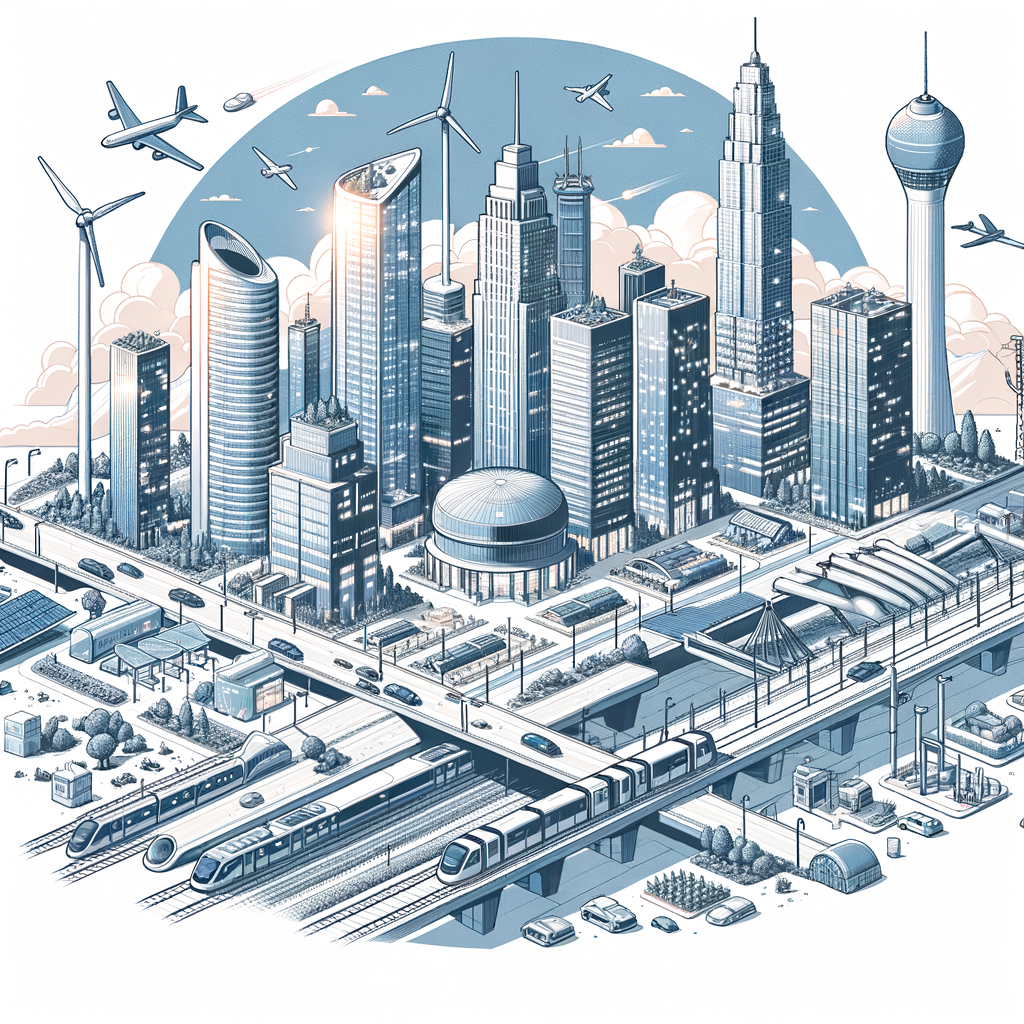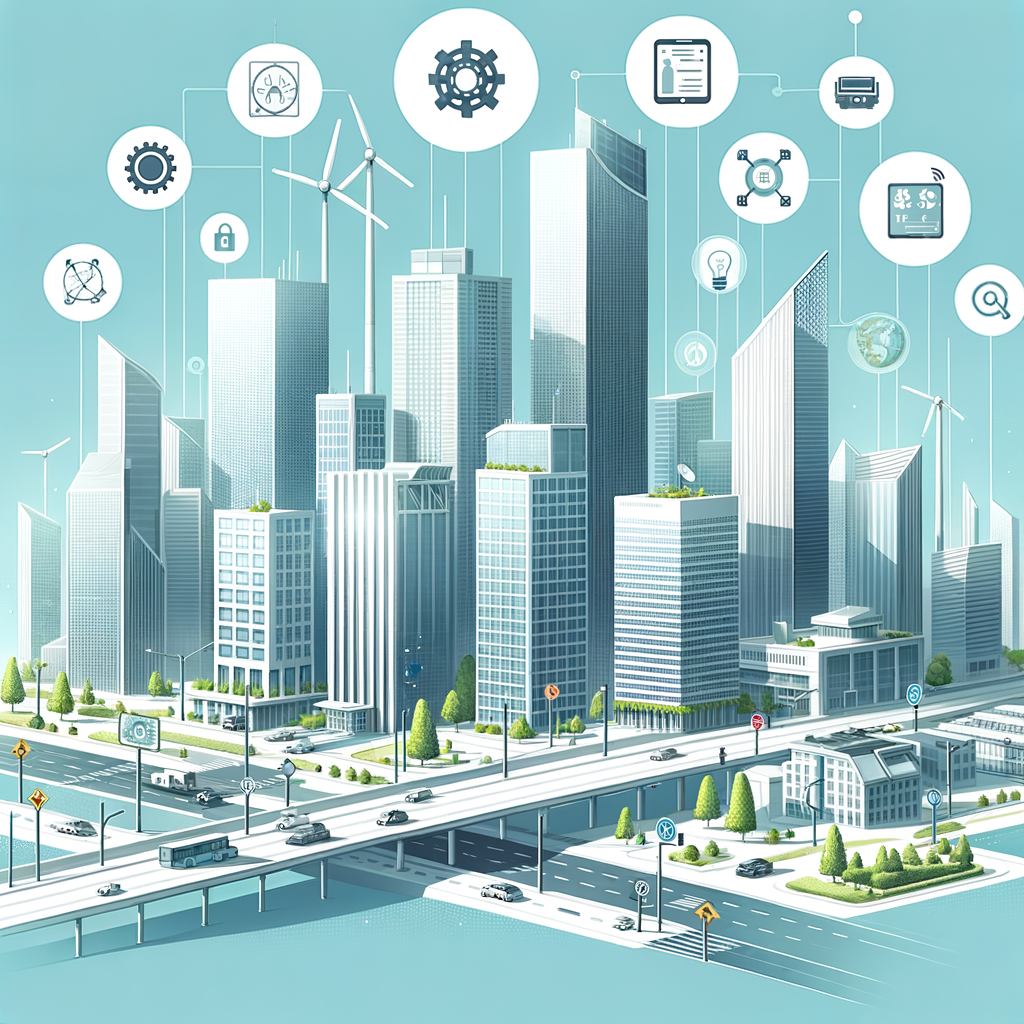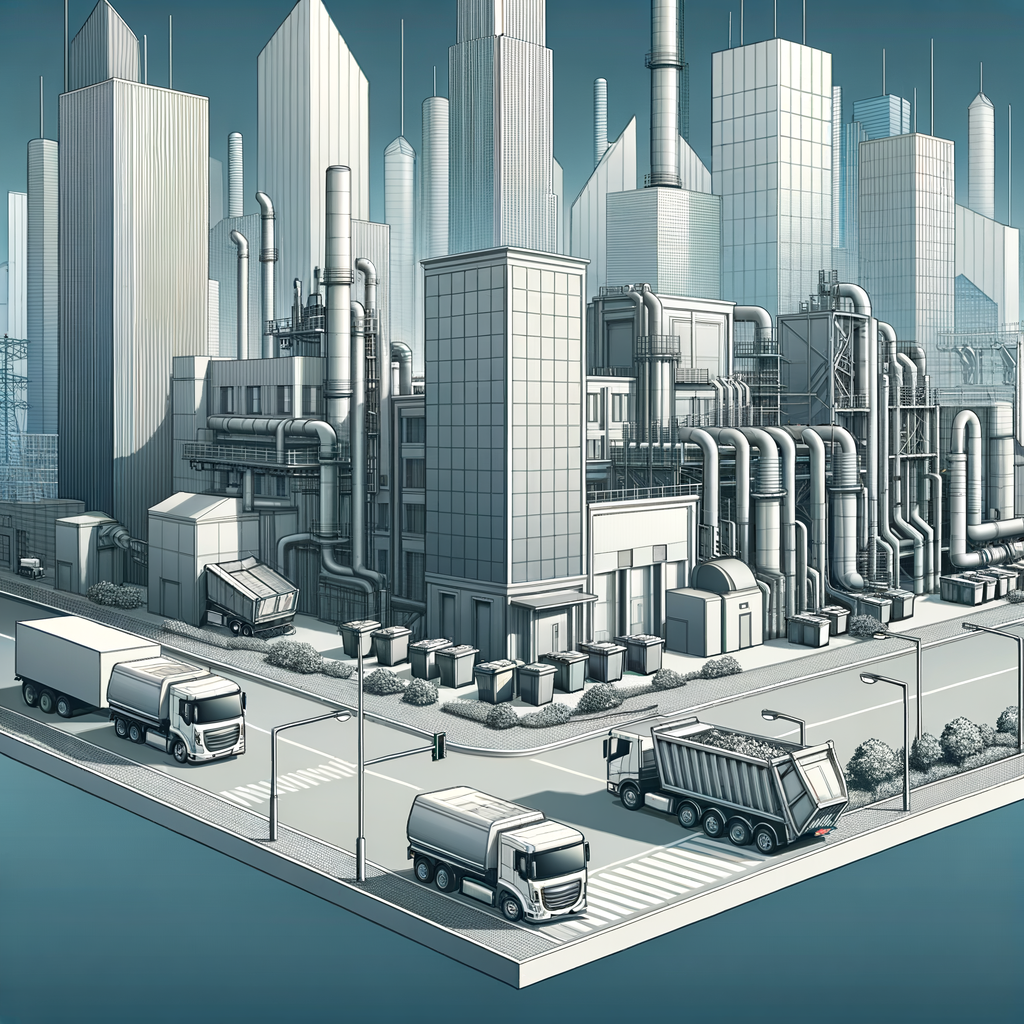
Effective urban infrastructure and waste management systems are pivotal to the sustainability and functionality of rapidly growing urban areas. As cities expand and populations increase, the infrastructure supporting them must evolve to meet contemporary demands. This includes addressing challenges such as traffic congestion, public transportation, energy distribution, water supply, and perhaps most critically, waste management systems. These elements are interdependent, often influenced by environmental, social, and economic factors. An effective infrastructure ensures not only the well-being of residents but also promotes economic growth and environmental sustainability. Waste management, a crucial component of urban infrastructure, must be efficiently planned and implemented to minimize its environmental impact and support recycling and reuse initiatives. This article examines key aspects of urban infrastructure and waste management, focusing on their importance, current challenges, innovations, and future directions.
Understanding Urban Infrastructure
At its core, urban infrastructure encompasses the physical systems necessary for the operation of an urban area. This includes transportation systems like roads, bridges, and public transit, essential services like water supply and energy distribution, and communication networks. Each of these systems is foundational to a city’s efficiency and quality of life. As urban populations burgeon, infrastructure must not only expand but also evolve, employing new technologies and methodologies to meet growing needs. The strain on transportation networks, heightened demand for energy, and necessity for resilient water management strategies become apparent challenges that urban planners must tackle, often under the constraints of limited resources and environmental considerations. Innovations in smart infrastructure, which integrate information and communication technology into these systems, can provide solutions by monitoring, analyzing, and optimizing their operation to enhance efficiency and sustainability.
Challenges in Urban Infrastructure Development
The rapid expansion of urban areas brings several pressing challenges to infrastructure development. Primarily, financing such extensive projects is a major hurdle. Public funds are often limited, necessitating collaboration with private entities and leveraging innovative financing models like public-private partnerships. Additionally, urban areas must adhere to strict environmental regulations to reduce their carbon footprint and prevent harm to local ecosystems. This demands the adoption of sustainable materials and construction practices, increasing costs and complexity. Furthermore, aging infrastructure in older cities presents specific challenges, as retrofitting outdated systems often proves more complex and costly than new developments. Balancing the preservation of cultural heritage with modernization loses significance due to the demands on aging infrastructure. Urban planners also contend with social equity issues, as historically underserved communities may lack adequate infrastructure investments.
Smart Infrastructure Technologies
Smart infrastructure technologies represent a transformative approach to infrastructure development. By integrating sensors, data analytics, and communication networks, cities can monitor and enhance infrastructure performance in real time. For instance, smart grids optimize energy distribution by adjusting supply according to demand, enhancing efficiency, and reducing waste. Similarly, intelligent transportation systems use real-time data to manage traffic flows, reduce congestion, and improve safety. In water management, smart sensors can detect leaks, monitor water quality, and manage distribution networks, ensuring efficient use of resources. These technologies not only enhance operational efficiency but also reduce costs and environmental impact, providing a roadmap for future urban infrastructure development.
Importance of Efficient Waste Management Systems
At the heart of urban sustainability lies an efficient waste management system. As populations grow and consumption patterns change, the amount of waste generated in urban areas increases exponentially. Without effective waste management, cities face issues of pollution, public health risks, and environmental degradation. Efficient systems incorporate processes such as recycling, composting, waste reduction, and resource recovery. Central to this is the waste hierarchy, which prioritizes methods aimed at minimizing waste generation and maximizing reuse and recycling. Implementing such systems not only reduces environmental impact but also conserves natural resources and contributes to a circular economy.
Challenges in Waste Management
Despite its importance, waste management systems face numerous challenges. A primary concern is the segregation of waste at source, which is often poorly implemented due to lack of awareness and compliance among residents. This complicates recycling and recovery efforts, leading to increased landfill dumping. Moreover, inadequate infrastructure for waste collection and processing further exacerbates the problem, resulting in inefficiencies and increased costs. Informal waste sectors, prevalent in many developing countries, add complexity due to their unregulated nature, impacting formal waste management efforts. Technological, regulatory, and financial barriers often hinder the adoption of advanced waste treatment solutions that could potentially address these challenges. Additionally, public perceptions and behaviors toward waste reduction and recycling need to shift, necessitating educational campaigns that promote environmental stewardship and responsibility.
Innovative Solutions for Waste Management
Overcoming waste management challenges demands innovative solutions. Advanced technologies such as waste-to-energy systems convert non-recyclable waste into usable energy, reducing landfill reliance and generating power. Decentralized waste treatment facilities offer localized solutions that can manage waste more efficiently, tailored to specific community needs. The digitalization of waste management, utilizing Internet of Things (IoT) devices, enables real-time tracking of waste streams, optimizing collection routes and improving service efficiency. Policy frameworks that incentivize recycling, such as deposit return schemes and extended producer responsibility, encourage businesses and individuals to participate actively in waste reduction efforts. These initiatives not only address current challenges but also pave the way for future advancements, promoting sustainable urban development.
Integrating Infrastructure with Waste Management
Integrating urban infrastructure with waste management systems requires a holistic approach that acknowledges their interconnectedness. An integrated management approach enhances resource efficiency, reduces environmental impact, and fosters innovation. For example, transportation infrastructure can be designed with dedicated lanes for waste transport vehicles, optimizing collections and reducing emissions. Similarly, smart infrastructure technologies for energy and water systems can be extended to waste management, enabling data-driven decision-making for better allocation of resources. By adopting a systems thinking approach, cities can identify synergies across infrastructure domains, enhancing sustainability and resilience. This integration ensures that waste management is not an isolated component but a crucial element within the broader infrastructure network, pivotal for urban sustainability.
Role of Policy and Governance
Effective policy and governance play a critical role in shaping urban infrastructure and waste management systems. Strong regulatory frameworks establish guidelines and standards for infrastructure development, ensuring that projects align with sustainability goals. They also incorporate enforcement mechanisms to ensure compliance and accountability. In waste management, policies guide the entire value chain, encouraging waste reduction, promoting recycling, and supporting the adoption of advanced treatment technologies. Public engagement and participatory governance are also vital, fostering community involvement in decision-making processes. Collaborative governance models, involving public, private, and non-profit sectors, enhance resource mobilization and streamline operations. Consistent political commitment and visionary leadership are essential for implementing these policies effectively, driving the transition towards sustainable urban development.
The Future of Urban Infrastructure and Waste Management
The future of urban infrastructure and waste management hinges on technological innovation, sustainable practices, and collaborative efforts. Emerging technologies such as artificial intelligence and machine learning can revolutionize infrastructure management and waste processing, delivering unprecedented levels of efficiency and sustainability. Moreover, the shift towards circular economies fundamentally redefines waste management, viewing waste as a resource rather than a problem. Urban planning will need to embrace sustainability principles, integrating renewable energy sources, water conservation practices, and green building techniques into infrastructure development. International collaboration and knowledge sharing will accelerate the adoption of best practices, enabling cities to address common challenges collectively. The role of communities in shaping their urban environment will become increasingly important, driving grassroots initiatives and enhancing societal resilience. As cities evolve, a commitment to innovation, environmental stewardship, and social equity will chart the course for sustainable urban futures.
Conclusion
Urban infrastructure and waste management systems are critical components of sustainable cities, essential for maintaining quality of life, supporting economic activities, and protecting the environment. As urbanization continues to present both challenges and opportunities, investing in efficient infrastructure and waste management solutions becomes imperative. Addressing the complex interplay of factors that influence these systems requires a comprehensive approach, integrating technology, policy, and community engagement. By embracing innovation and prioritizing sustainability, cities can navigate the complexities of urban growth, transforming challenges into opportunities for improvement. The collaborative efforts of governments, industries, and communities will ultimately determine the success of these initiatives, shaping resilient and sustainable urban landscapes for future generations. Looking ahead, the focus must remain on fostering partnerships across sectors, advocating for policy reforms, and harnessing technological advancements to reimagine urban living. Ensuring equitable access to robust infrastructure and efficient waste management is not only a moral imperative but a practical necessity in the creation of thriving urban environments that are capable of withstanding the pressures of the future.
Frequently Asked Questions
1. What is the importance of urban infrastructure in rapidly growing cities?
The significance of urban infrastructure in rapidly expanding cities cannot be overstated. As urban areas grow, they become the epicenters of human activity, necessitating upgrades and expansions to support the burgeoning populations. This booming growth brings along challenges such as traffic congestion, strained public transportation systems, and increased demand on energy distribution networks. Infrastructure in these cities must include efficient roads, reliable electricity, accessible healthcare facilities, and robust educational institutions, which all contribute to the overall quality of life. Furthermore, well-planned urban infrastructure helps in economic growth by attracting businesses and fostering innovation, thus creating employment opportunities. From a sustainability perspective, infrastructure must evolve to support sustainable practices, minimize environmental impact, and ultimately enable cities to meet contemporary demands while ensuring future viability.
2. How does waste management contribute to urban sustainability?
Waste management is a crucial component of urban sustainability due to its direct impact on the environment and public health. Inadequate waste handling can lead to polluted water sources, increased greenhouse gas emissions, and the proliferation of diseases. Effective waste management systems help mitigate these risks by ensuring that waste is collected, treated, and disposed of in an environmentally friendly manner. Techniques such as recycling, composting, and waste-to-energy conversion are pivotal in reducing landfill dependency and promoting resource conservation. Additionally, educational campaigns and policies that encourage waste reduction at the source, such as through reduced packaging or composting, further augment the sustainability efforts within urban environments. By prioritizing waste management, cities can decrease their carbon footprint, preserve natural habitats, and maintain cleaner, healthier living spaces for residents.
3. What are some modern innovations in waste management that urban areas are adopting?
As urban areas strive for sustainability, a number of modern innovations are being integrated into waste management practices. One popular approach is the implementation of smart waste bins equipped with sensors that notify collection services when they are full, enabling more efficient collection routes and reducing unnecessary vehicle emissions. Another innovation is the expansion of waste-to-energy technologies that convert waste materials into usable energy, thus reducing landfill use while providing an alternative energy source. Urban areas are also embracing advanced recycling facilities that utilize robotics and AI to better sort and process recyclables, thereby increasing the efficiency and effectiveness of recycling programs. Furthermore, some cities use blockchain technology to track waste management processes, ensuring transparency and accountability. These innovations not only enhance operational efficiency but also bolster the environmental sustainability goals many urban centers are striving to achieve.
4. How can public transportation systems impact urban infrastructure?
Public transportation systems are integral to urban infrastructure as they greatly influence population mobility and economic activity. Efficient public transport reduces the reliance on private vehicles, alleviating road congestion and decreasing pollution levels. When cities invest in well-planned public transit networks—such as buses, subways, and light rails—it enhances accessibility for citizens, potentially leading to more equitable urban environments. With better mobility options, residents can access jobs, education, and healthcare more easily, improving overall quality of life. Additionally, cities often see economic benefits from robust public transportation as it attracts businesses looking to tap into the available workforce. Well-connected public transportation networks also support smart growth principles by encouraging urban infill development and limiting urban sprawl, which in turn preserves open spaces and reduces the infrastructure demands on expanding city peripheries.
5. What role does technology play in enhancing urban infrastructure and waste management?
Technology plays a transformative role in enhancing urban infrastructure and waste management systems. In terms of infrastructure, technology supports the development of smart cities where data-driven insights optimize traffic flow, energy use, and urban planning. For instance, the incorporation of IoT devices in traffic management leads to real-time adjustments that reduce congestion and accidents. In waste management, technology facilitates smarter sorting processes through automation and AI, improving recycling rates and the efficiency of waste processing centers. Furthermore, the use of mobile apps and online platforms allows residents to engage more actively with waste reduction efforts by providing easy access to information on recycling guidelines and waste disposal options. Big data analytics also aids in forecasting waste trends, allowing for better resource allocation and strategic planning. By leveraging technology, urban areas can address challenges more effectively, streamline operations, and foster environments that are sustainable, livable, and resilient.