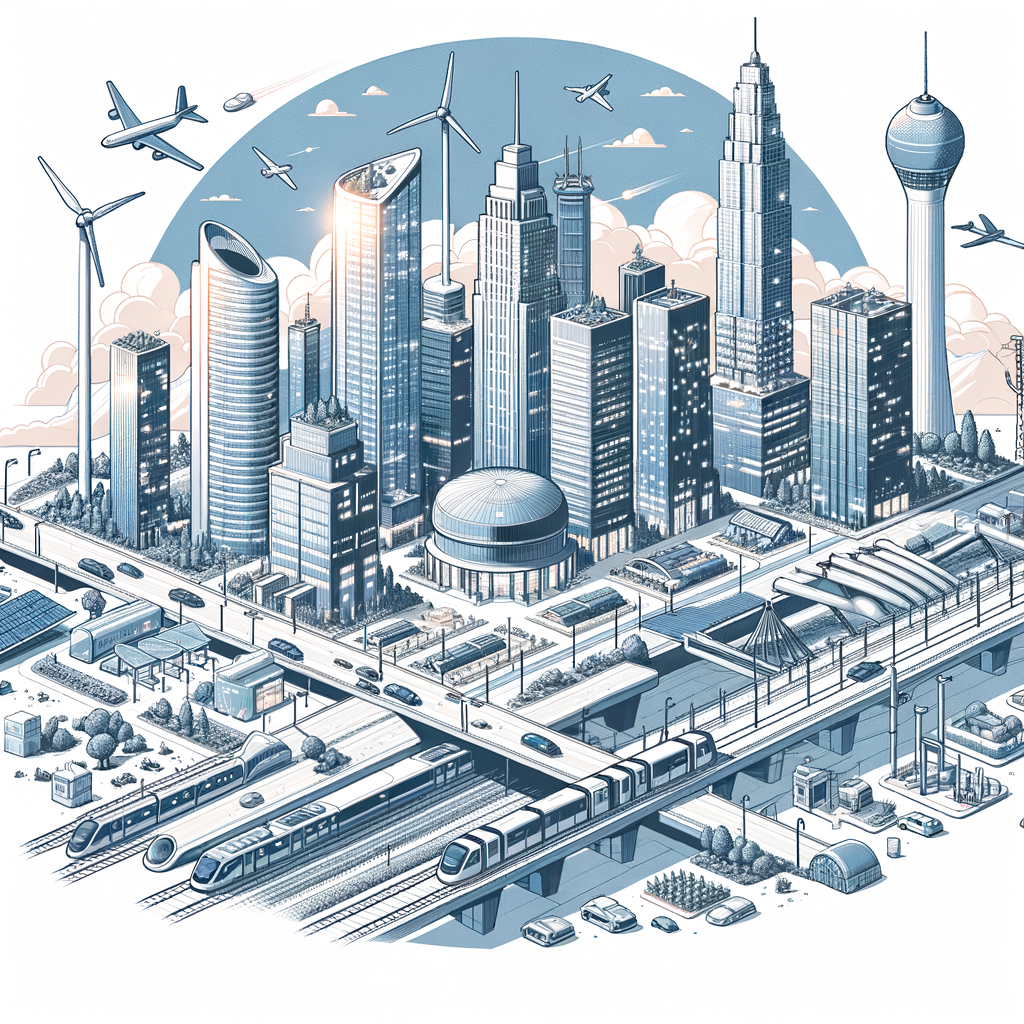
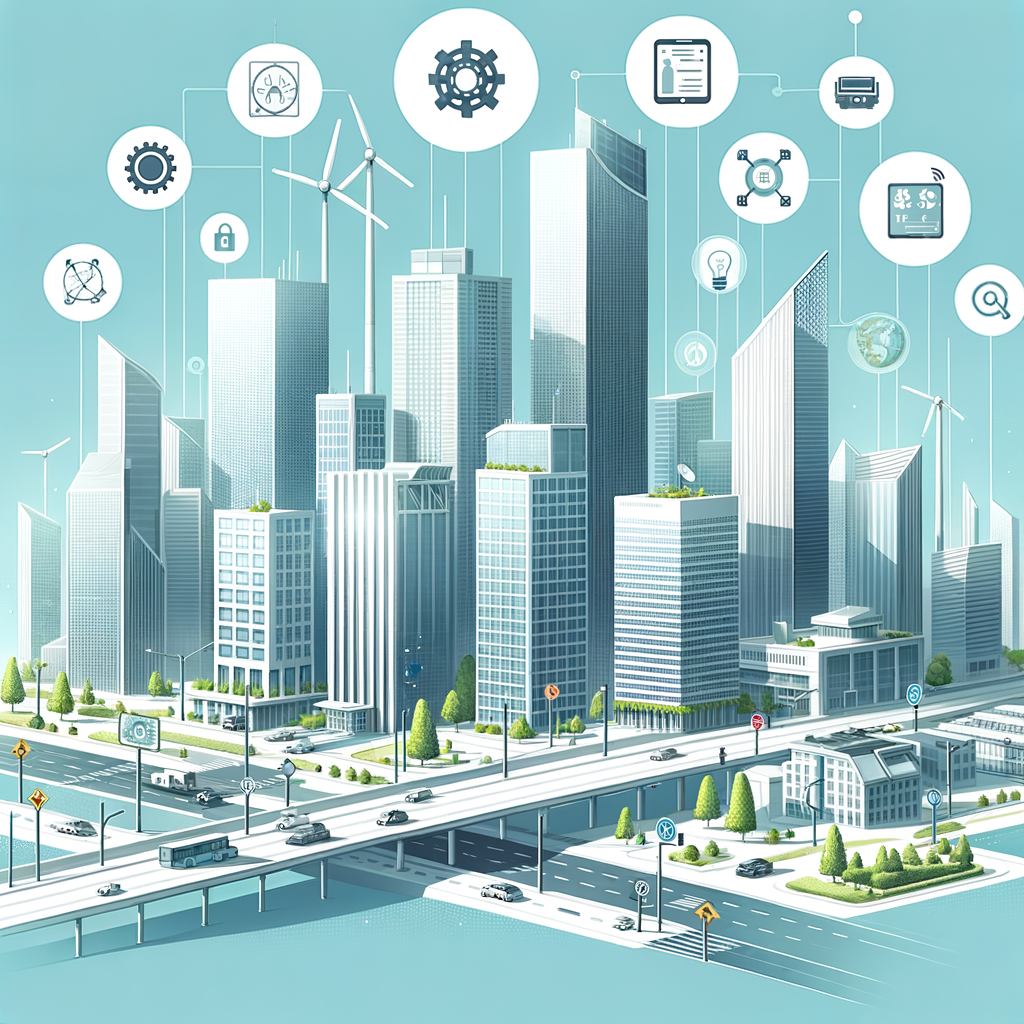
Urban infrastructure plays a pivotal role in shaping modern cities, enabling them to operate efficiently while supporting the lives of billions. Yet, as the backbone of urban environments, it has a formidable influence on air quality, a critical aspect often underestimated in comparison to other immediate concerns. Given the increasing concern about urban air pollution’s impact on health, understanding the complexities of infrastructure’s role becomes imperative. Urban infrastructure encompasses a wide array of systems, including transportation networks, energy production plants, sewage and waste management facilities, and other essential services. As cities continue to expand, often rapidly, these infrastructures are also evolving, sometimes exacerbating the air pollution challenges they aim to mitigate.
Transportation systems, for example, are the arterial networks of urban centers but significantly contribute to air pollution through vehicle emissions. Moreover, the design and layout of a city’s infrastructure can influence pollution dispersion. Urban planning decisions, like the proximity of industrial areas to residential neighborhoods, have direct impacts on air quality. Furthermore, infrastructure related to energy generation also has substantial implications, particularly where reliance on fossil fuels persists. Understanding these relationships is crucial, especially as cities grapple with the dual challenge of modernization and sustainability. This analysis examines how different aspects of urban infrastructure impact air quality, highlighting both problems and potential solutions for cleaner urban living.
Transportation Infrastructure and Air Quality
The transportation infrastructure, encompassing roads, bridges, railways, and airports, is quintessential to urban mobility but is also a significant contributor to urban air pollution. Vehicle emissions are primary sources of harmful gases such as nitrogen dioxide (NO2), sulfur dioxide (SO2), carbon monoxide (CO), and particulate matter (PM). These pollutants contribute to smog formation and respiratory health issues, becoming a focal point in urban pollution discourse.
Modern cities are attempting to devise strategies that reduce vehicle emissions. One of the prevalent solutions being increasingly adopted is the integration of public transportation systems. Buses, subways, and trams offer a mass transit approach, significantly reducing per capita emissions compared to individual car usage. Furthermore, policies encouraging the use of low-emission vehicles, including electric and hybrid models, show promising results but require substantial infrastructure investment, such as charging stations and updated grid capabilities.
Urban planning plays a crucial role in influencing transportation-derived air pollution. Cities adopting mixed-use developments encourage walking or cycling, thus reducing the total distance traveled by vehicles. Additionally, implementing car-free zones, like those seen in parts of Copenhagen and Oslo, has exemplified the potential for transformative change, reducing emissions and leading to improved air quality. However, such transformations require strong political will and public buy-in, given the dependence many individuals still have on personal vehicles.
Energy Production and Urban Air Quality
The infrastructure associated with energy production is another significant factor affecting urban air quality. Traditional energy production, heavily reliant on coal and fossil fuels, is responsible for a considerable proportion of urban air pollution. Power plants emit large quantities of CO2, NOx, SO2, and various particulate matters that substantially degrade urban air quality.
Transitioning to cleaner energy sources is essential for reducing these emissions. Renewable energy options, including solar, wind, and hydroelectric power, have demonstrated their capability to support urban energy demands with a much lower pollution footprint. However, the transition requires substantial investment into new infrastructure and technology. Cities like San Diego and Munich are demonstrating leadership by committing to ambitious renewable energy goals, showing that municipal level initiatives can lead the way.
Energy efficiency measures, such as improved building codes, retrofitting old structures with efficient technology, and encouraging energy-saving practices, can also play a pivotal role. Policies supporting energy efficiency can reduce overall demand, thus lowering emissions from energy production. The advancement of distributed energy systems, where smaller, community-based or building-integrated renewable energy systems are utilized, represents another strategy to decentralize and de-intensify urban energy infrastructure reliance.
Industrial Infrastructure and Environmental Impact
Industrial activities within urban settings also present a significant challenge to air quality. Factories and industrial plants can be major pollution sources if not adequately regulated and managed. Industrial emissions include a variety of pollutants, from volatile organic compounds (VOCs) to hazardous air pollutants (HAPs) and fine particulate matter (PM2.5), all of which can deteriorate air quality and pose serious health concerns.
Efforts to control industrial emissions in urban areas are crucial. Regulatory frameworks must enforce strict guidelines for allowable emissions levels and mandate the adoption of best available technologies (BAT) for emissions control. Tax incentives and subsidies for industries adopting clean technologies can be effective measures to encourage compliance and innovation. Moreover, zoning laws play a critical role in determining where industrial activities are permissible, ideally leading to reduced exposure of residential areas to industrial pollutants.
Waste Management Systems
Urban infrastructure responsible for waste management can also significantly impact air quality. Traditional waste disposal methods such as landfilling and open burning release methane and various air toxins that contribute to air pollution. Methane, a potent greenhouse gas, affects air quality and exacerbates climate change.
Modern waste management practices aim to mitigate these impacts by improving recycling rates and adopting waste-to-energy (WtE) technologies. These systems can reduce overall waste volume while generating energy, thus serving dual purposes. However, WtE facilities must be carefully managed to avoid the release of pollutants during incineration. Cities like San Francisco and Stockholm have invested heavily in zero-waste policies and technologies, setting benchmarks for improved waste management and air quality.
Composting and organic waste recycling represent another facet of urban waste management that can improve air quality. By diverting biodegradable waste away from landfills, cities can reduce methane emissions, while simultaneously creating valuable soil amendments that benefit urban green spaces. Enabling such infrastructure requires community engagement and public education initiatives to ensure effective waste segregation at the source.
Policy and Planning for Improved Air Quality
Urban policy and planning play pivotal roles in shaping the impacts of infrastructure on air quality. Integrated urban planning approaches that consider transport, energy, industry, and waste management aspects holistically can lead to significantly improved air quality outcomes. Comprehensive air quality management plans must be adopted by cities, setting clear standards and targets, while also engaging stakeholders including government agencies, private sector, and the community.
Air quality monitoring systems are crucial in this regard, providing the necessary data to understand pollution sources, their dynamics, and effectiveness of policies over time. Innovations in technology, such as IoT-based sensors and data analytics, have enabled real-time monitoring and targeted interventions, allowing for a more resilient and adaptive approach to managing urban air quality.
Furthermore, public awareness and community engagement are essential components of effective air quality management. Education campaigns can foster behavioral changes, encouraging the community to adopt practices that contribute to cleaner air, such as choosing public transport, conserving energy, and responsibly managing waste. Cities that prioritize transparent communication and public participation in policy-making often find greater success in implementing sustainable urban infrastructure solutions.
Conclusion
The nexus between urban infrastructure and air quality is both complex and critical. As highlighted, each component of urban infrastructure, from transportation and energy production to industrial activities and waste management, has tangible impacts on the quality of the air urban residents breathe. Effective management and planning of these infrastructures are essential for mitigating their negative effects on air quality. The adoption of clean technologies, policy reforms, and community engagement can lead to significant improvements, making cities healthier places to live.
It is incumbent upon urban planners, policymakers, and communities to prioritize air quality in the development of infrastructure. As cities expand, sustainable planning practices must be at the forefront of urban development agendas. Innovations in infrastructure, supported by strong governance frameworks, offer pathways to cleaner air and healthier urban environments. Cities that invest in such comprehensive strategies not only improve air quality but also enhance the overall quality of life for their residents. In an era where urbanization is inevitable, embracing these challenges with foresight and resilience is necessary to ensure that urban centers thrive healthily and sustainably.
This concerted focus towards sustainable urban infrastructure will shape the future of air quality and public health. By understanding the intricate relationship between the two, cities can adopt strategies that not only tackle immediate air quality concerns but also contribute to long-term environmental sustainability. The time for action is now, as failing to address these pressing challenges will only exacerbate the urban air quality crisis, affecting generations to come.
Frequently Asked Questions
1. How does urban infrastructure contribute to air pollution?
Urban infrastructure, comprising roads, buildings, transportation systems, and energy facilities, significantly contributes to air pollution. Vehicles running on fossil fuels are primary culprits, emitting high levels of nitrogen oxides and particulate matter. Road construction and maintenance also kick up dust and debris. Furthermore, the energy consumed by urban buildings often results in emissions from power plants, especially in areas relying on coal or other non-renewable resources. Industrial facilities located in urban areas emit a mix of harmful pollutants. The consolidation of such infrastructure components in close proximity means that pollution sources are densely packed, exacerbating their impact on air quality.
2. Can urban infrastructure be improved to mitigate its impact on air quality?
Absolutely, there are numerous strategies to enhance urban infrastructure to reduce its adverse impact on air quality. For instance, expanding green public transportation systems like buses and trains that run on electricity or alternative fuels can significantly cut emissions. Investing in infrastructure to support cycling and walking can also reduce reliance on polluting vehicles. Upgrading buildings to be energy-efficient and integrating green building designs can lower emissions from heating and cooling systems. Implementation of smart grids and renewable energy infrastructure can further diminish air pollutants. By pursuing sustainable urban planning and investing in eco-friendly technologies and infrastructure upgrades, cities can markedly improve air quality.
3. What role do green spaces play in urban air quality?
Green spaces such as parks, gardens, and urban forests are vital in improving air quality in urban settings. They act as lungs of the city, absorbing carbon dioxide and releasing oxygen through photosynthesis. Trees and plants also capture particular pollutants on their leaves, effectively removing them from the air. Urban green spaces can serve as buffers, reducing the speed and concentration of air pollutants moving through a city. Additionally, they help in regulating temperature, which can indirectly impact pollution levels by altering the energy demand for heating or cooling. Thus, promoting and maintaining urban green spaces is a critical component of strategic urban planning aimed at enhancing air quality.
4. Are there technologies available to address air quality issues in urban areas?
Yes, there are several technologies designed to tackle air pollution in urban areas. Air quality monitoring systems have become more sophisticated, providing real-time data that help in crafting responsive strategies. Air purifiers and urban air cleaning towers have also emerged, designed to filter and reduce pollutants in highly congested areas. On the transportation front, electric and hydrogen fuel cell vehicles are technologies that drastically cut vehicle emissions. Infrastructure for public electric transport and the promotion of bike-sharing schemes also leverage technology to alleviate urban air pollution. Furthermore, innovations in building materials now include substances that can absorb or break down pollutants, aiding in the reduction of urban air pollution.
5. How do city planning and policies influence urban air quality?
City planning and policies are paramount in shaping urban air quality. Zoning laws can dictate the proximity of industrial facilities to residential areas, potentially reducing the exposure of people to harmful emissions. Policies that promote the development of public transport systems and the integration of eco-friendly cycles can decrease the dependence on personal vehicles, reducing traffic-related emissions. Stringent emissions standards on vehicles and buildings ensure that the worst polluting sources are kept in check. Furthermore, policies can also enforce increased green spaces and green roofs to naturally filter pollutants. By considering air quality impacts in urban planning from the outset, cities can lay down frameworks that contribute to healthier urban environments.