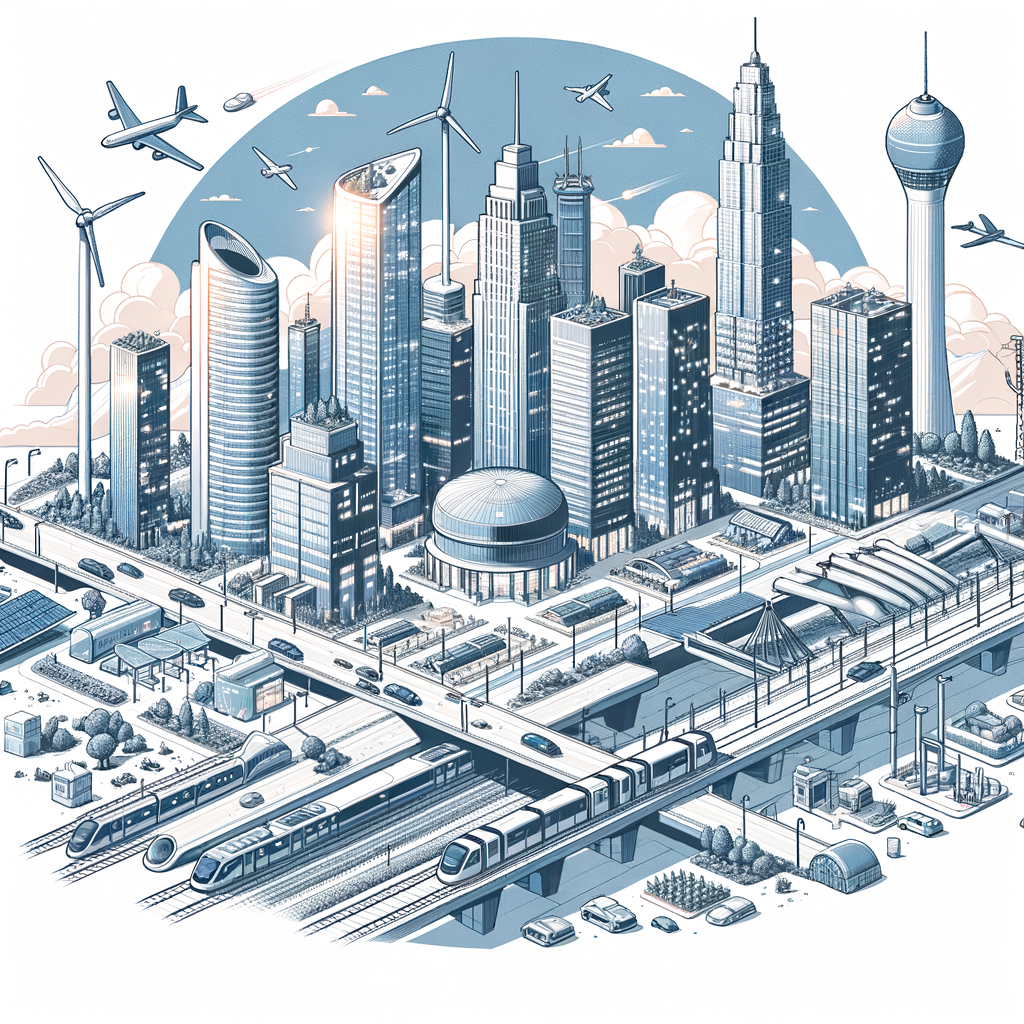
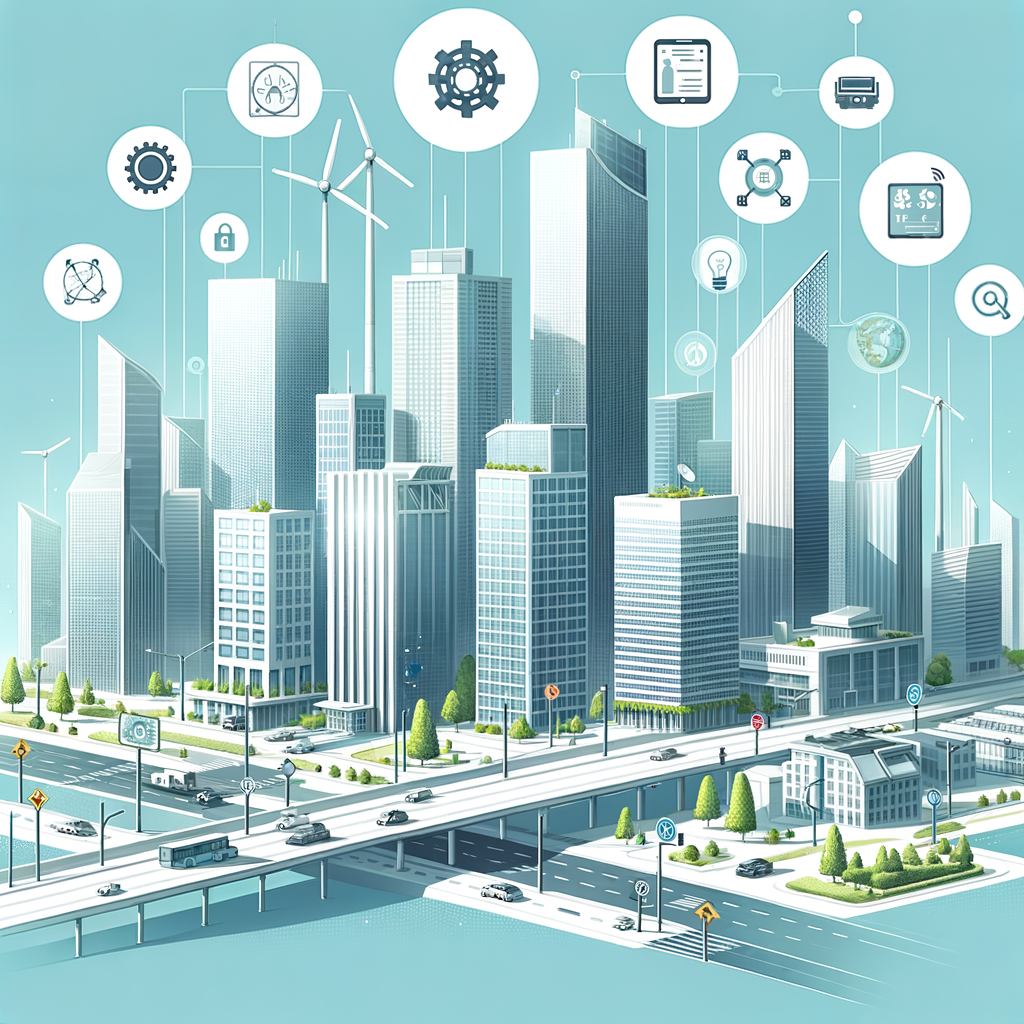
Urban infrastructure plays a crucial role in fostering economic growth, facilitating the development of a city by ensuring that essential services, utilities, and frameworks are in place to support the activities of businesses and residents. Infrastructure in urban settings encompasses various elements, such as transportation systems, communication networks, water supply, and energy resources. As cities evolve, their infrastructure must be robust and adaptable to meet the increasing demands of population growth and economic expansion. Failure to address infrastructure needs can hinder economic progress, leading to various challenges in urban environments. Understanding the importance of infrastructure in urban areas involves examining its direct and indirect impacts on economic development, while recognizing its ability to transform cities into hubs of economic activity.
As global populations continue to urbanize, cities have become engines of economic growth and innovation. The movement of people from rural to urban areas has reshaped societies, catalyzing the need for comprehensive infrastructure that can support diverse aspects of city life. With rapid technological advancements and globalization, the infrastructure of a city is not merely its roads and bridges. Instead, it is an interconnected system that influences productivity, quality of life, and economic resilience. Investing in urban infrastructure is crucial for governments, policymakers, and private investors who aim to enhance economic performance and improve living standards. While cities with robust infrastructure often attract more business investments and talent, regions lacking adequate infrastructure can face economic stagnation and decreasing living conditions, illustrating the vast importance of urban infrastructure.
The dynamic nature of urban spaces means city planners and officials must continually assess and upgrade existing infrastructure to ensure it meets current and future needs. With the rise of smart technologies, the opportunity to address urban infrastructure challenges through innovative solutions has expanded. Smart infrastructure integrates technology to enhance efficiency and sustainability, providing new pathways for cities to prosper economically. As urbanization, global competition, and environmental concerns intensify, cities worldwide confront the pressing need to evolve their infrastructure systems. As we further delve into the elements of urban infrastructure, the connection between these components and economic growth becomes increasingly clear, underscoring their foundational role in shaping vibrant, economically viable cities.
Transportation Infrastructure
Transportation infrastructure is one of the foundational pillars that supports urban economic growth. Efficient transportation networks facilitate the movement of goods and people, enhancing productivity and promoting trade. Well-maintained roads, railways, ports, and airports enable cities to connect with domestic and international markets, essential for businesses seeking to expand and diversify. The role of public transportation in urban economies is equally significant, offering mobility solutions that reduce congestion, lower transportation costs, and improve air quality. Cities with inadequate transportation infrastructure often experience traffic congestion, diluting productivity and increasing operational costs for businesses. By investing in public transit systems, cities can provide more efficient travel options, fostering greater economic participation from a broad range of community members, including those who may not own private vehicles.
Transit-oriented development (TOD) has emerged as a modern approach to urban planning, emphasizing the integration of residential, commercial, and recreational facilities near public transportation hubs. This strategy enhances accessibility, reduces reliance on cars, and promotes sustainable economic growth by encouraging diverse land use and higher density urban development. In addition to boosting real estate values around transit corridors, TOD can attract new businesses and residents seeking the benefits of a well-connected urban environment. However, successful implementation of TOD relies on thoughtful planning and collaboration between transportation agencies, developers, and local governments. These efforts help create a seamless urban experience that connects communities, reduces travel times, and promotes a more resilient urban economy.
Communication Networks
Modern communication infrastructure is vital for urban economic growth, as it serves as the backbone for connectivity and information exchange. In an increasingly digital world, high-speed internet, telecommunications networks, and data services enable cities to participate in the global economy, fostering innovation, entrepreneurship, and competitiveness. Cities equipped with robust communication networks can attract tech-driven industries, startups, and remote workforce talent, thereby diversifying the local economy and creating new opportunities for economic advancement. Reliable communication infrastructure also allows businesses to adopt digital tools and services that enhance operational efficiency and customer engagement, leading to increased business growth.
For urban areas seeking to become smart cities, implementing modern communication infrastructure is critical. Smart cities leverage technology to better manage urban environments, enhance the quality of life, and stimulate economic activity. Such technologies often rely on real-time data and advanced communication systems, demanding a solid foundation of communication infrastructure. By enabling the widespread adoption of such technologies, urban areas can optimize resource management, reduce operational costs, and explore new revenue streams. Overcoming the digital divide, which refers to the unequal access to communication technologies, is equally important to ensure that all city residents can fully participate in and benefit from the digital economy. Investing in communication infrastructure not only fuels the city’s economic potential but also fosters greater social inclusion and connectivity.
Water Supply and Sanitation
An efficient, reliable water supply and sanitation infrastructure is indispensable to supporting urban economic growth. Access to clean, safe water is a fundamental human need and a prerequisite for public health, industrial operations, and daily life. Reliable water infrastructure underpins diverse sectors, such as agriculture, manufacturing, and service industries, ensuring that businesses remain competitive and productive. Furthermore, effective wastewater management protects water sources from contamination, maintaining environmental quality and vital natural resources.
Cities experiencing rapid growth often face challenges in maintaining and upgrading water and sanitation systems, with the threat of water scarcity or pollution hampering economic development. The cost of water scarcity can be high, as it impacts industry, health, and housing, ultimately leading to increased socioeconomic disparities. Investments in modern water infrastructure, such as advanced purification and distribution systems, can significantly improve urban resilience, ensuring uninterrupted access to clean water. Additionally, innovative solutions like rainwater harvesting and greywater recycling present opportunities for cities to use water resources more efficiently and sustainably. By prioritizing water infrastructure development, cities can secure their economic future and protect their increasingly precious water resources.
Energy Infrastructure
Energy infrastructure is a critical component of any urban setting, directly impacting economic activities and growth. Reliable access to electricity powers industries, businesses, and homes, enabling cities to function efficiently and remain competitive. Rapid urban growth places pressure on existing energy infrastructure, often leading to potential challenges like power shortages or unreliable energy supply. Inadequate energy resources can hinder economic progress by disrupting industrial processes, limiting technological advancements, and affecting overall productivity.
Investments in modernizing energy infrastructure can lead to a more adaptable, sustainable urban economy. Leveraging renewable energy sources, such as solar and wind, cities can reduce dependence on fossil fuels, decreasing environmental pollution and supporting a transition to a sustainable energy future. Advancement in energy storage technologies and smart grids offer opportunities for urban areas to optimize their energy usage and improve overall system resilience. Policies and incentives supporting clean and efficient energy infrastructure development can cultivate a favorable environment for economic growth, attract businesses that prioritize sustainability, and ensure energy security for future generations.
Conclusion
Urban infrastructure is the bedrock upon which economic growth and development are built. By meticulously planning and investing in comprehensive infrastructure systems, cities can bolster their economies, improve resilience, and enhance the quality of life for their residents. Transportation, communication, water, and energy systems provide a solid framework for urban environments, facilitating smooth operations and encouraging economic activities. In a globalized economy, cities that prioritize infrastructure development can attract investments, boost productivity, and diversify their industries, paving the way for sustainable economic expansion.
The role of urban infrastructure extends beyond economic growth, influencing how cities address environmental and social challenges. Infrastructure systems that incorporate sustainable practices and innovative technologies can improve resource management and reduce urban footprints, fostering a more sustainable urban future. Furthermore, equitable infrastructure development ensures that all community members can access essential services, promoting social inclusion and reducing inequalities. By integrating green infrastructure and sustainable design, cities can address the pressing issues of climate change and resource scarcity, ensuring that they remain thriving, livable environments for generations to come.
In summary, urban infrastructure supports economic growth by enabling efficient services, encouraging investment, and fostering innovation. As cities continue to evolve, their infrastructure must keep pace with the changing demands of population growth and economic development. Investing in comprehensive, sustainable urban infrastructure is essential for cities that seek to be resilient, prosperous, and dynamic players in the global economy. Urban leaders, policymakers, and stakeholders should collaborate in creating forward-thinking infrastructure strategies that not only address today’s needs but also anticipate the challenges of tomorrow. By doing so, they can ensure that their cities remain vibrant economic and cultural centers that contribute positively to the broader global community.
Frequently Asked Questions
1. How does urban infrastructure contribute to economic growth?
When it comes to economic growth, urban infrastructure is akin to the backbone of a city’s functionality and development. Robust and efficient infrastructure can significantly reduce operational costs for businesses by offering better access to transportation, enabling smoother logistics, and ensuring more reliable utilities and services such as water, electricity, and telecommunications. For instance, an efficient transportation network not only facilitates the swift movement of goods and services but also enables the labor force to reach workplaces seamlessly, which is vital for productivity. Furthermore, advanced communication networks allow businesses to operate more efficiently, connect to global markets, and innovate in their operations. High-quality urban infrastructure can also attract investments from both national and international businesses, which see the potential in a well-connected and resource-available city. Consequently, all these factors combined propel economic growth by fostering an environment conducive to business expansion, innovation, and job creation.
2. What specific types of infrastructure are essential for economic development in urban areas?
Urban areas rely on various types of infrastructure, each playing a unique role in supporting economic development. Key among these are transportation networks including roads, bridges, public transit systems, and airports, which ensure the efficient movement of people and goods. Communication infrastructure, such as high-speed internet and mobile services, supports business operations and connectivity in today’s digital economy. Energy infrastructure, including electricity grids and renewable energy sources, powers industries and residential areas, while water and sanitation systems ensure a healthy population and environment. In essence, urban infrastructure combines both physical structures like buildings and roads, as well as service networks like public services that must work collectively to support growth. A failure in any of these areas can hinder a city’s ability to function optimally and grow economically.
3. How does transportation infrastructure impact urban economic performance?
Transportation infrastructure is critical to urban economic performance as it directly affects the efficiency and cost of moving goods and people within a city and beyond. High-quality roads, public transport systems, and logistical hubs can drastically reduce transportation times and costs, making a city more attractive to businesses that prioritize efficient supply chains. Moreover, accessible public transportation links neighborhoods with job markets, ensuring that a broader segment of the population can participate in the workforce. This reduces congestion, pollution, and the economic drain caused by traffic delays, thus enhancing the quality of life for residents and making the city more appealing for both living and working. Furthermore, transportation infrastructure supports tourism, another driver of economic activity, by providing visitors with convenient access to attractions and services.
4. How does the integration of technology in urban infrastructure support economic growth?
The integration of technology into urban infrastructure, often referred to as the development of ‘smart cities’, plays a significant role in supporting economic growth. By incorporating technologies such as the Internet of Things (IoT), artificial intelligence, and data analytics, cities can improve the efficiency and sustainability of their services. For instance, smart traffic systems can alleviate congestion, public safety can be enhanced through advanced surveillance systems, and energy efficiency can be maximized through smart grids. Additionally, technology-driven infrastructure attracts tech companies and talent, further boosting the city’s economic standing. Increased access to information and services empowers businesses and residents, driving innovation and creating new economic opportunities. Ultimately, the smart integration of technology into urban infrastructure fosters a more responsive and adaptable environment capable of supporting long-term economic prosperity.
5. Can inadequate urban infrastructure hinder economic growth, and if so, how?
Absolutely, inadequate urban infrastructure can severely hinder economic growth. Poor infrastructure leads to inefficiencies and higher costs for businesses, making it difficult for them to operate smoothly and profitably. For instance, inadequate transportation networks can result in bottlenecks that delay the delivery of goods, raising operational costs and reducing competitiveness. Similarly, unreliable energy supplies can lead to frequent power outages, disrupting business activities and potentially causing financial losses. Unsafe or insufficient water and sanitation infrastructure can lead to public health crises, reducing workforce productivity and leading to increased healthcare costs. Moreover, such inadequacies can deter foreign and domestic investment, as businesses typically seek stable and efficient environments to operate. In sum, without the development and maintenance of adequate urban infrastructure, cities may struggle to sustain economic growth and meet the needs of their growing populations.