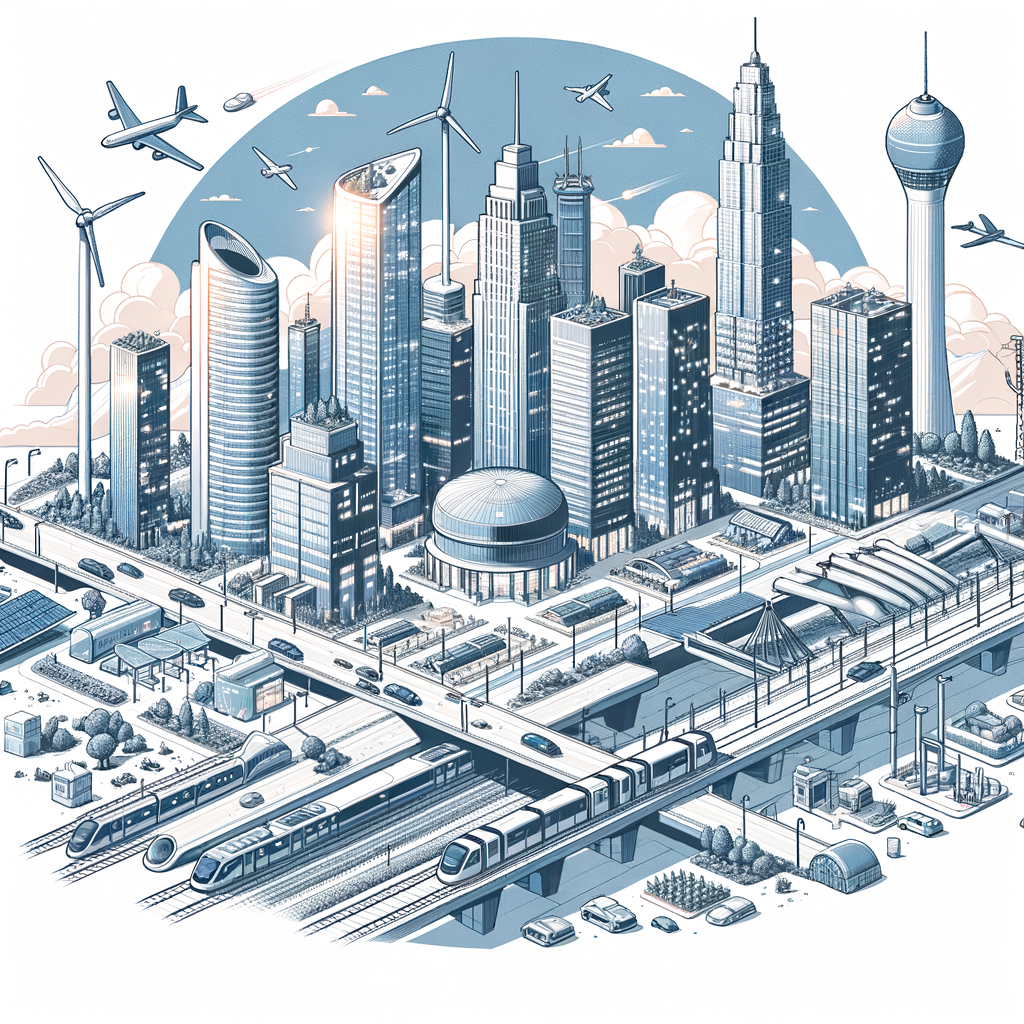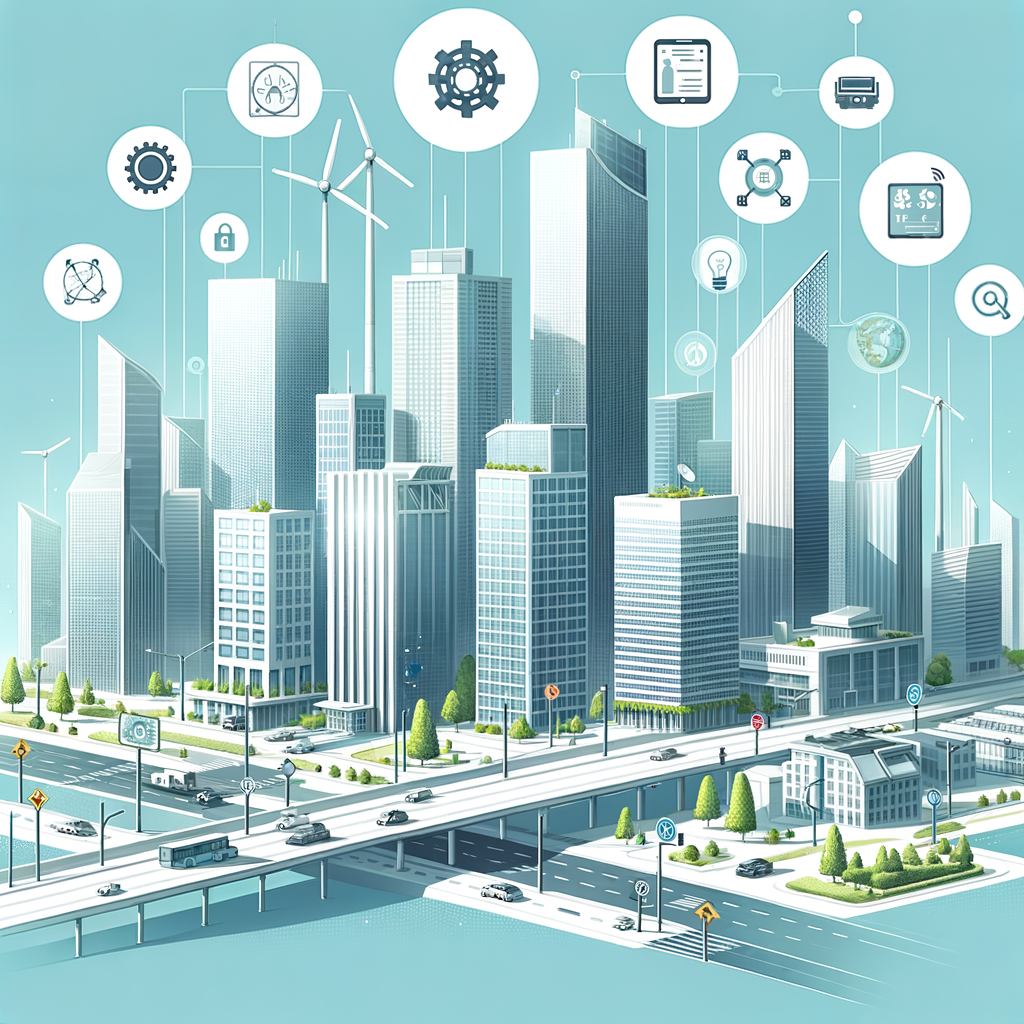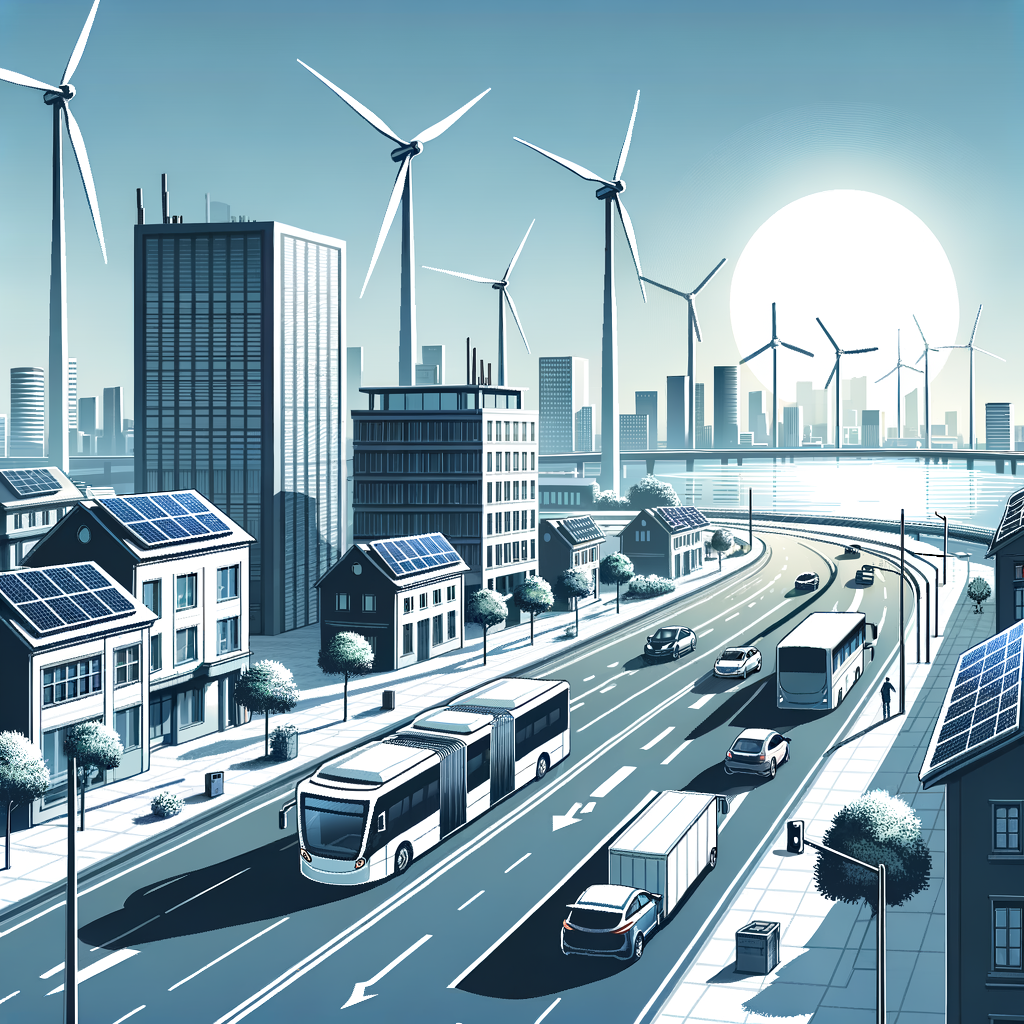
Urban infrastructure refers to the critical systems and facilities that support the daily lives of city dwellers, such as transportation networks, water supply, waste management, and energy systems. As urban centers around the world continue to grow at an unprecedented rate, the demand for energy is simultaneously increasing. Consequently, the integration of renewable energy sources into urban infrastructure has garnered significant attention. This integration is crucial for fostering sustainable development, mitigating the adverse impacts of climate change, and enhancing the resilience of cities. Renewable energy sources like solar, wind, biomass, and hydropower are increasingly being seen as viable alternatives to traditional fossil fuels, which have long been associated with pollution and environmental degradation. The transition to renewable energy, however, presents various challenges and opportunities, especially within urban environments. These challenges include technological advancements, policy frameworks, financial investments, and public engagement. Therefore, examining the relationship between urban infrastructure and renewable energy integration is paramount for devising strategies that could effectively steer cities towards a sustainable future. This article seeks to explore the potentialities and hurdles associated with integrating renewable energy within urban infrastructure, elucidating the indispensable role that cities play in the global shift towards clean energy.
The Current State of Urban Infrastructure
Modern urban cities are often characterized by dense populations, extensive infrastructure networks, and significant energy consumption. Traditional energy systems, which heavily rely on fossil fuels, have dominated urban infrastructures for decades. These systems are efficient at meeting the high energy demands of urban populations but come at a cost to the environment, contributing enormously to greenhouse gas emissions and climate change. As cities expand, the pressure on existing infrastructure grows, necessitating adaptation and modernization to accommodate increasing populations while reducing the carbon footprint. Old power grids, outdated sewage systems, and inadequate public transport options are among the numerous infrastructural challenges cities currently face. Renovating such systems to incorporate renewable energy not only promises environmental benefits but also economic efficiency and resiliency. The current state of urban infrastructure, characterized by aging components and carbon-heavy operations, thus presents both a complex challenge and a pivotal opportunity for innovation and sustainability.
The Role of Renewable Energy in Urban Development
Renewable energy is poised to play a transformative role in the development of urban infrastructure. Incorporating renewable resources into city planning can significantly reduce dependency on fossil fuels, decrease carbon emissions, and contribute to improved air quality. Urban areas are uniquely positioned to benefit from renewable energy due to advancements in technology and policy that make implementation increasingly feasible. The deployment of rooftop solar panels, urban wind turbines, and biomass energy are examples of how renewable technologies can be integrated within cities. Moreover, the decentralization of energy production through local wind and solar plants contributes to energy security, independence, and stability, reducing the vulnerability of cities to external energy market fluctuations and disruptions. The integration of renewables into urban settings promotes a sustainable model of urban development that not only aligns with environmental goals but also enhances the quality of urban life through innovative design and energy efficiency.
Challenges of Integrating Renewable Energy
Despite the myriad benefits, integrating renewable energy into urban infrastructure is fraught with challenges. Technological limitations, financial constraints, and regulatory hurdles are among the primary obstacles that cities face. Firstly, the intermittent nature of renewable resources, such as solar and wind, poses a challenge for guaranteeing a reliable energy supply. Energy storage technologies and smart grid systems are essential in mitigating these issues, yet they require substantial investment and development. Secondly, the high upfront costs associated with renewable energy infrastructure can deter cities with strained budgets from pursuing comprehensive projects. Securing funding for large-scale renewable initiatives often necessitates negotiation with governmental and private investors, as well as incentives and subsidies that can fluctuate with political and economic climates. Thirdly, existing regulatory frameworks may not adequately support the integration of renewables, requiring adaptation and reform to facilitate smoother transitions and implementation. Overcoming these challenges demands a coordinated effort between policymakers, city planners, industry leaders, and communities to effectively pave the way for renewable integration.
Technological Innovations and Urban Energy Systems
Advancements in technology have played a crucial role in enabling the integration of renewable energy into urban systems. Innovations such as smart grids, energy storage solutions, and energy-efficient buildings enhance the functionality and reliability of urban energy systems. Smart grids allow for sophisticated management of energy distribution, accommodating the variable supply of renewable resources while improving energy efficiency and reducing waste. Energy storage technologies, including batteries and pumped hydroelectric storage, ensure energy availability during periods of low renewable output and high demand. Energy-efficient buildings, equipped with innovations like advanced insulation and LED lighting, contribute significantly to energy conservation and sustainability within urban areas. Together, these technologies enable cities to harness renewable energy effectively and integrate it seamlessly into urban infrastructure, overcoming obstacles and optimizing urban energy strategies.
Policy Frameworks and Urban Renewable Energy Initiatives
Effective policy frameworks are paramount in facilitating the integration of renewable energy within urban infrastructure. Governments play a decisive role in establishing regulations and incentives that encourage the adoption of sustainable energy practices. Policies that promote renewable energy, such as tax credits, feed-in tariffs, and renewable portfolio standards, provide crucial motivation for cities and investors to prioritize renewable energy projects. Urban renewable energy initiatives, including city-led projects and partnerships with private sectors, exemplify how policy can drive progress. For instance, many cities have committed to ambitious renewable energy targets, aiming to increase the proportion of energy derived from renewables over a specified timeframe. International collaborations and knowledge-sharing platforms further influence policy development, enabling cities to learn from successful projects and tailor policies to their unique contexts. The combination of well-designed policies and strategic initiatives creates an environment conducive to the rapid adoption and integration of renewable energy solutions in urban areas.
Community Engagement and Public Participation
Community engagement is a critical component in the successful integration of renewable energy into urban infrastructure. The transformation towards renewable energy requires the support and active participation of local communities, ensuring that projects align with the interests and needs of citizens. Public participation in energy planning, through councils, forums, and town hall meetings, enables communities to voice their opinions and contribute to decision-making processes. Additionally, educational campaigns and outreach programs raise awareness about the benefits of renewable energy, dispel myths, and foster public support for sustainable projects. Community-based renewable energy projects, such as cooperative solar farms or neighborhood wind projects, further facilitate local involvement and ownership, strengthening the connection between energy initiatives and urban residents. By engaging communities, cities not only enhance the acceptance and resilience of renewable energy projects but also promote social equity and inclusivity in the urban energy transition.
Conclusion
The integration of renewable energy into urban infrastructure is essential for fostering sustainable, resilient, and environmentally friendly cities. By embracing renewable technologies and incorporating them into city planning, urban areas can significantly reduce carbon emissions, improve air quality, and enhance energy security. However, this transition is not without its challenges, including technological, financial, and regulatory obstacles. Overcoming these hurdles requires collaboration between governments, businesses, and communities, leveraging technological advancements, and enacting supportive policy frameworks. Moreover, engaging local communities in the energy transition is crucial for fostering public support and ensuring equitable outcomes. As cities navigate the complexities of integrating renewable energy, they pave the way for a sustainable urban future, acting as catalysts in the global effort to combat climate change and shift towards clean, renewable energy sources.
The transition to integrating renewable energy into urban infrastructure is not merely a choice but a necessity for the future. Cities that successfully integrate these technologies will not only contribute positively to environmental goals but will also enjoy enhanced economic opportunities, improved public health, and a better quality of life for their citizens. As we move forward into an era that demands innovative solutions for urban development and sustainability, the integration of renewable energy stands as a pivotal step towards a more sustainable and resilient urban future.
Frequently Asked Questions
1. What role does urban infrastructure play in integrating renewable energy sources?
Urban infrastructure forms the backbone of modern cities and directly influences how renewable energy sources are installed, utilized, and managed. It’s like the body of a city, with systems such as transportation networks, water supply, waste management, and energy systems acting as the vital organs. Integrating renewable energy, like solar panels or wind turbines, into these existing systems requires a massive, coordinated effort. For example, the electrical grid, a key component of urban infrastructure, must be capable of accommodating variable inputs from solar or wind energy, which differ from traditional power sources. Moreover, buildings and transportation systems can be retrofitted or newly designed to incorporate renewable technologies. By transforming key infrastructural elements, cities can create a more sustainable environment that supports renewable energy usage and promotes efficiency.
2. How can renewable energy integration reduce urban infrastructure’s carbon footprint?
Incorporating renewable energy sources into urban infrastructure is a critical step in reducing the carbon footprint of cities. Urban areas are significant contributors to carbon emissions, largely due to their reliance on fossil fuels for electricity, heating, and transportation. By integrating renewables like solar, wind, or geothermal energy, cities can significantly cut down on these emissions. For instance, rooftop solar installations can help power entire buildings while reducing the need for grid-supplied electricity, which often comes from coal or gas. Additionally, by deploying electric vehicles (EVs) supported by renewable energy, cities can reduce emissions from public and private transportation systems. The transition not only mitigates the impact on climate change but also improves urban air quality, leading to healthier environments for inhabitants.
3. What challenges are faced when integrating renewable energy into urban infrastructure?
While the benefits are clear, integrating renewable energy into urban infrastructure is fraught with challenges. One of the primary obstacles is the existing aging infrastructure, which may not be compatible with new technologies, making retrofitting costly and complex. Moreover, the intermittent nature of renewable sources like solar and wind creates difficulties in maintaining a consistent energy supply. Urban areas often have limited space, making it challenging to find suitable sites for installations like solar farms or wind turbines. Regulatory and policy barriers can also slow down progress. Many cities have to navigate a web of local, regional, and national regulations that can impact project timelines and developments. Additionally, there might be public resistance due to concerns over cost, aesthetics, or noise, which requires educational efforts and community engagement to overcome.
4. Can renewable energy integration in urban infrastructure enhance energy security?
Absolutely, integrating renewable energy into urban infrastructure can greatly enhance energy security by diversifying energy sources and reducing dependence on imported fossil fuels. Significant reliance on a single energy source or supplier can leave cities vulnerable to supply disruptions, price volatility, and geopolitical tensions. Localized renewable energy generation, such as community solar gardens or geothermal plants, provides cities with a more resilient and stable energy supply, making them less susceptible to external shocks. Furthermore, renewable energy systems are less prone to catastrophic failures and can be designed to decentralize energy production, thus reducing the risk of large-scale outages. This capacity to maintain a steady energy supply even when central systems fail contributes to a city’s overall resilience and security.
5. How can urban planning support the integration of renewable energy into urban infrastructure?
Urban planning plays a pivotal role in facilitating the integration of renewable energy into infrastructure by strategically zoning areas for renewable development, setting building codes, and developing transportation networks. Effective urban planning considers future energy needs and integrates sustainability goals, embedding renewable energy considerations into the very fabric of city development. Planners can designate specific zones for renewable energy projects and ensure that new buildings are designed with energy efficiency in mind, such as mandating solar readiness or green roof spaces. Integrated transportation systems that promote electric vehicle use and robust public transit options can help meet the energy demands sustainably. Furthermore, including provisions for renewable energy storage solutions in urban planning can help balance supply and demand, making cities more adaptable to changes in climate and energy needs. With comprehensive planning, cities can integrate renewables seamlessly, elevating the overall quality of life while advancing emission reduction goals.