Urban infrastructure and urban design are two interconnected elements that play a crucial role in shaping the modern cityscape. As cities grow and evolve, they face mounting pressure to support an ever-increasing population, necessitating innovative infrastructure to maintain a high quality of life and economic vitality. Urban infrastructure encompasses various components, such as transportation systems, utilities, and public services, all of which significantly impact urban design. Cities are no longer just clusters of buildings; they have become complex networks where infrastructure serves as the backbone. Through carefully planned design strategies, cities can increase accessibility, sustainability, and livability, which are essential in today’s rapidly changing world. Furthermore, the collaboration between urban planners, architects, government bodies, and local communities is vital in harmonizing infrastructure development with the aesthetic and functional elements of urban design. This article explores the symbiotic relationship between urban infrastructure and urban design, examining how infrastructure influences the physical and social dynamics of cities while considering environmental concerns and technological advancements.
The Role of Transportation Systems
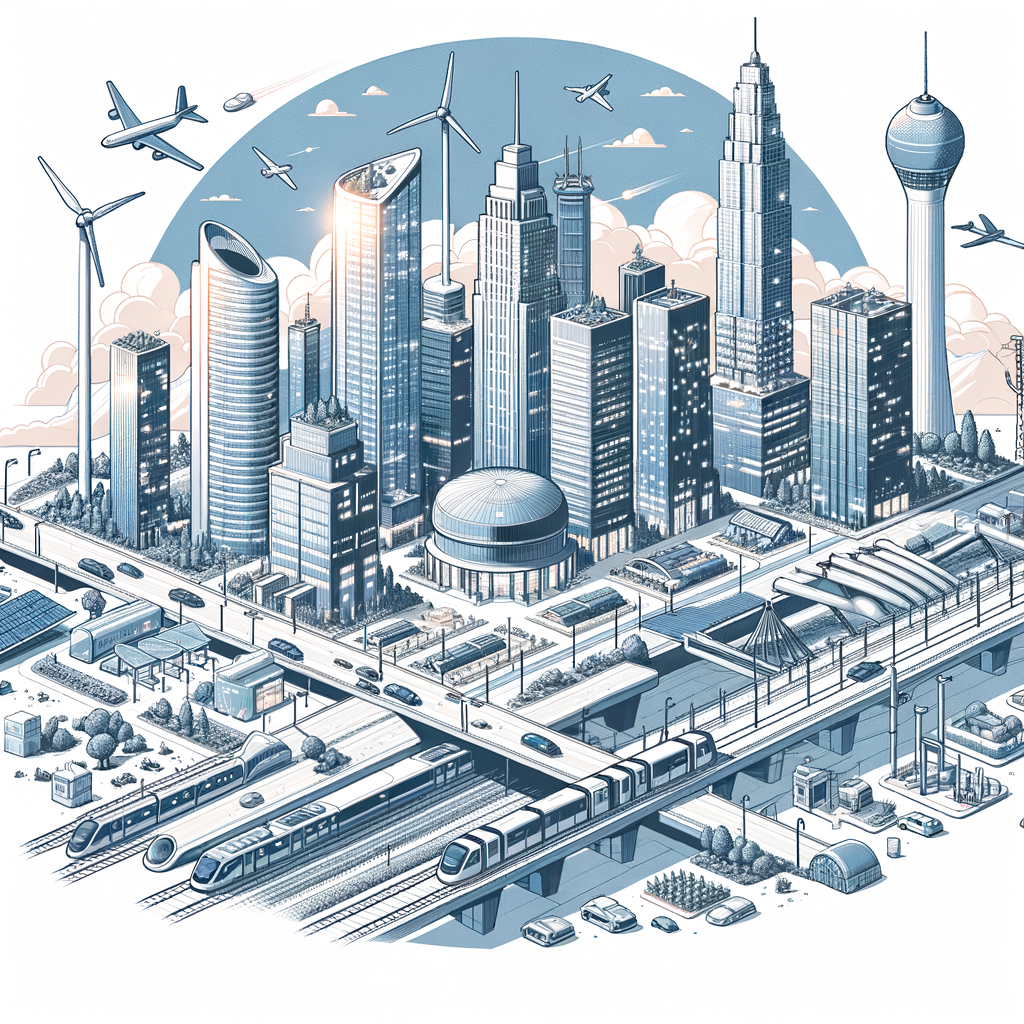
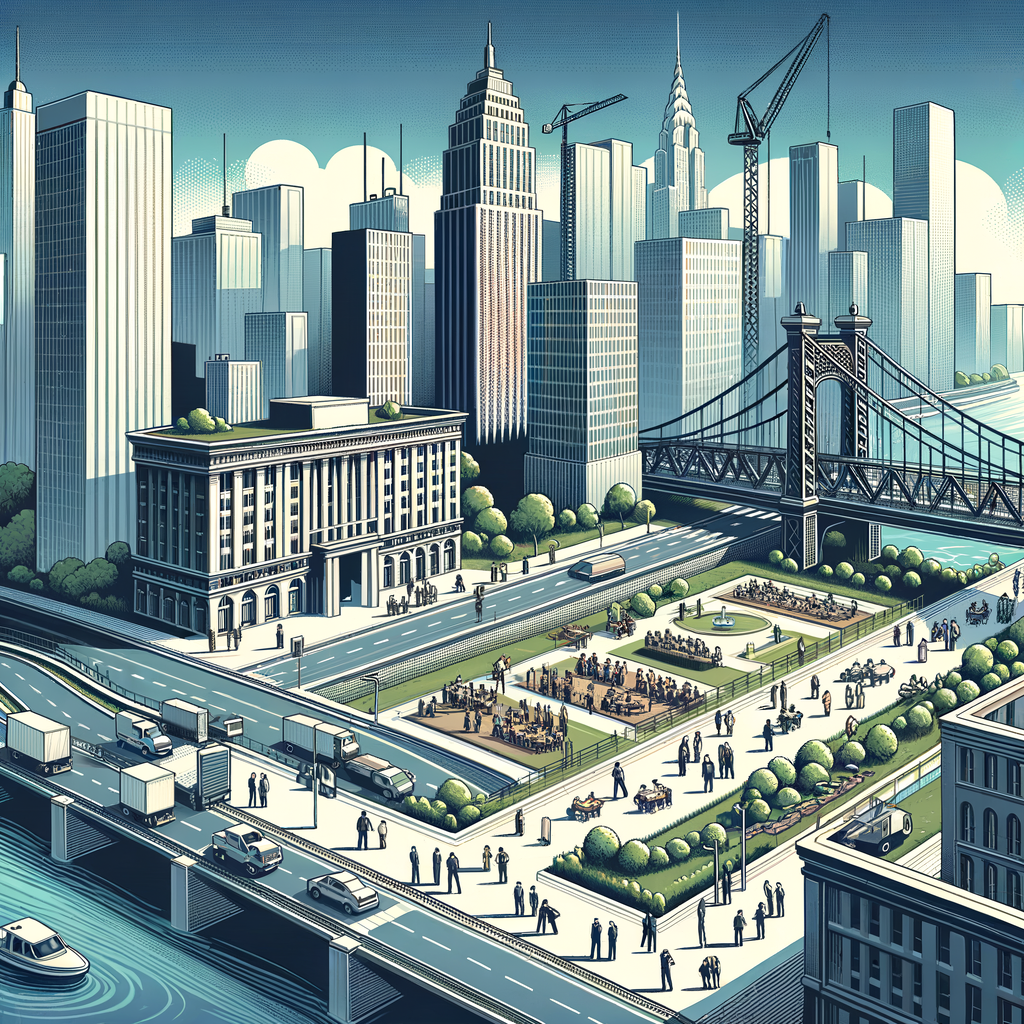
Transportation infrastructure is a fundamental component of urban design, influencing how people move within a city and shaping the urban environment. Well-planned transportation systems, which include roads, railways, subways, and bike lanes, provide connectivity, reduce congestion, and enhance the overall efficiency of urban areas. For instance, integrating public transportation networks into city plans requires careful consideration of routes, access points, and intermodal connectivity to ensure a seamless flow. A city like Tokyo exemplifies successful transport integration, where extensive railway networks complement bus and rapid transit systems, minimizing the need for private vehicle use and reducing traffic congestion. Moreover, the rise of smart transportation involves the incorporation of technology, such as GPS and real-time data analytics, to optimize routes and schedules, ultimately aligning urban infrastructure with contemporary urban design principles.
The strategic placement of transport hubs influences urban density and land use patterns. Cities designed around public transit systems tend to have concentrated development around transit stations, promoting transit-oriented development (TOD). This design encourages mixed-use developments, combining residential, commercial, and recreational spaces within walking distance, creating vibrant, accessible communities. Additionally, pedestrian-friendly streetscapes are emphasized in TOD, improving walkability and reducing the carbon footprint, further enhancing the social and environmental quality of urban design.
Utilities and Urban Design
The infrastructure that powers and sustains city life, such as water supply, sewage, and energy distribution, directly impacts urban design. Efficient utility systems are fundamental to accommodating urban populations, influencing both the macro and micro designs of a city. In terms of energy infrastructure, the layout of power grids must account for current demands and future growth, necessitating a scalable approach. The incorporation of renewable energy sources, like solar panels and wind turbines, is becoming increasingly prevalent, influencing the design of buildings and city layouts with the aim of achieving sustainability targets.
Water management and drainage systems play a crucial role in urban areas, particularly considering challenges posed by climate change, such as flooding and droughts. Green infrastructure, including permeable pavements, bioswales, and rain gardens, has become integral to urban water management, fostering sustainable urban design by allowing for effective stormwater management and reducing urban heat islands. This integration of sustainable utility systems into urban design not only addresses environmental concerns but also enhances urban resilience.
Public Services and Urban Aesthetics
Public services infrastructure, including hospitals, schools, and emergency services, contributes significantly to urban design. Their placement and accessibility directly affect urban quality of life and city functionality. For example, hospitals and healthcare facilities should be easily accessible to all demographics, leading to strategic placement in central or well-connected areas. Schools influence residential planning, as families often choose urban neighborhoods based on the proximity to quality educational institutions, necessitating thoughtful integration into urban designs.
Emergency services, such as fire and police stations, must be positioned to ensure swift access across urban areas, guiding road network design and traffic management plans. These essential services demand consideration in urban design to support a safe and cohesive urban environment. Moreover, the aesthetic appeal of public service buildings contributes to urban identity and cultural significance, influencing urban aesthetics and fostering a sense of community pride and belonging.
Urban Green Spaces and Public Transit
Urban infrastructure profoundly influences the development and maintenance of green spaces, vital to urban design and sustainability. Parks, gardens, and natural reserves improve city livability by offering recreational spaces, reducing pollution, and supporting biodiversity. However, their integration into urban design relies on strategic planning and infrastructure support, such as public transit accessibility, pathways, and utilities to encourage usage and maintain safety.
Public transit networks that facilitate access to green spaces amplify their use and benefits, aligning infrastructure with urban design principles. Cities that prioritize green spaces, like Singapore, integrate extensive park networks with efficient public transit, enhancing urban ecology while supporting active lifestyles. This symbiosis between green spaces and urban infrastructure is critical in crafting sustainable, livable urban environments.
Technological Advancements and Infrastructure
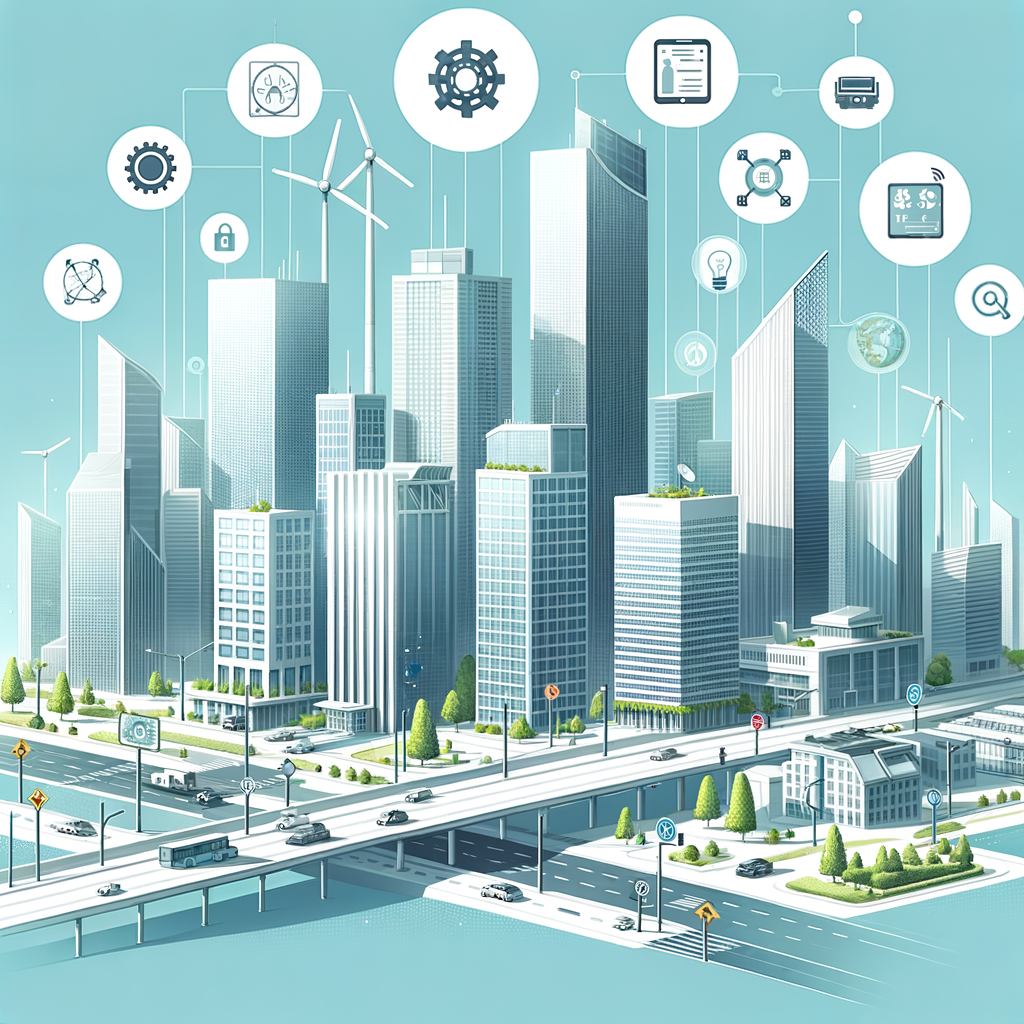
Modern technology has transformed urban infrastructure and design, fostering smart cities characterized by digital connectivity and data-driven decision-making. Innovations such as Internet of Things (IoT) devices and sensors allow for the monitoring and management of traffic, energy use, and public spaces, directly affecting urban design strategies. Real-time data analysis informs urban planners on the flow of people and resources, enabling more effective city layouts.
Moreover, technological advancements have led to the emergence of eco-friendly transportation solutions, such as electric vehicles and autonomous shuttles, which necessitate new types of infrastructure, including charging stations and smart roadways. These technologies encourage the redesign of urban spaces to accommodate new mobility solutions, promoting sustainability and efficient travel. Cities that leverage technology effectively in their infrastructure design ensure resilience and future readiness, aligning with broader urban development objectives.
Community Engagement and Integrated Planning
The development of urban infrastructure cannot be divorced from the communities it serves. Engagement with local populations is crucial in developing infrastructure plans that reflect community needs and enhance urban design. Public consultations and participatory planning processes provide valuable insights into resident priorities and challenges, ensuring infrastructure investments serve the common good while fostering community ownership.
Integrated planning approaches, involving collaboration between government agencies, urban planners, architects, and the public, are essential for harmonious infrastructure and urban design. Multi-disciplinary teams can anticipate the complex interactions between different infrastructure elements and design principles, crafting spaces that are cohesive, functional, and reflective of unique urban identities. Well-integrated infrastructure and design consider cultural, historical, and social contexts, resulting in cities that are not only operationally efficient but also inclusive and vibrant.
Conclusion
The impact of urban infrastructure on urban design is profound, shaping cities in both overt and subtle ways. As urban areas continue to grow, the pressure to balance infrastructure development with sound urban design intensifies. Transportation, utilities, public services, green spaces, and technology each play pivotal roles in shaping the urban environment, influencing how residents experience their city and contribute to its dynamic character.
Successful urban design hinges on thoughtfully planned and executed infrastructure systems that foster connectivity, accessibility, and sustainability. Such coordinated efforts necessitate an integrated planning approach, emphasizing collaboration among diverse stakeholders, including government bodies, developers, urban planners, and communities. As cities face evolving challenges related to climate change, technological advancements, and population growth, adaptive and resilient designs are more critical than ever.
The future of urban design will continue to be shaped by the interplay of infrastructure and societal needs, emphasizing green technology, inclusivity, and community engagement. Smart city initiatives and sustainable planning practices offer promising paths toward creating urban spaces that are not only functional but also enhance the quality of life for all residents. Through continued innovation and collaboration, urban infrastructure can serve as a catalyst for positive transformation in urban design, ensuring vibrant, livable cities for generations to come.
Frequently Asked Questions
1. How does urban infrastructure influence urban design?
Urban infrastructure fundamentally molds urban design by dictating how cities are structured and function on a day-to-day basis. Consider the transportation networks like roads, subways, and cycle paths; these infrastructure elements determine how people navigate the city, affecting pedestrian flow and the placement of commercial and residential areas. Strong and efficient transit systems can lead to denser urban cores where people live and work in more compact areas. Utilities like water and power lines influence building regulations and architectural creativity, guiding how and where structures can be built. Even public services such as waste management play a role in defining urban aesthetics and functionality. Therefore, urban design cannot be viewed independently of infrastructure, as it’s the infrastructure that largely enables or restricts the form and expansion of urban development.
2. In what ways do transportation systems impact urban design?
Transportation systems are the lifeline of urban areas, dramatically impacting urban design by defining accessibility and connectivity across the city’s expanse. Well-planned roads and public transit systems can reduce reliance on private vehicles, allowing for more green and open spaces rather than sprawling parking lots. The integration of bike paths and pedestrian-friendly walkways promotes sustainable living and influences the design of community-focused residential and commercial zones. High-capacity transportation hubs typically attract high-density development, pushing cities toward a nodal layout where amenities and housing often cluster around train stations or bus terminals. The geography of a city’s transportation system thus intricately connects places, shaping the layout and structure of neighborhoods and business districts.
3. What role does infrastructure play in sustainable urban design?
Infrastructure is pivotal in achieving sustainable urban design, as it’s the foundation upon which sustainable practices are built. Efficient public transport systems, for instance, help reduce carbon emissions by encouraging people to switch from individual car usage to mass transit. Utilities infrastructure that supports green energy production and smart water management ensures resources are used sustainably. Moreover, the inclusion of green infrastructure like parks, green roofs, and permeable pavements helps manage urban heat and stormwater runoff while improving air quality. Urban infrastructure that prioritizes sustainability not only enhances environmental health but also makes cities more livable and resilient to climate change impacts. Thus, sustainable urban design thrives on the backbone of innovative infrastructure solutions.
4. How do changes in urban infrastructure affect urban design over time?
Urban infrastructure changes can significantly influence the evolution of urban design over time. As cities expand, infrastructure upgrades such as new roadways, bridges, or transit lines can open up previously isolated areas for development, triggering shifts in population distributions and land use dynamics. Aging infrastructure might necessitate redesigns and improvements that align with current technological advancements and sustainability goals. For instance, the introduction of smart city technologies modifies the urban landscape by incorporating new digital elements like integrated sensors and data networks. Adaptations in power and utility systems can lead to reshaped skylines and open opportunities for architectural innovation. In essence, infrastructure developments continually reshape urban areas, as designers regroup to integrate and maximize infrastructural benefits.
5. How do public services as part of urban infrastructure affect urban design?
Public services, such as educational facilities, healthcare institutions, and emergency services, are crucial components of urban infrastructure and hold a significant influence on urban design. The strategic placement of schools can shape residential zoning, as families gravitate toward areas with access to quality education. Similarly, hospitals and medical centers impact urban design by creating health-focused districts that often include ancillary services like pharmacies and wellness centers. Emergency services like fire stations influence building codes and urban layouts, demanding accessible streets and strategic locations to ensure rapid response times. Additionally, consistent provision of utilities like water, sewage, and waste management directly impacts building technologies and city cleanliness. These components must be intricately woven into urban design for livable, vibrant, and well-functioning cities. Every public service thus represents a cornerstone of urban infrastructure that aids in designing a supportive and cohesive urban environment.