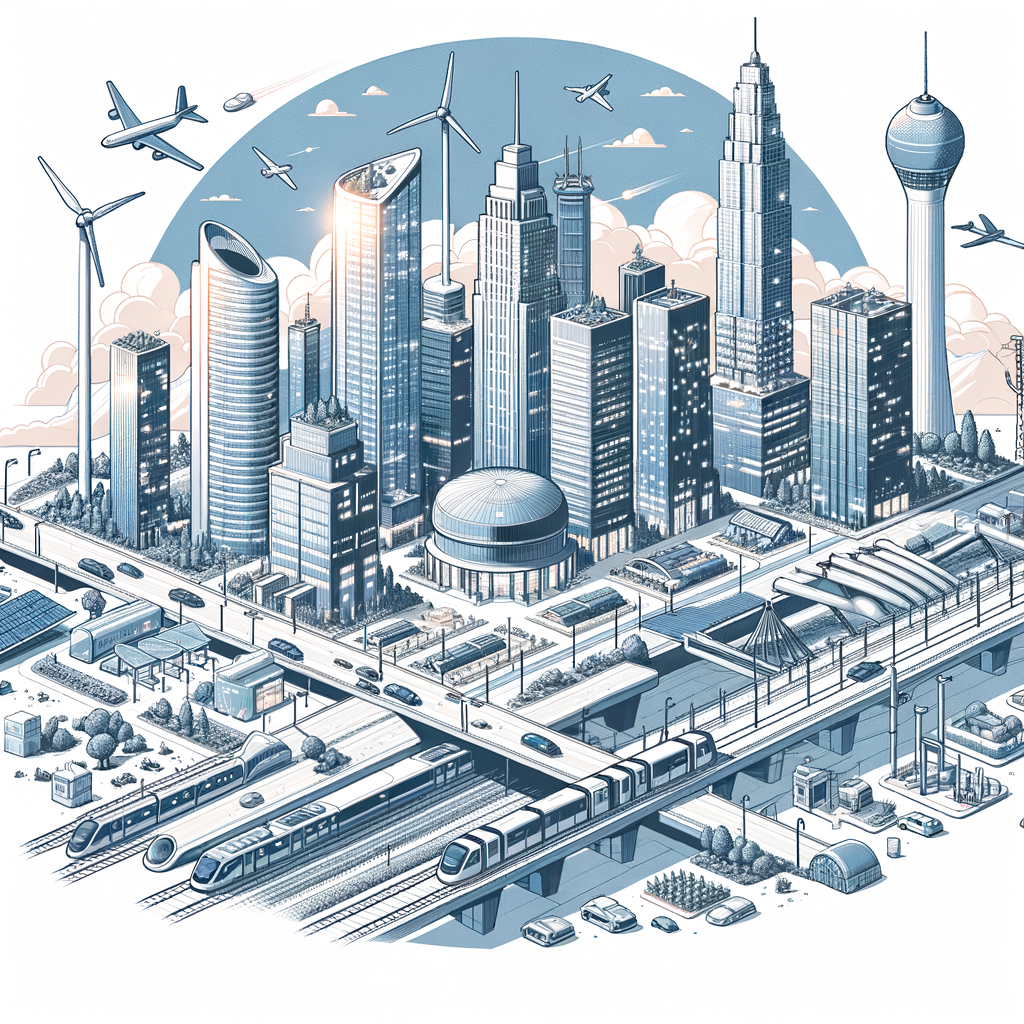
Urban infrastructure significantly impacts the auditory landscape of cities, contributing to noise pollution. This is a pressing issue in modern urban environments where the cacophony of vehicles, construction, public transport, and industrial activities bombard the senses daily. Noise pollution does more than irritate; it affects public health, quality of life, and the environment. Understanding the complexity of urban infrastructure and its relationship with noise pollution requires examining numerous components, including transportation networks, construction practices, industrial activities, and urban planning. Effective solutions to mitigating noise pollution are essential as we continue to navigate urbanization and technological advancements. This article will explore the different facets of urban infrastructure contributing to noise pollution, assess their impacts, and discuss potential strategies for noise reduction as we strive toward creating healthier and more livable cities.
Contribution of Transportation Networks
Transportation networks are crucial components of urban infrastructure, encompassing roads, railways, airports, and public transit systems. The movement of vehicles on roads is one of the leading contributors to urban noise pollution. Traffic noise originates from engines, exhaust systems, tire friction, and aerodynamics. Congested roadways exacerbate this problem as idling, stopping, and constant acceleration add to the din of honking and human activity. Additionally, heavy vehicles such as trucks and buses produce specific low-frequency sounds that travel long distances, increasing their disruptive potential.
Railways are another notable source of noise pollution in urban contexts. The sound of passing trains includes engine and wheel-rail interactions, especially with high-speed rail systems, and the clanging of crossing signals and warning bells further disrupts peace. Rail noise can permeate surrounding areas, affecting residential neighborhoods and commercial zones near tracks. Moreover, railway stations can contribute to overall urban noise due to the bustle of commuters and public address systems.
Airports, often situated in or near urban centers, are significant contributors to local noise pollution. The roar of airplanes during take-off, landing, and while taxiing can be deafening. The high decibel levels associated with aviation noise lead to considerable concern, not only for the areas directly beneath flight paths but also for the broader urban environment. Night flights and early morning departures particularly inflict noise disturbance when cities are otherwise quieter.
Public transit systems, such as buses, trams, and subways, while being more environmentally friendly transportation options, still contribute to urban noise levels. The operational sounds of these systems, including the mechanisms of buses and the screeching of metal wheels on tracks, compound urban noise problems. However, the transition to electric and other quieter technologies offers some respite, although implementation is gradual and uneven across regions.
Construction and Development Activities
Construction is an inherent feature of urban development, associated with the refurbishment of existing infrastructure and the erection of new buildings. The nature of construction work, involving heavy machinery such as drills, jackhammers, and cranes, means it is inherently noisy. Construction noise results from simultaneous actions, materials handling, and waste removal, creating disruptive environments daily.
The timing and regulation of construction activities significantly impact the levels of noise pollution experienced by urban populations. Construction often coincides with daily commuting and business hours, minimizing disturbance during late-night hours. Nevertheless, extended projects and round-the-clock construction are commonplace, rendering such noise management strategies insufficient. Residential areas, in particular, bear the brunt of prolonged construction noise exposure, which can diminish the quality of life for residents.
Urban expansion often involves demolishing and refurbishing old structures, contributing additional noise pollution. The processes of blasting, smashing, and rubble clearing necessitate machinery that raises noise levels considerably. Moreover, construction noise often reverberates off nearby buildings, amplifying its reach and effect. Thus, construction activities form a persistent source of noise pollution challenging to abate fully in urban settings.
Industrial Activities
Urban centers host various industrial activities, contributing prominently to noise pollution. Factories, processing plants, and manufacturing facilities located within or near urban locales emanate persistent noise owing to their operational processes. Machinery, assembly lines, and transport vehicles employed in these operations create a continuous backdrop of sound pollution.
Contrary to residential areas, where specific noise regulations generally exist, industrial zones may have more lenient noise thresholds, allowing louder operational noise. However, when these industrial areas border residential neighborhoods, they can significantly impact residents’ health and well-being by extending high noise frequencies into these zones.
Additionally, the movement of goods in and out of industrial sites via freight trains, trucks, and delivery vehicles further compounds noise issues. These logistics operations, often active during otherwise quieter hours, increase the temporal spread of noise pollution across urban areas. Thus, unchecked industrial activities amplify the city’s overall noise levels and create logistical challenges that complicate efficient noise management efforts.
Urban Planning and Architectural Design
Effective urban planning and architectural design are pivotal elements in mitigating noise pollution. Cities built without integrating noise control into infrastructure design face significant challenges as population density increases. Many effective strategies exist for incorporating noise reduction into urban planning, like zoning laws, noise barriers, building materials, and green spaces.
Zoning laws can allocate noise-prone activities and infrastructure to specific areas, away from residential centers. However, practical implementation often faces legal challenges and pushback from stakeholders prioritizing economic growth over noise mitigation.
Architectural design often harbors potential solutions for noise problems. Innovations such as double-glazed windows, soundproofing materials, and dense building facades can reduce interior noise levels. Strategic placement of green spaces, water bodies, and natural sound barriers like tree lines also mitigate noise impacts, demonstrating the multifaceted approaches urban planners can apply.
In addition, cities benefit from integrating noise monitoring and assessment upfront in the infrastructural development process. Employing analytical models to predict potential noise pollution resulting from infrastructure projects allows planners to incorporate accommodations in the project’s early stages and optimize site layout for better noise management.
Impact on Public Health and Well-being
Noise pollution, stemming from urban infrastructure, poses significant risks to public health. Chronic noise exposure is associated with adverse effects, including hearing loss, stress, cardiovascular issues, and sleep disturbances. Noise impairs concentration, hampers work productivity, and may induce psychological stress levels, contributing to anxiety disorders and depression.
Moreover, vulnerable populations, such as the elderly, children, and individuals with pre-existing health conditions, are particularly susceptible to noise pollution. Prolonged exposure to high noise levels can interfere with children’s cognitive development and educational outcomes due to difficulties in speech comprehension and concentration issues in noisy school environments.
Community well-being and enjoyment of public spaces are also affected when noise pollution intrudes on leisure and recreational areas. The stress from noise discourages outdoor activities, adding to sedentary lifestyles, which, in turn, increase public health costs due to cardiac issues and obesity-related conditions.
Strategies for Noise Reduction
To combat urban noise pollution effectively, a multipronged approach involving policy, technology, and community action is vital. Legislation can enforce stricter noise regulations and establish monitoring systems, promoting accountability among polluters. Implementing low-noise asphalt on roads, urban green roofs, and promoting quieter vehicle technology further cushions noise impacts.
Additionally, urban planners could prioritize the development of pedestrian zones and cycling paths, reducing reliance on noisy transportation modes. Enhancing public transportation systems with quieter electric vehicles and sound-insulated subway cars also signifies practical steps towards noise mitigation.
Local governments and community organizations need to amplify community awareness regarding noise pollution and its health impacts. Residents can engage in proactive measures, like planting sound-buffering vegetation and organizing local advisory groups to voice noise concerns.
Innovative technological advancements in sound analytics and active noise cancellation offer promising avenues for urban noise reduction, showcasing the potential for technology-driven sound management solutions.
Conclusion
In comprehensively addressing urban noise pollution, it is crucial to understand the intricate relationships between urban infrastructure components. From transportation networks and construction activities to industrial zones and urban planning frameworks, each plays a role in the city’s soundscape. Effective noise management strategies require a harmonious blend of regulatory, technological, and community-driven efforts.
Acknowledging noise pollution’s impact on public health and the overall quality of urban life directs attention to necessary intervention measures. Tailored strategies incorporating cutting-edge solutions must consistently evolve alongside urban development to ensure sustainable and serene urban environments.
Policymakers, urban planners, and residents must collectively prioritize noise pollution as a fundamental concern, ensuring that future urbanization promotes improved living conditions and healthier cityscapes. Encouraging innovation, advocacy, and informed public participation will equip cities globally with the tools needed to address this pressing urban challenge effectively.
Frequently Asked Questions
1. What is noise pollution, and how is it connected to urban infrastructure?
Noise pollution refers to the unwanted or excessive levels of sounds in the environment, which can harm human health and environmental quality. In urban settings, this is often attributed to the infrastructure of the city itself. Urban infrastructure includes roads, bridges, tunnels, public transport systems, industrial facilities, and construction sites, all of which contribute to the cacophony of noises. Cars honking, trucks rumbling, trains clanging, planes roaring overhead, and construction equipment droning can turn city life into an auditory assault. This relentless noise isn’t just a nuisance—it can lead to serious health issues like hearing loss, stress, sleep disturbances, and an impaired quality of life. Thus, mitigating noise pollution often requires reevaluating and adapting urban infrastructure to consider the auditory impact alongside other environmental concerns.
2. How does urban transportation infrastructure contribute to noise pollution?
Transportation infrastructure is one of the primary contributors to noise pollution in urban areas. The movement of vehicles on roads, highways, and railways produces continuous sound and vibrations. Cars and motorcycles add to the din with engines revving and horns blaring. Large trucks and buses create deep, resonant noises, while trains produce loud chugs, clanks, and whistles as they navigate densely populated areas. Urban areas often have airports nearby, contributing further with the loud droning of aircraft taking off, flying overhead, and landing. Notably, even public transportation systems like subways and trams can generate significant noise through squealing brakes and track friction. Addressing noise pollution from transport infrastructure involves developing quieter vehicle technologies, implementing better soundproofing materials, optimizing routing, and enforcing noise regulations.
3. In what ways can urban construction and development projects increase noise pollution?
Urban construction and development projects are notorious for their noise, which can severely disrupt communities. The sounds of heavy machinery, cranes, drills, jackhammers, and loading operations create a constant barrage of noise often starting early and continuing late into the night. The planning and carrying out of these projects often neglect to account for their acoustic impact on the surrounding community, exacerbating everyday noise levels. The transient nature of these projects makes it easy to delay addressing the issue, but the noise is nonetheless a significant source of pollution during the operation period. To curb noise pollution from construction, cities can implement better site management practices, such as limiting work hours, using quieter equipment, creating noise barriers, and involving community feedback during project planning stages.
4. Can industrial activities within urban areas be major contributors to noise pollution?
Yes, industrial activities are significant contributors to urban noise pollution. Many cities encompass industrial zones with factories, warehouses, and production facilities, all of which generate noise from various operations such as machinery running, loading and unloading of products, and ventilation systems. Even heartbeat levels of noise from such operations can cause serious disturbances when compounded, particularly since industrial activities often continue round the clock. The noise isn’t contained either; it travels and penetrates residential and commercial neighborhoods. The impact is extensive, affecting the livelihood and health of nearby residents. Reducing industrial noise pollution involves redesigning industrial equipment to be quieter, implementing soundproofing solutions within plants, and locating industry zones away from residential areas or introducing stringent noise limits.
5. How can urban planning help mitigate noise pollution in cities?
Urban planning provides a proactive approach to mitigating noise pollution. Sound consideration at the planning stage means building cities that incorporate natural sound barriers like green spaces, trees, and parks, which not only absorb sound but also provide serene retreat areas. Smart urban design includes zoning laws that separate noisy industrial and commercial areas from quieter residential areas. Additionally, planners can integrate noise-reducing technologies and materials into the urban fabric, like special low-noise road surfaces, advanced soundproof building materials, and strategic noise barriers, such as walls or even creatively designed community sculptures that both enhance the aesthetic appeal and serve a functional purpose. Implementing rigorous noise regulations, continuous monitoring and community education on noise pollution’s implications can significantly curb its impact, promoting a healthier urban environment. The key is having an inclusive and foresighted planning perspective, ensuring noise is considered alongside other essential factors like transportation and housing.