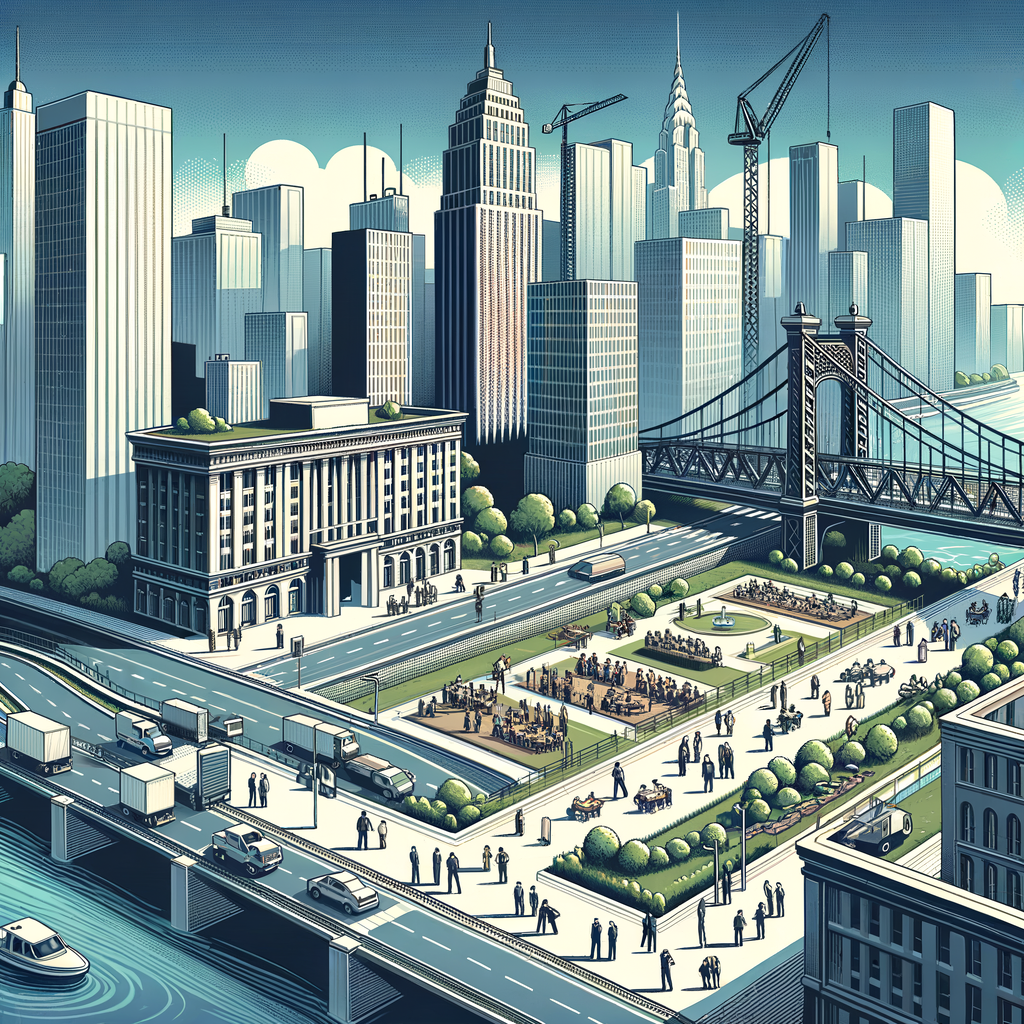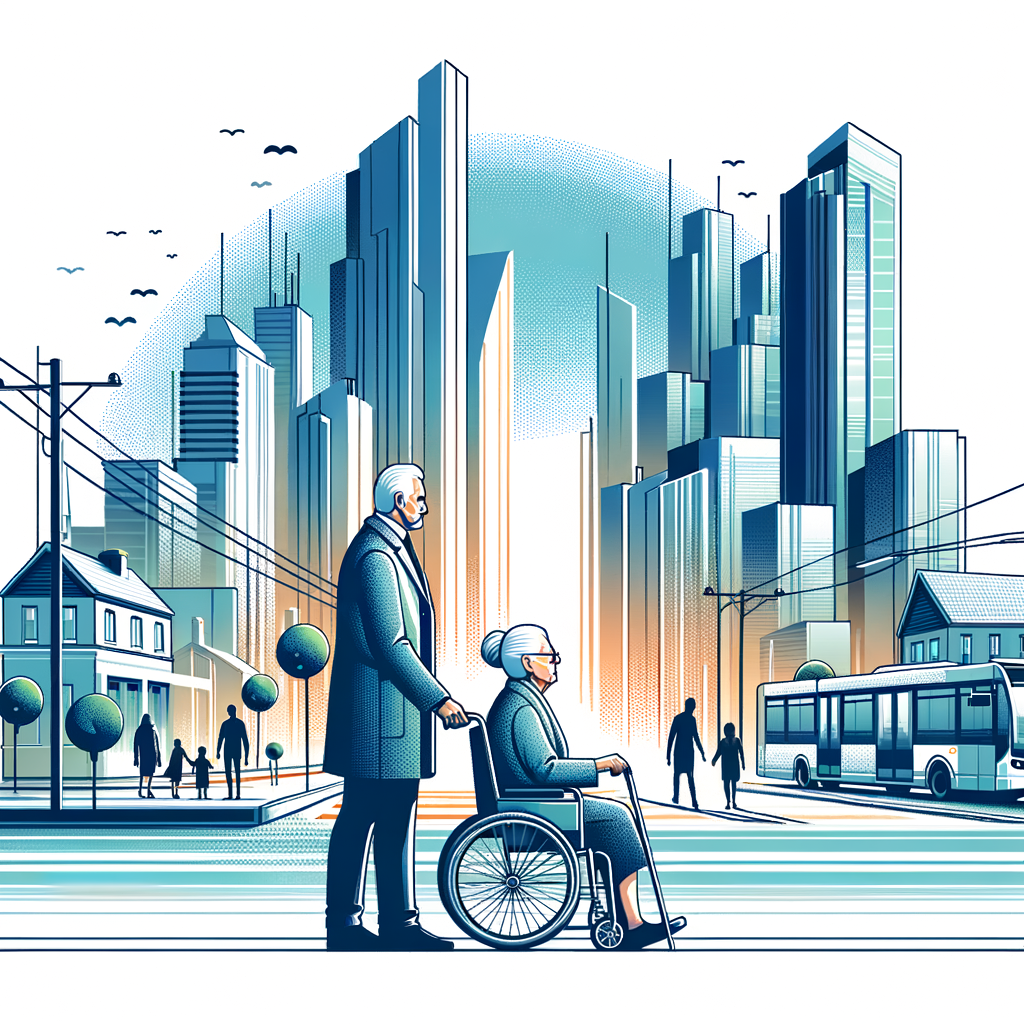
Urban infrastructure is fundamental to the development and functionality of cities across the globe. As the backbone of urban living, infrastructure encompasses everything from transportation systems and utilities to public services and communication networks that support the dynamic life of urban citizens. However, a profound demographic shift is currently occurring: populations are aging. This transformation presents unique challenges and opportunities for urban infrastructure development and adaptation. As birth rates decline and life expectancy increases, cities are seeing a larger percentage of their population falling into the older age brackets. This demographic trend necessitates an assessment of how urban environments can accommodate and support aging populations effectively. In this article, we will explore the intersection of urban infrastructure and aging populations, examining how cities can evolve to address the needs of their aging residents while maintaining functionality and vitality for people of all ages. By understanding the specific demands that aging populations place on urban infrastructure, planners and policymakers can envision innovative, inclusive, and sustainable solutions. The goal is to create urban spaces that are accessible, safe, and conducive to healthy living for elderly individuals, while also considering the needs of the younger population. The following sections will delve into current infrastructure challenges faced by aging populations, strategies for improvement, and the potential benefits of rethinking urban planning with these demographics in mind.
Challenges in Current Urban Infrastructure
As urban areas expand and evolve, they must contend with the challenges posed by aging infrastructures that were often designed without consideration for a rapidly growing elderly population. Current urban infrastructures frequently fall short of addressing the unique needs of older adults, who may require safer, more accessible, and more efficient means of mobility and access to amenities. Public transportation systems, for instance, often lack low-floor buses or adequate seating, making them difficult or unsafe for seniors to use. Stations may be inaccessible for those with mobility difficulties. Sidewalks—important for walkability—can be uneven, poorly lit, or lacking in railings, presenting hazards for the elderly. Moreover, crosswalks may not allow enough time for older pedestrians to cross safely.
Housing also presents significant challenges. Many older adults live in their homes long into their senior years, often in housing ill-suited to their changing physical needs. Factors such as multiple stories, the absence of elevators, and lack of basic accessibility features like ramps or stairlifts can make it difficult for seniors to navigate their own homes. Furthermore, many urban areas suffer from a shortage of affordable, age-appropriate housing options, leaving seniors in a precarious situation.
Urban health care infrastructure is another critical area often unprepared for an aging population. With increasing healthcare needs, older adults require more consistent and convenient access to medical services. However, existing facilities are frequently overwhelmed and located in areas that may be challenging for seniors to reach. The lack of integration between healthcare services and community support systems further exacerbates the issues faced by the elderly.
Opportunities for Improvement
Successfully addressing the needs of aging populations calls for innovative approaches to urban planning. One fundamental strategy involves incorporating universal design principles that ensure environments and products are accessible to all people, regardless of age or ability. Universal design enhances the pedestrian experience with ample lighting, benches for resting, smooth, wide sidewalks, and clearly marked, timed crosswalks.
Public transportation must also be revamped to become more inclusive. Integrating features such as step-free buses and trains, seamless interchange facilities, and the use of technology to provide real-time updates can create systems that serve elderly passengers effectively. Ensuring stations have elevators, ramps, and clear signage is also essential.
In terms of residential options, cities can encourage the development of affordable, senior-friendly housing. One approach is the construction of housing models like co-housing and mixed-age communities where seniors can remain socially engaged while having access to shared amenities and support services. Retrofitting existing structures with modifications like grab bars, non-slip flooring, and adequate elevators should be priorities for urban developers.
Healthcare infrastructure needs to be more accessible and integrated into local neighborhoods to reduce travel time and inconvenience for seniors. Expanding home healthcare services and telemedicine capabilities can bridge the gap between healthcare providers and patients, facilitating continuous care without the need for frequent hospital or clinic visits.
The Role of Technology
Technology has significant potential to transform urban infrastructure in ways that cater to aging populations. Smart technologies can support seniors in maintaining independence and improving the quality of life. City planners can incorporate IoT (Internet of Things) devices to monitor infrastructure usage and identify areas needing maintenance or enhancement. Smart city solutions like ambient sensors in homes and public areas can alert caregivers or medical professionals in the event of health emergencies, facilitating rapid response times.
Moreover, technology can improve public transportation systems through automated fleet management and navigation aids that cater specifically to seniors. Mobile applications can simplify route planning and transit schedules while providing elderly users with options tailored to their mobility needs. For healthcare, technology can enable remote patient monitoring, allowing seniors to receive care at home instead of in hospitals, hence reducing strain on urban health resources.
Sociocultural and Community Considerations
Urban planning must also consider the social and cultural impacts of infrastructure changes on aging populations. Fostering social connectivity is critically important to combat loneliness and isolation, common issues among elderly populations. Infrastructure projects should incorporate communal spaces and centers where seniors can engage in social activities ranging from hobby clubs to workout classes designed for older adults.
Cultural awareness also plays a role in planning. Understanding diverse community needs and preferences helps ensure that urban areas are welcoming and inclusive. The collaboration between policymakers, community leaders, and older residents is crucial to design spaces that reflect the demographic’s desires and necessities.
Policy Implications and Economic Factors
Adjusting urban infrastructure to accommodate aging populations has significant policy and economic implications. Policymakers need to prioritize investments in infrastructure that align with demographic changes. This planning involves considering long-term cost savings that may arise from enhanced independence and reduced healthcare expenditures for seniors. Creating age-friendly environments can spur economic benefits by attracting elder tourism and businesses that cater to older adults.
Public-private partnerships could serve as a vehicle for leveraging resources and expertise. Collaborative efforts between the government, private sectors, and non-profit organizations ensure a more cohesive strategy that maximizes value and impact.
Another key policy consideration is the equitable distribution of resources so all areas, regardless of socioeconomic status, can develop infrastructures suitable for elder populations. Such approaches ensure aging populations everywhere receive adequate support.
Conclusion
Urban infrastructure and the needs of aging populations are intrinsically linked as cities worldwide undergo demographic shifts. As the number of older adults increases, urban planners and policymakers face the critical challenge of adapting infrastructure to support this demographic’s unique needs. Overcoming these challenges involves comprehensive strategies that encompass physical, social, and technological solutions.
Implementation of universal design principles, inclusive transportation, age-appropriate housing, and accessible healthcare is crucial. Technology will play an indispensable role in creating smart, responsive, and inclusive urban environments. In tandem with physical infrastructure improvements, fostering social interaction and cultural inclusion ensures that seniors remain active, engaged, and valued members of the community.
The economic and policy ramifications of these changes are substantial, offering potential for innovation and collaboration. By carefully considering the needs of the aging population, cities can transform into vibrant, inclusive spaces that enhance the quality of life for everyone. Ultimately, proactive planning and a commitment to inclusivity will pave the path for sustainable urban aging solutions, ensuring that future generations can enjoy dynamic and supportive urban environments. Building such environments is not merely a necessity but an opportunity to develop cities that are resilient, inclusive, and prosperous, benefiting society as a whole.
Frequently Asked Questions
1. How does population aging impact urban infrastructure?
Population aging significantly impacts urban infrastructure by increasing the demand for accessible and senior-friendly facilities. As people age, their mobility may decrease, requiring adjustments in transportation systems to ensure accessibility for all citizens. This includes elevators, escalators, and ramps at public transit stations, as well as wider sidewalks and more frequent crosswalks with extended timing. Additionally, aging populations may require more healthcare facilities, necessitating the expansion of hospitals and clinics within urban environments. These changes also extend to utility services; for instance, there may be a growing need for reliable on-demand utilities, as older adults typically spend more time at home and may have different usage patterns compared to younger demographics. Cities must adapt to these changes to maintain functionality and inclusivity, ensuring all citizens can enjoy urban life with ease.
2. What adjustments can urban areas make to support aging populations?
Urban areas can support aging populations by implementing a variety of adjustments aimed at increasing accessibility and independence for older citizens. Enhancements to public transportation are crucial, such as installing low-floor buses, adding more frequent stops, and ensuring that transit routes connect major residential areas with healthcare facilities and leisure centers popular with seniors. Cities can also expand green spaces that promote physical activity and social interaction, essential elements for healthy aging. It’s important to consider the design of public areas and private housing; age-friendly housing initiatives may include modifying building codes to allow features like no-step entrances and bathroom safety fixtures. Public services must adapt by offering more community-based support and social programs designed to reduce isolation, helping senior citizens remain socially engaged and active. These changes require a collaborative effort from urban planners, local governments, and community organizations to effectively create a supportive environment for aging residents.
3. What role does technology play in addressing the challenges of aging populations in urban areas?
Technology plays a critical role in addressing the challenges faced by aging populations in urban areas. Innovations such as smart city technologies enhance urban living by integrating data and communication networks with city infrastructure to improve efficiency and service delivery. For instance, smart transportation systems can offer real-time updates and routing options optimized for accessibility, making it easier for older adults to navigate the city. Telemedicine is another example, drastically improving healthcare access for seniors who may have mobility issues by allowing them to consult with healthcare providers remotely. Additionally, smart home technologies can provide safety and ease of living for seniors by automating household tasks and incorporating monitoring systems to alert healthcare services in case of emergencies. Urban planners can leverage these technological advancements to create more responsive and age-friendly cities, ensuring that infrastructure evolves alongside demographic shifts.
4. How can community engagement be leveraged to improve urban infrastructure for aging populations?
Community engagement is paramount in effectively tailoring urban infrastructure to the needs of aging populations. By actively involving seniors in the planning and decision-making processes, cities can gain valuable insights into the specific challenges and preferences of older adults. Community forums, surveys, and participatory workshops can facilitate dialogue between seniors, urban planners, and policymakers, leading to more informed infrastructure decisions that directly reflect the needs of local communities. This inclusive approach might also encourage innovative solutions that blend traditional urban planning with grassroots initiatives, such as community-managed shared spaces or senior-focused volunteer programs that enhance quality of life. By fostering a sense of community ownership and accountability, urban areas can create environments where seniors feel valued and engaged. This not only improves infrastructure but also strengthens social cohesion, enhancing the overall well-being of aging populations.
5. What challenges do cities face when rebuilding or redesigning infrastructure for aging populations?
Cities face numerous challenges when aiming to redesign infrastructure to accommodate aging populations. One significant barrier is the financial investment required to upgrade existing infrastructure, which can be substantial, particularly for cities with constrained budgets. Funding allocation must be strategic, ensuring that investments focus on areas of greatest need. Furthermore, navigating regulatory frameworks and achieving compliance with local, state, and national standards can slow down the implementation of new designs. The physical limitations of urban spaces present another challenge—older cities might lack the space needed to expand roads for more pedestrian-friendly features or to retrofit old buildings. Additionally, balancing the diverse needs of a multi-generational urban population demands a comprehensive and nuanced approach, often requiring stakeholders to mediate between conflicting interests and priorities. Despite these challenges, proactive planning and a commitment to inclusive design principles can gradually transform urban spaces into environments that better support an aging demographic.