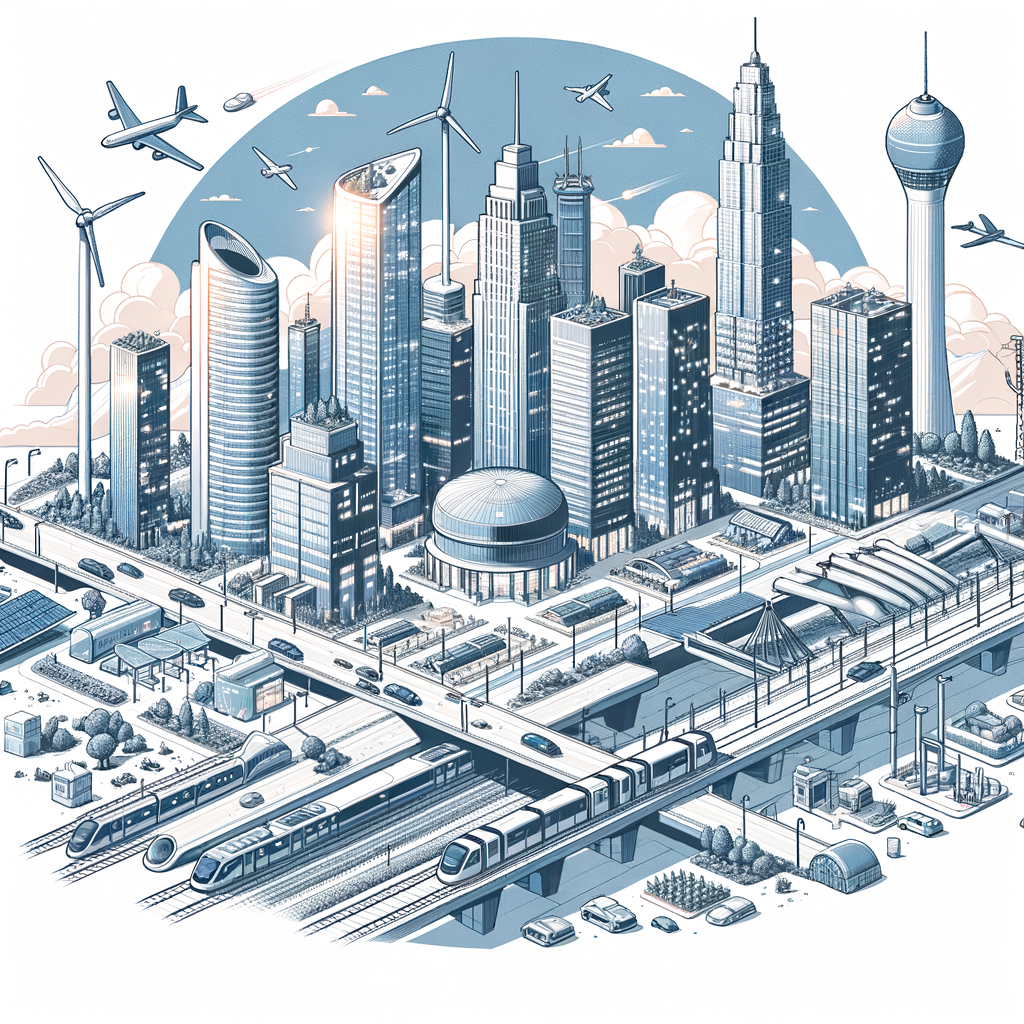
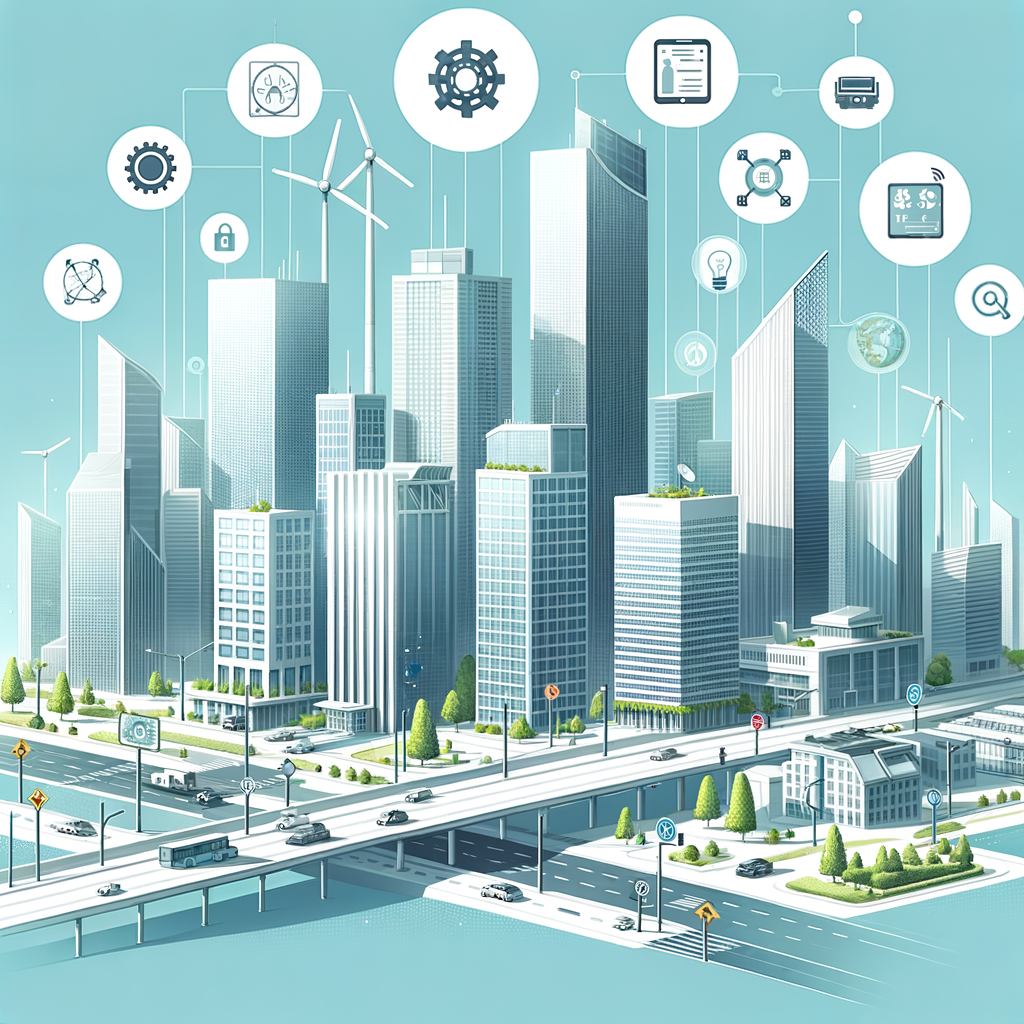
Urban infrastructure serves as the backbone of modern cities, a complex network of elements crucial for ensuring functionality, safety, and the quality of urban life. It encompasses everything from roads, bridges, and water supply systems to waste management and public transportation. With rapid advancements in technology, digital connectivity has become a pivotal component of modern urban infrastructure. This synergy facilitates not only efficient management of urban systems but also enhances the quality of life for city dwellers. The integration of digital connectivity with urban infrastructure transforms how cities function, making smart cities a reality. This relationship is crucial in addressing the challenges of urbanization, improving sustainability, and delivering better services to citizens.
As cities expand, the need for advanced urban infrastructure becomes more pressing. Population growth and migration towards urban centers have increased the demand for efficient resources and services. Consequently, digital solutions are being adopted widely to support these infrastructures. Smart grids, intelligent transportation systems, and IoT-enabled utilities represent just a few examples. Moreover, the evolution of digital connectivity promotes inclusivity and accessibility, ensuring even the most marginalized citizens can access urban resources. This introduction seeks to unravel the complexities of urban infrastructure and its relationship with digital connectivity, setting the stage for an in-depth exploration of its impacts, innovations, and future potential.
The Interplay Between Urban Infrastructure and Digital Connectivity
The interplay between urban infrastructure and digital connectivity is pivotal in shaping modern cities. Urban infrastructure encompasses the foundational physical structures, including transportation systems, water supply networks, energy grids, and waste management systems essential for city operations. Meanwhile, digital connectivity refers to the integration of digital technology within these physical structures, supporting efficient communication, data sharing, and real-time monitoring. By intertwining these two domains, cities can enhance their functionality, sustainability, and ability to meet residents’ needs.
Digital connectivity facilitates efficient management of urban infrastructures by promoting smart solutions. Smart grids, for example, use digital technology to automate electricity distribution, optimize energy efficiency, and reduce costs. Such intelligent systems are better equipped to handle energy demands, adapt to consumption patterns, and reduce wastage. The digital layer introduces capabilities like real-time monitoring and predictive analytics, enabling rapid responses to operational challenges and maintenance needs. Consequently, integrating connectivity within energy infrastructure enhances reliability and sustainability.
Transportation systems, another critical urban infrastructure component, are revolutionized through digital connectivity. Intelligent transport systems (ITS) employ technologies like IoT sensors, GPS, and dynamic traffic management systems to monitor and manage traffic flow. This results in reduced congestion, improved safety, and decreased travel times. Additionally, the rise of autonomous vehicles and the digitalization of public transport systems exemplify how digital connectivity transforms urban transport, making it more efficient and user-friendly.
Water supply and waste management systems also benefit significantly from digital connectivity, ensuring optimal resource allocation while minimizing environmental impact. Smart water networks employ digital sensors and real-time data analytics to manage water distribution systems efficiently. By detecting leaks and monitoring usage patterns, cities can prevent water losses and maintain reliable supply. Similarly, IoT-enabled waste management systems optimize waste collection routes, promote recycling efforts, and minimize environmental pollution. The use of data-driven technologies ensures cities make sustainable choices in managing resources.
Digital connectivity fosters not only operational efficiency but also inclusivity and accessibility within urban infrastructure. The integration of mobile applications and digital platforms simplifies citizen engagement with services such as urban planning, transport networks, and emergency services. Individuals can access timely information, voice concerns, and participate in city governance, contributing to the democratic process. Furthermore, improved connectivity ensures marginalized groups, such as persons with disabilities or low-income families, have equitable access to services, creating inclusive urban environments that cater to diverse populations.
The extent of digital connectivity’s impact on urban infrastructure varies across cities based on factors such as technological adoption, regulatory frameworks, and local economic conditions. Nevertheless, cities worldwide are recognizing the benefits, investing in innovative solutions transforming both physical and digital facets of urban infrastructure. Smart city initiatives serve as prime examples, integrating digital solutions to deliver efficient services, reduce carbon footprints, and enhance residents’ quality of life.
The fusion of urban infrastructure with digital connectivity heralds an era where cities benefit from data-driven governance, which fosters informed decision-making. Municipalities rely on aggregated data to evaluate infrastructure performance, identify bottlenecks, and prioritize investment. By embracing digital connectivity, cities leverage evidence-based strategies to allocate resources efficiently and improve urban planning.
Innovative Solutions and Digital Technologies
The integration of innovative digital technologies within urban infrastructure represents a significant leap towards transforming urban spaces into smart, efficient, and sustainable environments. Various digital solutions now play pivotal roles in redefining how cities operate, thus influencing urban infrastructure’s adaptability and efficiency. One of the forefront technologies is the Internet of Things (IoT), which interlinks devices, enabling them to communicate and exchange data effortlessly. This connectivity permits urban infrastructures to function intelligently and respond dynamically to the needs of the city.
The deployment of IoT-driven devices has revolutionized sectors such as traffic management, where sensors and interconnected systems analyze vehicular flow, accidents, and road conditions. Real-time adjustments streamline traffic and improve safety for commuters. Another innovative application is within smart buildings, where IoT facilitates energy-efficient solutions. These solutions monitor heating, cooling, and lighting systems, redefining energy consumption patterns to minimize wastage and reduce carbon footprints.
Beyond IoT, big data analytics stand as a cornerstone within smart urban infrastructure, supplying decision-makers with actionable insights. The wealth of data harvested through digital connectivity is invaluable, providing opportunities to optimize energy consumption, predict infrastructure failures, and manage resources effectively. For instance, utility companies leverage big data to predict peak usage periods and balance energy loads.
Artificial intelligence (AI) further advances urban infrastructure efficiency by offering powerful predictive analytics, automation, and optimization tools. AI algorithms enhance traffic management systems, leading to automated, real-time interventions addressing congestion. Additionally, AI supports facility maintenance by predicting failures, ensuring prompt repairs, and extending infrastructure lifespans. Public health monitoring also benefits from AI within urban spaces, allowing rapid responses to health crises and improving overall community well-being.
Another transformative digital technology influencing urban infrastructure is broadband connectivity. High-speed internet access is a key enabler for other technologies, powering smart city frameworks and bridging the digital divide. However, challenges remain in ensuring equitable broadband distribution, particularly in underserved neighborhoods. Public-private partnerships have emerged as strategic avenues to bridge this gap, deploying fiber networks and enhancing digital inclusivity.
5G technology further propels the smart city vision, offering unmatched speed, reliability, and capacity. Enhanced mobile connectivity bolsters smart city initiatives, enabling innovations such as V2X (Vehicle-to-Everything) communication, which supports autonomous driving and real-time traffic management. The rollout of 5G networks accelerates the deployment of augmented reality (AR) and virtual reality (VR) solutions within urban planning, simulating development impacts and engaging citizens in decision-making processes.
Challenges and Opportunities
While the convergence of digital connectivity within urban infrastructure promises transformational advantages, it also faces numerous challenges. Primary obstacles include data privacy concerns, cybersecurity threats, and issues of digital equity. As cities accumulate vast amounts of data, ensuring privacy and protection from breaches is critical. Robust cybersecurity frameworks are vital in safeguarding city infrastructure from malicious attacks.
Moreover, the rapid pace of technological evolution poses adaptation challenges for cities. Continuous upgrades require substantial investments and technical expertise, potentially stretching municipal budgets. To overcome financial constraints, cities must explore collaborations and partnerships that facilitate resource pooling and cost-sharing strategies.
On the brighter side, the evolving relationship between digital connectivity and urban infrastructure presents exciting opportunities. Embracing connectivity-driven urban infrastructure fosters economic resilience, attracting businesses and talent. Digitalization boosts efficiency and productivity, encouraging innovation and economic vibrancy within urban centers.
The emphasis on sustainability through connectivity-enabled solutions yields positive environmental outcomes, allowing cities to meet their climate agendas and advance their sustainability goals. Likewise, digital connectivity serves as a catalyst for social inclusivity, empowering citizens by providing platforms for participation, shaping urban policies, and addressing socioeconomic inequalities.
Conclusion
Urban infrastructure’s vital role in modern cities is evident, forming the foundation sustaining urban life. As cities worldwide embrace the challenges of rapid urbanization and sustainability imperatives, the integration of digital connectivity emerges as a defining force in shaping future urban environments. Digital solutions extend traditional infrastructure capabilities, enhancing efficiency, sustainability, and inclusivity.
Adopting an innovative, connectivity-driven approach holds tremendous promise for cities aspiring to become smart, vibrant hubs where technology manages resource distribution efficiently, enhances citizen participation, fosters inclusivity, and ultimately improves overall quality of life. The transition to digitalized frameworks requires collective efforts from stakeholders spanning municipal authorities, private sectors, and communities. Collaborative approaches, stakeholder engagement, and strategic investments drive cities towards achieving the vision of dynamic urban infrastructure seamlessly intertwined with cutting-edge digital connectivity.
As urban landscapes evolve, extensive digital connectivity is indispensable, laying the groundwork for intelligent, responsive infrastructure systems. The symbiotic relationship between urban infrastructure and digital connectivity signifies a progressive, transformative journey—unlocking endless possibilities for creating future-ready cities that thrive economically, environmentally, and socially. This journey demands strategic vision, commitment to overcoming challenges, and embracing opportunities that shape safe, sustainable, and incredibly connected urban spaces.
Frequently Asked Questions
1. What comprises urban infrastructure, and why is it important for modern cities?
Urban infrastructure is the backbone of our cities, playing a critical role in making them functional, safe, and livable. It’s like the intricate DNA of an urban area, comprising roads, bridges, water supply systems, waste management, and public transportation, among others. Imagine the impact of a failing infrastructure—a bridge collapsing or a water supply running dry. Such occurrences can paralyze daily life, disrupt economic activities, and endanger lives.
Infrastructure is more than just the physical structures we see; it’s an interconnected network that supports every aspect of urban life. When we have well-maintained roads and reliable public transportation, it promotes easy and efficient movement of people and goods. Clean and efficient waste management contributes to public health and environmental sustainability. And don’t forget the importance of consistent and safe water supply systems—an absolute must for households and businesses alike.
In essence, robust urban infrastructure is essential for economic prosperity, public safety, and quality of life. It supports everything from our daily commutes to the electricity that powers our homes and the systems that keep us safe and healthy. The continuous development and upkeep of this infrastructure are therefore pivotal to managing urban growth and ensuring that cities remain functional and sustainable.
2. How has digital connectivity transformed urban infrastructure?
Digital connectivity has revolutionized urban infrastructure by introducing smart technologies and data-driven solutions. This transformation is akin to giving cities a digital nervous system, capable of sensing changes, processing information, and initiating responses almost instantaneously. Consider how the advent of smart traffic lights and intelligent public transport systems have minimized congestion and improved commute times. Using real-time data, these systems can anticipate and adjust to traffic patterns, hence ensuring smoother journeys for everyone.
Moreover, smart water management systems can now detect leaks and wastage far more accurately, thus promoting efficient water use and helping in conservation efforts. Waste management, once a manual, labor-intensive process, now benefits from technology through optimized collection routes and recycling processes informed by data analytics. Digital connectivity has also enhanced emergency response systems, with improved communication networks enabling quicker and more coordinated responses to fires, natural disasters, or health emergencies.
Besides improving the operational efficiency of urban systems, digital connectivity has enriched the quality of life in cities by providing easier access to essential services, improving public safety, and fostering more connected communities. All these facets of digital connectivity contribute to making cities smarter, sustainable, and more resilient to future challenges.
3. Why is the integration of digital infrastructure crucial for future urban development?
The integration of digital infrastructure is no longer a luxury but a necessity for future urban development. As cities face the dual challenges of rapid population growth and resource constraints, it becomes increasingly vital to implement infrastructure that can adapt efficiently and sustainably to such pressures. Digital infrastructure allows for the seamless integration of smart solutions that optimize resource use, minimize environmental impact, and improve overall service delivery.
For instance, smart grids and sensors integrated into urban utilities enable cities to manage energy distribution more effectively, reducing wastage and enhancing energy efficiency. In transportation, digital infrastructure supports the expansion of autonomous vehicles and smart transit systems, providing residents with more options and consequently reducing reliance on personal vehicles and easing the burden on road networks.
Furthermore, digital infrastructure fortifies cities against a myriad of threats, ranging from cyber threats to natural disasters, by providing robust communication networks and intelligent systems capable of rapid adaptation and response. As we move towards a future where urban environments will need to be more responsive, adaptive, and sustainable than ever, the integration of digital infrastructure stands as a pillar of that evolution.
4. How does digital connectivity enhance the quality of life for urban residents?
Digital connectivity fundamentally enhances urban residents’ quality of life by creating smarter, more efficient, and interactive cities. It starts with convenience—offering seamless access to a multitude of services and amenities at the touch of a button. For instance, mobile apps allow residents to check real-time public transportation schedules, pay utility bills, or even report and track civic issues like potholes, improving their daily experience and participation in city life.
Safety is another critical area enhanced by digital connectivity. Advanced surveillance systems and community alert networks have contributed to significant improvements in public safety, allowing for prompt responses to incidents and helping create a sense of security among residents. Furthermore, digital health initiatives, such as online medical consultations and remote patient monitoring, increase healthcare accessibility, which is particularly beneficial in underserved areas.
Beyond immediate services, digital connectivity fosters a sense of community. Social media platforms and local forums empower residents to engage with each other and local authorities, encouraging civic participation and community collaboration. Through these digital interactions, citizens can better influence decision-making processes, ensuring that the city evolves in ways that meet their needs.
5. What are the challenges faced in integrating digital connectivity with urban infrastructure?
While the benefits of integrating digital connectivity into urban infrastructure are vast, there are several challenges to consider. The foremost challenge is the digital divide, which can lead to unequal access to technology, disadvantaging lower-income communities and preventing them from reaping the benefits of a connected city. Addressing this divide is crucial to ensure that digital infrastructure does not exacerbate existing social inequalities.
Another challenge lies in the complexity of upgrading existing infrastructure to accommodate digital advancements. Many urban infrastructures are decades old, and retrofitting them for digital integration requires substantial investment, time, and technical expertise. These upgrades must balance innovation with the existing capacity and infrastructure constraints, often necessitating phased implementations.
Security and privacy concerns also pose significant challenges. With increased digital connectivity comes heightened vulnerability to cyber attacks, requiring robust cybersecurity measures to protect sensitive data and ensure the integrity of urban systems. Transparency about how data is collected and used is vital to maintain public trust and engagement.
Finally, regulatory issues can impede the swift adoption of digital technology. Developing appropriate policies that encourage innovation while safeguarding public welfare is an ongoing challenge for policymakers. Overcoming these hurdles requires a collaborative effort from governments, businesses, and communities to create a secure, inclusive, and forward-thinking digital urban environment.