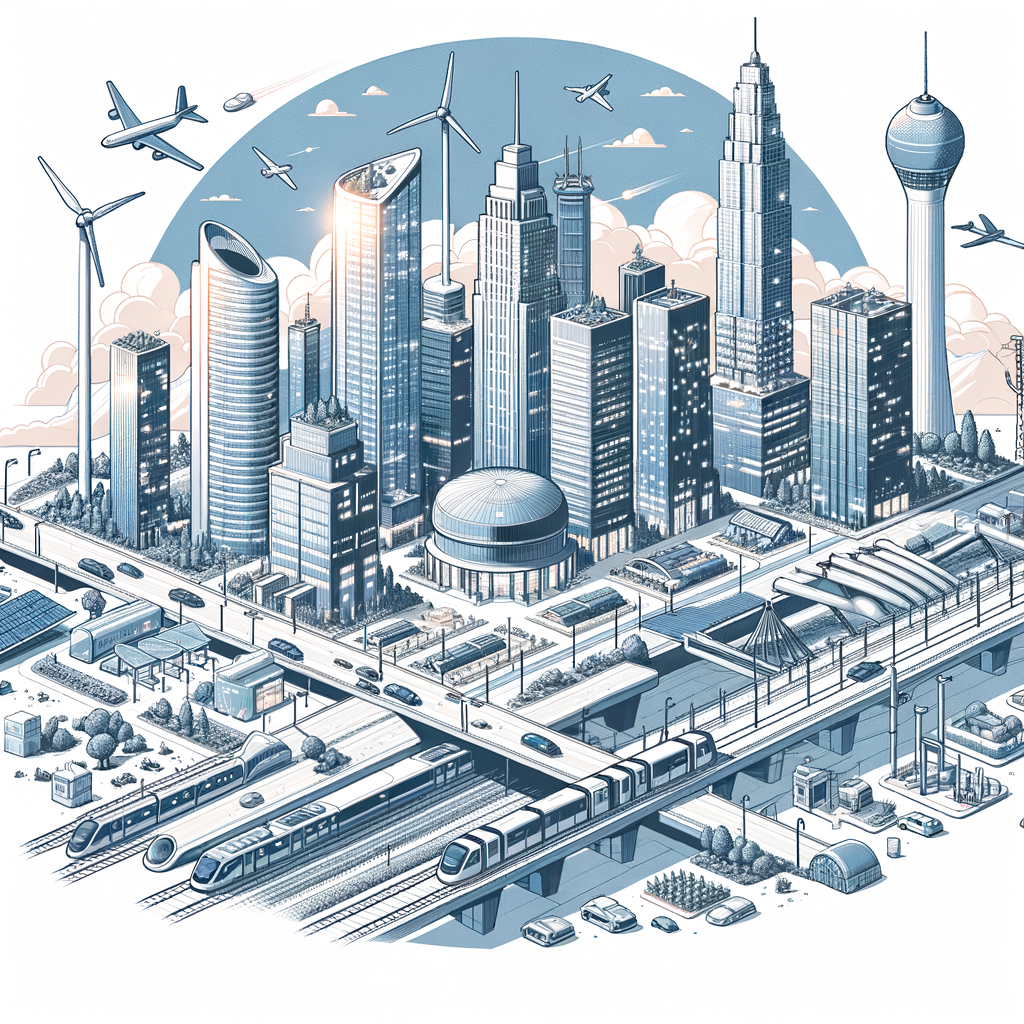
As cities around the globe continue to grow, the significance of urban infrastructure in shaping the socioeconomic landscape becomes increasingly critical. Urban areas are not just geographic concentrations of buildings and people; they are dynamic ecosystems where a confluence of infrastructure—ranging from transportation systems, utilities, and housing to social amenities—plays a pivotal role in fostering community development. This infrastructure does more than support the physical demands of urban living; it propels social, economic, and environmental benefits that facilitate a thriving community. Whether it’s about connecting people to workplaces through efficient public transport, enhancing quality of life through green spaces and recreational facilities, or ensuring equitable access to resources through smart urban planning, infrastructure forms the backbone of urban growth. Thus, understanding the role of urban infrastructure in fostering community development is essential for city planners, policymakers, and inhabitants who seek to cultivate vibrant and resilient urban environments. This article delves into the multifaceted ways in which urban infrastructure contributes to community growth, exploring its impacts, challenges, and future prospects as cities evolve to accommodate diverse populations and innovative technologies.
Transportation Infrastructure and Community Connectivity
Transportation infrastructure is one of the most visible and consequential aspects of urban development. Roads, bridges, railways, and public transit systems are not only crucial for facilitating movement but also play a significant role in economic development by connecting communities, reducing travel time, and increasing efficiency. Effective transportation networks allow for seamless mobility, thereby facilitating access to employment, education, and healthcare services. Cities with well-integrated transportation systems often experience vibrant economic growth as they attract businesses that require efficient logistics and access to a broad labor market. Furthermore, public transit systems can help reduce the environmental footprint of cities by decreasing reliance on individual car travel, leading to less pollution and contributing to a sustainable urban environment.
The design and layout of transportation networks also influence real estate values and land use patterns, as areas with good connectivity tend to be more desirable, driving up property values and encouraging new developments. However, the challenge lies in ensuring that this connectivity does not lead to inequitable outcomes, such as gentrification or displacement of low-income residents. Therefore, equitable urban planning that integrates affordable housing options is crucial in creating inclusive environments where diverse communities can benefit from improved infrastructure.
Utilities and Essential Services
Utilities such as electricity, water, and waste management constitute the core of urban infrastructure, facilitating everyday life and enabling economic activities. Reliable access to these utilities is fundamental for community health, safety, and economic prosperity. Inadequate infrastructure in these areas can lead to critical challenges, including health issues from unsafe drinking water, disruptions in productivity due to power outages, and environmental degradation from poor waste disposal practices. Investments in upgrading and expanding utility services are critical to accommodating urban growth and maintaining a high quality of life for residents.
Moreover, innovative technologies like smart grids and water recycling systems are transforming how utilities are managed in urban settings. They offer efficient, cost-effective solutions and reduce the environmental impact, contributing to the sustainability and resilience of urban communities. The integration of these technologies also creates new economic opportunities and jobs, further stimulating community development.
Housing and Social Equity
Housing is a fundamental component of urban infrastructure, directly affecting social equity and quality of life. Affordable and adequate housing is critical for fostering community stability and cohesion. As cities expand, housing shortages and rising costs can lead to socio-economic disparities, with marginalized groups often bearing the brunt of these pressures. Urban planning must therefore prioritize inclusive housing policies that provide diverse housing options to accommodate different income levels and family structures.
The role of infrastructure in housing extends to associated amenities, including schools, healthcare facilities, and recreational spaces. These amenities enhance livability and are essential in creating complete communities where residents can live, work, and play. In addition, mixed-use developments that incorporate residential, commercial, and recreational spaces can foster vibrant, engaged communities and reduce reliance on transportation, contributing to sustainable urban living.
Furthermore, innovative housing solutions such as modular construction, co-housing, and the use of sustainable materials can address affordability and environmental challenges while promoting a sense of community. These advances in housing infrastructure reflect broader efforts to address complex urban issues by balancing development, equity, and sustainability.
Social Spaces and Community Engagement
Beyond the physical embodiment of infrastructure, urban spaces that encourage social interaction and community engagement are vital for fostering a sense of belonging and community identity. Parks, community centers, cultural institutions, and public plazas serve as gathering spaces that nurture social ties and foster cultural expression. These spaces are crucial in promoting mental health, encouraging physical activity, and supporting community-based activities that bring residents together, building social capital.
Strategic urban design that includes well-maintained public spaces can stimulate local economies by attracting tourists and events, as well as encouraging small businesses and vendors. They serve as platforms for cultural expression and engagement, reflecting the diverse identities and histories within urban areas. Cities that invest in developing, maintaining, and enhancing these spaces see increased community cohesion and improved quality of life for their residents.
Equitable access to these social spaces is also a concern. Low-income or underserved communities frequently lack access to safe and well-equipped public spaces. Addressing this imbalance through inclusive urban design practices is necessary to ensure broad access to the social and psychological benefits these spaces provide. Creating inclusive and accessible social spaces not only supports community health but also fosters an environment where all members feel valued and connected.
Environmental Infrastructure and Sustainability
In the face of climate change and environmental challenges, sustainable urban infrastructure is gaining importance. Green infrastructure, such as green roofs, rain gardens, and urban forests, provides ecological benefits by enhancing air quality, reducing urban heat islands, and managing stormwater. These initiatives contribute to climate resilience and sustainable urban development while improving urban aesthetic appeal.
The integration of sustainable practices into urban infrastructure also supports local biodiversity and connects residents to natural systems, enhancing their quality of life. Sustainable infrastructure projects can enhance community pride and ownership, especially when residents are involved in planning and maintenance efforts.
Moreover, initiatives that focus on energy efficiency and renewable energy in buildings, transportation, and public utilities contribute significantly to sustainable urban growth. These projects can reduce a city’s carbon footprint, cut costs associated with energy consumption, and create new green jobs, all of which stimulate economic development while safeguarding the environment. As urban populations grow, adapting infrastructure to be more sustainable will be crucial in maintaining livable, resilient cities.
Conclusion
In summary, urban infrastructure extends far beyond the construction of physical structures; it is a critical driver of community development. Through transportation systems that connect neighborhoods, utilities that provide essential services, housing that fosters equity, social spaces that enable community engagement, and environmental structures that ensure sustainability, infrastructure shapes the way communities grow and thrive. Each component plays an interconnected role in nurturing an environment where economic opportunities are abundant, social ties are strong, and residents enjoy a high quality of life.
However, fostering inclusive and resilient urban environments requires mindful planning and collaboration among policymakers, urban planners, community organizations, and residents. Strategies must account for equitable access to resources and amenities, promoting social inclusion and cultural expression while addressing economic and environmental challenges. As cities continue to evolve, integrating innovative solutions into urban infrastructure will remain vital in supporting diverse, dynamic, and thriving communities into the future.
By understanding and leveraging the role of infrastructure in community development, stakeholders can create urban spaces that not only accommodate growth but enhance the well-being of all residents, ensuring sustainable and inclusive futures for generations to come.
Frequently Asked Questions
1. What is the role of transportation systems within urban infrastructure in community development?
Transportation systems are a cornerstone of urban infrastructure and play a monumental role in community development. They connect neighborhoods, facilitate economic activities, and make cities more accessible to both residents and visitors. Efficient public transportation reduces traffic congestion, lowers pollution, and provides mobility to those without access to private vehicles. It enables people to live farther from where they work or study, expanding housing options and reducing the strain on central urban areas. Moreover, well-designed transportation networks can attract businesses by providing easy access to a potential workforce and customer base. As a result, these systems help create jobs, stimulate local economies, and improve the quality of life by reducing travel times and enhancing urban connectivity.
2. How does access to utilities such as water and electricity impact urban community development?
Utilities, including water, electricity, and sanitation, are vital components of urban infrastructure that directly influence the health, well-being, and economic productivity of a community. Reliable access to clean water ensures public health by preventing disease and supporting daily needs like drinking, cooking, and sanitation. Electricity powers homes, businesses, and public services, enabling everything from lighting and heating to education and healthcare delivery. When these utilities are widely accessible and reliable, they promote a stable environment where businesses can thrive and residents enjoy a higher standard of living. Conversely, inadequate utility services can lead to public health crises, hinder economic growth, and exacerbate social inequalities, making utility access a key factor in community development.
3. In what ways does housing infrastructure contribute to community development in urban environments?
Housing infrastructure is a critical aspect of urban development, influencing both the social and economic fabric of a community. Adequate and affordable housing opportunities can provide stable living conditions, which are essential for individuals to maintain employment, education, and health. Well-planned housing developments can reduce overcrowding, minimize the risk of poverty, and prevent the formation of slums or informal settlements. Moreover, housing diversity, including mixed-income and multi-use developments, fosters communities that are more inclusive and resilient. By integrating housing with transportation and social amenities, urban planners can promote social cohesion and accessibility, making neighborhoods more diverse, vibrant, and prosperous. In essence, housing is not just about shelter; it’s about creating environments where people can thrive.
4. What is the impact of social amenities within urban infrastructure on community development?
Social amenities such as parks, recreational facilities, libraries, and community centers are vital components of urban infrastructure that significantly impact community development. They provide spaces for leisure, social interaction, and cultural expression, enhancing the quality of life for residents. Access to these amenities promotes physical and mental health, encourages community engagement, and fosters a sense of belonging. Public spaces and facilities can also be catalysts for economic development, attracting visitors, increasing property values, and generating business opportunities. Furthermore, well-planned social amenities can mitigate social inequalities by ensuring that all community members, regardless of income level, have access to essential services and recreational opportunities. Thus, they play a crucial role in building cohesive, healthy, and sustainable urban environments.
5. How does urban infrastructure influence socioeconomic growth and equality in cities?
Urban infrastructure is a powerful driver of socioeconomic growth and equality. By investing in infrastructure, cities can stimulate economic development by creating jobs during the construction phase and by improving access to markets, education, and employment opportunities. Well-planned infrastructure investments can help bridge the gap between affluent and underserved communities by improving the accessibility and quality of public services such as education and healthcare. Furthermore, infrastructure developments can lead to the revitalization of neglected areas, attracting new businesses and residents. However, it is important to ensure that infrastructure development is inclusive and equitable, to avoid displacing existing communities or exacerbating social inequalities. Thoughtfully designed urban infrastructure can promote resilience, inclusivity, and sustainable growth, enabling cities to thrive and support the well-being of all their inhabitants.