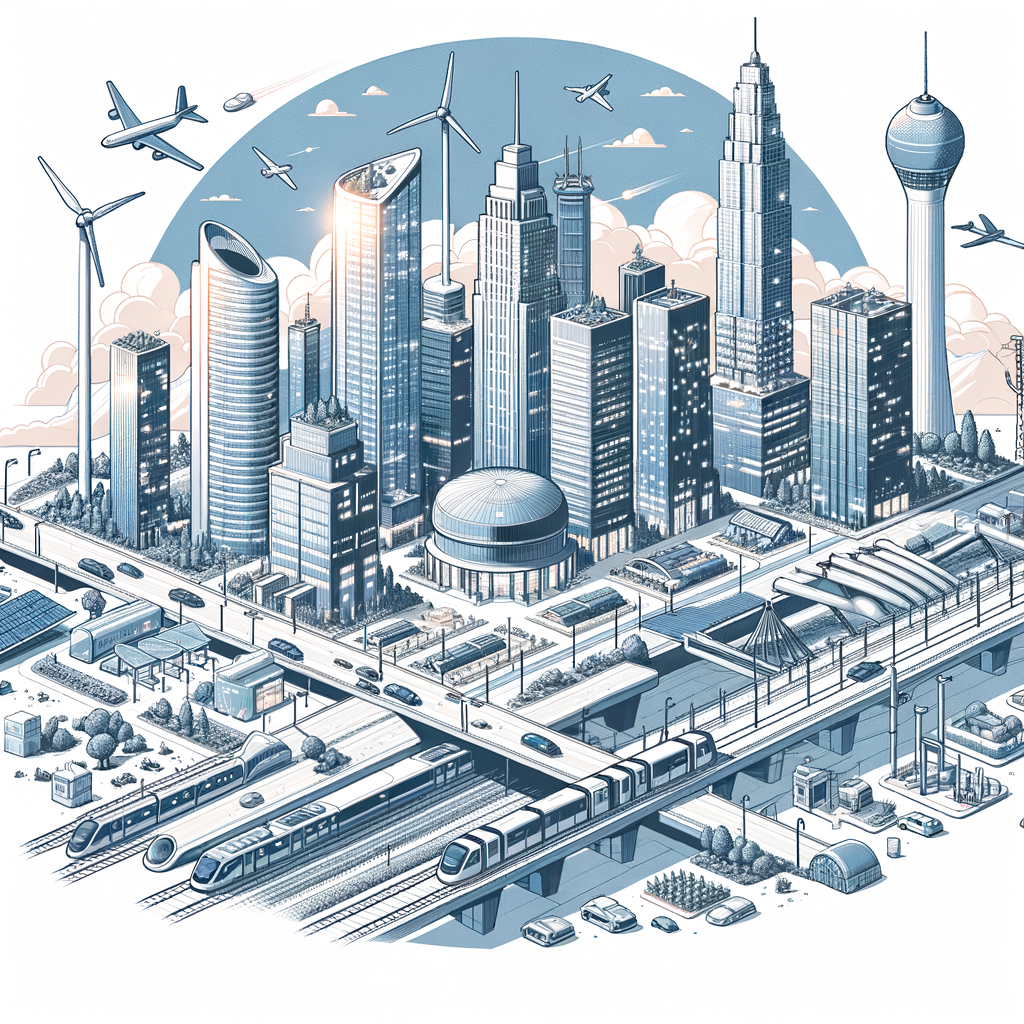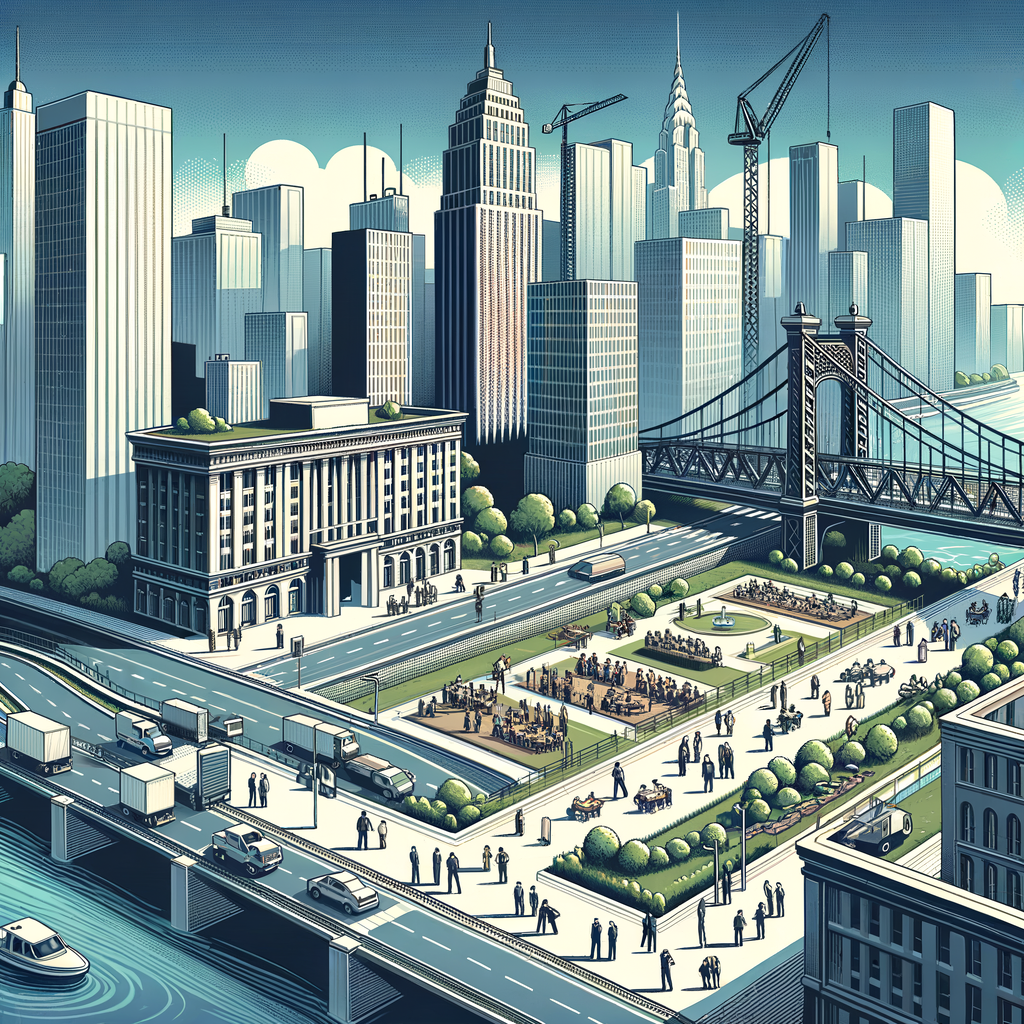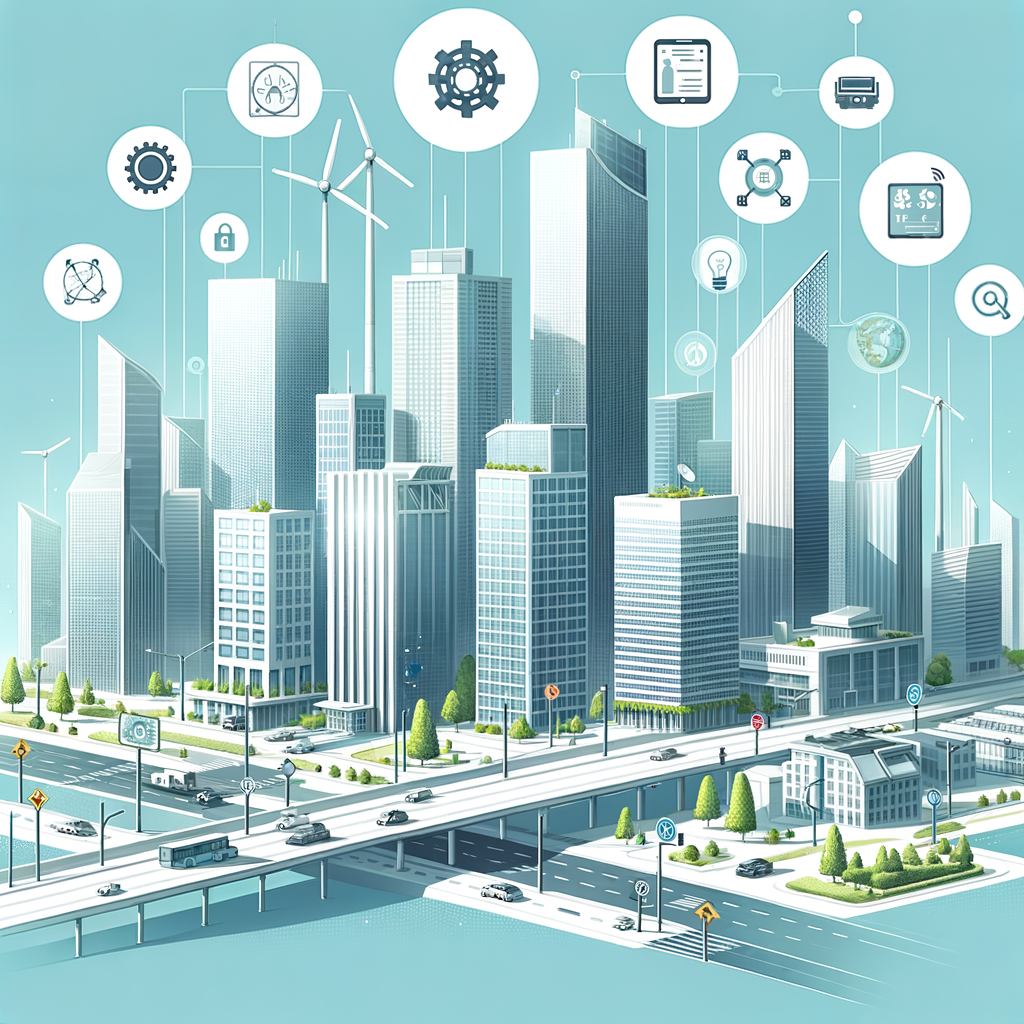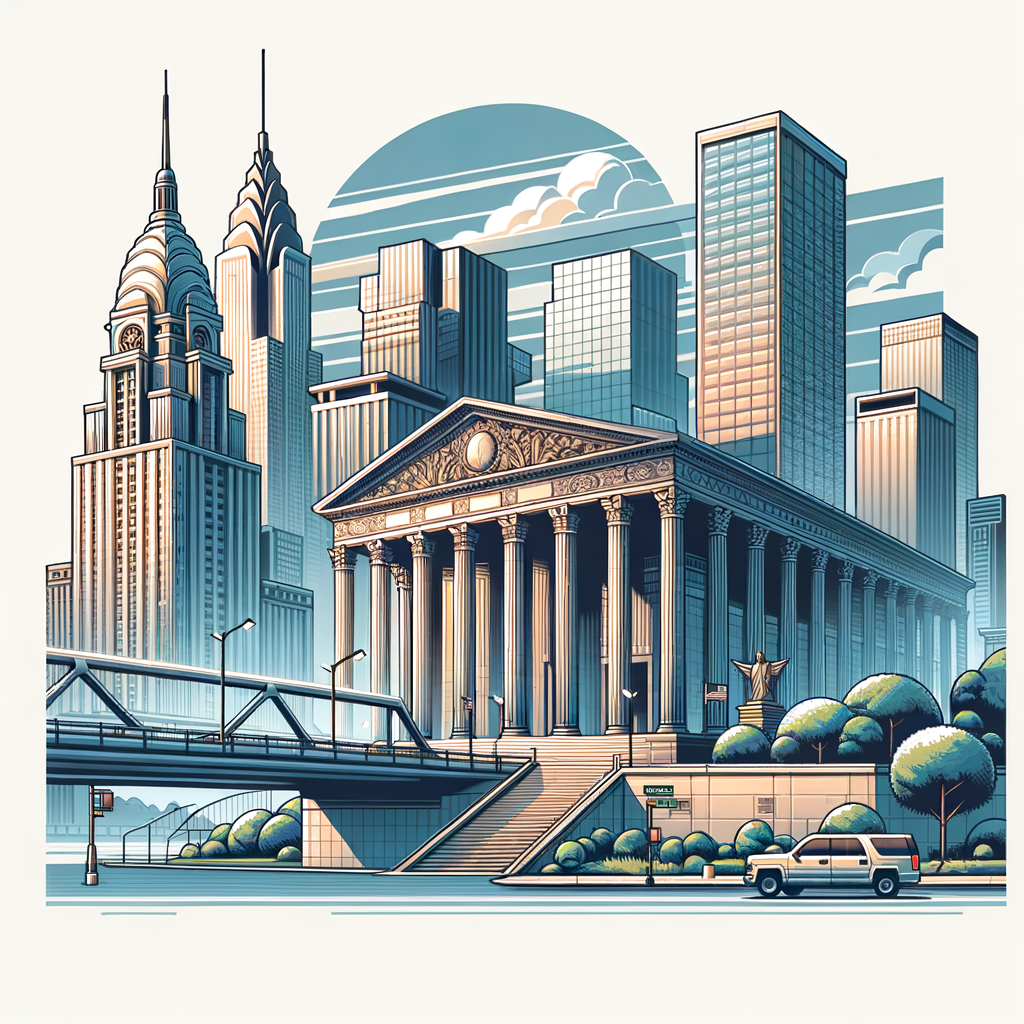
Urban infrastructure is the backbone of modern cities, providing essential services such as transportation, water supply, electricity, and waste management. As cities continue to expand and evolve, the challenge of maintaining this infrastructure while preserving cultural heritage becomes more pressing. Urban infrastructure not only facilitates day-to-day life but also shapes the identity and functioning of a city. At the same time, cultural preservation aims to maintain the intangible and tangible elements that constitute the cultural and historical identity of a place. This is a delicate balance, as cities face pressures from population growth, technological advancements, and environmental considerations. In this article, we will explore the relationship between urban infrastructure and cultural preservation, examining how cities around the world navigate the intersection of modernization and heritage conservation. We will delve into various aspects including historical site preservation, community involvement, technological integration, and sustainable practices that ensure cities can grow without losing their cultural essence.
Balancing Modernization and Heritage Conservation
The drive towards modernization in urban areas is often seen at odds with heritage conservation. However, these elements can coexist if approached thoughtfully. Infrastructure development can either threaten or reinforce cultural heritage, depending upon strategy and implementation. Major cities are frequently faced with the dilemma of upgrading their infrastructure to accommodate growing populations and technological needs, while preserving the sites and traditions that define their unique character.
In cities with rich historical backgrounds, like Rome or Athens, urban planners must incorporate historical preservation into the blueprint of city growth. This involves stringent regulations governing development around archaeological sites and historical landmarks. Innovative approaches like adaptive reuse have emerged, enabling cities to maintain their historical architecture while repurposing them for modern use. An example can be seen in how old factories or churches are now transformed into museums, commercial spaces, or cultural venues, thereby preserving their structure and significance.
Community Involvement and Cultural Preservation
Community involvement is crucial in the pursuit of balancing urban infrastructure with cultural preservation. Citizens often have strong emotional and historical connections to cultural elements within their neighborhoods, defining the community’s identity. Public engagement in planning and development ensures that the needs and values of the community are respected and integrated into contemporary infrastructure projects. Community members, urban planners, and policy-makers can collaborate in forums, hearings, and workshops to prioritize cultural preservation alongside urban development. This participatory approach can lead to comprehensive plans that incorporate local wisdom, traditions, and historical narratives into modern infrastructure.
For instance, initiatives such as neighborhood heritage walks or digital archives created by local communities have contributed to preserving cultural histories that official records might overlook. When communities are actively involved, they are more inclined to support urban projects that align with their cultural values, facilitating smoother implementation and fostering a sense of ownership. Furthermore, cities that engage their communities in urban planning often see better preservation of languages, crafts, arts, and other immaterial cultural elements.
Technological Integration in Cultural Preservation
Technological advancements provide innovative methods for integrating cultural preservation with modern urban infrastructure. Developments in fields like digital archiving, 3D modeling, and augmented reality offer new avenues to document, display, and interact with cultural heritage. These tools can help cities manage their heritage by creating virtual 3D models of historic sites, thereby allowing architects and planners to visualize changes without physically altering a site. Technologies such as GIS (Geographic Information Systems) and digital databases can facilitate the tracking of cultural assets, enabling more effective planning and preventive conservation measures.
Virtual reality technology is increasingly being used to recreate lost or endangered cultural sites, thereby preserving their memory and significance. For example, projects that recreate ancient sites in virtual spaces allow people worldwide to engage with cultural heritage from different eras and regions. This kind of immersive experience can enhance public understanding and appreciation of cultural heritage, creating a strong impetus for its preservation. Additionally, technology aids in developing sustainable solutions that respect and integrate traditional knowledge and ecological principles, marrying old cultural practices with new urban demands.
Sustainable Practices in Urban Development
Urban infrastructure does not have to come at the cost of cultural preservation, thanks to sustainable development practices. Cities are increasingly looking towards sustainability as a guiding principle that can harmonize urban growth with cultural and environmental conservation. Innovative urban designs incorporate green spaces, renewable energy sources, and eco-friendly materials, blending seamlessly with cultural sites. Sustainable infrastructure projects consider the environmental and cultural impact of construction, offering models that protect both, such as green roofs, rain gardens, and urban forests which not only provide ecological benefits but also respect traditional landscapes.
For instance, some cities have established buffer zones around cultural landmarks that limit potentially harmful activity, while still promoting urban development elsewhere. Transit-oriented development, which focuses on creating urban spaces catalyzed by public transport access, reduces the reliance on unsustainable practices and integrates residents with both modern and historical parts of a city. In Kyoto, Japan, city planning meticulously ensures that new constructions do not overshadow the horizons dominated by temples and shrines, thus protecting the spiritual and historic ambiance of the city.
Case Studies: Global Perspectives on Urban Infrastructure and Cultural Preservation
Examining global case studies provides valuable insights into the successful integration of urban infrastructure with cultural preservation. In Europe, for example, the historical city of Paris undergoes strict regulations for developments around its heritage sites. Any changes to its urban fabric, especially near UNESCO-listed entities, require extensive review processes to ensure cultural heritage remains intact while infrastructure upgrades are discreetly integrated.
In Latin America, Medellín, Colombia stands as a successful model where urban revitalization incorporated cultural preservation. The city achieved this through integral urban projects that embraced social inclusion, mobility, and public spaces, respecting community identities and cultural practices. Medellín’s creative urbanism successfully transformed it into a global benchmark without compromising its cultural heritage.
In Asia, Singapore demonstrates how infrastructure development aligns with cultural preservation through meticulous urban planning and architectural innovation. It fosters a blend of old and new by integrating modern high-rises with well-preserved ethnic quarters and heritage districts. This harmony is achieved through policies like the conservation of traditional shophouses, ensuring that urban evolution complements the island’s rich multicultural heritage.
Conclusion
Urban infrastructure and cultural preservation should not be viewed in isolation; they are intertwined aspects of a city’s life that, when effectively managed, can complement each other and ensure sustainable urban development. As cities globally continue to navigate the pressures of modernization and social change, the successful blending of infrastructure development with cultural preservation serves as a valuable lesson. Insightful planning, community involvement, technological integration, and sustainable practices foster environments where dynamic urban growth does not compromise cultural values. Through global case studies, it is evident that cities maintaining their historical essence amidst modernization not only preserve their cultural identity but also enhance their attractiveness, resilience, and livability. Cities can thrive as vibrant, multifunctional spaces that honor tradition while embracing the future by recognizing the importance of cultural preservation within urban strategies. Developing policies that integrate these dual aspects will ensure urban areas are equipped to face future challenges, retaining their distinct character while fostering inclusive growth for their inhabitants.
Frequently Asked Questions
1. What is the role of urban infrastructure in modern cities?
Urban infrastructure serves as the central nervous system of modern cities, providing essential services that are critical for day-to-day functioning. Whether it’s the roads and railways connecting neighborhoods, the water pipes delivering clean water, or the electrical grids powering homes and businesses, infrastructure forms the underpinnings of urban life. It ensures that cities are not only livable but also enable economic growth and development. This infrastructure supports the daily lives of millions, facilitating everything from efficient public transit and reliable energy to effective waste management and sewage systems. In essence, urban infrastructure permeates all aspects of city life, shaping both its efficiency and its inhabitants’ quality of life, making it indispensable in a rapidly urbanizing world.
2. How does urban infrastructure impact cultural preservation?
Urban infrastructure and cultural preservation can often be at odds with each other, as the development necessary for modern infrastructure may threaten historical sites and cultural landscapes. Infrastructure projects can lead to the demolition of heritage buildings, alteration of historical districts, or the overshadowing of cultural landmarks. However, it is also possible for them to coexist harmoniously. By integrating cultural preservation into urban planning, cities can maintain the historical and cultural identity that gives them uniqueness. Adaptive reuse of old buildings, preservation-friendly infrastructure routes, and community involvement in planning processes are ways to ensure infrastructure improvements don’t erase cultural heritage but rather highlight and enhance it. Balancing the two requires thoughtful planning and collaboration between urban developers, cultural historians, and communities.
3. What are some strategies to balance urban development with cultural preservation?
Balancing urban development with cultural preservation is a multifaceted challenge that requires a comprehensive approach. One key strategy is the integration of preservation principles into the urban planning process, ensuring that new developments respect and enhance historic sites rather than compromise them. Adaptive reuse is another effective method, where old buildings are repurposed for new uses without altering their historical significance. Additionally, employing technology such as 3D modeling can help visualize the impact of new infrastructure projects on cultural sites, allowing planners to make informed decisions that protect cultural heritage. Public participation is also crucial; involving communities in the planning process helps identify what cultural aspects are most valued and worth preserving. Regulatory frameworks and incentivization programs can encourage property owners and developers to maintain and restore heritage buildings, aligning economic goals with cultural preservation.
4. Can cultural preservation contribute to the economic growth of a city?
Absolutely. Cultural preservation can be a significant driver of economic growth in a city. Historic sites and cultural districts often attract tourism, which can generate a substantial portion of a city’s revenue. Beyond direct economic benefits from tourism, maintaining cultural heritage often increases the desirability of an area, raising property values and attracting businesses that value this added charm and authenticity. Furthermore, preserving cultural sites can create jobs linked to restoration, tour operations, and heritage management. A city with a rich cultural tapestry can distinguish itself from others, drawing in both tourists and new residents who want to experience its unique character. Thus, rather than being a financial burden, cultural preservation, when effectively managed, can provide economic incentives and opportunities.
5. How can cities effectively involve communities in cultural preservation efforts?
Involving communities in cultural preservation is vital to ensure that the efforts are meaningful and respectful of local heritage. One effective approach is through participatory planning processes that engage residents from an early stage in decision-making regarding infrastructure and cultural projects. Public forums, workshops, and surveys can be used to gather input and opinions, helping to identify what is culturally significant to local communities. Educational programs can raise awareness about cultural values and the importance of preservation, fostering a sense of ownership and pride among citizens. Cities can also encourage community-led initiatives, where local groups spearhead preservation projects, potentially with financial or technical support from municipal authorities. By placing community perspectives at the forefront, cities can tailor preservation strategies to reflect and sustain the living culture within their infrastructure development plans.