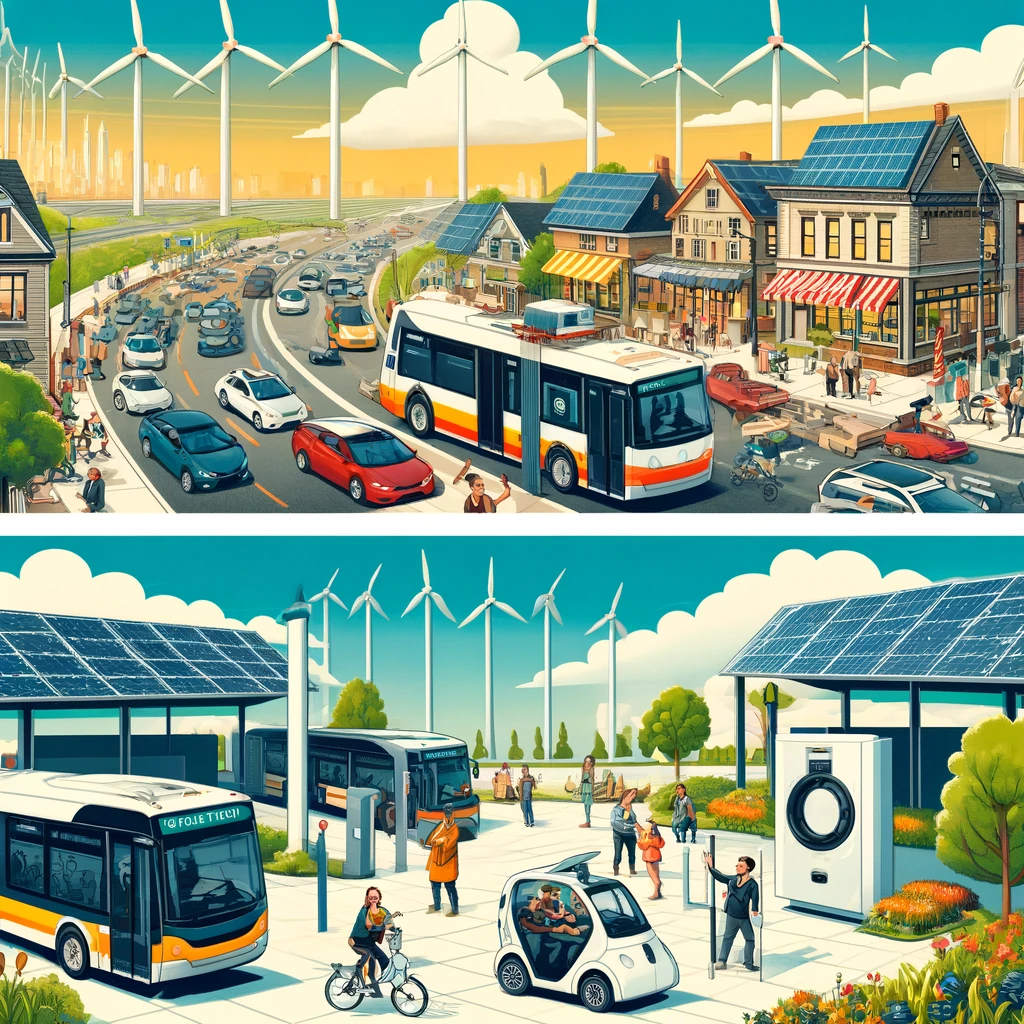
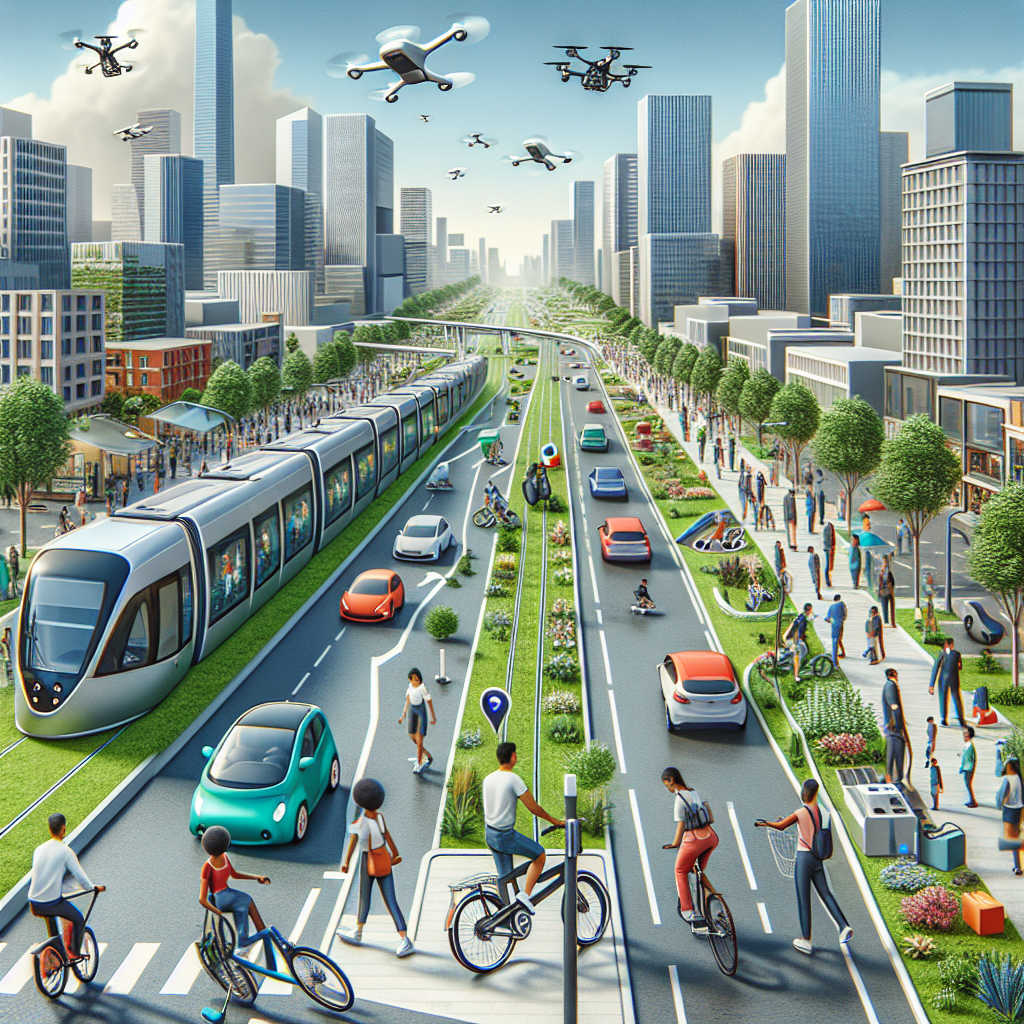
Urban Heat Islands (UHIs) are a phenomenon where urban or metropolitan areas experience significantly higher temperatures than their rural surroundings. This temperature disparity primarily results from human activities and the pervasive concrete, asphalt, and infrastructure found in cities. The increased heat affects not just the local climate, but also public health, energy consumption, and overall quality of life. As urbanization continues to accelerate globally, understanding the causes and implementing effective mitigation strategies for UHIs are critical for sustainable urban development. This article will delve into the mechanisms behind urban heat islands and offer a range of strategies to mitigate their impact, aimed at policymakers, urban planners, and concerned citizens.
Urban Heat Islands manifest in various ways, from increased daytime temperatures to elevated nighttime temperatures. The canopy layer, closest to ground level, and the boundary layer, extending from the rooftops to the atmosphere, are the two primary layers affected. These layers often trap heat, creating warmer local climates. Factors contributing to UHIs include construction materials that absorb and retain heat, reduced vegetation, increased anthropogenic heat from vehicles and industrial processes, and even certain architectural designs that exacerbate heat retention. Governmental and community initiatives aiming to mitigate UHIs can lead to significant improvements in urban living conditions by reducing energy consumption, decreasing greenhouse gas emissions, and enhancing overall environmental sustainability.
Causes of Urban Heat Islands
Understanding the causes of Urban Heat Islands is fundamental to devising effective countermeasures. One of the primary causes is the abundance of impervious surfaces like concrete and asphalt used in urban infrastructure. These materials absorb and retain heat during the day, releasing it slowly at night, thereby elevating nighttime temperatures. Additionally, tall buildings and narrow streets can create urban canyons that prevent heat from dissipating, further contributing to the urban heat effect.
Another significant cause is the reduction of green spaces. Vegetation has a natural cooling effect through the processes of shading and evapotranspiration, where plants release moisture into the air. Urban areas often see a drastic reduction in green spaces, replaced by buildings, roads, and other infrastructure that lack this cooling capacity. Trees and plants also absorb carbon dioxide and other pollutants, providing environmental and health benefits beyond just temperature regulation.
Human activities contribute significantly to the urban heat effect. Cars, factories, and air conditioning units emit heat, further raising temperatures in already warm urban areas. This anthropogenic heat, combined with the heat-absorbing properties of urban materials, can cause substantial temperature differences between urban centers and their rural surroundings.
Impact on Society and Environment
The impact of Urban Heat Islands extends beyond elevated temperatures; it affects public health, energy consumption, and environmental sustainability. Higher temperatures can lead to increased instances of heat-related illnesses, such as heatstroke and dehydration. Vulnerable populations, including the elderly and those with pre-existing health conditions, are particularly at risk. Furthermore, higher temperatures can exacerbate air pollution, leading to respiratory problems and other health issues.
The increased demand for air conditioning and cooling systems in response to higher temperatures can strain power grids, leading to higher energy consumption and increased greenhouse gas emissions. This, in turn, contributes to climate change, creating a vicious cycle of warming and further compounding the issues related to Urban Heat Islands. The economic costs associated with higher energy consumption and healthcare can be substantial, affecting the overall well-being of urban populations.
Lastly, UHIs can disrupt local ecosystems. Many plant and animal species are sensitive to temperature changes, and the altered microclimates created by UHIs can threaten biodiversity. For instance, higher temperatures can lead to changes in species composition, migration patterns, and even the timing of plant flowering and fruiting, which can have cascading effects on urban ecosystems.
Green Infrastructure as a Mitigation Strategy
One effective strategy to combat Urban Heat Islands is the implementation of green infrastructure. This includes increasing urban green spaces, such as parks, green roofs, and green walls. Urban trees and vegetation not only provide shade but also cool the air through evapotranspiration, reducing surrounding temperatures. Studies have shown that urban parks can be several degrees cooler than their surrounding areas, providing natural cooling benefits.
Green roofs, in particular, offer numerous benefits. They not only help in reducing temperatures but also provide insulation, reducing the energy needed for heating and cooling buildings. Additionally, green roofs can help manage stormwater, reducing runoff and improving water quality. They also provide habitat for urban wildlife, supporting biodiversity in otherwise concrete-dominated environments.
Similarly, green walls or vertical gardens can help cool buildings and streets. These walls consist of plants grown on the sides of buildings, offering shading and cooling benefits. They can also improve air quality by filtering pollutants and provide aesthetic and psychological benefits, contributing to the overall well-being of urban residents.
Cool Roofs and Pavements
Another effective approach to mitigate the Urban Heat Island effect is using cool roofs and cool pavements. Cool roofs are designed to reflect more sunlight and absorb less heat than standard roofs. They can be constructed using reflective materials or special coatings that improve their albedo, the measure of how much sunlight a surface reflects. By keeping buildings cooler, cool roofs reduce the need for air conditioning, thereby lowering energy consumption and greenhouse gas emissions.
Cool pavements work similarly by using reflective materials or permeable designs that allow water to evaporate and cool the surface. Traditional asphalt can reach temperatures of up to 150°F (65°C) during summer, whereas cool pavements remain significantly cooler. These pavements can be used in streets, parking lots, and sidewalks, helping to reduce the overall temperature in urban areas.
The benefits of cool roofs and pavements extend beyond just temperature reduction. They can improve air quality by reducing the concentration of ground-level ozone, a harmful pollutant that forms at high temperatures. Additionally, by lowering the ambient air temperature, these technologies can help mitigate the impact of heatwaves, making cities more resilient to extreme weather events.
Sustainable Urban Planning and Policy
Policy and urban planning play a critical role in mitigating the effects of Urban Heat Islands. Comprehensive urban planning strategies should integrate green infrastructure, sustainable building practices, and climate-resilient designs into the fabric of cities. Governments can incentivize the adoption of green building standards and cool roofing materials through subsidies, tax breaks, and regulatory measures.
Urban planners should prioritize the creation and maintenance of green spaces, ensuring that new developments include parks, green roofs, and other vegetative elements. Zoning regulations can be adjusted to require a certain percentage of green space in new developments, contributing to the overall cooling of urban areas. Moreover, the preservation of existing green spaces should be a key consideration in urban development plans.
Public awareness and community engagement are also vital. Residents can be encouraged to participate in tree-planting initiatives and adopt energy-efficient practices in their homes. Education campaigns can inform the public about the benefits of green infrastructure and sustainable urban planning, fostering a sense of community ownership and responsibility towards mitigating the Urban Heat Island effect.
Technological Innovations for UHI Mitigation
Advancements in technology offer new ways to address the challenges posed by Urban Heat Islands. For instance, smart city technologies can monitor and manage urban temperatures more effectively. Sensors placed throughout the city can provide real-time data on temperature variations, allowing for targeted interventions in hotspots.
Innovative materials, such as phase-change materials (PCMs), can be incorporated into buildings to absorb and release heat more efficiently. These materials can help regulate indoor temperatures, reducing the need for energy-intensive cooling systems. Similarly, advancements in reflective coatings and paints can enhance the albedo of various surfaces, contributing to overall temperature reduction.
Moreover, drone technology can play a role in UHI mitigation. Drones can be used to plant trees in hard-to-reach urban areas or monitor the health of urban forests. They can also assist in mapping temperature variations across the city, providing valuable data for urban planners and policymakers.
Finally, the development of smart grids can optimize energy use in response to temperature fluctuations. By integrating renewable energy sources and energy storage systems, smart grids can reduce the reliance on fossil fuels during peak demand periods, contributing to lower greenhouse gas emissions and more sustainable urban environments.
Conclusion
Urban Heat Islands present a significant challenge for modern cities, impacting public health, energy consumption, and environmental sustainability. However, a combination of green infrastructure, technological innovations, and effective policy measures can mitigate their effects and create more resilient and livable urban environments. Increasing urban green spaces, implementing cool roofs and pavements, and promoting sustainable urban planning are essential steps in addressing the Urban Heat Island effect.
Cities must prioritize the health and well-being of their residents by adopting comprehensive strategies that reduce temperatures and enhance environmental quality. Collaboration between government agencies, urban planners, communities, and technology providers is crucial to achieving these goals. By fostering a culture of sustainability and resilience, cities can not only combat the challenges posed by Urban Heat Islands but also build a foundation for a more sustainable future.
As urbanization continues to accelerate, the importance of addressing Urban Heat Islands cannot be overstated. By taking proactive measures today, cities can ensure a healthier, more comfortable, and more sustainable living environment for future generations.
Frequently Asked Questions
1. What causes urban heat islands?
Urban heat islands (UHIs) occur primarily because of human activities and the specific design and materials used in urban environments. In cities, materials like concrete, asphalt, and metal are used extensively for buildings, roads, and other infrastructure. These materials absorb and retain heat from the sun much more than natural landscapes like forests and bodies of water. What’s more, the lack of vegetation in urban areas means there’s less shade and moisture evaporation, both of which have cooling effects. Additionally, human activities such as vehicle emissions, industrial operations, and energy usage for heating and cooling contribute to higher temperatures. Waste heat from buildings, air conditioners, and vehicles add to the overall warmth, reinforcing the temperature difference between urban and rural areas.
2. How do urban heat islands impact public health?
Urban heat islands can have a profound effect on public health. Elevated temperatures can exacerbate heat-related illnesses, such as heat exhaustion and heatstroke, particularly among vulnerable populations like the elderly, young children, and those with pre-existing health conditions. Prolonged exposure to heat can also increase the risk of cardiovascular and respiratory diseases. Furthermore, UHIs contribute to air pollution problems by increasing the concentration of ground-level ozone, a harmful component of smog. This can worsen asthma and other lung conditions. Additionally, the general discomfort due to higher temperatures can adversely affect mental health, leading to increased stress and anxiety levels among urban inhabitants.
3. How do urban heat islands affect energy consumption?
The presence of urban heat islands leads to greater energy consumption, primarily because of the increased demand for air conditioning during hot weather spells. Buildings in cities need more energy to maintain comfortable indoor temperatures, putting additional strain on power grids and sometimes leading to power outages. The higher energy demands result in more greenhouse gas emissions, further exacerbating climate change issues. Moreover, the increased use of fossil fuels for electricity generation contributes to the high temperatures experienced in urban areas, creating a vicious cycle of heat and energy consumption that affects city sustainability. Addressing UHIs can thus help reduce energy consumption, save costs for consumers, and mitigate environmental impacts related to power generation.
4. Can urban heat islands impact local ecosystems?
Yes, urban heat islands can significantly disrupt local ecosystems. The increased temperatures alter the natural balance, which can lead to changes in species composition and biodiversity within city environments. Heat-sensitive species may be forced out of urban areas or face population decline, while invasive species that thrive in warmer conditions might proliferate, disrupting the ecological balance. Water bodies within cities, such as ponds and streams, often experience temperature changes that can harm aquatic life, affecting fish populations and other water-dependent organisms. Additionally, the heat can stress existing urban vegetation, reducing plant health and impacting the wildlife that depends on these plants for habitat and food resources.
5. What are some effective strategies to mitigate urban heat islands?
There are several strategies that cities can implement to mitigate urban heat islands. One approach is increasing urban greenery by planting more trees, creating green roofs, and developing urban parks. Vegetation provides shade and facilitates evaporative cooling, helping to lower temperatures in cities. Another technique is using cool or reflective building materials, which better reflect sunlight and absorb less heat than traditional materials. Implementing reflective or cool roofing and paving technologies can significantly reduce the heat absorbed by buildings and streets. Urban planners can also focus on enhancing city design to improve airflow and reduce heat buildup. Furthermore, policy initiatives that promote sustainable transportation options and reduce reliance on cars can cut down emissions and the heat they produce. Public awareness campaigns to educate citizens and encourage energy-efficient lifestyles are also crucial in long-term UHI mitigation.