Over the past few decades, urban planning has dramatically shifted in its approach to developing vibrant, sustainable communities. One of the central tenets of modern sustainable urban development is mixed-use development, an approach that integrates residential, commercial, cultural, and sometimes even industrial spaces within a single area or building. This method fosters dynamic, diverse environments where people can live, work, shop, and play without the need for long commutes or dependence on private vehicles. As our cities face growing populations and environmental challenges, mixed-use developments present practical solutions to many of these issues.
This article delves into the numerous benefits of mixed-use development, exploring its impact on community vibrancy, economic growth, environmental sustainability, and overall quality of life. As we understand these benefits, we can more actively support policies and projects that prioritize such integrated approaches to urban development.
From alleviating traffic congestion to promoting local economies, the benefits of mixed-use developments are multifaceted and far-reaching. By shedding light on these advantages, we hope to inspire a broader adoption of mixed-use strategies in urban planning and development around the world.
Enhancing Community Vibrancy and Social Interaction
One of the primary advantages of mixed-use development is the creation of vibrant, dynamic communities. Traditional urban development often segregates residential areas from commercial and recreational spaces, leading to isolated neighborhoods and a lack of community cohesion. Mixed-use developments, on the other hand, bring together diverse activities and populations, fostering a greater sense of community and belonging.
When people live closer to where they work, shop, and socialize, they are more likely to engage in their local community. This increased interaction can lead to stronger social bonds, enhanced civic participation, and a more inclusive atmosphere. Furthermore, mixed-use areas typically feature accessible public spaces, such as parks and plazas, which serve as essential venues for community events and interactions.
Social interaction is essential for mental and emotional well-being, and mixed-use developments encourage residents to form connections with their neighbors. These connections can translate into a safer and more supportive community, with residents looking out for one another and fostering a sense of mutual trust.
Boosting Economic Activity and Local Businesses
Mixed-use developments can significantly stimulate local economies by enhancing opportunities for businesses and entrepreneurs. By integrating retail, office, and residential spaces, these developments create a built-in customer base for local businesses. Retailers, restaurants, and service providers benefit from the constant foot traffic that comes from being surrounded by residential units and office spaces.
Moreover, mixed-use environments often attract a diverse array of businesses, from large corporations to small startups and mom-and-pop shops. This variety can appeal to a wider range of consumers and create a more dynamic, resilient local economy. Entrepreneurs and business owners are more likely to thrive in such an ecosystem, where their potential customer base includes residents, employees, and visitors.
Property values in mixed-use developments often see a positive uptick as well, benefiting both developers and homeowners. The convenience and vibrancy of such locations make them highly desirable, leading to increased demand and higher property values. This, in turn, can spur further investment and development in the area, creating a positive economic cycle.

Environmental Sustainability and Reduced Carbon Footprint
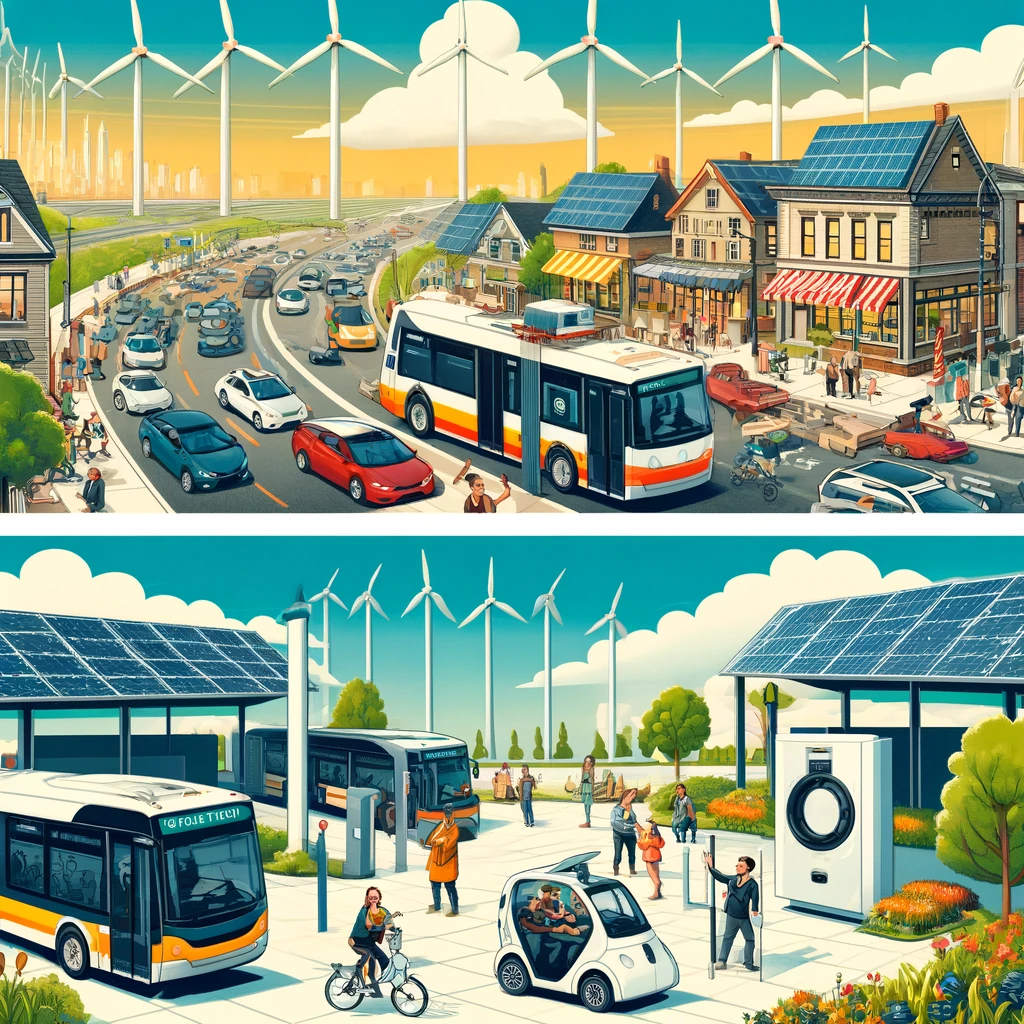
In the face of escalating concerns about climate change and environmental sustainability, mixed-use developments offer a more eco-friendly approach to urban planning. One of the most significant environmental benefits of mixed-use development is the potential reduction in automobile dependency. When people can live, work, and play within the same area, they have less need to drive long distances, thus reducing traffic congestion and lowering greenhouse gas emissions.
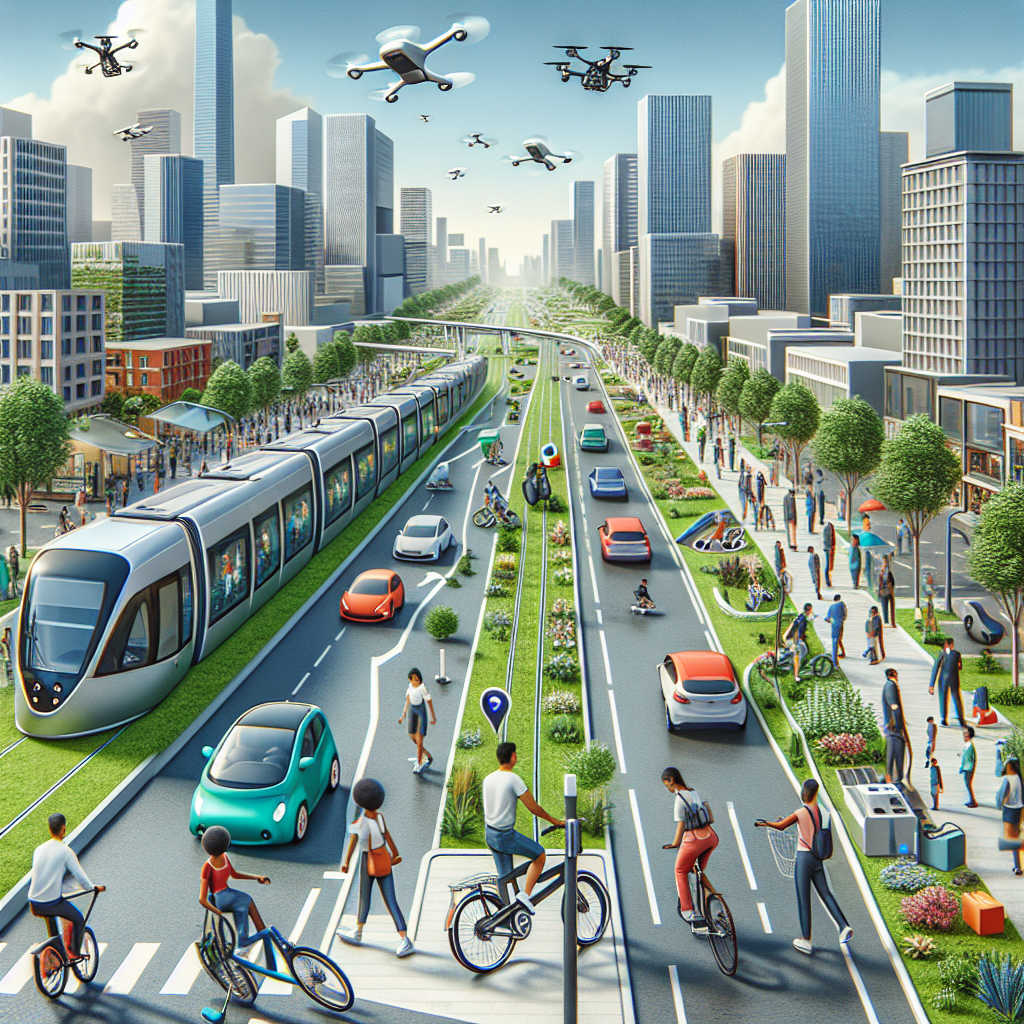
Mixed-use developments also encourage the use of public transportation, walking, and cycling, further diminishing the environmental impact of daily commutes. Well-designed mixed-use areas often incorporate pedestrian-friendly pathways, bike lanes, and easy access to public transit options, making sustainable transportation choices more viable and appealing.
In addition to reducing transportation-related emissions, mixed-use buildings themselves can be designed with sustainable practices in mind. Energy-efficient construction techniques, green roofs, and the use of renewable energy sources can further lower the environmental footprint of these developments. By fostering higher-density living and reducing urban sprawl, mixed-use developments also help preserve natural landscapes and green spaces.
Improving Accessibility and Reducing Inequality
Accessibility and inclusivity are crucial considerations in sustainable urban development, and mixed-use developments can play a significant role in addressing these issues. Traditional planning models often result in segregated neighborhoods, where amenities and services are concentrated in specific areas, leaving some populations underserved. Mixed-use developments aim to distribute these resources more evenly, providing all residents with easy access to essential services and amenities.
By combining different types of housing, including affordable units, with commercial and cultural spaces, mixed-use developments create more inclusive environments. This integrative approach ensures that individuals from varying socioeconomic backgrounds have the opportunity to benefit from local amenities, reducing inequality and promoting social equity.
Furthermore, mixed-use areas often feature designs that cater to people of all abilities, with accessible public spaces and infrastructure that accommodate the needs of individuals with disabilities. This inclusivity is critical in creating cities that are welcoming and functional for everyone, regardless of their physical or economic status.
Maximizing Land Use Efficiency
As urban populations continue to grow, the efficient use of land becomes increasingly important. Mixed-use developments are inherently more efficient in their use of space compared to traditional, single-use zoning. By consolidating different functions into a smaller footprint, mixed-use developments alleviate the pressure on urban land resources.
This efficient land use has multiple benefits, including the conservation of open spaces and natural habitats. By preventing urban sprawl, mixed-use developments help protect rural and undeveloped areas from encroachment, preserving these lands for agriculture, recreation, and natural ecosystems.
Additionally, efficient land use translates into better infrastructure planning and maintenance. Concentrating various services and amenities within a compact area allows for more effective and cost-efficient infrastructure development. Utilities, transportation networks, and public services can be more easily integrated and managed in mixed-use developments, reducing overall costs and improving service delivery.
Creating Resilient and Adaptive Communities
The flexibility and adaptability of mixed-use developments contribute to the creation of resilient communities that can better withstand economic fluctuations and environmental challenges. These developments are inherently more versatile, capable of evolving in response to changing community needs and market demands.
Mixed-use areas tend to be economically resilient because they are not reliant on a single industry or type of business. A diverse mix of residential, commercial, and cultural enterprises can absorb and adapt to economic shifts more effectively than single-use zones. This economic diversity makes mixed-use communities less vulnerable to market downturns and more capable of sustaining long-term growth.
Furthermore, the design of mixed-use developments often incorporates flexible spaces that can be repurposed or reconfigured as needed. This adaptability ensures that buildings and public spaces can continue to serve the community even as its needs and preferences change over time. Such resilience is invaluable in creating sustainable urban environments that can thrive in the face of uncertainty and change.
Conclusion
As cities around the world grapple with the challenges of rapid urbanization, climate change, and social inequality, mixed-use developments offer a robust and viable solution for sustainable urban growth. These developments foster vibrant, inclusive communities where people can live, work, and play without the need for long commutes or significant environmental impact.
By enhancing community vibrancy, boosting local economies, promoting environmental sustainability, and improving accessibility, mixed-use developments embody the principles of sustainable urban development. They provide a blueprint for creating resilient, efficient, and adaptable urban environments that meet the diverse needs of their residents.
As we continue to explore and implement mixed-use strategies in urban planning, we have the opportunity to create cities that are not only more sustainable but also more livable and equitable for everyone. Supporting mixed-use development is an investment in a healthier, more connected, and more sustainable future for our urban centers.
Frequently Asked Questions
1. What exactly is mixed-use development, and how does it differ from traditional urban planning?
Mixed-use development refers to the integration of different building uses – typically residential, commercial, and cultural spaces, and sometimes even industrial areas – into a single, cohesive development project. This means you might find an apartment complex with ground-floor retail, office spaces, or even recreational facilities all in one area. Traditional urban planning often separates these uses into distinct zones. For instance, residential areas would be separate from commercial districts, and people would need to commute between zones for work, leisure, or shopping. Mixed-use developments eliminate these boundaries, allowing communities to thrive with a more seamless combination of living and working environments all within walking distance. This can lead to less traffic congestion, reduced reliance on cars, and a more engaging urban experience that encourages walking and interaction amongst residents and visitors alike.
2. How do mixed-use developments contribute to sustainability?
Sustainability is all about meeting the needs of the present without compromising the resources for future generations, and mixed-use developments play a crucial role in this. They encourage reduced vehicle usage as everything from workspaces to leisure activities and basic shopping can be accessed on foot or by bicycle, significantly cutting down the carbon footprint generated by everyday commutes. The integration of different infrastructures within a single site also promotes more efficient use of resources and can lead to the increased implementation of renewable energy sources, open spaces, and eco-friendly architecture. Additionally, mixed-use developments optimize land use, which can mitigate urban sprawl by making existing urban areas denser and more vibrant, rather than expanding into undeveloped, potentially ecologically sensitive lands.
3. How do mixed-use developments impact the social dynamics of a community?
The beauty of mixed-use developments lies in their capacity to nurture diverse communities. By bringing together various uses in one location, these developments encourage interaction among a range of people who might not otherwise cross paths. A single building can house retirees, young professionals, families, and shop owners, making it a community in its own right. This creates opportunities for social interaction and community events that can lead to more vibrant and cohesive communities. Furthermore, mixed-use developments often incorporate public spaces like parks or plazas that serve as communal gathering locations, bolstering community spirit and encouraging civic engagement. Such an environment can also promote inclusivity and cultural exchange, making the locale more appealing and dynamic for residents and visitors alike.
4. What economic benefits do mixed-use developments provide?
Economically, mixed-use developments can be extremely beneficial both for local economies and for investors. The diverse range of activities within a single area can attract a consistent flow of people throughout the day and week, supporting local businesses and boosting the economy. The convenience of nearby amenities increases property values and attracts desirable tenants. For city governments, the increased density means more efficient use of municipal services and infrastructure. In providing spaces for retail, dining, and offices, these developments create job opportunities, encouraging economic growth within the community. Since people spend where they live, mixed-use spaces often see increased commercial activity compared to monotonous, single-use zones.
5. Are there any challenges or downsides to mixed-use developments?
While mixed-use developments offer numerous advantages, they do come with certain challenges. Developing a mixed-use site can be more complex and costly initially due to the need for higher infrastructure standards and more intricate building designs to accommodate different uses effectively. Regulatory and zoning hurdles can also pose difficulties, as some areas might have outdated zoning laws that don’t support mixed uses. Additionally, without careful planning, there’s a risk of increased noise, congestion, and a lack of privacy for residents if commercial areas become too crowded. Proper management and thoughtful design are essential to ensuring these areas remain attractive and functional for all users. Balancing the interests of diverse groups within the same space can also be a challenge, necessitating ongoing community engagement and governance to address concerns as they arise.