Urban mobility is the system that moves people and goods through a city, and it sits at the center of smart city development because transportation shapes access to jobs, housing, education, healthcare, and public space. In practice, urban mobility includes public transit, walking, cycling, roads, freight, parking, ride-hailing, micromobility, and the digital tools that coordinate them. A smart city uses data, connectivity, and responsive infrastructure to improve quality of life, reduce waste, and make services work better. When these two ideas meet, city leaders gain one of the clearest ways to turn technology into measurable public value.
I have worked on mobility planning projects where a single change in bus priority or parking policy affected retail traffic, commute times, emissions, and even perceptions of neighborhood safety. That is why urban mobility matters beyond transportation departments. It is a cross-sector operating system for the city. If mobility is slow, unreliable, expensive, or unsafe, economic development stalls and social inequities deepen. If mobility is connected, affordable, and resilient, cities become more productive and more inclusive.
The term smart city is often misunderstood as a technology branding exercise. In reality, the strongest smart city programs start with service outcomes: shorter travel times, fewer traffic deaths, lower emissions, better access for low-income residents, and more efficient use of street space. Sensors, connected signals, mobile ticketing, digital twins, and open data are tools, not goals. Urban mobility is the area where those tools can be evaluated most clearly because performance can be tracked through ridership, mode share, travel time reliability, curb turnover, fleet electrification, and crash rates.
This hub article covers the full role of urban mobility in smart city development, from infrastructure and data governance to equity, sustainability, and future trends. It is designed as a comprehensive foundation for the broader Urban Mobility and Transportation topic, connecting the major questions readers usually have. How do smart mobility systems work? Which policies make the biggest difference? What technologies actually improve city life, and which ones create complexity without solving core problems? The answers start with a simple principle: a smart city is not defined by how much technology it buys, but by how well it moves people safely, efficiently, and fairly.
Why urban mobility is the backbone of smart cities
Urban mobility is the backbone of smart cities because transportation links every urban system. Land use, energy demand, logistics, emergency response, air quality, and labor market access all depend on how people travel. When a city improves mobility, it does not only reduce congestion. It influences household spending, business productivity, public health, and climate performance. That is why the best smart city strategies treat mobility as a foundational platform rather than a standalone sector.
Consider how daily movement patterns shape city performance. A reliable metro line expands the number of jobs reachable within 45 minutes. Protected bike lanes increase short-trip alternatives and reduce pressure on crowded corridors. Smart traffic signal coordination can cut delay for buses and emergency vehicles. Digital parking management reduces circling, which in many districts accounts for a meaningful share of local traffic. Freight loading zones managed through curb data can reduce double parking and improve delivery efficiency. Each intervention changes the city at multiple levels.
Leading cities illustrate this clearly. Singapore integrates transit planning, road pricing, and land use with a high degree of institutional coordination. London uses congestion charging, bus network management, contactless payment, and detailed performance reporting to guide policy. Barcelona combines superblocks, sensor-backed street management, and public realm redesign. These cities differ politically and physically, but they share a core insight: mobility systems are where urban intelligence becomes visible in everyday life.
Core components of smart urban mobility systems
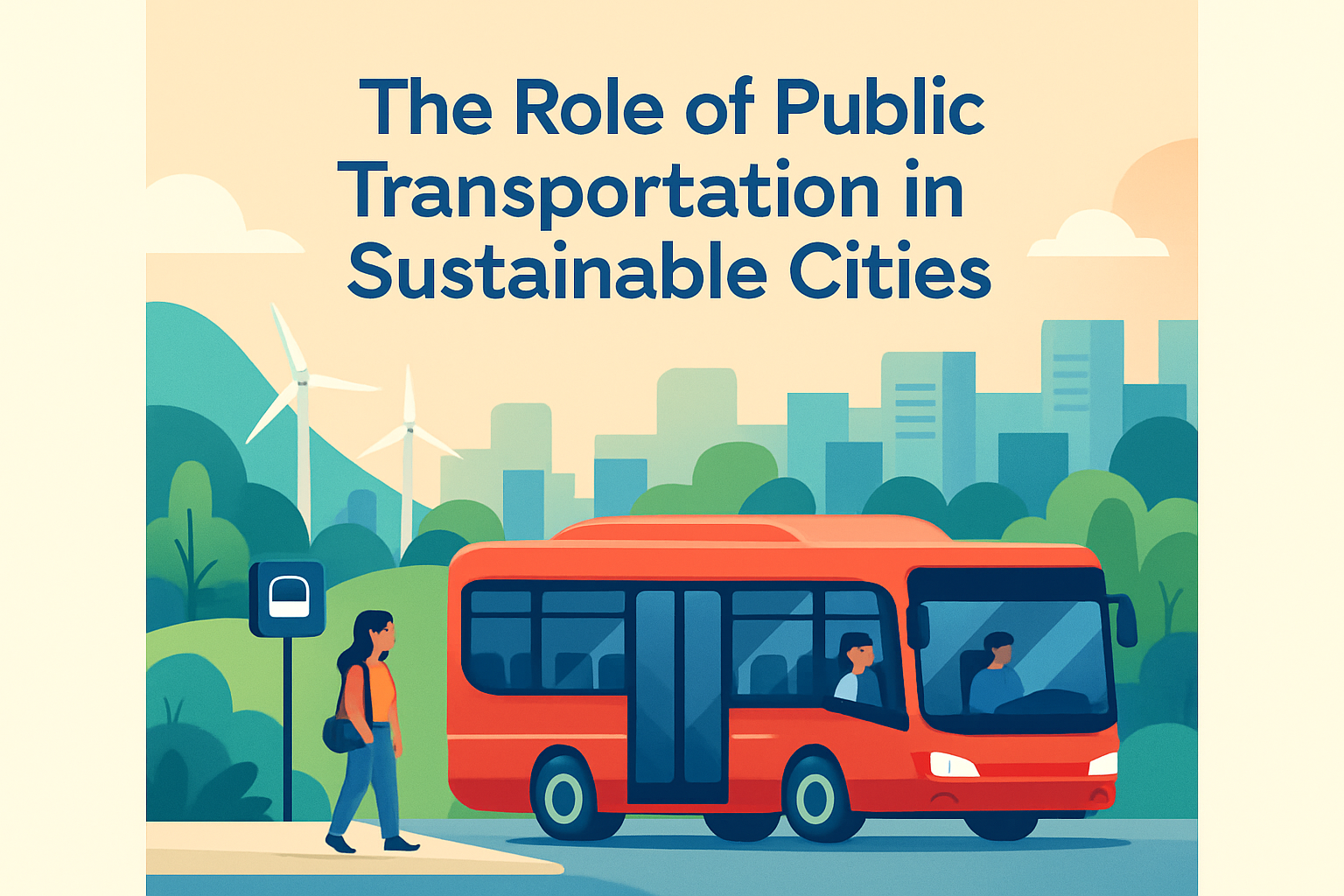
Smart urban mobility systems combine physical infrastructure, digital platforms, and operating rules. Public transit remains the anchor because no other motorized mode moves large numbers of people through dense corridors as efficiently. Buses, bus rapid transit, metros, trams, and commuter rail create network capacity. Smart upgrades include automatic vehicle location, real-time passenger information, predictive maintenance, occupancy monitoring, integrated fares, and transit signal priority. These tools improve reliability, which matters more to riders than top speed alone.
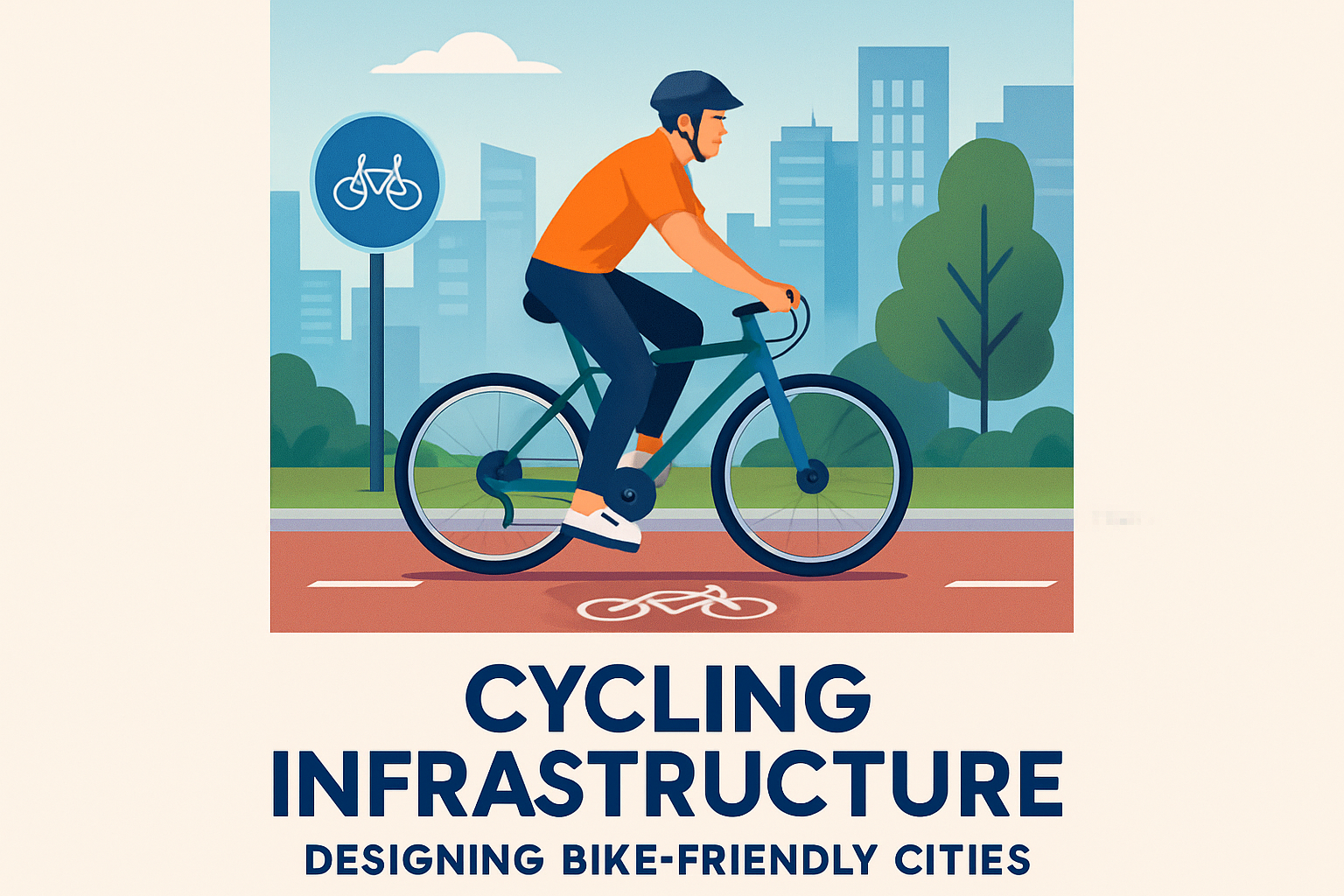
Active transportation is equally important. Walking is the first and last mile of almost every trip, yet sidewalks, crossings, lighting, and universal design are often neglected. Cycling infrastructure, bike share, and secure parking expand low-cost, low-emission travel. In compact districts, well-designed pedestrian and cycling networks can absorb a large share of short trips more efficiently than adding road capacity. This is not theory. Cities such as Copenhagen and Amsterdam show that sustained network design, not one-off pilot lanes, shifts mode share.
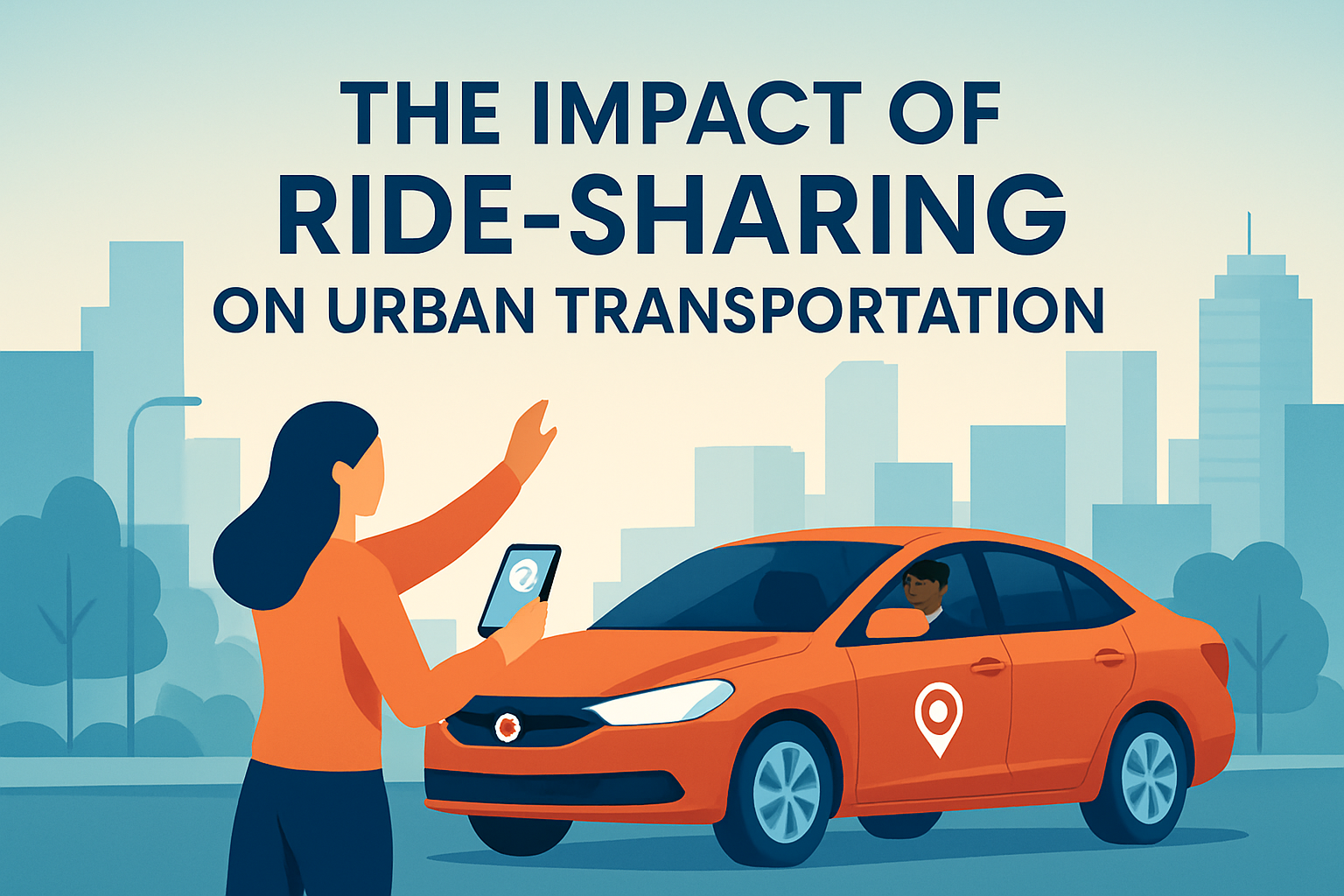
Shared mobility adds flexibility, but it works best when integrated with transit rather than positioned against it. Ride-hailing, car share, e-scooters, bike share, and demand-responsive shuttles can fill gaps in coverage, especially during off-peak periods or in lower-density areas. However, unmanaged shared mobility can increase congestion, curb conflicts, and emissions. Cities need clear rules on data sharing, fleet caps, parking behavior, and service zones. The goal is network complementarity, not uncontrolled proliferation.
Freight mobility is often missing from public discussions even though it is essential to smart city performance. E-commerce growth has increased delivery traffic, loading pressure, and curb competition. Smart freight strategies include microhubs, cargo bikes, delivery time windows, digital curb reservations, and electrified last-mile fleets. These policies matter because cities do not just move commuters; they move food, medicine, construction materials, and retail inventory every day.
| Mobility component | Smart city function | Typical technologies or policies | Main public benefit |
|---|---|---|---|
| Public transit | High-capacity movement | Real-time tracking, integrated ticketing, signal priority | Reliable and affordable access |
| Walking and cycling | Short-trip connectivity | Protected lanes, smart crossings, bike share | Health, safety, low emissions |
| Shared mobility | Flexible trip options | Mobility apps, geofencing, service regulation | First-mile and last-mile coverage |
| Freight and curb management | Goods movement efficiency | Loading reservations, curb sensors, microhubs | Less congestion and better deliveries |
Data, digital infrastructure, and intelligent operations
Data is what allows smart mobility to move from static planning to active management. Most city agencies already collect large volumes of transport data through fare systems, loop detectors, cameras, Bluetooth sensors, GPS devices, parking systems, and mobile applications. The challenge is not only collection. It is governance, interoperability, analysis, and decision-making. Poorly structured data produces dashboards that look impressive but fail to guide action. Useful mobility intelligence depends on clean standards, shared definitions, and operational accountability.
Established formats help cities build more resilient systems. General Transit Feed Specification supports schedule and real-time transit information. Mobility Data Specification has been used for managing micromobility and curb activity, though it remains debated in some jurisdictions. Open APIs allow trip planners, payment tools, and service alerts to connect across modes. Geographic information systems support corridor analysis, network gaps, and equity mapping. Digital twins can simulate traffic flow, flood impacts, or construction disruption before policies are implemented.
Operations improve when cities use data to make small decisions continuously. Adaptive signal control can respond to actual demand rather than fixed timing plans. Automatic passenger counting helps agencies match vehicle size and frequency to ridership patterns. Predictive maintenance on rail assets reduces service interruptions by identifying faults before they become failures. In my experience, these operational gains often deliver more public value than highly visible experimental technologies, because reliability is what residents notice first.
Still, digital infrastructure brings risks. Privacy protections, cybersecurity, procurement lock-in, and algorithmic bias are serious concerns. Cities should minimize personally identifiable information, set retention limits, require security audits, and specify clear public ownership of critical operational data. Smart mobility fails if residents do not trust the system managing their travel behavior.
Equity, accessibility, and public value
A mobility system cannot be called smart if it works only for affluent, connected, or physically able users. Equity and accessibility are not side considerations; they are performance criteria. Transport disadvantage appears in many forms: long commute times from peripheral neighborhoods, unreliable bus service, unsafe streets for children and older adults, inaccessible stations, cashless payment barriers, and digital exclusion. Smart city development should reduce these frictions, not automate them.
Accessibility planning offers a more useful lens than congestion alone. Instead of asking only how fast vehicles move, cities should ask how many essential destinations residents can reach within reasonable time and cost. This shifts attention toward frequent transit, safe walking routes, step-free design, and fare policy. Transport for London and many European agencies have shown that publishing accessibility metrics sharpens planning decisions because it reveals which communities remain underserved even when average network speeds appear acceptable.
Fare integration is one of the most practical tools for public value. When buses, trains, bike share, and regional services operate under separate payment systems, users bear the complexity. Integrated fares, fare capping, contactless payment, and cash options make multimodal travel easier and fairer. Accessibility also requires tactile paving, audio announcements, elevators, low-floor buses, high-contrast signage, and service design tested with disabled riders. Cities that co-design with users consistently build better systems than cities that rely only on technical assumptions.
Sustainability, resilience, and urban economic performance
Transportation is a major source of urban greenhouse gas emissions and local air pollution, so mobility policy plays a direct role in sustainability. Electrifying buses and municipal fleets reduces tailpipe emissions, but vehicle technology alone is not enough. The most effective approach combines cleaner vehicles with mode shift toward transit, walking, and cycling. Otherwise, cities simply replace one congested system with another. Street space is finite, and smart cities recognize that efficiency comes from moving more people, not just cleaner cars.
Resilience is equally important. Heat waves, flooding, power outages, labor shortages, and fuel price shocks can all disrupt urban mobility. Diverse networks recover better than single-mode systems. A city with strong transit, safe walking corridors, bike networks, and backup operational plans can absorb disruption more effectively than one dependent on private vehicle travel. After major storms, agencies with real-time asset monitoring and preplanned detour communication restore service faster because they can prioritize scarce resources intelligently.
Mobility also drives economic performance. Reliable transit expands labor market catchment areas for employers and workers. Efficient freight systems reduce delivery costs for businesses. Safer streets increase retail footfall and encourage longer dwell time in commercial districts. Research from the OECD, International Transport Forum, and major metropolitan planning organizations consistently shows that transport reliability influences productivity as much as average speed. In other words, smart city mobility supports growth when it gives residents and firms confidence that movement will be predictable.
Governance, funding, and the future of integrated mobility
The biggest barriers to smart urban mobility are usually institutional, not technical. Responsibilities are split across transit agencies, traffic departments, public works teams, private operators, utilities, and regional authorities. Without governance alignment, even well-funded projects underperform. Successful cities establish shared targets, common data rules, and corridor-level coordination. They also evaluate pilots rigorously. Too many mobility pilots launch with publicity and end without procurement pathways, maintenance plans, or measurable outcomes.
Funding needs the same discipline. Capital grants can build infrastructure, but operations, maintenance, software updates, and staff training determine long-term value. Cities should weigh lifecycle cost, interoperability, and vendor flexibility before adopting new platforms. Public-private partnerships can help, especially for charging networks, shared mobility, or integrated ticketing, but contracts must protect service quality, data access, and public accountability. If incentives are misaligned, private convenience can override city goals.
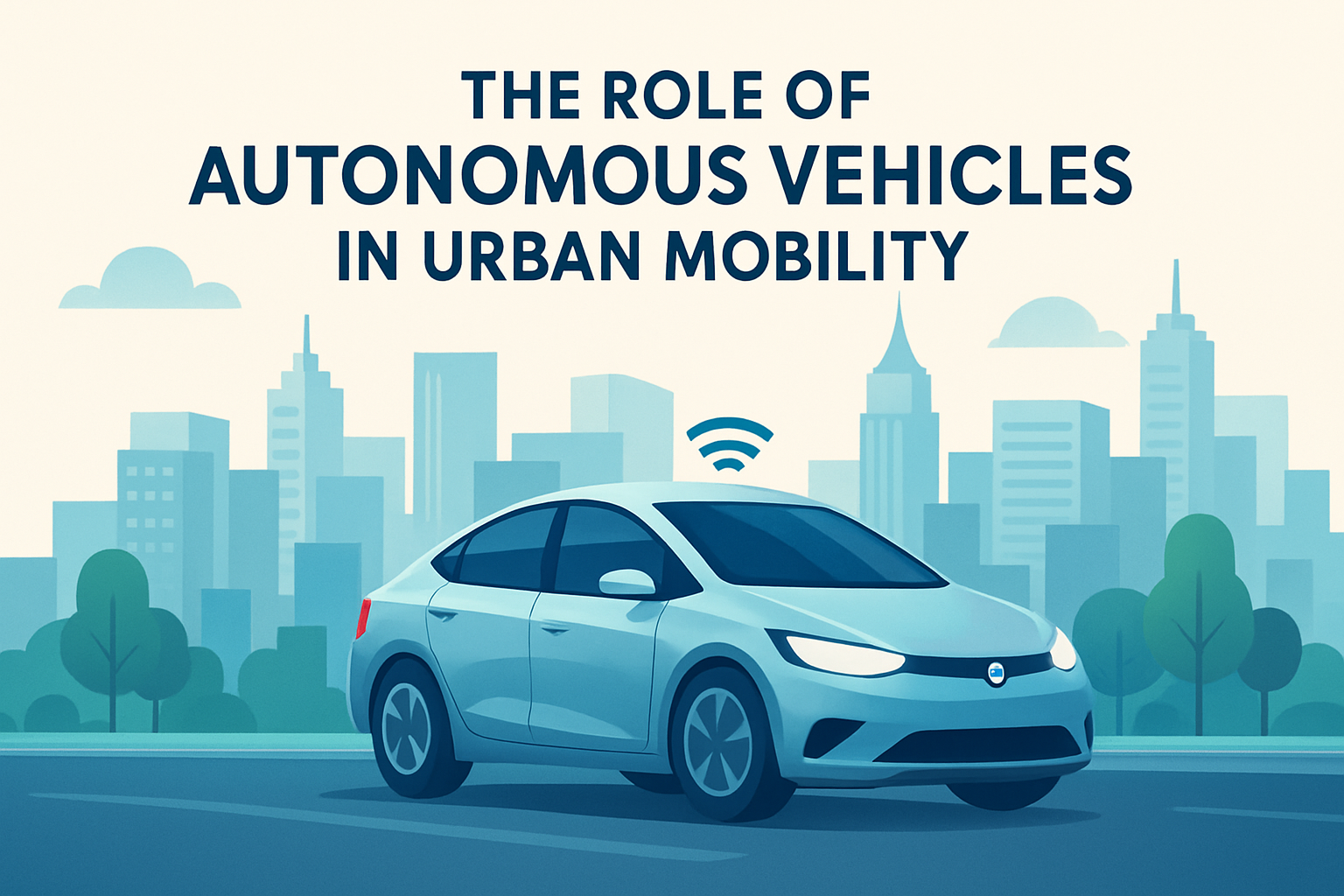
Looking ahead, the future of integrated mobility will involve more electrification, better curb management, stronger regional coordination, and deeper integration across modes. Mobility as a service will continue to evolve, though many cities have learned that seamless trip planning is easier to deliver than full commercial integration. Autonomous vehicles may improve specific use cases such as shuttles, freight yards, or controlled campuses before they transform general urban travel. The near-term winners will be cities that focus less on novelty and more on proven fundamentals: frequent transit, safe streets, open standards, and disciplined operations.
The role of urban mobility in smart city development is ultimately practical. It is about turning technology, infrastructure, and policy into better daily movement for everyone. Cities become smarter when buses arrive predictably, crossings feel safe, freight is managed efficiently, and residents can reach opportunity without excessive cost or delay. That requires a balanced approach: digital tools backed by strong governance, sustainability goals matched with street design, and innovation tested against real public outcomes. For planners, policymakers, businesses, and community leaders, the lesson is clear. Start with mobility, measure what matters, and build systems that serve people first. Use this hub as your foundation for the wider Urban Mobility and Transportation topic, then explore the connected subtopics that shape how modern cities move.
Frequently Asked Questions
What is urban mobility, and why is it so important to smart city development?
Urban mobility refers to the full network of systems, services, and infrastructure that move people and goods through a city. That includes public transit, walking, cycling, private vehicles, freight delivery, parking, ride-hailing, micromobility such as scooters and bike-share, and the digital platforms that connect all of these modes together. In a smart city, urban mobility is not treated as a standalone transportation issue. Instead, it is viewed as a foundational part of how the city functions, because mobility determines whether residents can reach jobs, schools, healthcare, housing, public services, and social opportunities efficiently and affordably.
Its importance to smart city development comes from the fact that transportation shapes daily life at every level. When mobility systems are unreliable, unsafe, expensive, or poorly connected, cities experience congestion, pollution, inequality, and lost productivity. When they are well designed and supported by data and responsive technology, cities can improve travel times, reduce emissions, expand access, and make public space more useful and inclusive. In other words, urban mobility is one of the clearest ways a smart city turns technology into practical quality-of-life improvements.
Smart city strategies often focus on using sensors, connectivity, real-time information, and integrated planning to make movement more efficient and more sustainable. That may involve adaptive traffic signals, live transit updates, integrated fare systems, demand-responsive transit, smarter freight routing, safer pedestrian infrastructure, and better coordination across agencies. The goal is not simply to move more vehicles. It is to move people and goods more effectively while supporting economic resilience, environmental performance, and social equity.
How does urban mobility improve quality of life in a smart city?
Urban mobility improves quality of life by making cities easier, safer, healthier, and more affordable to navigate. In practical terms, residents benefit when they can rely on transportation options that are frequent, accessible, and connected. A well-functioning mobility system reduces long commutes, lowers transportation costs, and gives people more freedom in how they move. That creates direct benefits for families, workers, students, older adults, and visitors alike.
One of the biggest improvements comes from better access. When transit routes are reliable, sidewalks are safe, cycling infrastructure is protected, and digital trip-planning tools are easy to use, more people can reach essential destinations without unnecessary barriers. That access matters because transportation is closely tied to economic opportunity and social inclusion. If a resident cannot reach employment centers, childcare, medical appointments, or educational institutions conveniently, the city is not functioning well for that person, no matter how advanced its technology may be.
Urban mobility also affects public health and the physical environment. Cities that prioritize walking, cycling, and efficient transit often see lower traffic congestion, reduced air pollution, and less noise. More active transportation can support healthier lifestyles, while better street design can reduce crashes and improve safety. In smart city development, the best mobility systems do more than optimize traffic flow; they create streets and public spaces that feel usable, welcoming, and human-centered. That combination of convenience, safety, sustainability, and access is what makes mobility such a powerful quality-of-life driver.
What technologies help make urban mobility systems smarter and more efficient?
Smart urban mobility depends on a mix of physical infrastructure and digital intelligence. Key technologies include sensors, GPS tracking, mobile apps, connected traffic signals, data analytics platforms, Internet of Things devices, digital payment systems, and cloud-based management tools. These technologies allow cities and transportation providers to understand travel patterns in real time, respond to changing demand, and coordinate different modes more effectively.
For example, real-time transit tracking helps riders plan trips more accurately and reduces uncertainty at stops and stations. Adaptive traffic signal systems can respond to congestion conditions instead of relying on fixed timing plans, which can improve traffic flow and reduce unnecessary delays. Integrated fare and payment tools make it easier for people to move between buses, trains, bike-share systems, and other services without dealing with separate tickets or disconnected platforms. Mobility-as-a-service platforms go a step further by combining trip planning, booking, and payment across multiple transportation options in one interface.
Data analytics is especially important because it helps cities move from reactive management to proactive planning. By analyzing ridership trends, traffic patterns, curb usage, safety incidents, and freight movements, city leaders can identify where service is lacking, where infrastructure is under stress, and where investment will have the most impact. However, technology alone is not the solution. The most effective smart mobility systems pair digital tools with thoughtful policy, inclusive design, strong maintenance, and clear public goals. Efficiency improves most when technology supports a broader strategy focused on accessibility, sustainability, and system-wide coordination.
How does urban mobility support sustainability and environmental goals in smart cities?
Urban mobility plays a central role in sustainability because transportation is one of the largest sources of greenhouse gas emissions and local air pollution in many cities. Smart city development aims to reduce that impact by shifting trips toward cleaner, more efficient modes and by managing infrastructure in ways that reduce waste. That means improving public transit, encouraging walking and cycling, supporting electric mobility, optimizing traffic operations, and making freight movement more efficient.
Public transit is one of the most important tools because moving more people in fewer vehicles can reduce congestion and energy use, especially when service is reliable and attractive enough to compete with private car use. Walking and cycling infrastructure supports short trips with minimal environmental impact, while micromobility can help bridge first-mile and last-mile gaps around transit. Smart traffic systems can also reduce idling and stop-and-go conditions, which lowers fuel consumption and emissions. In freight and delivery, better routing, consolidation strategies, and curb management can cut unnecessary vehicle miles traveled and reduce pressure on busy urban streets.
Sustainability in mobility is also about land use and long-term urban form. Cities that invest in multimodal transportation often create denser, more connected communities where residents are less dependent on cars. This can preserve land, reduce infrastructure costs, and make neighborhoods more livable. Importantly, environmental progress is strongest when it aligns with equity. A smart city should not pursue sustainability only through high-tech solutions for a limited group of users. It should ensure that cleaner mobility options are affordable, accessible, and available across different neighborhoods, including historically underserved areas.
What challenges do cities face when improving urban mobility, and how can they address them?
Cities face several major challenges when trying to improve urban mobility, even when the goals are clear. Common barriers include aging infrastructure, limited budgets, fragmented governance, uneven service across neighborhoods, rising travel demand, public resistance to change, and the complexity of coordinating many transportation modes and stakeholders. In many cities, systems were built over decades with different priorities in mind, so modernizing them requires not just technology upgrades but also institutional change and long-term planning.
Equity is one of the most important challenges. Smart mobility investments can unintentionally benefit already well-served areas if cities rely too heavily on market demand or prioritize visible pilot projects over broader accessibility needs. Digital tools can also create barriers for residents who lack smartphones, banking access, internet connectivity, or language support. To address this, cities need inclusive planning processes, accessible fare options, universal design standards, and investment strategies that focus on underserved communities as a priority rather than an afterthought.
Data governance and interoperability are also significant concerns. Smart mobility depends on information sharing across agencies and service providers, but that raises questions about privacy, security, ownership, and standards. If systems cannot communicate with each other, cities may end up with disconnected services rather than a seamless mobility network. The strongest response is a clear framework for data use, transparent policies, and collaboration among public agencies, private operators, and community stakeholders.
Ultimately, cities address mobility challenges most effectively when they combine technology with policy, infrastructure, and public trust. That means setting measurable goals, investing in maintenance as well as innovation, testing new ideas carefully, and being willing to adapt based on results. Smart city development is not about adding technology for its own sake. It is about creating mobility systems that are reliable, connected, sustainable, and fair for the people who depend on them every day.