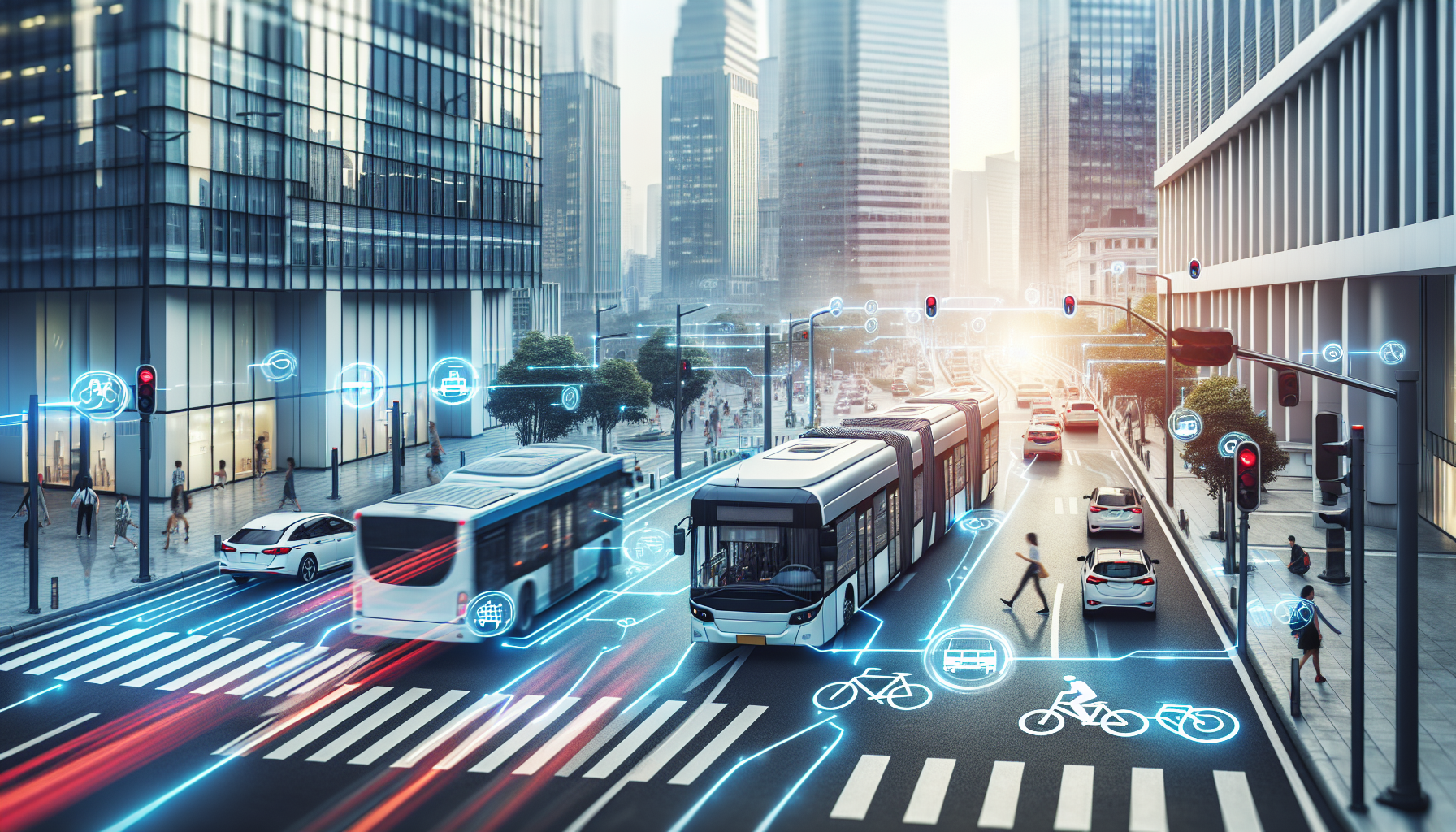
Urban mobility shapes how people move through cities, and it plays a direct role in reducing traffic accidents. The term urban mobility covers the full system of movement in built-up areas: walking, cycling, buses, rail, ride-hailing, freight delivery, parking, street design, traffic management, and the digital tools that connect them. Traffic accidents, by contrast, include crashes involving private cars, commercial vehicles, motorcycles, bicycles, scooters, and pedestrians. When city leaders treat mobility as a safety system instead of a vehicle system, crash rates fall. I have worked on transport content and policy reviews where the pattern is consistent: cities that redesign streets, improve public transport, manage speeds, and give people safer travel choices see fewer deaths and serious injuries.
This matters because road trauma is not random. The World Health Organization has repeatedly identified road traffic injuries as a leading cause of death globally, especially among younger people, and cities carry a large share of that burden because of high travel volumes and constant interaction between users. In urban areas, many crashes happen at intersections, near bus stops, during deliveries, and on corridors where fast traffic mixes with vulnerable road users. Good urban mobility reduces those conflict points. It also addresses the underlying causes of crashes, including speed, poor visibility, unpredictable lane changes, long crossing distances, distracted driving, and unsafe access to jobs, schools, and services.
Urban mobility also matters economically and socially. A city with safer buses, connected bike lanes, reliable sidewalks, and predictable traffic operations does more than lower collision numbers. It improves access, supports local business, reduces emergency response costs, and makes travel less stressful for families. Safety gains are especially important for children, older adults, low-income residents, and people with disabilities because these groups are more exposed to danger when transport options are limited or streets are designed around fast car movement. A hub article on this subject must therefore connect infrastructure, technology, behavior, governance, enforcement, and public health into one practical framework.
Street design is the foundation of crash prevention
The safest cities do not rely on perfect behavior. They build streets that reduce the consequences of inevitable human error. This principle is visible in road diets, protected intersections, raised crosswalks, median refuges, curb extensions, daylighting near junctions, and narrower lane widths that naturally calm traffic. When I review before-and-after case studies, the strongest results usually come from physical design changes, not awareness campaigns alone. A driver may ignore a sign, but it is much harder to ignore a tighter turning radius, a protected bike lane, or a shorter pedestrian crossing.
Street hierarchy is equally important. Arterials should move traffic at controlled speeds with protected crossings. Local streets should prioritize access and low speeds rather than through movement. Mixing both functions on the same corridor often produces severe crashes because drivers behave as though they are on a fast road while residents use the street as part of daily life. Urban mobility planning reduces that mismatch by assigning the right design to the right context. Around schools, hospitals, retail districts, and transit hubs, target speeds must be lower because pedestrian activity is constant and reaction time matters.
Intersection design deserves special attention because many urban collisions occur where travel paths cross. Protected turn phases, leading pedestrian intervals, setback crossings, and dedicated cycling signals all reduce conflict. Roundabouts can lower severe-angle crashes when space and traffic mix make them appropriate, though they need careful treatment for pedestrians and cyclists. Freight access is another overlooked design issue. If delivery vehicles stop in travel lanes or bike lanes because loading space is missing, crash risk rises immediately. A safer mobility system plans curb use, loading windows, and micrologistics facilities as part of the street network.
Public transport reduces exposure to high-risk travel
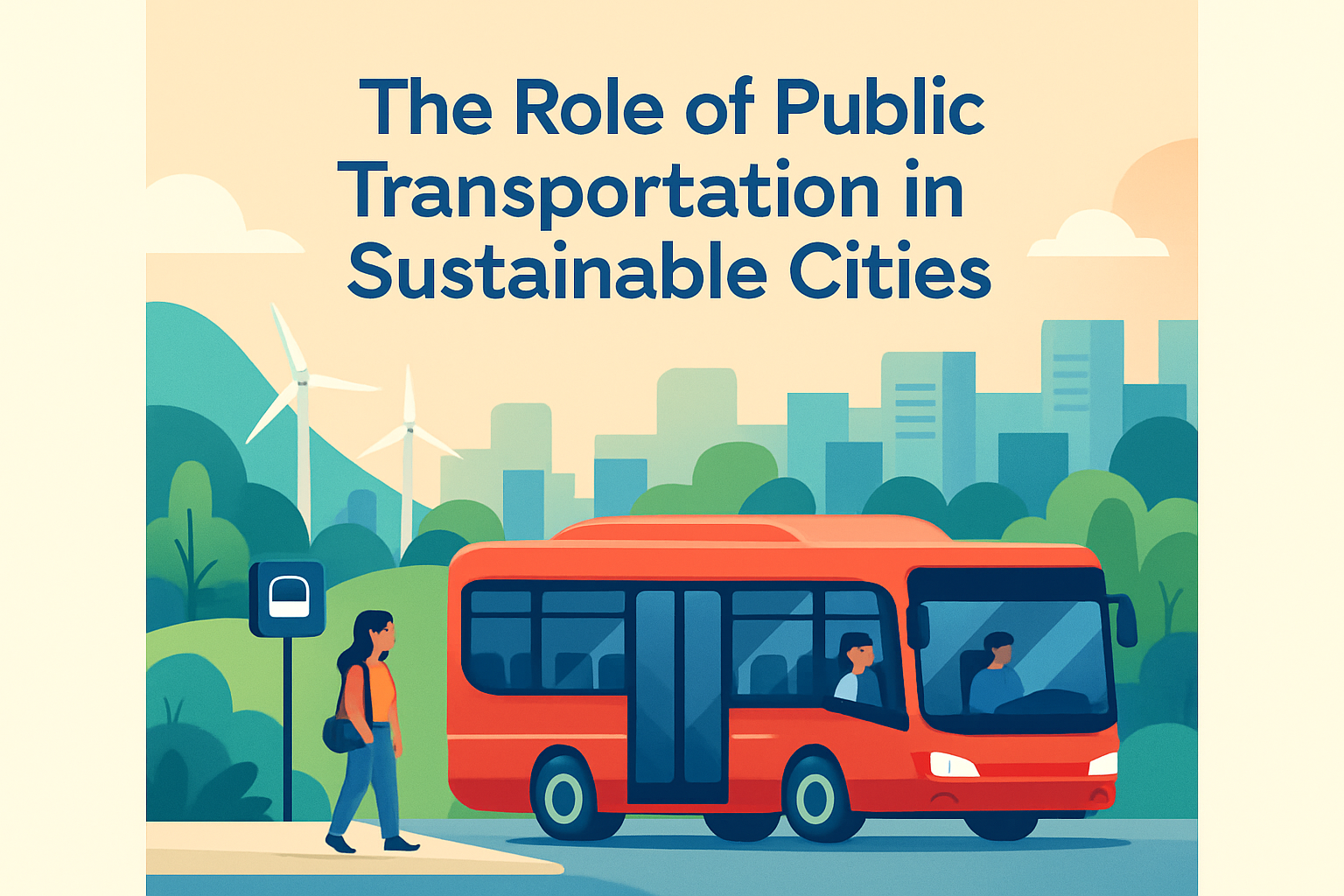
One of the most effective ways to reduce traffic accidents is to shift trips from private vehicles to safer shared modes. Public transport does this by lowering total vehicle kilometers traveled, reducing congestion pressure, and moving more people with fewer vehicles. Rail systems are generally safer per passenger kilometer than private car travel, and well-run bus networks can also reduce risk, especially when paired with bus lanes, high-quality stops, and enforced operating standards. The key is not simply adding service; it is making transit reliable enough that people choose it consistently.
Bus rapid transit illustrates how urban mobility can deliver both speed and safety. Cities such as Bogotá and Curitiba showed that dedicated lanes, level boarding, median stations, and frequent service can move large volumes efficiently while reducing chaotic lane weaving by buses. The same logic applies to tram corridors, suburban rail integration, and modernized bus networks with all-door boarding and signal priority. Safer access matters too. A transit route does not improve safety if passengers must cross six uncontrolled lanes to reach the stop. First-mile and last-mile design often determines whether the overall system is safe.
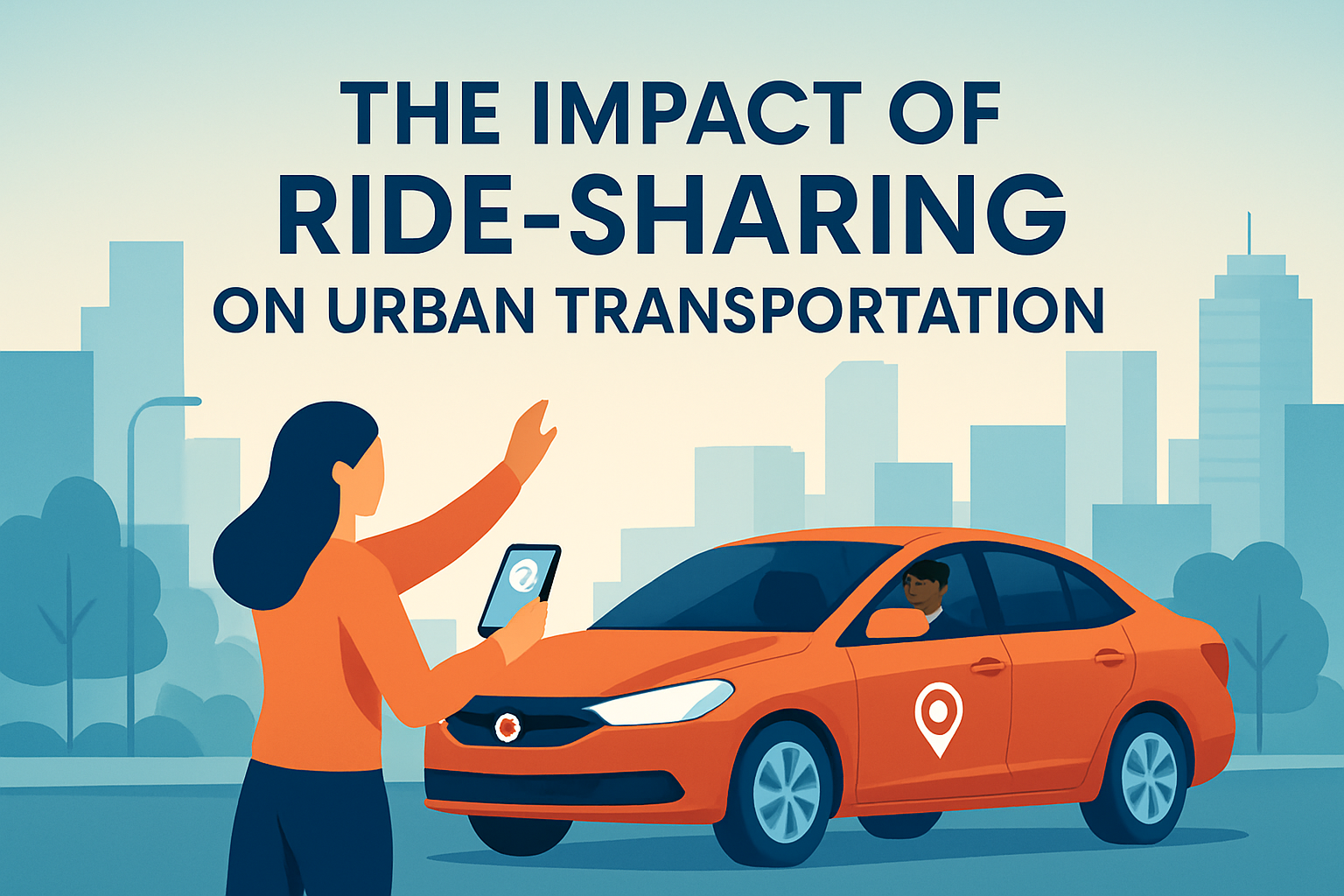
Motorcycles and informal transport deserve a realistic discussion. In many cities, motorcycles fill gaps left by weak transit and fragmented land use, but they are associated with high injury severity. Improving bus coverage, regulating shared modes, and formalizing high-demand routes can reduce dependence on riskier travel. Ride-hailing has mixed effects: it can substitute for impaired driving in some contexts, yet it also adds curbside conflicts, circulating vehicles, and distractions linked to app use. Urban mobility policy must evaluate these tradeoffs with local data rather than assumptions.
Walking, cycling, and micromobility need protected space
Pedestrians are the most universal transport users because every trip begins or ends on foot. If sidewalks are missing, blocked, uneven, or too narrow, people spill into the roadway and crash risk rises. The same is true when crossings are sparse or signals do not allow enough time for slower walkers. Safe urban mobility starts with continuous pedestrian infrastructure, accessible curb ramps, tactile guidance, lighting, and predictable crossing opportunities. Cities that improve these basics often see immediate reductions in pedestrian injury because they remove everyday hazards rather than blaming individual choices.
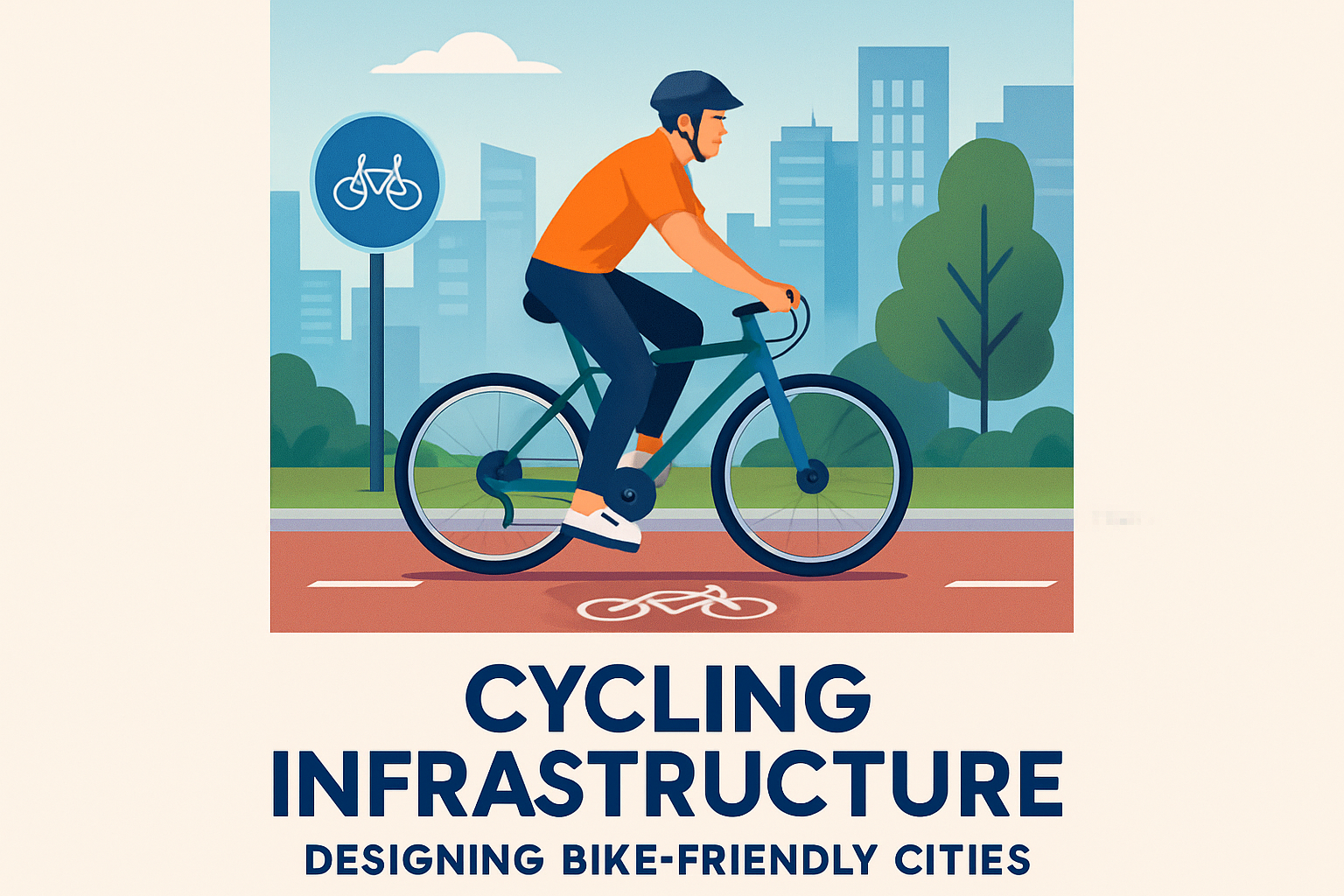
Cycling safety follows the same pattern. Painted lanes alone rarely protect riders on high-speed or high-volume roads. What works is a connected network of physically separated lanes, protected intersections, secure parking, and lower speed environments on neighborhood streets. Dutch cycling safety is not the result of culture alone; it is the result of decades of design standards that separate incompatible movements and make cycling legible for all users. The lesson for other cities is clear: if infrastructure feels safe only to experienced riders, the system is incomplete.
Micromobility, including e-scooters and shared bikes, adds flexibility but can also create new risks if rules and street design lag behind. I have seen cities make the same mistake repeatedly: they launch shared devices before clarifying where they should operate, where they should park, and how they fit with pedestrians, buses, and deliveries. The solution is not a ban in every case. It is designated riding space, geofenced parking, speed management in crowded areas, and clear enforcement. When integrated thoughtfully, micromobility can replace short car trips that otherwise add conflict and congestion.
Data, technology, and enforcement make safety measurable
Urban mobility becomes more effective when cities manage safety through evidence instead of anecdotes. Crash reports, hospital injury data, near-miss analysis, telematics, traffic counts, and speed studies all reveal where and why risk is concentrated. High-Injury Networks are especially useful because a small share of streets often accounts for a large share of severe crashes. Focusing investment on those corridors produces faster, more measurable results than spreading small projects evenly across a city. The quality of the data matters. Underreporting of cyclist and pedestrian crashes is common, so transport agencies should compare police records with health system data whenever possible.
Technology supports this work but should not replace sound design. Adaptive signals can reduce red-light running and rear-end conflicts when timed properly. Speed cameras have strong evidence behind them because speed directly affects both crash likelihood and survivability. Connected vehicle data can identify harsh braking hotspots that signal hidden road design issues. Transit signal priority can make bus operations smoother and reduce risky maneuvers. Even curb management platforms help by reducing illegal stopping. Still, the most advanced dashboard cannot compensate for a road that invites dangerous speeds by design.
| Urban mobility measure | Primary safety benefit | Typical example |
|---|---|---|
| Protected bike lanes | Separates cyclists from fast traffic | Concrete curb or parking-protected corridor |
| Bus lanes | Reduces weaving and improves transit reliability | Red-painted curbside or median lane |
| Speed cameras | Lowers speeding and crash severity | School zone automated enforcement |
| Raised crossings | Slows turning vehicles and improves visibility | Crosswalk at local street intersection |
| Loading zones | Reduces double parking and lane obstruction | Timed freight curb space on retail street |
| Signal timing changes | Reduces conflict at intersections | Leading pedestrian interval |
Enforcement works best when it is targeted, fair, and linked to engineering goals. Random ticketing without redesign tends to produce short-lived results and public distrust. By contrast, consistent speed enforcement in corridors designed for lower speeds reinforces the intended function of the street. Commercial fleet safety standards are another high-value tool. Requirements for driver training, vehicle maintenance, blind-spot mitigation, and route compliance can significantly reduce urban crashes involving buses, trucks, and service vehicles.
Land use, governance, and equity determine long-term outcomes
Traffic safety is shaped by where housing, jobs, schools, and shops are located. When cities spread destinations far apart and require most trips to happen by car, exposure rises. Longer trip distances mean more time in traffic, more high-speed arterials, and more pressure to widen roads. Compact, mixed-use development supports safer mobility because shorter trips can shift to walking, cycling, and transit. That does not eliminate crashes by itself, but it changes the risk profile of the entire network. A neighborhood with daily needs nearby generates different traffic patterns than an isolated subdivision connected only by wide collector roads.
Governance is the practical side of the same issue. Safety improvements stall when transport departments, police, public works, transit agencies, school districts, and health departments work in isolation. The strongest city programs use shared targets, common maps, coordinated capital planning, and routine evaluation. International standards and guidance, including road safety management principles, accessibility requirements, and complete streets policies, give agencies a common language for decision-making. Procurement also matters. If resurfacing projects automatically restore dangerous lane configurations instead of reviewing safety opportunities, cities miss years of low-cost progress.
Equity must be built into every decision. Low-income communities often face the worst combination of fast roads, poor sidewalks, weak transit, and high exposure as pedestrians. Children walk along corridors without safe crossings. Shift workers wait at dark bus stops near industrial traffic. Older adults face signal timing that assumes an unrealistic walking speed. Reducing traffic accidents is therefore not only a transport objective; it is a fairness issue. A credible urban mobility strategy prioritizes investment where risk and disadvantage overlap, and it measures success by serious injury reduction across all groups, not citywide averages alone.
How cities can build a practical accident-reduction strategy
The most effective accident-reduction plans are systematic. Start by identifying the highest-risk corridors, intersections, and user groups. Set measurable targets for fatalities and serious injuries, then align budgets, design standards, transit planning, and enforcement around those targets. Quick-build materials such as posts, paint, modular islands, and temporary curb extensions can test changes before full reconstruction. This approach is especially useful where crash patterns are clear but funding cycles are slow. However, quick-build should lead to durable capital upgrades, not become a substitute for them.
Next, improve mode integration. Safe travel depends on smooth transfers between walking, cycling, buses, rail, and shared services. A person should be able to leave home, reach a stop on an accessible sidewalk, cross safely, board efficiently, and complete the trip without entering a dangerous traffic environment. Cities should also manage the curb actively, because loading, pickups, drop-offs, and delivery activity now shape street risk as much as moving vehicles do. Freight plans, school street programs, and mobility hubs can all reduce conflict when designed carefully.
Finally, communicate with clarity. Residents accept change more readily when agencies explain the safety problem, the evidence behind the intervention, and the expected outcome. Publish before-and-after speed data, injury trends, transit reliability metrics, and user feedback. Safety is not improved by slogans; it is improved by disciplined implementation and transparent results. If your city is building an urban mobility agenda, start with the places where people are being hurt most often, redesign those streets for lower conflict and lower speeds, and treat every trip as part of one connected safety system.
Urban mobility reduces traffic accidents because it changes both behavior and the conditions that shape behavior. Better street design lowers impact speeds. Strong public transport reduces private car dependence. Protected walking and cycling networks remove vulnerable users from the most dangerous conflicts. Data-driven management focuses resources where they matter most. Land use and governance decisions determine whether those gains endure. Together, these elements create cities that are not only more efficient, but measurably safer.
The central benefit is straightforward: when people have safe, practical ways to move without relying on fast, uncontrolled traffic, severe crashes decline. This hub article should anchor deeper exploration into street design, transit safety, micromobility regulation, curb management, freight movement, accessibility, and enforcement strategy across the wider urban mobility and transportation topic. Use it as a reference point for planning future content and, more importantly, for evaluating real-world city decisions.
The next step is simple. Review the streets, modes, and policies in your city through a safety lens, identify the highest-risk gaps, and prioritize urban mobility improvements that protect people first.
Frequently Asked Questions
What does urban mobility mean, and how is it connected to traffic accident reduction?
Urban mobility refers to the full network of ways people and goods move through a city. It includes walking, cycling, public transportation, private vehicles, ride-hailing, freight delivery, parking systems, street design, traffic signals, enforcement, and the digital tools that help travelers make decisions in real time. This broader view matters because traffic accidents are rarely caused by one factor alone. They usually result from a combination of street layout, vehicle speed, visibility, congestion, driver behavior, pedestrian access, and the availability of safe alternatives to driving.
When cities improve urban mobility, they create a transportation system that is more predictable, organized, and forgiving of human error. For example, safer sidewalks reduce pedestrian conflicts, protected bike lanes lower the risk of crashes involving cyclists, better transit service can reduce the number of cars on the road, and smarter traffic management can smooth vehicle flow and cut dangerous stop-and-go conditions. In other words, urban mobility is directly tied to accident reduction because it shapes how streets are used, who uses them, and how safely different modes of travel can coexist.
How can better street design and transportation planning lower crash rates in cities?
Street design and transportation planning are among the most powerful tools cities have for reducing traffic accidents. Roads that are built only to move cars quickly often create conditions where severe crashes are more likely, especially in dense urban areas with pedestrians, cyclists, buses, and delivery vehicles sharing limited space. By contrast, streets designed for safety prioritize lower speeds, clearer crossings, better sightlines, dedicated travel spaces, and more orderly interactions among all users.
Practical measures include narrower travel lanes to slow traffic, raised crosswalks to improve pedestrian visibility, protected intersections for cyclists, bus-only lanes to reduce weaving, median islands for safer crossing, improved lighting, and traffic calming features such as speed humps and curb extensions. Long-term transportation planning also helps by aligning land use with mobility options. When housing, jobs, schools, and services are connected by reliable transit and safe active travel routes, cities reduce excessive car dependence and the exposure that comes with it. Strong planning does more than improve movement; it creates a safer operating environment where serious collisions become less frequent and less severe.
Why do walking, cycling, and public transit matter in efforts to prevent traffic accidents?
Walking, cycling, and public transit are central to safer cities because they diversify the transportation system and reduce reliance on private car trips, especially short urban trips that often take place in crowded, conflict-heavy environments. A city dominated by private vehicles tends to experience more congestion, more turning conflicts, more competition for curb space, and greater exposure to crashes involving pedestrians and smaller road users. Expanding safe alternatives changes that balance.
However, the safety benefit does not come from simply encouraging people to walk or bike more. It comes from supporting those modes with proper infrastructure and policy. Sidewalks must be continuous and accessible. Bike lanes should be physically protected where possible. Transit stops need safe crossings, lighting, and convenient connections. Public transportation can also reduce accidents by moving more people in fewer vehicles, which can lower traffic volume on busy corridors. In addition, well-used transit systems tend to support more disciplined street operations, from designated boarding areas to better signal timing. When active transportation and transit are treated as core parts of urban mobility rather than secondary options, cities can cut crash risks while also improving public health, access, and overall street efficiency.
What role do technology and traffic management systems play in making urban travel safer?
Technology and traffic management systems play a major role in preventing accidents because they help cities monitor conditions, respond to risk, and manage movement in a more coordinated way. Modern urban mobility is not just about physical infrastructure; it also depends on data, communication, and operational control. Smart traffic signals, connected sensors, adaptive signal timing, speed cameras, red-light cameras, incident detection systems, and real-time traveler information all help reduce the confusion and unpredictability that often contribute to crashes.
For example, adaptive traffic signals can reduce dangerous congestion buildup at intersections, while digital curb management can organize delivery activity and limit double-parking that blocks visibility. Transit signal priority can make bus movement more orderly, and parking guidance systems can reduce unnecessary circling by drivers searching for spaces. Mobility apps can also influence safer travel choices by helping users compare transit, walking, cycling, and ride-hailing options instead of defaulting to driving. Importantly, technology works best when paired with policy and design. A camera alone cannot fix a dangerous road, but it can reinforce speed control in places where people are at risk. Used strategically, digital tools give city leaders better insight into where accidents happen, why they happen, and which interventions are most likely to prevent them.
What should city leaders prioritize if they want urban mobility policies to reduce traffic accidents over the long term?
City leaders should prioritize a systemwide safety strategy rather than isolated fixes. The most effective long-term approach begins with acknowledging that traffic accidents are preventable and that mobility policy should be designed around protecting human life. That means setting clear safety goals, using crash and near-miss data to identify high-risk corridors, and investing in changes that benefit the most vulnerable users first, especially pedestrians, cyclists, children, older adults, and people with disabilities.
Key priorities include lowering vehicle speeds in dense areas, redesigning dangerous intersections, improving transit reliability, building connected walking and cycling networks, managing freight and curb space more effectively, and strengthening enforcement against the behaviors most associated with severe crashes, such as speeding, impaired driving, and distracted driving. City leaders should also coordinate across agencies so that planning, public works, transit, police, and emergency services are working toward the same safety outcomes. Public communication matters as well, because residents are more likely to support changes when they understand how mobility improvements reduce injuries and save lives. Over time, the safest cities are typically the ones that treat urban mobility as an integrated public safety issue, not just a transportation efficiency issue.