Urban mobility shapes how people move through cities, and it has a direct effect on greenhouse gas emissions, local air quality, energy use, and public health. In practical terms, urban mobility includes public transport, walking, cycling, shared vehicles, ride-hailing, freight delivery, and the street design and digital systems that connect them. When city leaders, employers, and residents make better mobility choices, they reduce the carbon footprint created by daily travel. That matters because transport is one of the largest sources of energy-related emissions worldwide, and urban trips make up a significant share of that total.
I have worked on content and strategy around transport planning, and one pattern is consistent across cities: carbon reduction does not come from one flagship project alone. It comes from a coordinated system. A city can buy electric buses, but if routes are unreliable, many commuters still drive. A city can paint bike lanes, but if intersections feel unsafe, families will not cycle. Effective urban mobility policy links land use, infrastructure, pricing, technology, and behavior. It turns low-carbon travel from a personal sacrifice into the easiest default option.
The phrase carbon footprint refers to the total greenhouse gas emissions associated with an activity, usually measured in carbon dioxide equivalent. In urban transport, that footprint depends on mode choice, trip length, vehicle occupancy, fuel type, congestion levels, and network design. A full bus carrying forty passengers generally produces far less emissions per person than forty private cars. A short walk to a neighborhood store produces almost none. An electric car can cut tailpipe emissions, but if it replaces a subway trip, the net climate benefit may be small. That distinction is essential for realistic planning.
Why does this topic matter now? Cities continue to grow, congestion imposes economic costs, and climate targets are tightening. At the same time, residents expect mobility systems to be affordable, accessible, and safe. The best urban mobility strategies meet all three goals. They lower emissions, improve travel time reliability, and expand access to jobs and services. Searchers often ask a simple question: can urban mobility really reduce carbon emissions at scale? The answer is yes, but only when cities prioritize mode shift, clean vehicles, and compact development together rather than treating them as isolated fixes.
Why transport emissions are concentrated in cities
Cities concentrate people, jobs, schools, hospitals, shopping districts, and freight deliveries into dense spaces with limited road capacity. That concentration creates both a problem and an opportunity. The problem is familiar: traffic congestion increases fuel consumption because vehicles idle, brake, and accelerate repeatedly. The opportunity is more important: dense cities can move far more people with lower emissions when they invest in mass transit, walkable streets, and cycling networks. This is why urban mobility is central to climate planning. The same density that worsens traffic can make low-carbon transport highly efficient.
Transport emissions in cities come from several sources. Private cars usually dominate passenger travel emissions because they are often under-occupied and require large amounts of road and parking space. Buses and rail produce emissions too, but the per-passenger impact is much lower when systems are well used. Urban freight adds another layer, especially with growth in e-commerce and same-day delivery. Light commercial vehicles make frequent stop-and-go trips that raise energy consumption. In many cities, motorcycles and informal transport services also play a major role, each with different emissions profiles depending on fuel quality and vehicle age.
A common misconception is that congestion itself is the main issue. Congestion matters, but the deeper issue is car dependency. When housing, jobs, and retail are spread far apart, residents have few alternatives to driving. That raises total vehicle kilometers traveled, which is one of the strongest predictors of transport emissions. By contrast, compact mixed-use districts shorten trips and make transit viable. Cities such as Copenhagen, Singapore, and Bogotá have shown in different ways that policy can shift travel patterns. Their methods differ, but the principle is the same: design the city so low-carbon travel is convenient.
How public transport lowers the urban carbon footprint
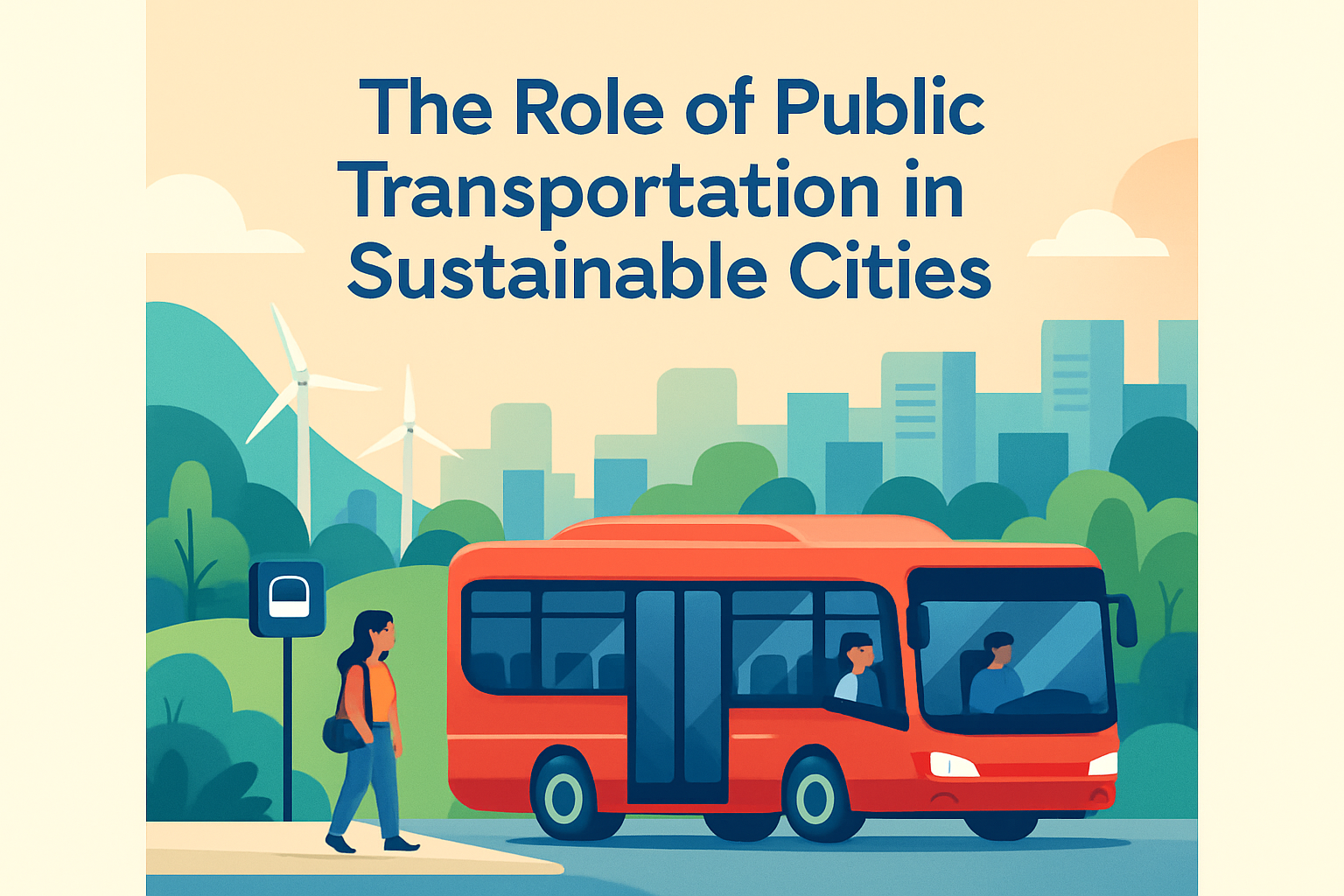
Public transport reduces carbon emissions by moving many people in one vehicle, using fixed corridors more efficiently, and giving households a practical alternative to car ownership. In my experience reviewing transit-focused city strategies, the biggest gains come when frequency, reliability, and network coverage improve together. People do not abandon private cars because a train exists on a map. They switch when the whole journey works: the stop is nearby, service is frequent, fares are integrated, and transfers are predictable.
Rail systems, bus rapid transit, electric buses, and conventional bus networks all play different roles. Heavy rail and metro systems carry very high passenger volumes and can achieve low per-capita emissions, especially when powered by cleaner electricity grids. Bus rapid transit can deliver similar corridor efficiency at lower capital cost when cities provide dedicated lanes, off-board fare collection, and signal priority. Electrified bus fleets cut tailpipe pollution and can materially reduce lifecycle emissions, particularly as grid intensity falls. The International Energy Agency and the C40 network both emphasize that transit electrification works best when paired with ridership growth, not treated as a stand-alone procurement exercise.
Transit also reduces emissions indirectly. Households in transit-rich neighborhoods often own fewer cars, drive fewer kilometers, and make more trips by foot. Employers benefit because reliable transit broadens labor access without requiring more parking. Local businesses gain from increased foot traffic around stations. These secondary effects are why transport planners use metrics beyond vehicle speed, including accessibility, passenger throughput, and mode share. If a street carries fewer cars but more people by bus and bicycle, the system has become more efficient even if drivers perceive less convenience.
| Mobility option | Typical carbon impact per passenger | Main climate advantage | Main limitation |
|---|---|---|---|
| Private gasoline car | High | Flexible door-to-door travel | Low occupancy and congestion raise emissions |
| Public bus | Low to medium | Moves many passengers in one vehicle | Benefits fall when routes are slow or underused |
| Electric bus or metro | Low | Very low operational emissions on cleaner grids | Requires strong investment and maintenance |
| Cycling and walking | Very low | Near-zero transport emissions | Needs safe infrastructure and short trip distances |
| Shared mobility | Variable | Can reduce private car ownership | May increase travel if it replaces transit or walking |
Walking, cycling, and the power of short trips
The fastest way to cut urban transport emissions is often to redesign short trips. In most cities, a large share of daily journeys are short enough to be walked, cycled, or replaced by public transport if the route feels safe and direct. Yet these are the very trips many residents make by car because streets prioritize vehicle flow over human movement. From a carbon perspective, that is low-hanging fruit. Replacing a three-kilometer car trip with a bicycle trip eliminates most of the associated emissions immediately and reduces congestion for everyone else.
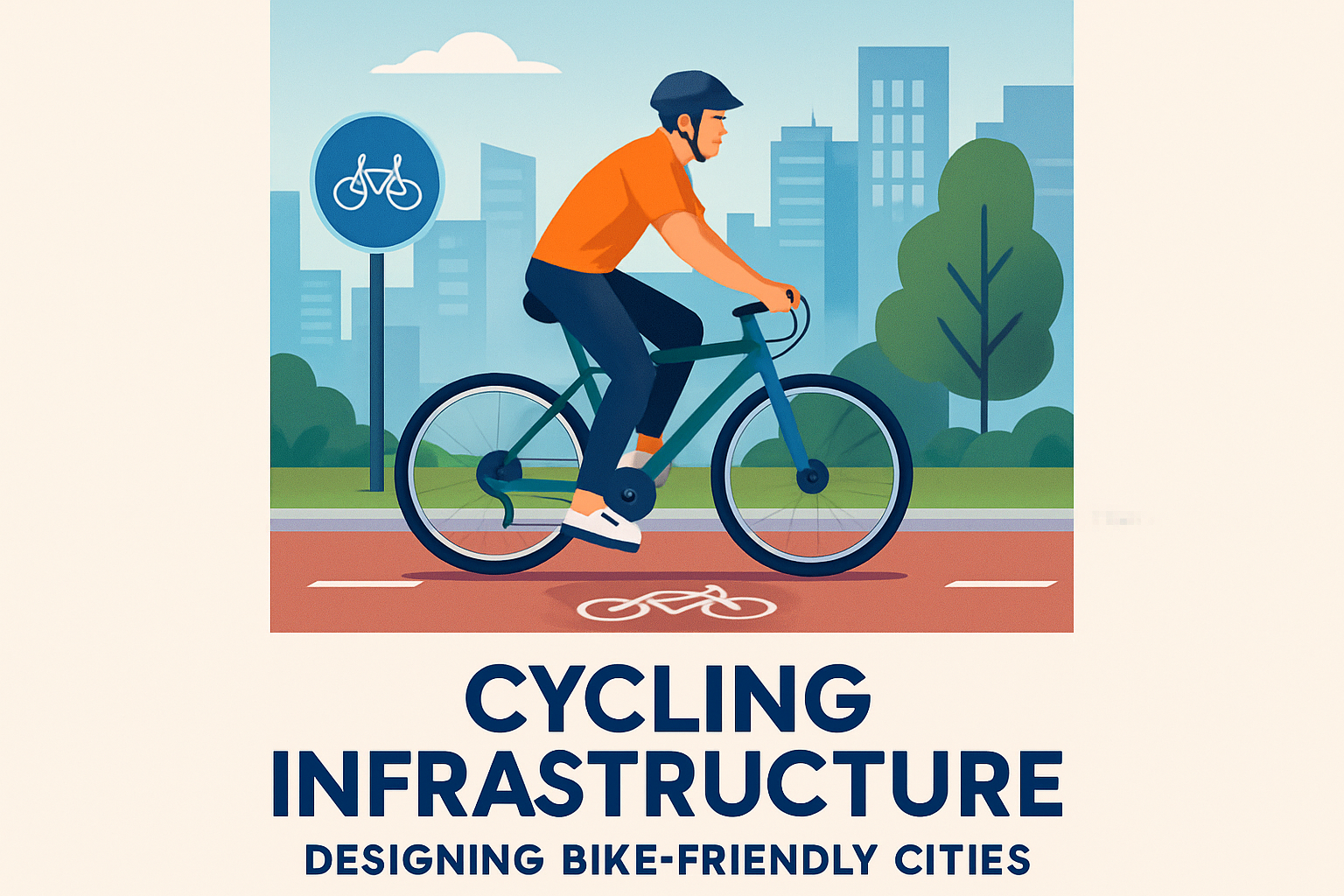
Walking and cycling infrastructure works when it forms a connected network. A protected bike lane that ends abruptly at a dangerous intersection will not attract broad use. Sidewalks with missing curb ramps fail older adults, parents with strollers, and disabled residents. Good urban mobility planning treats active travel as a transport system, not an amenity. That means protected intersections, safe crossings, traffic calming, secure bike parking, and links to transit stations. Paris, Amsterdam, and Seville each expanded cycling by building coherent networks rather than isolated segments.
There are additional carbon benefits that planners sometimes overlook. Active mobility requires far less material and energy than car-based systems. Bicycles consume fewer resources to manufacture, roads experience less wear, and cities need less land for parking. Public health gains also matter because healthier populations reduce healthcare burdens linked to pollution and sedentary lifestyles. These co-benefits strengthen the business case for investment. When residents ask whether bike lanes are worth the cost, the evidence is clear: where infrastructure is safe, cycling rises and emissions fall.
Electric vehicles, shared mobility, and smarter fleets
Electric vehicles are important to urban decarbonization, but they are not a complete solution. They reduce tailpipe emissions and usually lower lifecycle emissions compared with internal combustion vehicles, especially in regions with cleaner electricity. However, electric cars still contribute to congestion, road danger, tire and brake particulate pollution, and high land use for parking. That is why the most credible climate strategies place electric mobility within a hierarchy: avoid unnecessary trips, shift travel to low-carbon modes, then improve the vehicles that remain on the road.
City fleets offer some of the strongest near-term opportunities. Electric buses, municipal service vehicles, taxis, and urban delivery vans operate on predictable routes and can benefit from centralized charging. Logistics operators are increasingly using route optimization software, consolidation centers, cargo bikes, and electric last-mile delivery vehicles to cut emissions. I have seen operators achieve meaningful reductions simply by redesigning delivery windows and reducing failed drop-offs. These operational improvements matter because carbon reduction is not only about propulsion technology; it is also about fewer kilometers, fuller loads, and smoother routing.
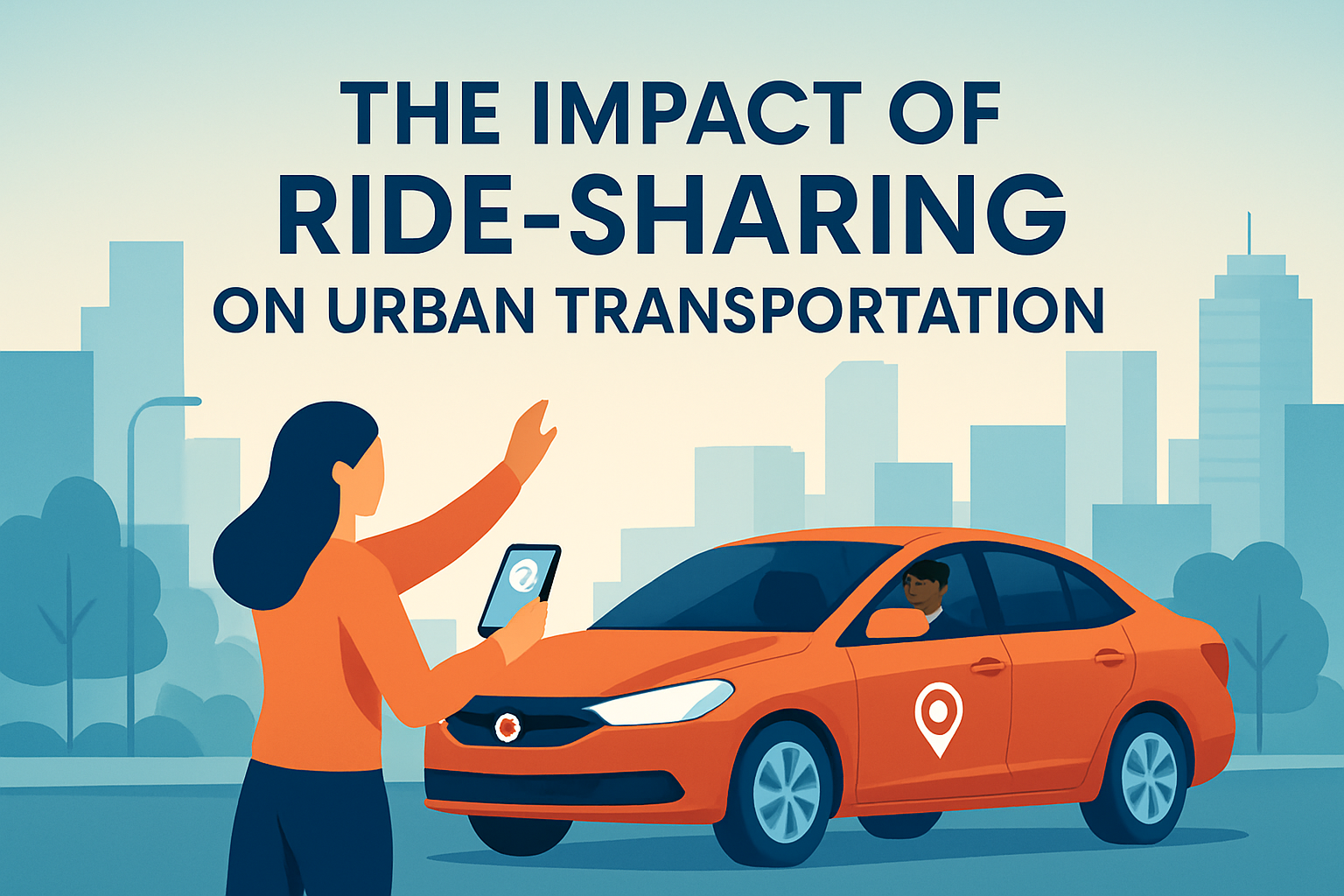
Shared mobility can support lower emissions, but the outcome depends on design. Car-sharing can reduce private vehicle ownership in dense neighborhoods where transit is strong. Bike-share and e-scooter systems can extend the reach of transit and replace short car trips. On the other hand, ride-hailing often increases vehicle kilometers traveled through deadheading and by pulling riders away from buses or rail. The policy lesson is straightforward: cities should regulate shared mobility so it complements public transport rather than competing with it. Data-sharing rules, curb management, and integration with transit apps make a measurable difference.
Urban planning, pricing, and policy that drive mode shift
Urban mobility does not exist in a vacuum; it is shaped by land use and price signals. If zoning separates homes from jobs and shopping, trips become longer and driving becomes mandatory. If parking is abundant and underpriced, households receive a strong incentive to own and use cars. If transit fares are fragmented while road use is effectively free, the market signal points in the wrong direction. Sustainable mobility policy corrects those distortions.
Transit-oriented development is one of the most effective long-term tools for reducing carbon footprint. By concentrating housing, offices, schools, and services around high-capacity transit, cities shorten trip distances and increase ridership. Congestion pricing, low-emission zones, fuel taxes, parking reform, and employer commute programs can also accelerate change. London’s congestion charge, Stockholm’s road pricing model, and Singapore’s demand management system all show that pricing can cut traffic while supporting cleaner alternatives. These policies work best when revenue is reinvested into transit, street safety, and neighborhood improvements, building public trust and visible benefits.
Measurement is equally important. Cities should track mode share, passenger kilometers, fleet emissions, accessibility, crash rates, and street-level air pollution, not just average traffic speed. Tools such as the Global Protocol for Community-Scale Greenhouse Gas Emissions Inventories, SUMPs in Europe, and transit network analysis platforms help planners evaluate what is working. Reliable data allows policymakers to answer the question residents ask most often: which interventions reduce emissions fastest without harming access? The strongest answers usually combine rapid bus improvements, safe active travel infrastructure, and land-use reform.
What a low-carbon urban mobility strategy looks like in practice
A credible low-carbon urban mobility strategy starts with a clear sequence. First, reduce the need for long motorized trips through compact development, digital access to services, and mixed-use neighborhoods. Second, shift as many trips as possible to walking, cycling, and public transport. Third, electrify the remaining vehicle travel, prioritizing high-mileage fleets. Fourth, manage freight intelligently through consolidation, cleaner vehicles, and better curb operations. This sequence reflects established decarbonization logic and prevents cities from spending heavily on technologies that leave structural travel demand unchanged.
Implementation requires governance, finance, and public communication. Transport agencies, planning departments, utilities, employers, and freight operators need aligned targets. Capital budgets should prioritize projects with the greatest emissions reduction per dollar while protecting equity. Lower-income residents should gain better access, not bear the cost of transition through unaffordable fares or displacement near upgraded corridors. When cities explain the tradeoffs honestly and show quick wins, support grows. Protected bus lanes that cut commute times, school streets that improve safety, and integrated fares that simplify transfers all make climate policy tangible.
Urban mobility reduces carbon footprint because it changes the system people rely on every day. The biggest lesson from successful cities is simple: make low-carbon travel practical, safe, and normal. Public transport, active mobility, smart pricing, compact planning, and cleaner fleets each contribute, but the real impact comes from combining them. If you are evaluating a city policy, a development project, or a corporate commuting plan, focus on one core question: will this help more people travel with fewer emissions and better access? Start there, measure results, and build the network residents will actually use.
Frequently Asked Questions
1. How does urban mobility directly affect a city’s carbon footprint?
Urban mobility influences carbon emissions because transportation is one of the largest sources of greenhouse gases in most cities. Every daily trip to work, school, shops, healthcare, or recreation has an environmental cost that depends on how that trip is made. When most people rely on private gasoline or diesel vehicles, emissions rise due to fuel combustion, traffic congestion, and inefficient use of road space. In contrast, when cities make it easier to use public transport, walk, cycle, or share rides, the carbon footprint of each trip can drop significantly.
The impact is not limited to tailpipe emissions alone. Urban mobility also affects energy demand, land use, and traffic flow. Sprawling development patterns often force people to travel longer distances by car, which increases fuel consumption and emissions. Better-connected neighborhoods, mixed-use planning, and reliable transit systems reduce the need for long, car-dependent trips. In practical terms, a city that prioritizes efficient mobility systems can lower per-person emissions while also improving air quality, reducing noise, and creating healthier streets.
2. Why are public transportation, walking, and cycling considered low-carbon mobility options?
Public transportation, walking, and cycling are considered low-carbon options because they move people more efficiently and require far less energy per trip than private car use. Buses, trains, trams, and metro systems can carry many passengers at once, which means emissions are spread across a larger number of riders. Even when a bus or train is not fully electric, it often produces fewer emissions per passenger than dozens of individual cars making the same journey. As transit systems become electrified and powered by cleaner energy, their climate benefits become even stronger.
Walking and cycling are especially important because they produce little to no direct emissions during use. They also support short local trips that might otherwise be taken by car, which is critical because many urban car trips are relatively short but still generate pollution, congestion, and fuel waste. In addition, cities that invest in sidewalks, protected bike lanes, safe crossings, and connected transit access make these options practical for more people, not just for highly motivated commuters. The result is a transportation system that is not only lower in carbon but also more inclusive, affordable, and supportive of public health.
3. What role do shared mobility services and ride-hailing play in reducing emissions?
Shared mobility can help reduce emissions, but its impact depends heavily on how it is designed and used. Services such as car-sharing, bike-sharing, scooter-sharing, vanpools, and well-managed ride-sharing can reduce the number of privately owned vehicles on the road and encourage people to combine modes of travel. For example, someone may use a shared bike to reach a train station instead of driving the entire trip. Car-sharing can also reduce the need for households to own multiple cars, which may lead people to drive less overall and rely more on transit or active transportation.
Ride-hailing is more complicated. While it can improve convenience and provide flexible access in areas with limited transit, it does not automatically lower emissions. In some cases, ride-hailing increases traffic because vehicles spend time cruising or traveling without passengers. It can also replace trips that might have been made by walking, cycling, or public transportation. To support carbon reduction goals, cities and providers need policies that encourage pooled rides, electrified fleets, smart curb management, and stronger integration with transit. Shared mobility delivers the greatest environmental benefit when it complements low-carbon modes rather than competing with them.
4. How do street design and city planning influence sustainable urban mobility?
Street design and city planning are foundational to reducing transportation emissions because they determine what travel choices are realistic, safe, and convenient. If streets are built mainly for fast car movement, people are more likely to drive even for short distances. On the other hand, if neighborhoods include wide sidewalks, bike lanes, traffic calming, shade, safe intersections, and direct connections to bus stops or rail stations, residents are far more likely to choose lower-carbon modes. Infrastructure shapes behavior, often more powerfully than awareness campaigns alone.
City planning also affects trip length and frequency. Compact, mixed-use development places homes, jobs, schools, services, and public spaces closer together, reducing the need for long commutes and making walking, cycling, and transit more practical. Transit-oriented development, for example, concentrates housing and businesses near high-quality public transport so that daily life can revolve around accessible, lower-emission travel. When planning and mobility policy work together, cities can lower emissions at scale while also improving equity, road safety, economic access, and quality of life.
5. What can city leaders, employers, and residents do to reduce the carbon footprint of daily travel?
Reducing the carbon footprint of urban travel requires action from multiple groups. City leaders can invest in frequent and reliable public transportation, expand protected cycling networks, improve pedestrian safety, electrify bus fleets, manage parking more strategically, and use data and digital tools to coordinate traffic and transit systems more efficiently. They can also support cleaner freight movement through delivery hubs, low-emission zones, and better route planning. These policies matter because they make sustainable travel not just possible, but convenient and competitive with private car use.
Employers also play an important role by offering transit benefits, flexible schedules, remote or hybrid work options, secure bike parking, electric vehicle charging, and incentives for carpooling or commuting without a private car. Residents contribute through everyday decisions such as choosing to walk short distances, use transit more often, combine errands into fewer trips, share rides, and support local policies that prioritize sustainable transportation. While no single action solves the problem, consistent changes across public policy, workplace practice, and household behavior can significantly reduce urban transportation emissions over time.