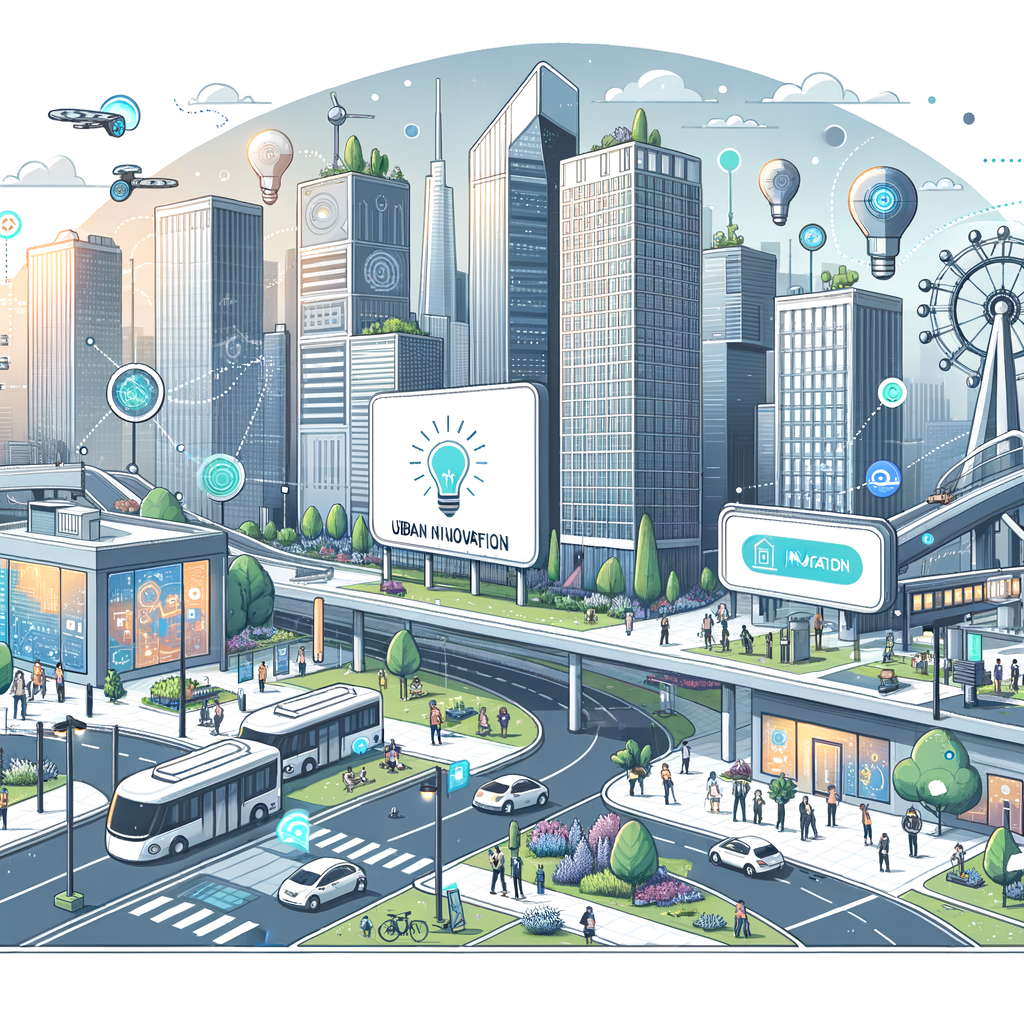
Urban Innovation Labs have emerged as crucial contributors to the development of smart cities. As cities across the globe face growing challenges such as rapid urbanization, traffic congestion, and environmental concerns, there is an increasing need for innovative solutions that can make cities more livable, sustainable, and efficient. Urban Innovation Labs operate at the forefront of this transformation, serving as testbeds for new technologies, policies, and strategies. They are collaborative spaces where government agencies, private companies, research institutions, and citizens work together to devise innovative ways to enhance urban living. Through a combination of research, experimentation, and real-world application, these labs are pivotal in driving the implementation of smart technologies and fostering an environment of continuous improvement. This article delves into the integral role that Urban Innovation Labs play in smart city development, highlighting their contributions, operations, and impact on urban environments.
The Functionality of Urban Innovation Labs
At the heart of Urban Innovation Labs is their ability to bring diverse stakeholders together. By serving as collaborative platforms, these labs enable the sharing of ideas and expertise that might otherwise remain siloed within different organizations or disciplines. One of their primary functions is to facilitate open innovation, which relies on a free flow of information and collective problem-solving. This approach helps in designing and testing new urban solutions in a controlled, real-world environment. The focus is on developing technologies that can address specific urban issues, such as reducing carbon emissions, improving public transportation, and enhancing public safety.
Urban Innovation Labs also play a crucial role in data collection and analysis. They are equipped with advanced technologies to gather data from various sources, including sensors, IoT devices, and social media, to monitor the pulse of a city. This data is then used to identify patterns, predict trends, and inform decision-making processes. By leveraging data analytics, labs can provide valuable insights that support the creation of responsive urban systems and policies. As such, they act as incubators for smart city initiatives, helping transition prototypes into scalable solutions that can be implemented citywide.
Stimulating Economic Growth and Development
A critical aspect of Urban Innovation Labs is their ability to boost economic growth and development within cities. By fostering entrepreneurship and supporting startups, these labs contribute to the creation of jobs and the stimulation of local economies. They provide resources such as funding, mentorship, and networking opportunities, which are essential for the success of innovative ventures. Moreover, the presence of a vibrant innovation ecosystem can attract businesses and talent, further enhancing a city’s competitiveness on the global stage.
Innovation Labs also serve as platforms for piloting new technologies that can lead to cost savings for city governments and businesses. By testing solutions before full-scale implementation, labs help mitigate risks and ensure that the technologies are effective and efficient. This approach not only leads to better resource management but also encourages investment in the infrastructure necessary to support smart city development.
Enhancing Quality of Life
One of the primary goals of smart city initiatives is to improve the quality of life for residents. Urban Innovation Labs contribute significantly to this objective by developing solutions that address various aspects of urban living. For instance, labs focus on projects aimed at improving urban mobility, such as the development of intelligent transportation systems that reduce commute times and improve traffic flow. Other initiatives include enhancing energy efficiency through smart grids and promoting sustainable practices that contribute to cleaner and healthier environments.
Furthermore, Urban Innovation Labs often prioritize citizen engagement and participation in the innovation process. By involving residents in the co-creation of solutions, labs ensure that the technologies and strategies developed are aligned with the needs and preferences of the community. This participatory approach not only empowers residents but also fosters a sense of ownership and connection to the urban environment, leading to more successful and sustainable outcomes.
Fostering Collaborative Innovation
Collaboration is central to the operation and success of Urban Innovation Labs. By bringing together a multidisciplinary group of stakeholders, labs facilitate the exchange of knowledge and expertise that is essential for tackling complex urban challenges. Public-private partnerships are often a key component of lab operations, combining the resources and capabilities of government entities with the innovative potential of private sector firms.
These partnerships enable the pooling of resources and the sharing of risks and rewards. In addition to facilitating collaboration between businesses and governmental bodies, Urban Innovation Labs often partner with academic institutions and research organizations. This engagement not only enhances the research capacity of labs but also provides access to cutting-edge technologies and methodologies. Such collaboration fosters an environment of continuous learning and experimentation, where new ideas can be tested, refined, and implemented.
Accelerating Technology Adoption
Urban Innovation Labs play a pivotal role in accelerating the adoption of new technologies within cities. By providing a testing ground for emerging technologies, these labs enable cities to stay ahead of the curve and adopt the latest advancements. The rapid pace of technological innovation means that cities must continuously adapt to remain relevant and competitive. Innovation Labs help by identifying the most promising technologies and demonstrating their potential impact on urban environments.
Through pilot projects and demonstrations, labs can showcase the benefits of new technologies to stakeholders and the public, building awareness and support for their adoption. This is particularly important in overcoming resistance to change and ensuring that new solutions are accepted and integrated into existing systems. By acting as catalysts for technological adoption, Urban Innovation Labs drive the transformation of cities into smart urban centers equipped to meet the demands of the future.
Addressing Challenges of Urban Innovation Labs
While Urban Innovation Labs play a critical role in smart city development, they also face several challenges that need to be addressed. One significant challenge is securing funding and resources necessary for their operation. Innovation Labs often rely on multiple funding sources, including government grants, private investments, and public-private partnerships. Ensuring a steady stream of resources can be difficult, particularly when projects take years to show results.
Another challenge is managing the complexities of implementing smart city solutions at scale. Many initiatives start as pilot projects and require significant coordination with various stakeholders to expand city-wide. This can lead to logistical issues and necessitates robust governance structures to ensure accountability and coordination. Additionally, addressing issues of data privacy and security is imperative as labs handle large volumes of data. Urban Innovation Labs must establish strong data governance frameworks to protect citizen data and ensure trust in the solutions they develop.
Conclusion
Urban Innovation Labs are at the forefront of smart city development, serving as pivotal agents in the transformation of urban environments. By fostering innovation, facilitating collaboration, and driving the adoption of advanced technologies, these labs are helping cities address complex challenges and improve the quality of life for their residents. Their cross-disciplinary nature enables them to harness diverse perspectives and expertise, resulting in innovative solutions that are both impactful and sustainable.
Despite facing challenges, Urban Innovation Labs remain vital in bridging the gap between research and real-world application. As cities continue to evolve, these labs will be essential in ensuring that urban development is driven by innovation, inclusivity, and sustainability. Their role in shaping the future of cities cannot be overstated, as they lay the groundwork for a more efficient, equitable, and resilient urban future. Looking forward, the lessons learned and innovations developed in labs today will set the foundation for smarter, more connected cities around the world.
Frequently Asked Questions
1. What are Urban Innovation Labs, and how do they contribute to smart city development?
Urban Innovation Labs are dynamic hubs designed to foster creativity, experimentation, and collaboration in urban environments. They play a significant role in smart city development by serving as testbeds for new technologies and ideas that aim to address city-specific challenges. These labs bring together city officials, technology companies, researchers, community members, and other stakeholders to pilot projects and refine solutions that improve urban living.
Through these collaborations, Urban Innovation Labs help streamline the adaptation and implementation of technologies such as smart traffic systems, energy-efficient lighting, and advanced waste management solutions. They also work on policy formation and strategize community engagement practices to ensure that technological advancements are inclusive and benefit all citizens. Essentially, Urban Innovation Labs act as incubators for ideas that transform how cities function, making them more sustainable, livable, and efficient.
2. How do Urban Innovation Labs address environmental concerns in cities?
Urban Innovation Labs tackle environmental concerns by spearheading and testing eco-friendly initiatives and technologies. They focus on sustainable urban development, promoting practices that reduce carbon footprints and improve air quality. This might involve the implementation of green infrastructure such as vertical gardens and green roofs, or the integration of renewable energy sources like solar and wind power within the urban landscape.
Additionally, these labs work on smart water management systems that optimize usage and reduce wastage, and they promote the development of efficient waste management solutions, such as smart bins and recycling systems. By piloting these projects, Urban Innovation Labs help cities adopt measures that enhance sustainability and environmental health. Their efforts ensure cities adapt not just technologically but do so with ecological considerations at the forefront.
3. How do Urban Innovation Labs support the development of smart transportation networks?
Urban Innovation Labs facilitate the development of smart transportation networks by testing and refining new mobility solutions. They explore the integration of cutting-edge technologies like IoT, Machine Learning, and AI to improve public transit systems, reduce traffic congestion, and enhance overall transportation efficiency. Pilot programs often include smart traffic management systems that use data from connected devices and sensors to optimize traffic flow, reducing delays and emissions.
Moreover, they innovate in areas such as shared mobility services (e.g., bike shares, ride-hailing apps) and autonomous vehicles, striving for seamless and sustainable transportation options. These labs also involve communities in co-design processes to ensure that the transportation solutions developed are applicable and adaptable to the specific needs of the city’s residents. Through these projects, Urban Innovation Labs aim to create more accessible, equitable, and efficient urban mobility offerings.
4. How do Urban Innovation Labs engage with the local community in smart city projects?
Community engagement is a cornerstone of Urban Innovation Labs’ approach to smart city projects. They recognize the importance of involving residents early and throughout the development process to ensure the solutions created are aligned with the community’s needs and priorities. This engagement typically occurs through workshops, community forums, and participatory design sessions where community members can voice their concerns, provide feedback, and contribute ideas.
Urban Innovation Labs also partner with local organizations and educational institutions to promote civic participation and digital literacy. By educating residents about new technologies and their potential benefits, these labs cultivate a culture of innovation and empower citizens to take an active role in shaping their city’s future. The result is more inclusive and adaptable urban solutions that reflect the community’s diverse perspectives.
5. What are some challenges Urban Innovation Labs face in smart city development?
While Urban Innovation Labs play a vital role in smart city development, they encounter several challenges. One significant challenge is securing sufficient funding and resources to sustain long-term projects. As these labs often rely on partnerships and grants, maintaining financial support can be a hurdle. There are also challenges related to data privacy and security, as the integration of smart technologies necessitates the collection and management of large volumes of data, raising concerns about surveillance and citizens’ privacy.
Moreover, coordinating between various stakeholders can be complex, involving different levels of government, private sector partners, and community groups, each with their own agendas and priorities. This can sometimes lead to fragmented efforts or delays. Finally, ensuring technological solutions are inclusive and benefit all segments of the population is a significant challenge. Urban Innovation Labs must continually adapt to address digital divides and ensure new technologies improve accessibility for marginalized communities. Successfully navigating these challenges requires innovative thinking, clear communication, and ongoing collaboration among all involved parties.