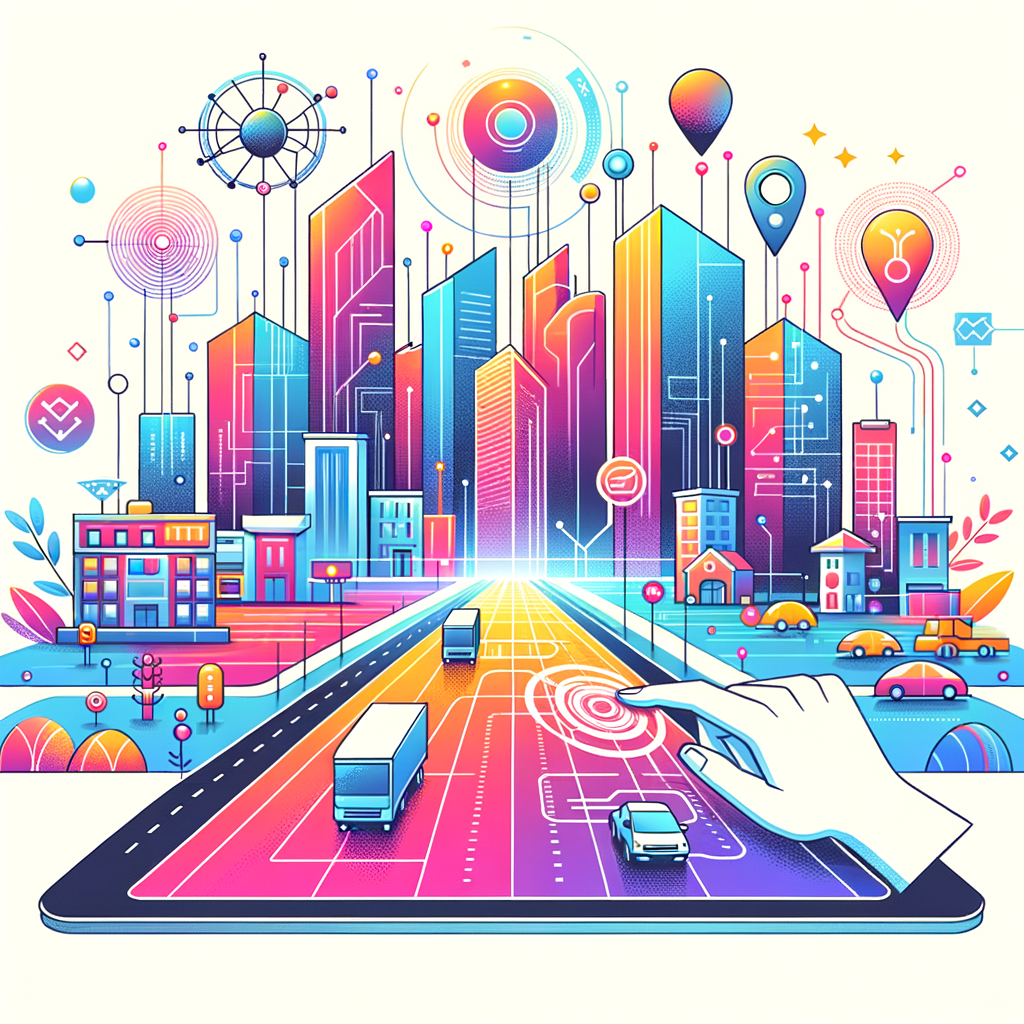
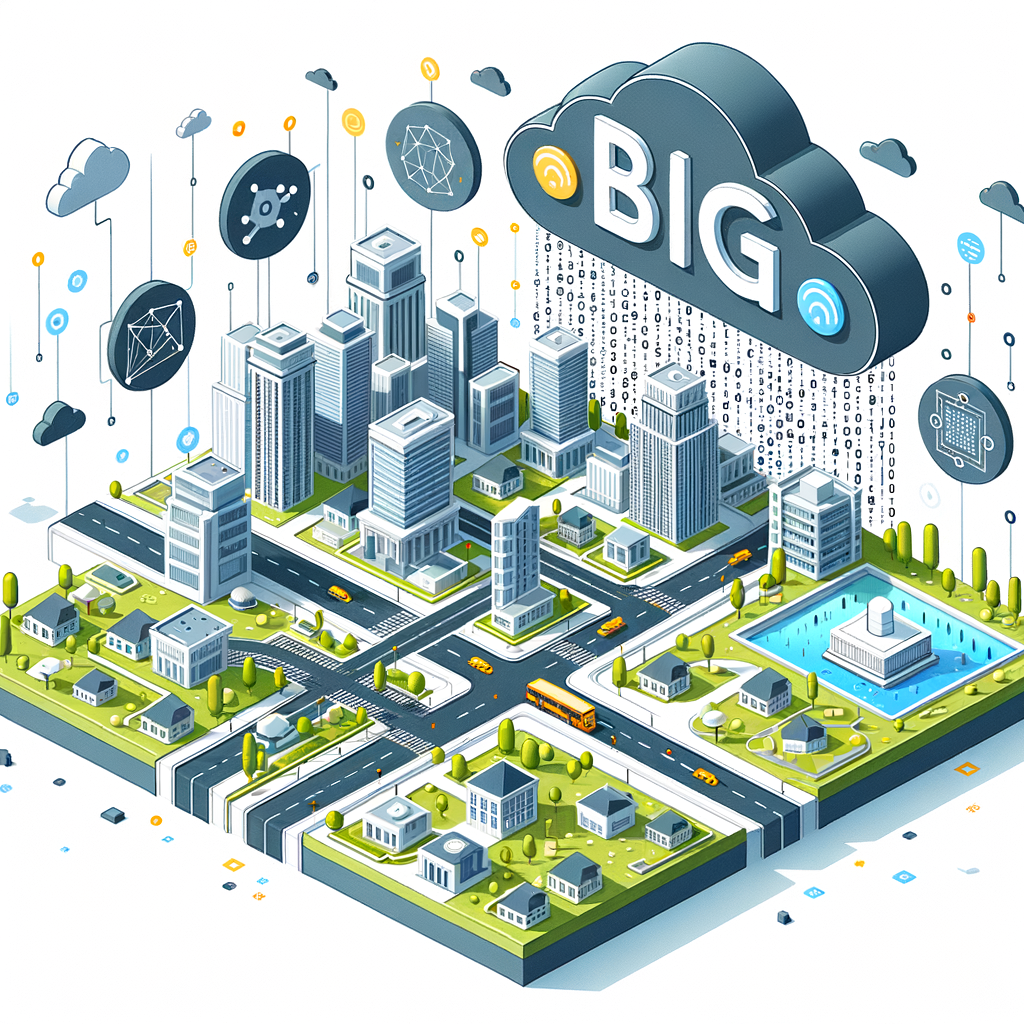
The rapid technological advancements of the 21st century have shaped the way urban spaces are being transformed into smart cities. These cities are not mere settlements but advanced, data-driven environments that leverage technology to improve the quality of life for their citizens. One of the pivotal ways smart cities are revolutionizing urban life is through real-time data analytics. This innovation plays an essential role in faciliting efficient city management, enhancing public services, supporting sustainable development, and improving environmental health. By enabling cities to collect, analyze, and interpret vast amounts of data continuously, real-time data analytics provides municipalities with insights that allow for proactive measures and decision-making. This article dives deeply into how smart cities utilize real-time data analytics, illustrate the benefits this technology brings, and discuss future possibilities.
As urban populations continue to soar, the demand for more efficient infrastructural systems and services grows exponentially. Real-time data analytics emerges as a cornerstone solution for smart cities coping with these challenges. By harnessing the potential of data analytics, smart cities can understand and mitigate issues such as traffic congestion, crime rates, energy consumption, and pollution levels, making cities more livable and sustainable for residents. This comprehensive empowerment through instantaneous data collection and analysis allows city authorities to adapt and respond swiftly to changing conditions, thus enhancing city planning and service delivery. The effective integration of real-time data analytics in smart city initiatives is pivotal in navigating and excelling in the complexities of contemporary urban living.
The Role of IoT in Smart Cities
At the heart of any smart city’s ability to leverage real-time data analytics lies the Internet of Things (IoT). IoT encompasses a network of interconnected devices and sensors that collect and transmit data across various urban sectors. By employing IoT technology, smart cities are equipped to gather endless streams of data on areas ranging from transportation to waste management. This constant flow of information is vital for real-time analytics, allowing cities to process data instantaneously and make informed decisions.
The interconnected nature of IoT devices means they can share data as it is collected, feeding it into central analytic systems for processing. For instance, IoT-enabled traffic cameras and sensors provide live data about traffic flow, road conditions, and vehicle counts. This information can be analyzed immediately to alleviate traffic congestion through dynamic traffic light adjustments or predictive route planning. Similarly, smart grids powered by IoT can measure energy usage patterns, facilitating efficient energy distribution and reducing wastage.
Moreover, IoT technology plays a significant role in enhancing public safety within smart cities. Sensor-equipped monitoring devices can detect unusual activities and alert authorities in real time. By harnessing data from a variety of sources, such cities can also gain insights into crime patterns and deploy resources effectively to prevent crime. Thus, IoT acts as both the provider and enabler of real-time data analytics, essential for the efficient functioning of smart cities.
Transportation and Real-Time Analytics
One of the most visible applications of real-time data analytics in smart cities is in transportation management. With growing urbanization, cities are facing unprecedented transportation challenges, including gridlock traffic, limited parking, inefficient public transit systems, and pollution from vehicular emissions. Real-time data analytics offers innovative solutions to these issues by enhancing traffic management, optimizing public transportation, and developing smarter infrastructures.
By collecting real-time data from traffic sensors, GPS devices, and cameras, city planners can continuously assess and adapt traffic signals to ease congestion. For instance, traffic lights can be manipulated based on real-time demands, reducing waiting periods and ensuring a steady flow of vehicles. Additionally, data from real-time maps and citizen-reported traffic incidents can be processed to provide alternate routes or timing suggestions to drivers, helping them avoid congested areas.
For public transportation systems, real-time analytics can drastically improve service reliability and passenger convenience. By monitoring factors like bus and train locations, arrival times can be accurately predicted and shared with commuters through apps or digital displays at stations. Data analytics also facilitates fleet and route optimization, reducing wait times and improving overall scheduling efficiency. Furthermore, analytics can help pinpoint the need for additional services during peak times, contributing significantly to the city’s overall mobility strategy.
Parking is another area where real-time data analytics has shown efficacy. By integrating sensors in parking lots and along streets, cities can continually monitor available parking spots and guide drivers accordingly through digital signage or mobile apps. This minimizes the time spent searching for parking and reduces traffic congestion caused by circulating vehicles. Overall, real-time data analytics revolutionizes urban transportation by aligning resources with current demand, promoting a seamless commuting experience for city residents.
Environmental Benefits and Sustainability
Smart cities integrating real-time data analytics are also making significant strides towards environmental sustainability. As cities endeavor to lower their carbon footprints and minimize pollution, real-time data analytics provides actionable insights and strategies for sustainable urban growth. Through continuous data collection and analysis, smart cities can effectively monitor environmental metrics and implement measures to protect natural resources.
Air quality monitoring is a crucial application of real-time data analytics. IoT sensors distributed throughout cities collect data on air pollution levels, detecting dangerous pollutants such as nitrogen dioxide, carbon monoxide, and particulate matter. This enables city authorities to identify pollution hotspots and undertake timely initiatives to mitigate detrimental environmental impacts. Additionally, real-time data can be used to issue public warnings or advisories during extreme pollution events, safeguarding public health.
Real-time analytics is also instrumental in managing water resources. By analyzing data from water sensors, smart cities can optimize distribution processes, detect leaks, and reduce water wastage. In times of drought or water scarcity, this capability becomes even more critical. Monitoring real-time weather patterns and water demands allows cities to implement conservation measures and adjust supply accordingly, ensuring that precious water resources are used efficiently.
Energy use optimization is another area where real-time data analytics can drive sustainability. By analyzing energy consumption patterns obtained from smart meters, cities can identify usage trends, manage energy loads effectively, and encourage energy conservation. This ensures sustainable energy usage and helps minimize cities’ overall environmental impact. In doing so, smart cities employ real-time data to create a balance between meeting present-day demands and ensuring environmental health for future generations.
Public Safety and Emergency Response
In smart cities, real-time data analytics has critical implications for enhancing public safety and streamlining emergency response efforts. As the foundational component of prompt and effective crisis management, real-time data enables cities to assess situations as they occur, optimizing responses to ensure the safety and well-being of their residents.
Real-time crime monitoring and analytics allow law enforcement agencies to predict potential criminal activity and respond proactively. By analyzing data from surveillance cameras, sensors, and social media, cities can detect anomalies or patterns indicative of crimes. This enables a swift distribution of law enforcement resources, preventing crimes before they escalate or spread. Moreover, real-time data can inform police about current incidents, improving coordination and deployment efforts.
In the context of emergency response, real-time analytics offers remarkable improvements in dispatch efficiency and resource allocation. Emergency services, such as firefighters and medical personnel, benefit from up-to-date information transmitted from IoT-equipped locations. This reduces response times by providing crucial details to responders, such as road closures, current weather conditions, or the exact location of an incident.
Additionally, real-time alerts and notifications guide citizens during emergencies, ensuring they receive vital information to remain safe. As cities gather and analyze data during major incidents such as natural disasters or industrial accidents, they can disseminate evacuation instructions, shelter information, and disaster response plans. This accessibility to information empowers residents to make informed decisions, thereby enhancing community resilience and public safety.
Conclusion
As urban landscapes evolve into smart cities characterized by advanced technological infrastructure, real-time data analytics emerges as an indispensable tool in navigating the complexities of modern urban existence. Through the seamless integration of IoT systems, smart cities can continually gather data to enhance transportation, ensure environmental sustainability, bolster public safety, and improve city infrastructure planning. By leveraging real-time analytics, cities are empowered to proactively address challenges, optimize resources, and ensure the well-being of their citizens.
While smart cities already benefit substantially from real-time data analytics, there remains significant potential for further advancements and innovations. As technology evolves, opportunities for improved data collection, analysis, and application will continue to emerge, enhancing the capacity of cities to meet the dynamic demands of growing populations.
The ongoing development and application of real-time data analytics mark a profound shift in urban management paradigms. Smart cities equipped with this technology are not only more efficient but also offer enriched quality of life for their citizens. As more cities adopt smart technologies, they lay the groundwork for sustainable, resilient, and human-centered urban development. By continuing to harness real-time data analytics, cities can pave the way for an optimized future, characterized by intelligent, interconnected urban hubs.