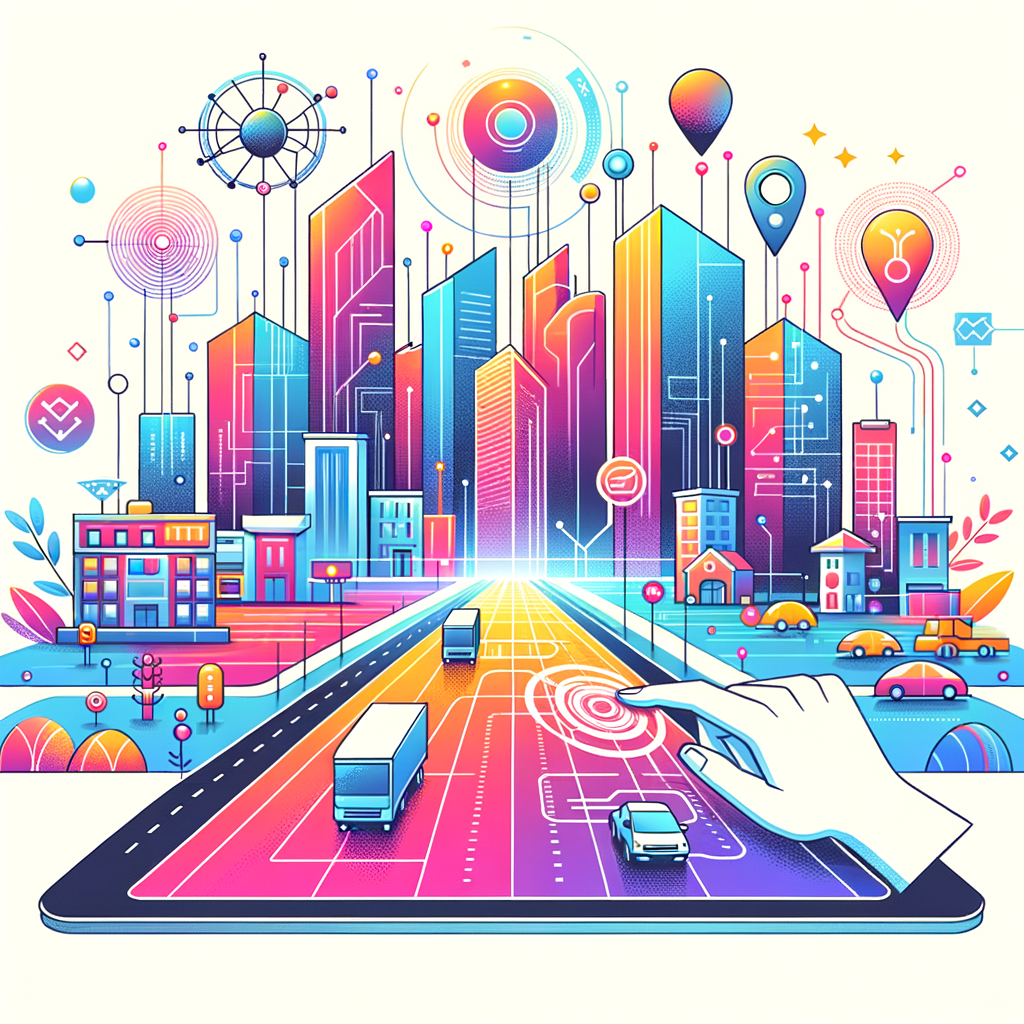
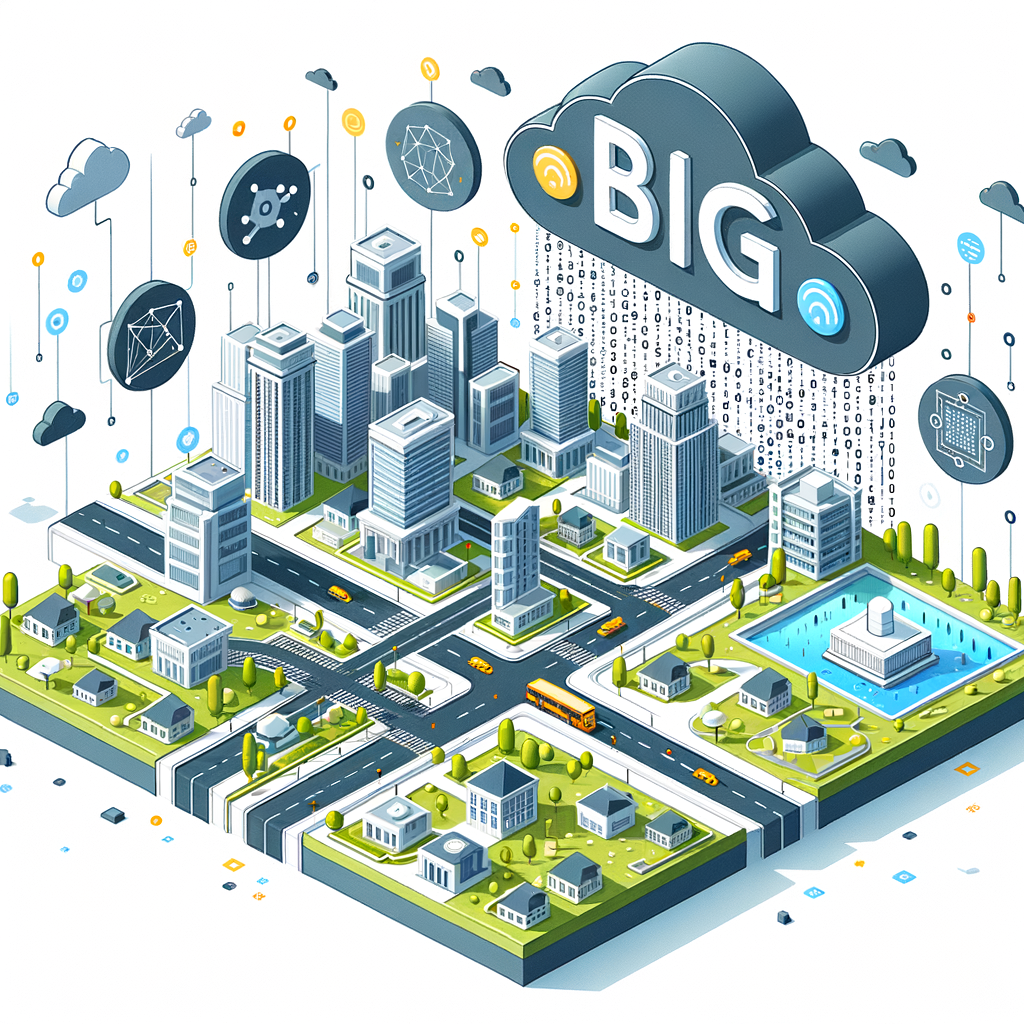
In the contemporary urban landscape, the concept of a smart city is emerging with increasing frequency, heralding a new era of urban development and connectivity. Smart cities leverage cutting-edge technologies to enhance the quality of life for their residents while fostering sustainable growth and efficient resource management. A pivotal component of successful smart city initiatives is robust digital infrastructure, which forms the backbone of these tech-driven ecosystems. Digital infrastructure encompasses a variety of technologies and frameworks, including broadband networks, IoT devices, data centers, and advanced analytics. These elements collectively facilitate seamless interaction between people, devices, and data, paving the way for smarter, more efficient cities.
At the core of digital infrastructure’s importance is its ability to support a wide array of functionalities, such as smart traffic systems, energy management, and enhanced public safety. As urban populations swell, city planners face mounting challenges in the realms of transportation, sustainability, and housing. Within this context, digital infrastructure is not merely a technological addendum; it is a fundamental enabler of smart city visions. By integrating digital solutions into the very fabric of a city, municipal authorities can address complex problems with innovative, data-driven approaches. This harmonization of technologies and urban planning is essential for creating environments that are not only livable but thrive under the constant pressure of modernization.
Furthermore, the promise of digital infrastructure extends beyond mere technological progression, touching upon economic, social, and environmental dimensions. It drives economic growth by attracting businesses and fostering innovation, empowers citizens by enhancing their access to services, and contributes to environmental sustainability through intelligent resource management. As the demand for smart city development intensifies, understanding the role of digital infrastructure becomes crucial for stakeholders invested in the future of urban living. This article delves into various aspects of digital infrastructure within the smart city paradigm, examining the pivotal functions it serves and exploring the multifaceted benefits it delivers.
The Foundation of Connectivity
Central to any smart city initiative is a seamless and efficient network infrastructure that provides the necessary connectivity for all other systems to operate effectively. High-speed broadband is often the linchpin of digital infrastructure, facilitating the rapid exchange of data across different platforms and devices. With reliable broadband in place, cities can deploy a range of interconnected systems and services, from IoT devices that monitor air quality to smart grid technologies that optimize energy consumption. This level of connectivity is instrumental in enabling real-time data collection and analysis, which is vital for informed decision-making and proactive management of urban services.
Moreover, the deployment of 5G networks marks a significant advancement in enhancing digital infrastructure for smart cities. With ultra-low latency and higher speeds, 5G technology supports a broader spectrum of applications, from autonomous vehicles to telemedicine. Cities equipped with 5G networks can implement advanced technologies that require high data-transfer capabilities, thereby reinforcing their status as smart urban centers. The potential of 5G extends to enhancing public safety systems, enabling more effective deployment of emergency services, and supporting predictive analytics for preventing incidents before they occur.
Data Centers and Cloud Computing
As the digital landscape becomes increasingly data-driven, data centers and cloud computing solutions have emerged as indispensable components of smart city infrastructure. These facilities store, process, and manage the vast amounts of data generated by the multitude of interconnected devices within a city. Data centers serve as aggregation points where information is compiled and analyzed, providing insights that inform decision-making and operational efficiency. The scalability offered by cloud computing enables cities to manage this data flexibly and cost-effectively, with accessibility that supports collaboration among various stakeholders.
Furthermore, the integration of artificial intelligence (AI) and machine learning (ML) within cloud platforms enhances the analytical capabilities of smart cities. Machine learning algorithms can identify patterns and trends from city data, providing actionable insights that guide urban planning and policy formulation. Whether optimizing traffic flow, managing waste disposal, or predicting maintenance needs, AI-driven analytics empower cities to implement more strategic, data-informed approaches to their operations. Such advancements not only improve the quality of urban services but also contribute to a more sustainable and environmentally conscious urban environment.
The Role of IoT in Urban Environments
The Internet of Things (IoT) is a critical facet of digital infrastructure, particularly within the realm of smart city development. IoT devices act as the sensory nodes that gather and transmit data across various urban sectors. From smart streetlights that adjust based on pedestrian presence to environmental sensors that monitor pollution levels, IoT devices provide a continuous stream of data that informs city infrastructure management. The interconnected nature of IoT creates a network effect, where each device contributes to a larger, more comprehensive picture of urban dynamics.
Crucially, IoT facilitates the implementation of smart transportation systems, which are a cornerstone of any smart city. Connected vehicles, smart traffic lights, and real-time public transport updates are enabled through IoT technologies, significantly improving the efficiency and experience of urban mobility. The synchronized functioning of these systems reduces congestion, lowers emissions, and enhances safety for both pedestrians and drivers. By integrating IoT into transportation infrastructure, cities can respond to real-time conditions and optimize flow according to demand, demonstrating the transformative potential of digital infrastructure in urban planning.
Impact on Public Services
Another area where digital infrastructure exerts a profound influence is in the realm of public services. Smart cities utilize technology to create more responsive and resilient public service systems. Digital platforms provide comprehensive solutions ranging from streamlined utilities management to enhanced healthcare delivery. For instance, cities equipped with smart water management systems can monitor consumption patterns, detect leaks, and ensure the sustainable use of water resources. This not only reduces costs but also mitigates environmental impact, promoting sustainability at a systemic level.
Education is another sector benefiting from digital infrastructure, as smart city initiatives frequently incorporate enhanced educational systems into their frameworks. E-learning platforms, virtual classrooms, and online resource libraries enable access to quality education for all citizens, regardless of socioeconomic barriers. This democratization of information ensures that urban populations can acquire the skills and knowledge necessary for competing in a globalized economy, fostering a more inclusive and equitable society.
Promoting Economic Development
The deployment of comprehensive digital infrastructure within smart cities is a significant catalyst for economic development. It attracts global businesses eager to operate in technologically advanced environments, boosting local economies. The presence of digital infrastructure signals to companies that a city is forward-thinking, resourceful, and proficient in managing modern technological demands. By fostering an ecosystem of innovation, smart cities stimulate entrepreneurship and support tech-centric start-ups that drive job creation and economic diversification.
Additionally, the digital ecosystem in smart cities often leads to the creation of open data platforms, whereby data collected by the city is made accessible to the public. This transparency encourages the development of new applications and services that address urban challenges, fostering a culture of innovation and collaborative problem-solving. Entrepreneurs and researchers can utilize this data to develop insights and solutions that further improve urban life, making digital infrastructure a crucial component of a city’s economic strategy.
Enhancing Environmental Sustainability
Smart cities are at the forefront of addressing environmental sustainability, and digital infrastructure plays a crucial role in achieving such goals. By leveraging sensor networks and real-time data analytics, cities can monitor and reduce energy consumption, track pollution levels, and optimize resource usage. Smart grids, for instance, facilitate a more efficient distribution of electricity, integrating renewable energy sources and allowing for demand-responsive power management. This adaptive management not only improves energy efficiency but also reduces the carbon footprint of urban areas.
Furthermore, digital infrastructure supports the development of intelligent waste management systems that can reduce urban waste output. Sensors deployed in waste containers signal when they need to be emptied, thereby optimizing collection routes and minimizing fuel consumption. This efficient management of resources plays an essential role in reducing landfill reliance and promoting recycling efforts, demonstrating the critical value of digital infrastructure in environmental conservation efforts within smart cities.
Conclusion
As we navigate through the challenges and opportunities presented by rapid urbanization, the significance of digital infrastructure in smart city development is increasingly apparent. Serving as the foundation for enhanced connectivity, data management, and resource optimization, digital infrastructure underpins the technological innovations that define smart cities. It shapes how cities evolve, contributing to economic growth, environmental sustainability, and improved quality of life for residents.
The integrated capabilities of broadband networks, data centers, cloud computing, and IoT devices illustrate a transformative potential that transcends traditional urban planning paradigms. Cities can become living laboratories that dynamically adapt to emergent challenges and opportunities. By investing in digital infrastructure, cities position themselves to access these innovations, ensuring their readiness for future demands.
In conclusion, digital infrastructure is more than an enabler of smart city goals; it is an essential determinant of urban resilience and prosperity. As the technological landscape evolves, continuing to prioritize investments in this area will be critical for cities aspiring to retain global competitiveness and stakeholder satisfaction. Future urban development strategies must remain grounded in this understanding, leveraging digital infrastructure to create vibrant, sustainable, smart cities.