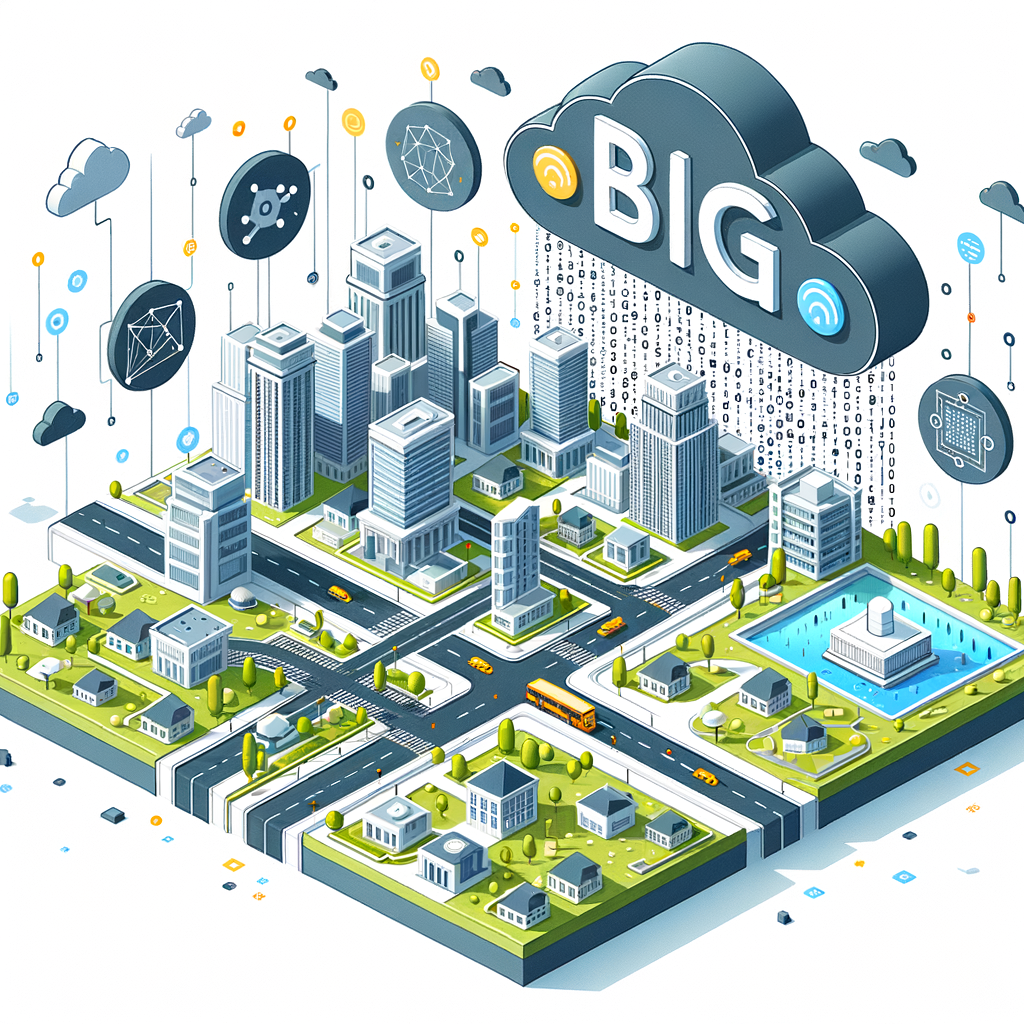
In an increasingly interconnected world, the notion of the “smart city” has emerged as an answer to the challenges stemming from rapid urbanization. These smart cities are designed to leverage advanced technologies to enhance the quality of life, optimize resource management, and reduce environmental impact. At the core of this transformation lies cloud computing, which serves as a backbone, enabling the efficient processing and analysis of vast amounts of data generated by smart city applications. This article explores how smart cities are leveraging cloud computing to achieve their goals, focusing on the significant benefits and potential future implications.
Urban areas are expanding at an unprecedented rate, leading to increased pressure on public services, urban planning, and infrastructure management. As cities strive to become smarter, the role of cloud computing in gathering, processing, and delivering actionable insights is crucial. Cloud computing offers scalability, accessibility, and cost-efficiency, which are vital for implementing smart city initiatives. This introduction sets the stage for an in-depth exploration of the transformative power of cloud computing in smart cities, highlighting its impact on various sectors, including transportation, energy, healthcare, and infrastructure.
The rapid integration of cloud computing within smart city ecosystems aligns with the broader trends of technological convergence and digital transformation. By facilitating seamless data interchange, cloud computing enables municipalities to deliver more responsive and personalized services to citizens. This adaptability not only enhances public safety and communication but also fosters economic growth and sustainability. From improving traffic management systems to optimizing energy consumption in smart grids, cloud computing acts as a catalyst for change. As we delve into the multitude of ways cloud computing contributes to smart city development, it becomes evident that this technological advancement is indispensable for realizing the full potential of urban areas in the digital age.
Transforming Urban Transportation
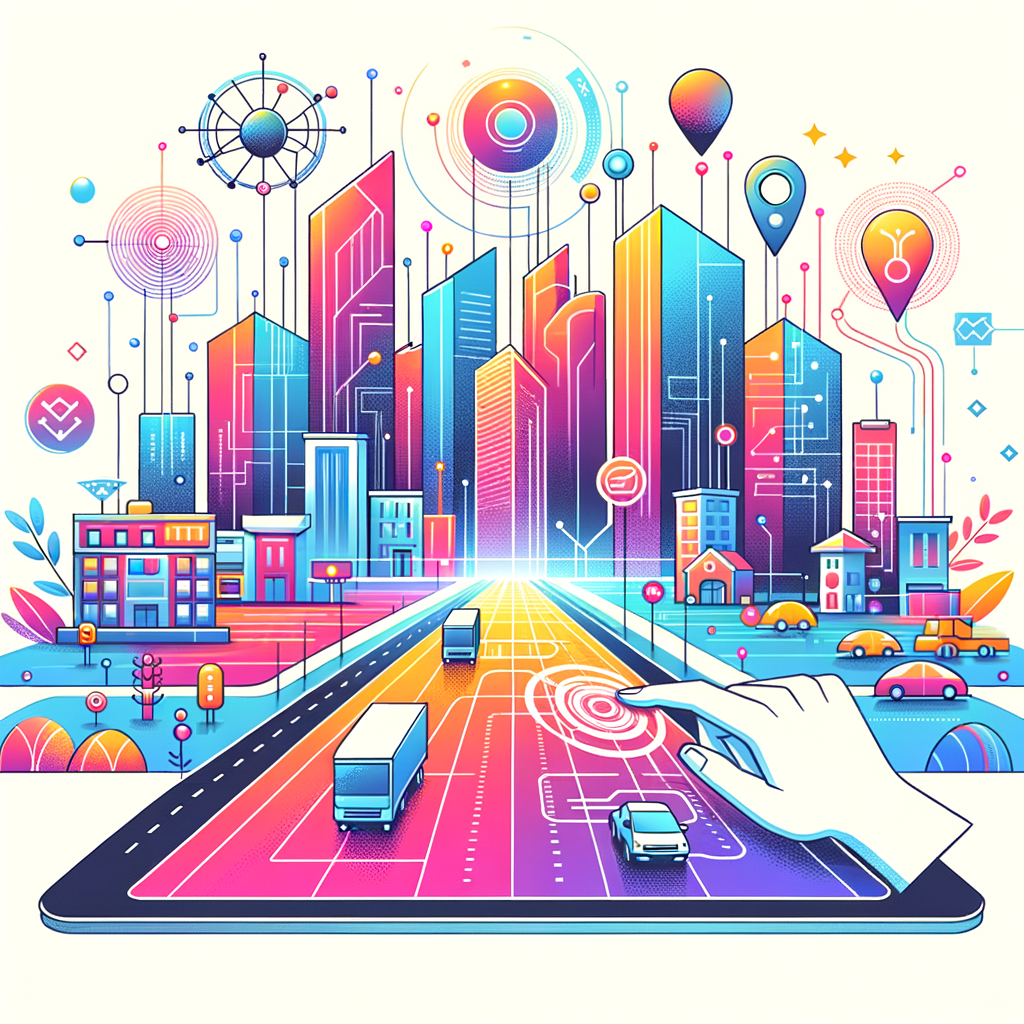
One of the most noticeable impacts of cloud computing in smart cities is within the realm of urban transportation. Systems that once relied on traditional, static data collection are now supported by dynamic, real-time solutions powered by the cloud. Cloud computing enables city administrations to monitor traffic patterns, thereby reducing congestion and improving public transit efficiency. By leveraging cloud-based analytics platforms, cities can predict peak traffic flows and adjust signal timings accordingly, ensuring smoother vehicular movement across metropolitan areas.
Moreover, cloud computing facilitates the development of intelligent transportation systems (ITS) that integrate vehicle-to-infrastructure and vehicle-to-vehicle communications. These systems rely on cloud networks to process real-time data from numerous sensors and devices embedded within the transport infrastructure. The collected data enables predictive analytics, which can forecast potential traffic issues and suggest alternative routes to drivers via cloud-based navigation applications. This smart management significantly reduces travel time, fuel consumption, and vehicle emissions, contributing to a cleaner and more sustainable urban environment.
Public transportation systems also benefit from cloud computing through enhanced operations and customer experience. For example, real-time passenger information systems leverage cloud services to offer timely updates on bus arrivals and departures, improving commuter satisfaction. The flexibility and scalability of cloud computing allow transportation authorities to implement on-demand transit solutions, matching vehicle availability with passenger demand, thus optimizing resource use and enhancing service delivery.
Enhancing Energy Management
Smart cities aim to optimize energy consumption and promote sustainability, and cloud computing plays a pivotal role in achieving these objectives. Through cloud-based platforms, cities can manage energy resources more effectively, leading to significant cost savings and reduced environmental impact. Cloud technology supports the operation of smart grids, which balance electricity demand and supply in real-time, improving grid reliability and efficiency.
Smart meters and IoT-enabled devices, connected through the cloud, provide cities with granular consumption data. This data is analyzed to monitor energy usage patterns, enabling authorities to implement demand response strategies that encourage consumers to shift their energy usage to off-peak times. Thus, cloud computing not only empowers cities to utilize renewable energy sources more effectively but also engages consumers in energy-saving initiatives.
Additionally, cloud computing supports the deployment of distributed energy resources, such as solar panels and wind turbines, by enabling real-time monitoring and management. Cloud platforms facilitate the integration of these alternative energy sources into the existing power grid, ensuring a seamless flow of energy. By optimizing the generation, distribution, and storage of renewable energy, cloud computing helps cities reduce their carbon footprint and enhance energy resilience, making smart cities a model for sustainable urban living.
Advancing Healthcare Services
Healthcare services in smart cities are evolving, becoming more efficient and accessible—thanks to cloud computing. By leveraging cloud-based solutions, healthcare providers can improve patient care and streamline operations while maintaining cost-effectiveness. Cloud computing enables the centralized storage of electronic health records (EHRs), simplifying access for authorized medical personnel, irrespective of their location.
Moreover, the integration of cloud computing into healthcare facilitates telemedicine, allowing for remote consultations and monitoring. Patients can receive continuous care without the need for frequent hospital visits, a model that is particularly advantageous for managing chronic diseases and during pandemics. With the vast data storage capabilities of the cloud, real-time analytics can be employed to identify health trends and track disease outbreaks, enhancing public health response strategies.
Cloud computing also supports advanced healthcare technologies such as artificial intelligence (AI) and machine learning (ML), enabling better predictive diagnostics and personalized medicine. These technologies require immense computational power and data storage, which the cloud readily provides. By analyzing vast datasets, AI can assist clinicians in diagnosing conditions more accurately and providing tailored treatment plans, ultimately improving patient outcomes.
Improving Infrastructure and Public Safety
Infrastructure management and public safety are critical components of a smart city’s operational framework. Cloud computing offers robust solutions for monitoring and maintaining infrastructure, ensuring operational efficacy and safety. Through sensors and cloud-based applications, cities can monitor critical infrastructure, such as bridges, tunnels, and water systems, in real-time.
This continuous monitoring enables early detection of structural issues, allowing for timely maintenance and reducing the risk of unexpected failures. Cloud computing also supports city planning by providing comprehensive data analysis tools that assist in making informed decisions regarding urban development and infrastructure investments. This dynamic approach not only conserves resources but also fosters economic efficiencies and resilience against disasters.
Public safety improvements through the cloud encompass various areas, from emergency response management to crime prevention. Cloud-based platforms enable the integration and analysis of data from various sources, such as CCTV cameras, emergency calls, and social media, to provide a holistic view of real-time urban activities. This situational awareness enhances the effectiveness of response efforts and ensures that emergency services can allocate resources optimally.
Moreover, predictive policing, driven by cloud computing and data analytics, allows law enforcement agencies to anticipate and prevent criminal activities. By analyzing historical crime data and extracting patterns, authorities can deploy resources to high-risk areas, thus enhancing community safety and security proactively.
Conclusion
As urbanization continues to accelerate, the development of smart cities powered by cloud computing is crucial for sustainable urban growth and enhanced quality of life. By enabling efficient data collection, storage, and analysis, cloud computing provides the technological foundation necessary for implementing smart city applications across various sectors. From transportation and energy management to healthcare and public safety, the influence of cloud computing is pervasive, driving innovation and facilitating data-driven decision-making processes.
The transformative potential of cloud computing lies in its ability to foster an interconnected ecosystem where information flows freely, enabling cities to overcome traditional operational limitations. By providing scalable, flexible, and cost-effective solutions, cloud technology empowers cities to tackle complex urban challenges and enhance service delivery, ultimately benefiting the residents and the environment.
Looking ahead, the role of cloud computing in smart cities will continue to expand as technological advancements and innovation progress. The integration of emerging technologies, such as AI, IoT, and 5G, will further amplify the capabilities of cloud-based solutions, paving the way for even smarter, more sustainable cities. As municipal administrations and stakeholders harness the power of cloud computing, they unlock new opportunities to create vibrant, resilient, and adaptive urban environments tailor-made for future generations.