Introduction to Globalization and Urban Planning
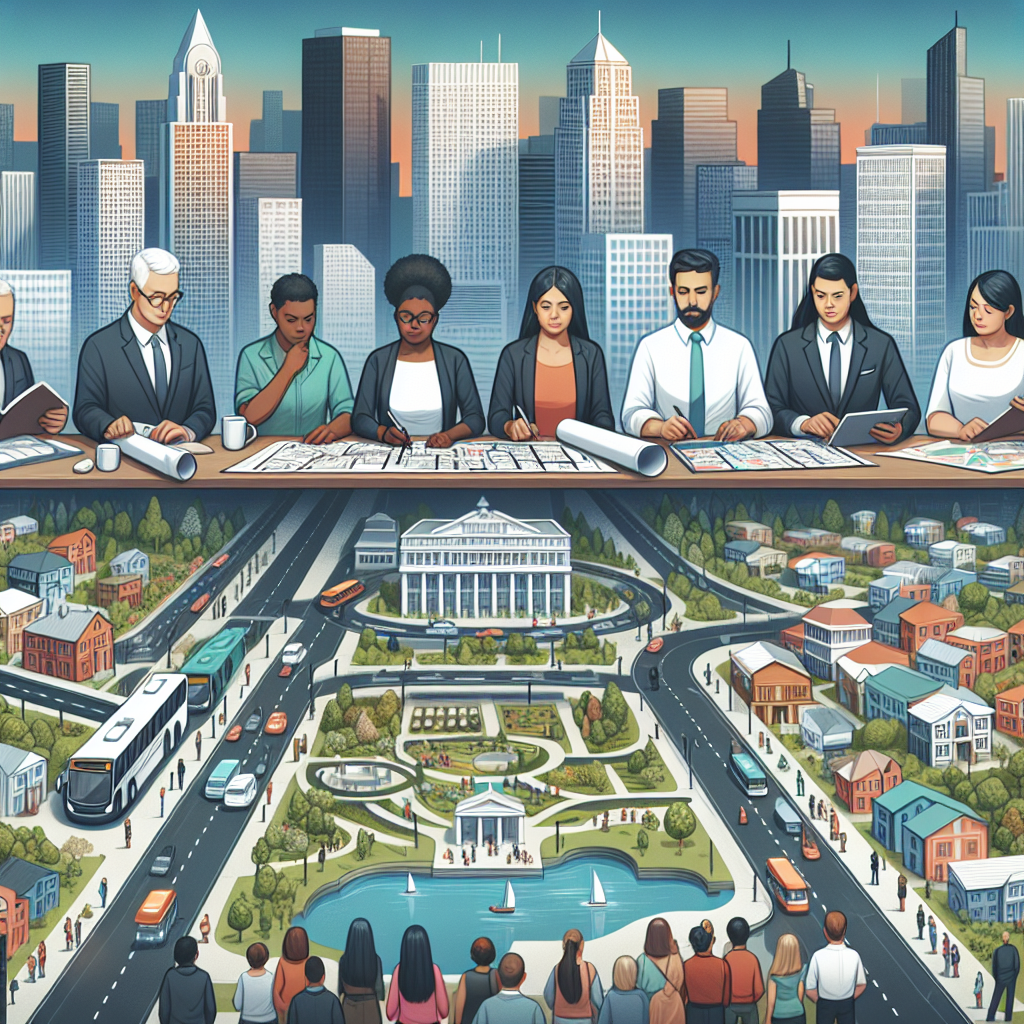
Globalization is a multifaceted process that involves the increasing interconnectedness of economies, societies, and cultures across the globe. It is driven by various factors, including advancements in technology, international trade, and the mobility of people and resources. Urban planning, on the other hand, is the process of designing and managing land use and the built environment in urban areas. It involves planning for infrastructure, transportation, housing, economic development, and environmental management to create functional and sustainable cities.
The intersection of globalization and urban planning is significant because the decisions made in urban planning influence the quality of life for urban residents and have implications for the global environment and economy. Understanding the impact of globalization on urban planning is essential as cities are hubs of population growth and economic activity, and their planning affects global sustainability and economic outcomes. The changes driven by globalization present both opportunities and challenges for urban planners in designing cities that are adaptive, resilient, and efficient.
The Influence of Global Economic Integration on Urban Development
One of the primary impacts of globalization on urban planning is the influence of global economic integration. Cities worldwide are now interconnected within a global economy, which has altered how they plan for economic development. The integration into global networks allows cities to attract foreign investments, create jobs, and spur economic growth. However, it also increases competition among cities to attract multinational corporations and skilled workers, influencing urban planning priorities.
An example of this can be seen in cities like Bangalore and Shenzhen. These cities have strategically developed technology parks and economic zones to attract global tech giants, positioning themselves as global technology hubs. This focus on economic integration requires urban planners to consider infrastructure development, land use regulations, and transportation systems that support economic activities. It also raises challenges concerning economic inequality, as urban planning must address disparities in wealth distribution and access to opportunities.
To illustrate these strategies, consider the efforts of these cities in a tabular format:
| City | Strategy | Outcome |
|---|---|---|
| Bangalore | Development of IT parks | Establishment as a tech hub |
| Shenzhen | Special economic zones | Rapid economic growth |
Environmental Sustainability in the Global Urban Context
Globalization’s environmental implications necessitate sustainable urban planning. As cities become more integrated into global networks, they face increased environmental pressures, including pollution, resource depletion, and climate change. Urban planners are challenged to adopt sustainable practices that balance environmental concerns with economic and social needs, ensuring that cities remain livable and resilient in the face of global challenges.
For example, Copenhagen has become a model for sustainable urban planning by integrating cycling infrastructure and reducing carbon emissions. The city’s commitment to becoming carbon neutral by 2025 involves innovative design and planning strategies that prioritize renewable energy, green transportation, and energy-efficient buildings. This approach not only alleviates environmental pressures but also enhances residents’ quality of life and promotes a healthier urban environment.
Cultural Impacts and Urban Identity
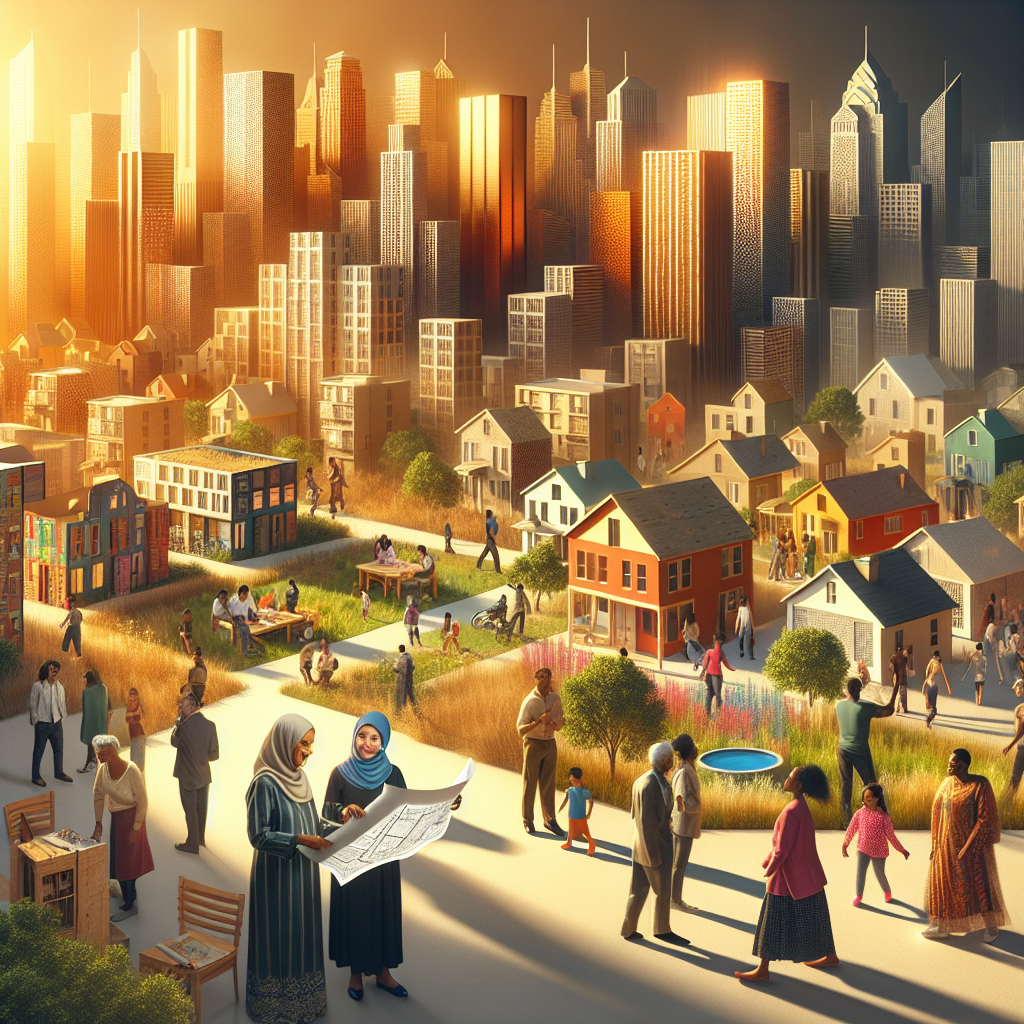
Globalization also influences urban planning through cultural exchange and the blending of traditions. As cities grow more multicultural, urban planners must accommodate diverse cultural needs and preferences. This diversity manifests in the cultural and architectural landscapes of urban areas, where planners strive to maintain city identity while embracing global influences.
In cities such as Toronto, urban planners incorporate public spaces that reflect the multicultural nature of the population. By designing inclusive and welcoming environments, such as the revitalization of Regent Park, city planners create spaces that celebrate cultural diversity and promote social cohesion. This approach recognizes the cultural assets brought by globalization, enhancing the urban experience for all residents.
Transportation and Global Connectivity
Globalization has reshaped urban transportation infrastructure, emphasizing the need for cities to be globally connected. Urban planners focus on developing efficient transportation systems that facilitate the movement of people and goods locally and internationally. This includes integrating various modes of transport, such as airports, ports, rail systems, and public transit, to support global trade and mobility.
Singapore serves as an exemplary model of efficient urban transportation planning. It successfully integrates its public transit system with air, maritime, and rail networks, facilitating seamless global connectivity. The city-state’s investment in cutting-edge technologies and infrastructure maximizes its role as a key global logistics and transit hub, showcasing how transportation planning adapts to globalization’s demands.
The Future of Urban Planning in a Globalized World
As globalization continues to shape urban environments, future urban planning must be adaptable and forward-thinking. Emerging technologies and trends, such as smart cities and the Internet of Things (IoT), offer promising avenues for addressing globalization’s challenges. Urban planners leverage data analytics, automation, and integrated systems to create more responsive and efficient urban environments.
For instance, the city of Barcelona employs smart technology in urban management, enhancing sustainability and improving public services. Its initiatives in smart lighting, waste management, and transportation exemplify how cities can harness new technologies to optimize urban living in a globalized context. Urban planning that embraces such innovations will lead to more intelligent, sustainable, and resilient cities.
Conclusion: Embracing Globalization in Urban Planning
In summary, globalization profoundly influences urban planning, presenting both opportunities and challenges for city development worldwide. It drives economic integration, necessitates sustainable practices, reshapes cultural landscapes, and emphasizes global connectivity. Urban planners must navigate these complexities, balancing local needs with global influences to create cities that are economically vibrant, environmentally sustainable, and culturally rich.
For individuals interested in urban planning or those living in urban areas, understanding globalization’s impact is vital. By appreciating how globalization shapes their cities, residents and planners alike can contribute to building inclusive, innovative, and effective urban spaces. As a next step, individuals can engage with local planning initiatives or participate in public policy discussions, helping shape the urban future in a way that reflects our interconnected world.
By recognizing these shifts and actively participating in urban governance, citizens can ensure that globalization’s benefits are maximized while mitigating its challenges. The continuous collaboration between policymakers, planners, and the public will be instrumental in crafting future urban landscapes that are sustainable, equitable, and thriving in a globalized era.
Frequently Asked Questions
1. What is globalization, and how does it influence urban planning?
Globalization is the process by which the world becomes increasingly interconnected through exchanges of culture, trade, technology, and ideas. It involves the expansion and intensification of connections among individuals, businesses, and governments across borders. Urban planning, in essence, is significantly influenced by globalization as it requires planners to consider the impact of these transnational flows on cities and urban areas.
Globalization brings about both opportunities and challenges in urban planning. On one hand, it encourages economic growth by attracting international businesses and fostering innovation through global knowledge exchange. Planners can design cities to be competitive in the global market by incorporating state-of-the-art infrastructure, modern transportation systems, and high standards of living that appeal to investors and expatriates.
On the other hand, globalization can increase pressure on urban areas in terms of housing, public services, and infrastructure. Rapid economic and population growth can lead to traffic congestion, environmental degradation, and social inequality. Urban planners need to address these issues by ensuring sustainable development, equitable access to resources, and resilience against global economic shifts.
2. How does globalization affect cultural aspects of urban areas?
The influence of globalization on the cultural aspects of urban areas is profound. Cities become melting pots of diverse cultures as people from different backgrounds migrate and settle in new places. This cultural exchange results in a vibrant and diverse urban fabric, offering cultural amenities such as international cuisine, music festivals, art exhibitions, and multicultural neighborhoods.
However, globalization can also lead to the homogenization of cultures in urban spaces. As global brands, media, and consumer products become prevalent, local traditions and cultural identities might be overshadowed, leading to a loss of uniqueness and cultural heritage. Urban planners, therefore, have the critical task of balancing innovation and global influences with the preservation of cultural heritage and local identity.
To address these cultural dynamics, urban planners collaborate with cultural organizations and community groups to design policies and urban spaces that celebrate and preserve the richness of local heritage while embracing the benefits of cultural diversity brought about by globalization.
3. In what ways does globalization impact transportation and infrastructure in cities?
Globalization has a significant impact on the way cities plan and develop their transportation and infrastructure. With increased trade, movement of people, and economic activity, cities need robust transportation networks that can handle larger volumes of goods and passengers efficiently. This often results in investments in airports, seaports, highways, and rail systems, facilitating greater connectivity both within and beyond urban areas.
The demand for advanced technological infrastructure also rises as cities integrate into the global economy. Urban planners must consider the implementation of smart technologies and sustainable practices, such as smart grids, high-speed internet, and eco-friendly public transit systems, to enhance the functionality and attractiveness of their cities on a global scale.
Moreover, globalization encourages the standardization of infrastructure projects, as cities adopt best practices and innovative solutions from around the world. However, urban planners need to ensure that infrastructure development is inclusive, accessible, and sustainable to avoid exacerbating socio-economic disparities and environmental degradation.
4. What challenges does globalization pose for urban housing and development?
Globalization poses several challenges to urban housing and development, primarily due to increased migration, urbanization, and economic activity. As cities become hubs for international businesses and a growing population of expatriates and workers, housing demand skyrockets, often leading to housing shortages, inflated property prices, and gentrification.
To address these challenges, urban planners must adopt strategies that promote affordable housing options and prevent socio-economic displacement. This involves implementing policies that encourage mixed-use developments, diverse housing types, and inclusive zoning laws that accommodate different income levels and demographic groups.
Furthermore, globalization can expand urban sprawl as cities strive to accommodate the influx of new residents. Urban planners must promote sustainable and compact city designs that minimize environmental impacts and support efficient land use. This includes enhancing public transportation networks, developing green spaces, and encouraging walkability and eco-friendly construction practices.
5. How does globalization affect environmental sustainability in urban planning?
Globalization significantly influences environmental sustainability in urban planning by presenting both positive and negative effects. On the positive side, globalization enables the global exchange of knowledge, technology, and sustainable practices, allowing cities to adopt innovations and collaborate on solutions to environmental challenges.
For example, cities learn from international best practices in areas like renewable energy, green building design, and resource management. This exchange can lead to the adoption of policies and infrastructure projects that mitigate climate change and enhance urban resilience, such as green roofs, solar panels, and efficient waste management systems.
Conversely, globalization can also strain urban ecosystems, as increased industrialization, tourism, and transportation contribute to pollution, resource depletion, and habitat loss. Urban planners face the challenge of balancing economic growth with environmental protection by integrating sustainability principles into the planning process.
To mitigate these negative impacts, urban planners must prioritize sustainable urban development that emphasizes environmental stewardship, promotes the use of clean technologies, and ensures that cities are designed to support both human and ecological health. This can involve engaging communities in sustainability initiatives, enforcing environmental regulations, and fostering a culture of global and local accountability.