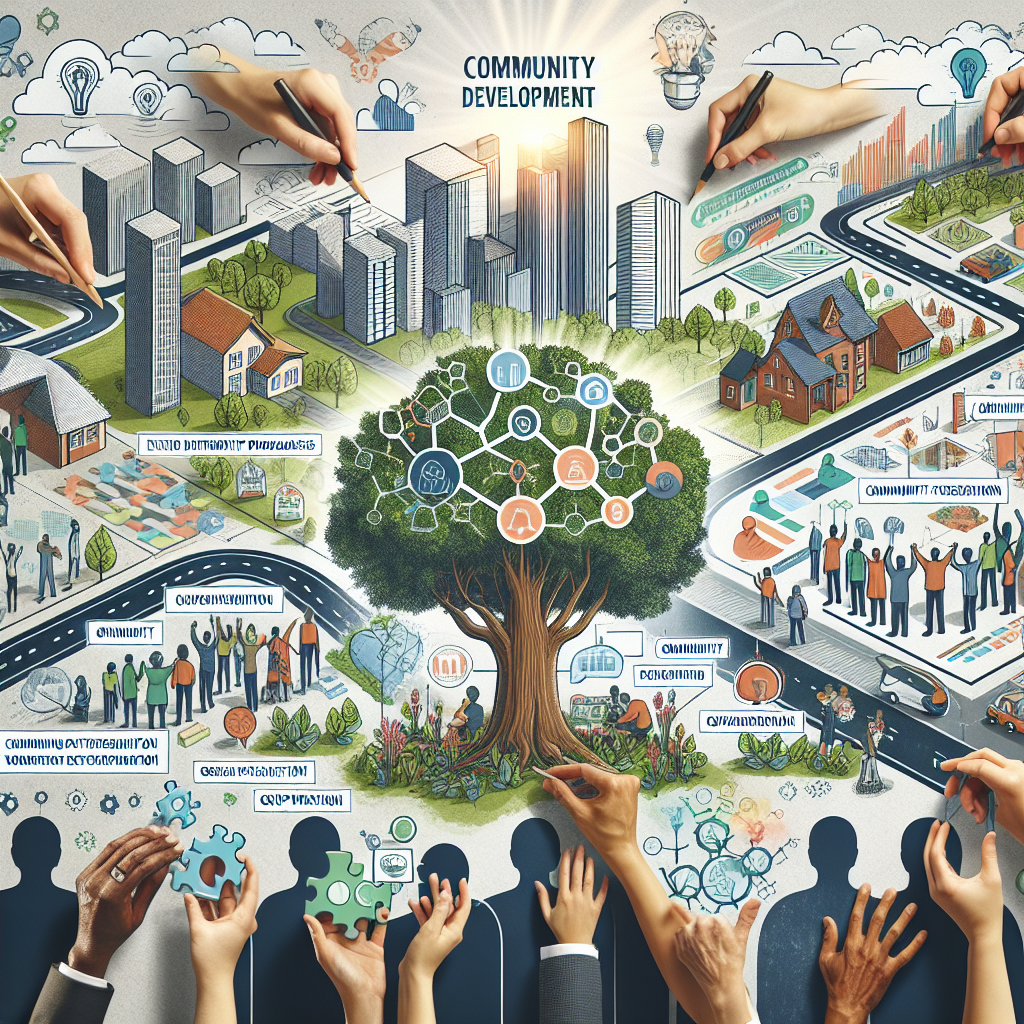
Community development plays a significant role in shaping local leadership. It involves efforts by a community to improve its living conditions, economic opportunities, and social relationships. The success of these efforts can often hinge on the capabilities and foresight of local leaders who guide projects and policies. In this article, we will explore the intersection of community development and local leadership, understanding why this relationship is crucial for urban planning and housing. By leveraging community development, leaders can harness the potential for growth, ensuring their communities thrive in a rapidly changing world.
Understanding Community Development and Its Importance
Community development refers to structured initiatives that aim to improve the well-being of individuals and groups in a locality. These initiatives are often characterized by active collaboration among residents, organizations, and governmental bodies, with a focus on long-term, sustainable improvements. Community development matters because it empowers individuals, enhances collective resourcefulness, and lays the groundwork for a resilient local economy.
Key to community development is its holistic approach, tackling various aspects such as economic stability, infrastructure, environmental sustainability, education, health, and housing. The process values inclusive participation, ensuring all voices in the community are heard, which ultimately transforms these local endeavors into powerful drivers of social change.
The Role of Local Leadership in Community Development
Local leadership is critical to the success of community development. Leaders act as the bridge between the community and larger governmental bodies, ensuring resources are allocated efficiently and effectively. They advocate for necessary changes in policy, allocate funding, and provide strategic guidance to community projects. A strong local leader is not only a decision-maker but also a motivator who inspires citizens to take active roles in development projects.
Real-world examples abound where proactive local leadership has helped transform communities. Consider the city of Seattle’s approach to urban planning. The city’s local leaders engaged with community development organizations to revitalize neighborhoods. Through collaboration with stakeholders, they spearheaded plans for improved transportation systems, affordable housing, and public green spaces. The results demonstrated increased community engagement, a boost in local economies, and improved residents’ quality of life.
Strategies Employed by Local Leaders in Community Development
To effectively drive community development, local leaders often employ several strategies. These include leveraging data for informed decisions, promoting inclusive community engagement, and fostering partnerships across sectors. Leaders frequently look at social and economic data to anticipate the needs of their communities accurately. An evidence-based approach enables targeted interventions, maximizing the impact of available resources.
Building inclusive platforms for community engagement ensures diverse participation in the developmental agenda. Leaders organize forums, workshops, and surveys to cultivate a sense of belonging among citizens. By tapping into local talents and skills, they create networks that can sustain ongoing development efforts. A strong leader recognizes that the community itself is a valuable resource in the pursuit of shared goals.
Challenges Faced by Local Leaders
Despite their crucial role, local leaders confront numerous challenges in community development. Limited funding, bureaucratic red tape, and varying stakeholder interests can hinder progress. Leaders must navigate these challenges while balancing immediate community needs with long-term objectives.
One illustrative challenge comes from Detroit, a city known for its manufacturing legacy. Urban development projects there have faced hurdles related to complex zoning laws and a lack of cohesive funding streams. Local leaders had to work collaboratively with state and federal agencies to secure grants and adjust regulations that would allow for the repurposing of vacant properties and job creation initiatives.
To illustrate, here is a list demonstrating fundamental challenges faced by local leaders:
- Funding limitations
- Bureaucratic delays and complexity
- Mismatch between short-term needs and long-term goals
- Conflicting stakeholder interests
- Regulatory barriers
- Community resistance to change
Benefits of Strong Local Leadership in Community Development
When local leadership successfully drives community development, the advantages are extensive. Communities can experience increased economic growth, improved infrastructure, and a more vibrant social fabric. With strategic vision and competent execution, leaders can create environments that attract businesses, improve property values, and foster cultural enrichment.
Consider the sustainable urban development in Curitiba, Brazil, driven by visionary mayor Jaime Lerner. His leadership in the 1970s transformed the city into a model of urban efficiency and innovation. By prioritizing public transportation, recycling programs, and green urban spaces, Lerner provided a blueprint for modern urban planning that continues to benefit Curitiba to this day.
Case Study: Successful Community Development in Action
A compelling case of effective community development is seen in Chattanooga, Tennessee. Once described as one of the most polluted cities in America, Chattanooga reinvented its image through coordinated efforts between local leaders, businesses, and environmental groups. After launching the Vision 2000 project, local leaders initiated efforts to reclaim the riverfront, improve public transit, and invest in high-speed internet infrastructure.
The results were transformative. Not only did Chattanooga’s local economy see a surge in tourism and job creation, but the community also experienced higher rates of civic pride and engagement. This collaborative model reaffirmed that with innovative policies and a commitment to sustainability, communities could achieve remarkable turnarounds.
Conclusion: Navigating the Future of Community Development
As this article has explored, the intersection of community development and local leadership holds powerful implications for the future of urban planning and housing. Successful community development requires strong, strategic local leadership capable of guiding communities through challenges toward sustained growth and improvement. The integration of data-driven strategies, inclusive engagement, and savvy resource management are vital components.
The key takeaway is clear: empowered local leaders can transform challenges into opportunities. As members of local communities or stakeholders involved in urban planning, there is a responsibility to support leaders and engage actively in developmental processes. Together, our combined efforts will pave the way for communities that are prosperous, resilient, and inclusive.
We invite readers to consider how they can contribute to their local community’s development or support burgeoning leaders working towards positive change. By fostering collaboration and advocating for community empowerment, the potential for progress is limitless.
Frequently Asked Questions
1. How does community development influence local leadership?
Community development projects often serve as a catalyst for nurturing and enhancing local leadership. As communities strive to improve their living conditions, provide better economic opportunities, and strengthen social relationships, they require individuals who can lead the charge and push initiatives forward. Local leaders play a pivotal role, acting as the bridge between community needs and actionable solutions. They facilitate collaboration, mobilize resources, and communicate effectively with stakeholders, ensuring projects align with the community’s goals.
Moreover, involvement in community development enriches leaders by boosting their problem-solving skills and foresight. It encourages a proactive approach, where leaders anticipate challenges and develop strategies to counteract them. This interaction hones their ability to guide a community effectively, fostering an environment where both current and emerging leaders can thrive. Over time, these leaders become well-versed in urban planning and advocacy, vital for fostering a community that reflects their collective vision.
2. What qualities make local leaders effective in driving community development?
Effective local leaders possess a unique blend of traits and skills that enable them to drive impactful community development. First and foremost, they have a clear vision for their community’s future and the passion to inspire others to work toward that vision. Their commitment to positive change becomes infectious, rallying community members around shared goals.
Furthermore, strong communication skills are essential. Leaders must be able to articulate ideas clearly and persuasively, ensuring transparency and maintaining trust. Listening is equally important, as it helps in understanding community concerns and incorporating diverse perspectives into development plans. Leaders should also exhibit resilience and adaptability. Community development often involves navigating setbacks, and the ability to stay focused on long-term objectives while adapting strategies is crucial.
Strategic thinking and the ability to form partnerships are other vital qualities. Effective leaders often network with other organizations, stakeholders, and policymakers to secure resources and support for projects. Lastly, a deep understanding of their community, including its history, culture, and socio-economic dynamics, enables leaders to make informed decisions that resonate with the people they serve.
3. Can you explain the relationship between urban planning and local leadership in the context of community development?
In the realm of community development, urban planning is an indispensable tool for transforming community aspirations into reality. Local leadership plays a crucial role in this process by aligning urban planning strategies with the community’s goals. Leaders must navigate the complexities of zoning laws, land use policies, and infrastructural constraints while maintaining a focus on sustainable and inclusive growth.
Effective local leaders are adept at engaging with urban planners, architects, and developers to ensure projects respect the community’s cultural heritage and environmental concerns. They advocate for the integration of green spaces, affordable housing, and infrastructure that promotes accessibility and enhances quality of life. By championing participatory planning processes, leaders ensure that development projects reflect the voices of all community members, not just a select few.
Moreover, leaders must consider long-term implications of development decisions, anticipating future challenges such as population growth or climate change. This foresight enables the creation of resilient communities that are well-equipped to adapt to evolving needs and opportunities.
4. How can local leaders foster economic opportunities through community development?
Local leaders can play a pivotal role in creating economic opportunities through community development by fostering an environment conducive to entrepreneurship, job creation, and investment. One primary strategy is promoting workforce development programs focused on equipping residents with the skills required for high-demand industries. By collaborating with educational institutions and training centers, leaders can ensure that community members are prepared to meet the evolving needs of local businesses.
Facilitating the establishment and growth of local enterprises is another key approach. Leaders can advocate for policies that support small businesses, such as tax incentives, access to microloans, and business incubation services. Additionally, creating inviting public spaces and improving infrastructure can attract tourists and new businesses, further boosting the local economy.
Furthermore, local leaders should engage with larger regional economic development initiatives, ensuring their community is an active participant. This may involve advocating for improved transportation networks that enhance connectivity or cultivating partnerships with regional industries to facilitate knowledge-sharing and resource allocation. By prioritizing economic inclusivity, leaders help ensure that community development equitably benefits all residents, ultimately enhancing the overall economic health of the area.
5. What challenges do local leaders face in community development, and how can they overcome them?
Local leaders often encounter several challenges in community development, including limited resources, resistance to change, and complex regulatory landscapes. Financial constraints can impede the implementation of large-scale projects, requiring leaders to be resourceful in prioritizing initiatives and securing funding. Creative problem-solving and advocacy for public-private partnerships can bring in much-needed capital and expertise.
Resistance to change is also common, as community members may fear that development could lead to gentrification or disrupt long-standing social dynamics. Leaders can address these concerns through transparent communication and active involvement of residents in the planning and decision-making processes. By fostering a culture of trust and inclusivity, leaders can build consensus and alleviate fears associated with new developments.
Additionally, navigating bureaucratic procedures and regulatory requirements can be a significant hurdle. It is crucial for local leaders to be well-versed in relevant policies and create positive relationships with government entities to streamline the approval process for community projects. Continuous learning and engagement with policy experts can enhance leaders’ understanding and ability to advocate effectively for their community’s needs.
Overall, while the path of community development is fraught with complexities, determined and adaptive local leaders can overcome these challenges to effect meaningful and transformative change in their communities.