Introduction and Importance of Sustainable Office Buildings
As the world grapples with the pressing concerns of climate change and dwindling natural resources, the construction and operation of office buildings are under the spotlight. Buildings are significant contributors to energy consumption and greenhouse gas emissions. As a result, the movement towards sustainable office buildings has become not just a trend but a necessity. Sustainable office buildings are those designed, constructed, and operated in ways that significantly reduce or eliminate negative impacts on the environment and occupants. They leverage renewable resources, prioritize energy efficiency, and foster healthier and more productive work environments.
The significance of embracing sustainable office practices cannot be overstated; it directly contributes to environmental preservation, enhances economic efficiency by reducing operational costs, and ensures compliance with increasingly stringent regulations. Furthermore, these practices address the growing demand from tenants and employees for greener spaces, enhancing corporate image and competitiveness. In this article, we will explore the future of sustainable office buildings, examining innovative design strategies, technologies, certifications, and real-world applications. The implications of sustainable practices are beneficial not only for the environment but also for businesses, governments, and society at large.
Green Building Certifications and Standards
Green building certifications serve as benchmarks for sustainability in construction. These certifications assess a building’s environmental performance and encourage the adoption of sustainable practices. Among the most recognized certifications are LEED (Leadership in Energy and Environmental Design), BREEAM (Building Research Establishment Environmental Assessment Method), and WELL Building Standard. These programs evaluate buildings on various criteria, including energy efficiency, indoor environmental quality, water usage, materials performance, and site sustainability.
- LEED: Administered by the U.S. Green Building Council (USGBC), LEED is arguably the most dominant green building certification. It ranks buildings on a point system, with tiers ranging from Certified to Platinum based on the achievement of specific sustainability criteria. LEED-certified buildings have been shown to reduce energy and water use significantly compared to standard buildings, and they command higher rental rates.
- BREEAM: This is a UK-based assessment method that encourages sustainable building techniques. BREEAM-certified buildings are lauded for lower lifecycle costs and enhanced user satisfaction, contributing to occupier well-being and increased commercial property value.
- WELL Building Standard: This certification, focuses on the health and wellness impacts of buildings on their occupants. It addresses factors such as air, water, nourishment, light, fitness, and comfort. The aim is to enhance the well-being of those who utilize these spaces.
Certifications play a pivotal role in guiding and recognizing efforts to enhance sustainability in office buildings. An example is The Edge in Amsterdam, which is a revolutionary smart office building achieving LEED Platinum certification, with features focusing on energy efficiency, smart technology, and maximizing natural light. It serves as a testament to what can be achieved with commitment and innovation.
Innovative Design and Construction Techniques
The design and construction of sustainable office buildings increasingly incorporate principles of biophilic design, modular construction, and the use of sustainable materials. These elements support environmental goals while improving employee well-being and optimization of resources.
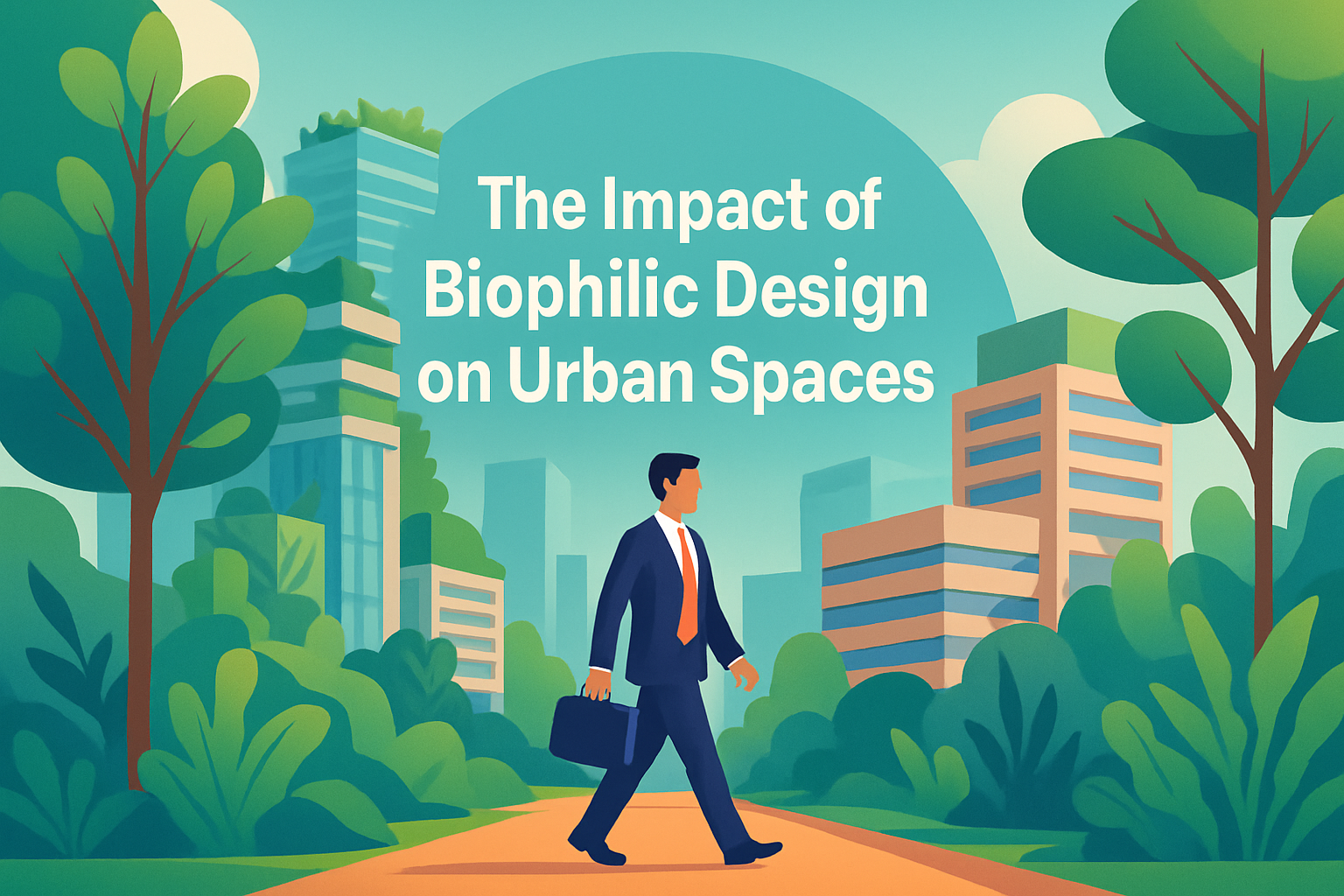
Biophilic Design: Integrates natural elements into the built environment to enhance connectivity with nature. This design philosophy is evident in buildings like the Amazon Spheres in Seattle, which integrates thousands of plants within its workspaces, aiming to foster creativity and collaboration by providing a unique natural environment.
Modular Construction: Uses prefabricated sections that can be quickly assembled on-site, which can significantly reduce resource waste and construction timelines. This method also permits easier adaptation to changing needs compared to traditional construction.
Sustainable Materials: The use of recycled or sustainably sourced materials like bamboo, reclaimed wood, or recycled metal reduces the environmental footprint of buildings. For instance, the Bullitt Center in Seattle uses responsibly sourced materials that meet strict environmental standards, proving that eco-friendly materials can support robust, appealing structures.
Energy Efficiency and Renewable Energy Integration
Energy efficiency remains central to sustainable office design. This involves deploying various technologies and systems to minimize energy consumption and incorporate renewable energy sources.
Advanced Building Management Systems (BMS): These systems enable the monitoring and management of building systems such as HVAC, lighting, and security to optimize energy efficiency.
Renewable Energy: Sustainable office buildings increasingly harness renewable energy sources like solar panels, wind turbines, and geothermal energy systems. For example, the Taipei 101 building integrates a state-of-the-art energy-saving system that incorporates solar panels and rainwater recycling systems, making it a model of energy-efficient skyscraper design.
Below is a breakdown of typical energy consumption by system in office buildings highlighting areas of opportunity for savings:
| System | Percentage of Total Energy Use |
|---|---|
| HVAC (Heating, Ventilation, and Air Conditioning) | 40% |
| Lighting | 25% |
| Office Equipment | 15% |
| Other | 20% |
By implementing technologies to improve HVAC efficiency, leveraging natural lighting, and adopting smart office equipment that consumes minimal energy when not in use, a building’s energy footprint can be significantly tackled, reducing operational costs and environmental impact.
Smart Building Technology
Technology is rapidly transforming office buildings, enhancing sustainability through smart systems. Smart buildings use technology to manage resources more efficiently and adapt to changing conditions.
Internet of Things (IoT): IoT devices, such as sensors and smart meters, provide real-time data on energy consumption, room occupancy, air quality, and more. They allow for automated control and optimization of building operations, leading to significant energy savings and improved comfort levels.
For example, The Crystal in London is one of the world’s most sustainable office buildings. It utilizes numerous IoT sensors to track metrics such as light levels, temperature, and air quality. With this data, The Crystal adjusts its systems automatically to optimize efficiency without compromising occupant comfort.
Artificial Intelligence (AI): AI systems can analyze patterns and predict energy demand, weather conditions, and occupancy trends, making AI an indispensable tool in managing building resources efficiently. These predictions help make informed decisions about energy distribution, complementing other systems to enhance building sustainability.
Integrating these technologies not only reduces operational costs but also stays in line with future-proofing strategies as the demand for sustainable and smart infrastructure continues to rise.
Impact on Worker Productivity and Wellbeing
One of the significant advantages of sustainable office designs is the positive impact on the health and productivity of the workforce. Features such as enhanced indoor environmental quality (IEQ), improved air filtration, access to natural light, and thermally comfortable environments support healthier, more content teams.
Research has demonstrated that sustainable offices lead to better cognitive performance, reduced absenteeism, and higher employee satisfaction. For example, the Paharpur Business Centre in New Delhi has incorporated extensive green walls and superior air quality systems. The building not only achieved its sustainability objectives but also contributed positively to employee productivity and well-being, reporting improved employee satisfaction and lower sick leave.
Office spaces designed with natural ventilation, abundant greenery, and ergonomic designs cultivate environments where employees can perform at their best. Ultimately, sustainable office buildings do not merely meet environmental criteria but also directly contribute to a company’s bottom line by improving workforce efficiency.
Conclusion: The Path Forward
As we examine the future of sustainable office buildings, it is evident that integrating innovative technologies, adhering to green building certifications, and embracing eco-friendly designs are paramount. These practices do not simply reduce environmental impact; they also position businesses as forward-thinking leaders in sustainability, meeting both regulatory requirements and the growing consumer demand for greener spaces. Moreover, these sustainable strategies provide tangible benefits, reducing costs, improving occupant well-being, and enhancing property values.
To move forward, organizations and governments must prioritize sustainability in all facets of office planning. Businesses are encouraged to actively explore certifications like LEED or WELL to guide their journey towards sustainability and leverage available technologies to optimize both efficiency and occupant experience.
The commitment to sustainable office practices is not just a solution but a necessity, offering economic benefits and fostering healthy, productive workplaces. As sustainability becomes the new norm, organizations equipped with green, sustainable office spaces will thrive in our evolving global marketplace.
For those seeking to transform their workspaces, it’s essential to start with sustainable practices that align with your organization’s values and objectives. Collaborate with architects and engineers specializing in the green building sector to explore the possibilities. By taking these steps, you not only contribute to environmental conservation, but also pave the path for innovative growth and development. Embrace the challenge and lead the way in shaping the future of sustainable office buildings.
Frequently Asked Questions
1. What defines a sustainable office building?
A sustainable office building is one that is designed, constructed, and operated to minimize its environmental impact. This includes reducing energy and water usage, minimizing waste, and creating a healthy, productive environment for its occupants. Key features of sustainable office buildings often include the use of renewable energy sources such as solar or wind power, energy-efficient heating, ventilation, and air conditioning (HVAC) systems, and sustainable materials that are local, recycled, or have low environmental impact. Additionally, these buildings are often designed to maximize natural light and incorporate green roofs or walls, which help to manage rainwater, reduce urban heat, and provide aesthetic benefits. The ultimate goal is to create a structure that operates in harmony with the environment rather than at its expense.
2. Why is the shift to sustainable office buildings important?
Shifting towards sustainable office buildings is crucial for several reasons. Firstly, buildings represent a significant portion of global energy use and greenhouse gas emissions. By adopting sustainable building practices, we can substantially reduce our carbon footprint. Secondly, sustainable office buildings often result in significant long-term cost savings through reduced energy and water consumption. They also offer healthier work environments by improving indoor air quality and increasing access to natural light, which can result in higher productivity and well-being among employees. Furthermore, the move towards sustainability reflects a growing awareness and responsibility towards preserving and protecting our planet for future generations. Investing in sustainable buildings also aligns with regulatory pressures and consumer preferences that increasingly favor environmentally responsible companies.
3. What technologies are driving the future of sustainable office buildings?
Several cutting-edge technologies are playing a pivotal role in advancing the future of sustainable office buildings. Smart building systems that integrate IoT (Internet of Things) technologies allow for real-time data collection and environmental control, optimizing energy usage and improving building efficiency. Innovations in material science, such as high-performance insulation, energy-efficient glass, and sustainable building materials, contribute to better thermal management and reduced energy consumption. Renewable energy technologies, including advanced solar panels and energy storage solutions, support a building’s transition towards energy independence. Additionally, the development of green roofing systems and biophilic design principles help manage water resources and enhance biodiversity. As technology continues to evolve, we can expect even more innovative solutions to emerge, further propelling the sustainable building movement.
4. How do sustainable office buildings impact employee productivity and well-being?
Sustainable office buildings can have a significant positive impact on employee productivity and well-being. These buildings typically emphasize features that enhance indoor environmental quality, such as improved air quality, natural lighting, and thermal comfort, all of which are linked to better health and increased productivity. By incorporating biophilic design elements, such as plants and natural finishes, these buildings provide a more aesthetically pleasing and relaxing work environment, which can help reduce stress and improve morale. Additionally, sustainable buildings often include amenities such as bicycle storage, green spaces, and fitness facilities, promoting a more active lifestyle among occupants. Creating such a nurturing environment not only attracts and retains top talent but also fosters a culture of happiness and engagement in the workplace.
5. What challenges do developers face in creating sustainable office buildings?
Despite the clear benefits of sustainable office buildings, developers encounter several challenges in their creation. One primary obstacle is the higher initial cost of sustainable materials and technologies, which can be a barrier for projects with tight budgets. Additionally, the complexity of sustainable design, which involves careful planning and integration of multiple systems, can require additional time and expertise, increasing project timelines and costs. Regulatory and zoning barriers often create challenges for the implementation of innovative green technologies. Also, there may be resistance from key stakeholders skeptical of new technologies or unable to see immediate financial gains from sustainable investments. However, overcoming these challenges can lead to enormous long-term benefits for developers, tenants, and the broader community. As awareness and demand for sustainability rise, these obstacles may decrease, paving the way for more widespread adoption of green building practices.