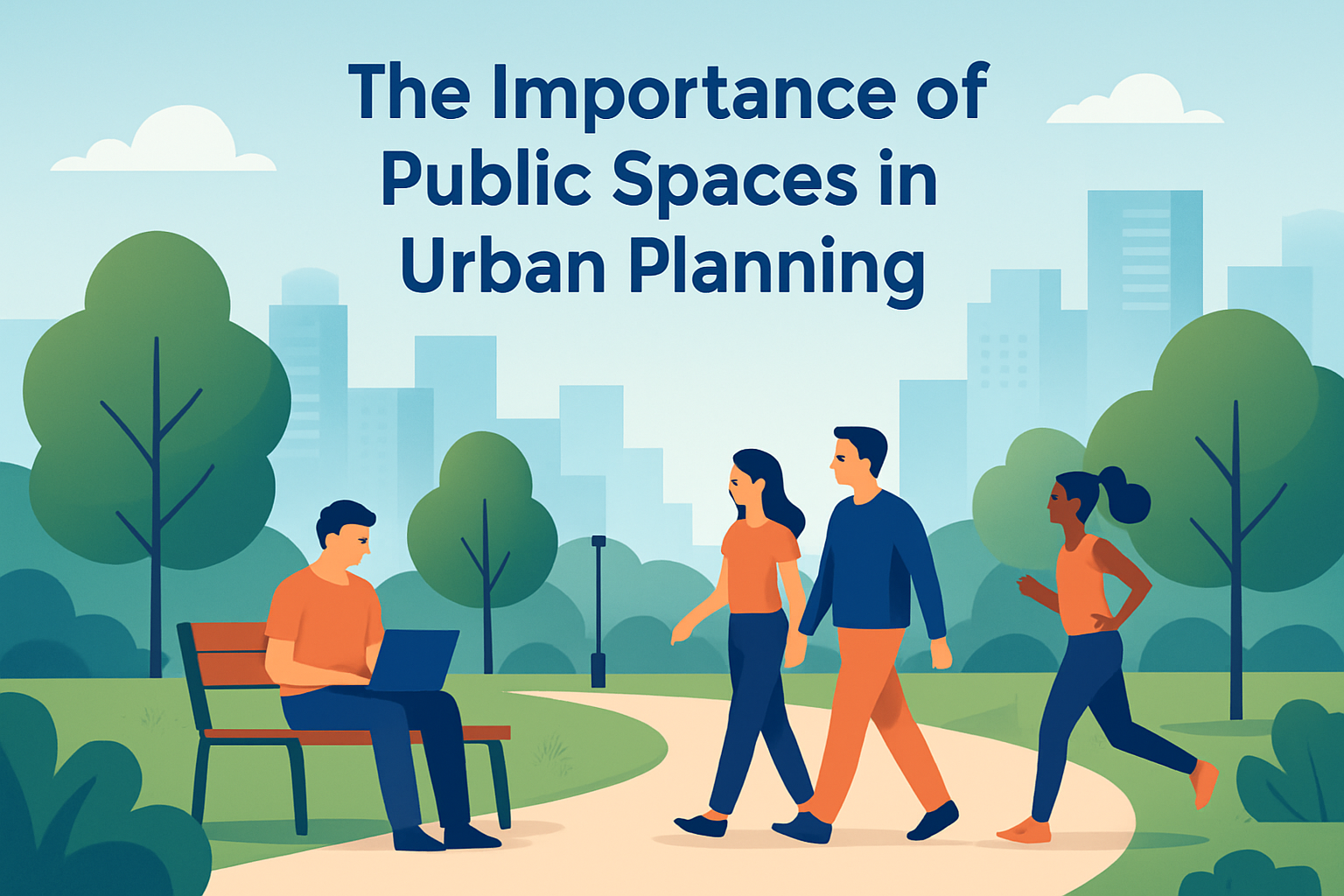
Public spaces, defined as areas that are open and accessible to people of varying demographics, play a crucial role in fostering community interaction and cohesion. They include parks, plazas, libraries, and sidewalks among many others. However, the concept of gender inclusivity within these spaces has often been overlooked, which potentially marginalizes a significant portion of the population. Gender inclusivity refers to creating environments that are welcoming to all gender identities, providing equality of access, comfort, and participation for men, women, and non-binary individuals. This topic matters immensely as inclusive public spaces can enhance social equity, improve community well-being, and foster diverse interactions. Failure to integrate gender inclusivity may lead to discrimination and exclusion, which can perpetuate inequality and disempowerment. As societies progress towards greater equality, ensuring that public spaces accommodate everyone regardless of gender is a fundamental shift towards balancing societal dynamics.
Recognizing Gender Bias in Public Spaces
Gender bias in public spaces manifests in several ways. Historical design and planning paradigms have skewed towards male-centric perspectives, leaving many public areas unintentionally gender-exclusive. For instance, urban park designs often neglect amenities that make spaces safe and welcoming for women, such as adequate lighting or pathways that offer clear visibility. Consider the example of Central Park in New York City, a hallmark of urban design. While iconic, its vast, gloomy overlaps can be intimidating for women, especially after dark, highlighting shortcomings in considering diverse user experiences.
Such negligence is not merely anecdotal but is often embedded in systemic practices. When designs do not proactively address the tendencies or preferences of different genders, the resulting spaces may inadvertently cater primarily to one demographic. Addressing these biases starts with recognizing that diverse stakeholders are affected differently and subsequently engaging those stakeholders directly in the planning and decision-making processes concerning public domains.
Designing Inclusive Facilities
An essential aspect of promoting gender inclusivity in public spaces involves appropriately designed facilities. Public restrooms, lactation rooms, and changing facilities must accommodate all genders, making spaces like malls, airports, or stadiums accessible to everyone. An excellent example is the introduction of gender-neutral restrooms in public facilities across Austin, Texas. Initially driven by a need to accommodate transgender individuals, these restrooms have proven beneficial for a range of users, including families and those with disabilities requiring assistance from someone of a different gender.
Moreover, implementing such inclusive features requires balancing cultural sensitivities and practicalities while fostering a universally welcoming environment. This involves considering distinct needs and preferences, where architecture and policies support comfort and privacy for everyone, and ensuring community buy-in through active dialogue and adaptations based on feedback.
Policy Frameworks and Gender Inclusivity
The success of gender-inclusive public spaces largely depends on supportive policy frameworks that drive and regulate inclusive designs and usage practices. Legitimate policy frameworks set a standard that ensures both tangible and intangible elements of inclusivity are interwoven in urban planning. Take for instance the guidelines set by the United Nations’ “Safe Cities and Safe Public Spaces” initiative, which emphasizes not only safety but also inclusive programming that caters to diverse groups.
Countries like Sweden have been implementing gender mainstreaming as part of their urban policies for years, resulting in well-rounded neighborhoods such as the Urban Living Lab in Gothenburg. By integrating gender considerations in real estate, transportation, and public facility plans, these frameworks are blueprints for ensuring that inclusivity is not an afterthought but a prerequisite in urban development.
Community Engagement and Feedback Mechanisms
Engaging community members in dialogue about the use and design of public spaces is crucial for future developments that prioritize gender inclusivity. Listening and responding to feedback ensures that spaces evolve to meet the nuanced needs of all genders over time. The New York City Department of Parks and Recreation’s initiative to hold public forums for park designs is a practical example. These forums allow stakeholders to voice their needs and concerns, leading to further tailored designs.
- Establish regular community forums and feedback loops.
- Utilize surveys and interactive platforms for inclusive participation.
- Implement trial runs and prototype models to gather real-time responses.
Such engagement not only builds trust but reinforces accountability among city planners and policymakers while securing buy-in from diverse community groups. Feedback mechanisms must be sustained and include demographic tracking to address gender-related divergences effectively.
Educational Programs to Foster Inclusivity
Education and awareness programs can drive a cultural shift towards inclusivity in public spaces. By raising awareness about the diverse needs of different genders, municipalities can cultivate a more accepting and inclusive public culture. For instance, local governments in Toronto, Canada, have launched community workshops that focus on understanding gender dynamics in public spaces and fostering inclusive behaviors.
These programs work best when coupled with visible results, such as changes in public policies and improvements in community spaces following consultation initiatives. Also crucial is the development of educational materials—leaflets, brochures and digital content that underline rights concerning gender and space should be easily accessible and widely distributed.
Economic Benefits of Gender-Inclusive Spaces
Gender-inclusive public spaces not only serve social and ethical goals but also offer significant economic benefits by potentially boosting local economies. When public spaces are designed inclusively, they attract a more diverse and numerous crowd, which can generate more business opportunities and revenue streams for local vendors and communities. An illustrative example is Portland’s Public Market, which redesigned its space to be more inclusive by considering gender-specific consumer insights, leading to increased market footfall and economic gains.
Investment in inclusive public spaces prompts increased participation in urban life, and with this participation, comes economic activity. Making a space accessible, comfortable, and safe for all can enhance its usage which contributes to a vibrant local economy beneficial to all stakeholders involved.
Technology and Innovations in Gender Inclusivity
Advancements in technology have ushered in flexible and innovative ways to incorporate gender inclusivity into public spaces. Smart lighting systems, for example, can create safer environments, while gender-sensitive design applications enable planners to simulate and visualize diverse user experiences before implementation. The Smart City initiative in Barcelona is a pioneer in leveraging technology for inclusivity by introducing responsive urban infrastructures.
Through immersive technologies, urban planners can analyze gendered usage patterns, effectively tailoring spaces to accommodate everyone’s needs. The deployment of technology in this manner signals a proactive and adaptive approach that not only meets, but anticipates the evolving requirements of urban populations.
Addressing Resistance and Obstacles
Despite the potential benefits of gender inclusivity in public spaces, challenges and resistance often arise in different forms, ranging from budget constraints to entrenched traditional norms. Misconceptions about the cost-effectiveness of inclusive practices can deter investments. Projects in cities like New Delhi faced similar trials, where local perception initially viewed inclusive designs as unnecessary expenses.
Addressing these obstacles involves showcasing the long-term benefits of inclusivity, both intangible and quantifiable, to secure buy-in from stakeholders concerned with fiscal prudence. Demonstrating success stories and applying pressure through advocacy are viable tactics for dismantling resistance and establishing gender inclusivity as an integral aspect of urban development.
Conclusion: A Call to Action
Ensuring gender inclusivity in public spaces is not only a matter of fairness but a necessary evolution towards progressive community dynamics and equality. Key takeaways include the importance of recognizing bias, integrating inclusive designs, establishing supportive policies, and continuously engaging with community stakeholders. The benefits are widespread, encompassing social coherence, economic vitality, and a fairer urban environment.
For the reader, a simple call-to-action could be to consider advocating for gender inclusivity in local community planning sessions or supporting policy initiatives that promote inclusivity. As individuals, raising awareness in personal and professional spheres can build momentum towards wider systemic change. Public spaces must evolve as inclusive cores of our communities, welcoming and acknowledging the diverse tapestry of gender identities in our societies.
Frequently Asked Questions
1. What are public spaces, and why is gender inclusivity important in these areas?
Public spaces are areas that are open and accessible to everyone, regardless of age, gender, or socioeconomic status. They can take the form of parks, plazas, libraries, sidewalks, and more. These spaces are essential in fostering community interaction, social cohesion, and a sense of belonging. Gender inclusivity in public spaces is crucial because it ensures that these environments are welcoming and safe for all gender identities. When public spaces prioritize inclusivity, they empower individuals, break down social barriers, and reinforce the idea that everyone deserves equal access and respect.
2. How can gender inclusivity be promoted in public spaces?
Promoting gender inclusivity in public spaces involves a series of thoughtful planning and policy reforms. Firstly, city planners and designers can incorporate gender-sensitive design principles, such as adequate lighting, wide and open pathways, and clear signage. These elements can help make spaces safer and more navigable for everyone, particularly women and non-binary individuals. Additionally, policies that ensure equitable access to facilities like restrooms and seating areas are vital. Hosting community workshops to gather input from diverse groups can help shape spaces that meet the needs of all genders. Lastly, ongoing education and training for staff and managers of public spaces can help cultivate an inclusive culture that addresses unconscious biases and fosters respect.
3. What are some challenges to achieving gender inclusivity in public spaces?
Several challenges can hinder the achievement of gender inclusivity in public spaces. One significant challenge is societal norms and stereotypes that dictate how different genders ‘should’ act and appear in public. This can lead to exclusion and discrimination, particularly against those who do not conform to traditional gender roles. Moreover, budget constraints and lack of awareness can result in spaces that do not prioritize or accommodate diverse needs. Additionally, the absence of diverse representation in planning and decision-making processes can lead to policies and designs that overlook certain groups. Addressing these challenges requires a commitment to inclusivity, cultural change, and policy interventions that actively promote equality.
4. Can you give examples of initiatives or projects that have successfully integrated gender inclusivity into public spaces?
Several initiatives worldwide have exemplified how to integrate gender inclusivity into public spaces successfully. For instance, in Vienna, Austria, gender mainstreaming in urban planning has included designs specifically acknowledging women’s and men’s different ways of using public transportation. The city analyzed travel patterns and implemented these insights into the design and operation of public spaces. Similarly, Canada’s National Capital Commission has developed gender-inclusive guidelines for public spaces that emphasize amenities like appropriate seating, lighting, surveillance, and restroom facilities that serve all genders effectively. These projects prove that with deliberate planning and community involvement, public spaces can be inclusively tailored to serve diverse populations.
5. Why is the involvement of the community important in the process of creating gender-inclusive public spaces?
Community involvement is essential in creating gender-inclusive public spaces because it ensures that the diverse voices and needs of all community members are heard and addressed. When citizens participate actively in the planning and design process, they can provide first-hand insights into the challenges and requirements specific to their gender identities and cultural contexts. This involvement fosters a sense of ownership, trust, and empowerment among community members. Moreover, engaging with various stakeholders – including women, non-binary individuals, and other marginalized groups – helps avoid assumptions and biases, resulting in spaces that are not only gender-inclusive but also adaptable to the evolving needs of society. Inclusive planning leads to more creative solutions, comprehensive policies, and a stronger, more cohesive community as a whole.