Public spaces have been integral to societies throughout history, serving as venues for communal activities, social interactions, and cultural expressiveness. These areas, ranging from parks and gardens to urban plazas and community centers, play a crucial role in shaping the mental health and resilience of individuals and communities. Mental resilience refers to one’s ability to adapt to adversity, stress, and change. In a world increasingly marked by urbanization and digitalization, public spaces offer unique opportunities for psychological well-being and resilience. Understanding the impact of public spaces on mental resilience is vital because it informs policymakers, urban planners, and community advocates about how best to design and maintain these spaces for the betterment of society.
The Role of Green Spaces in Reducing Stress
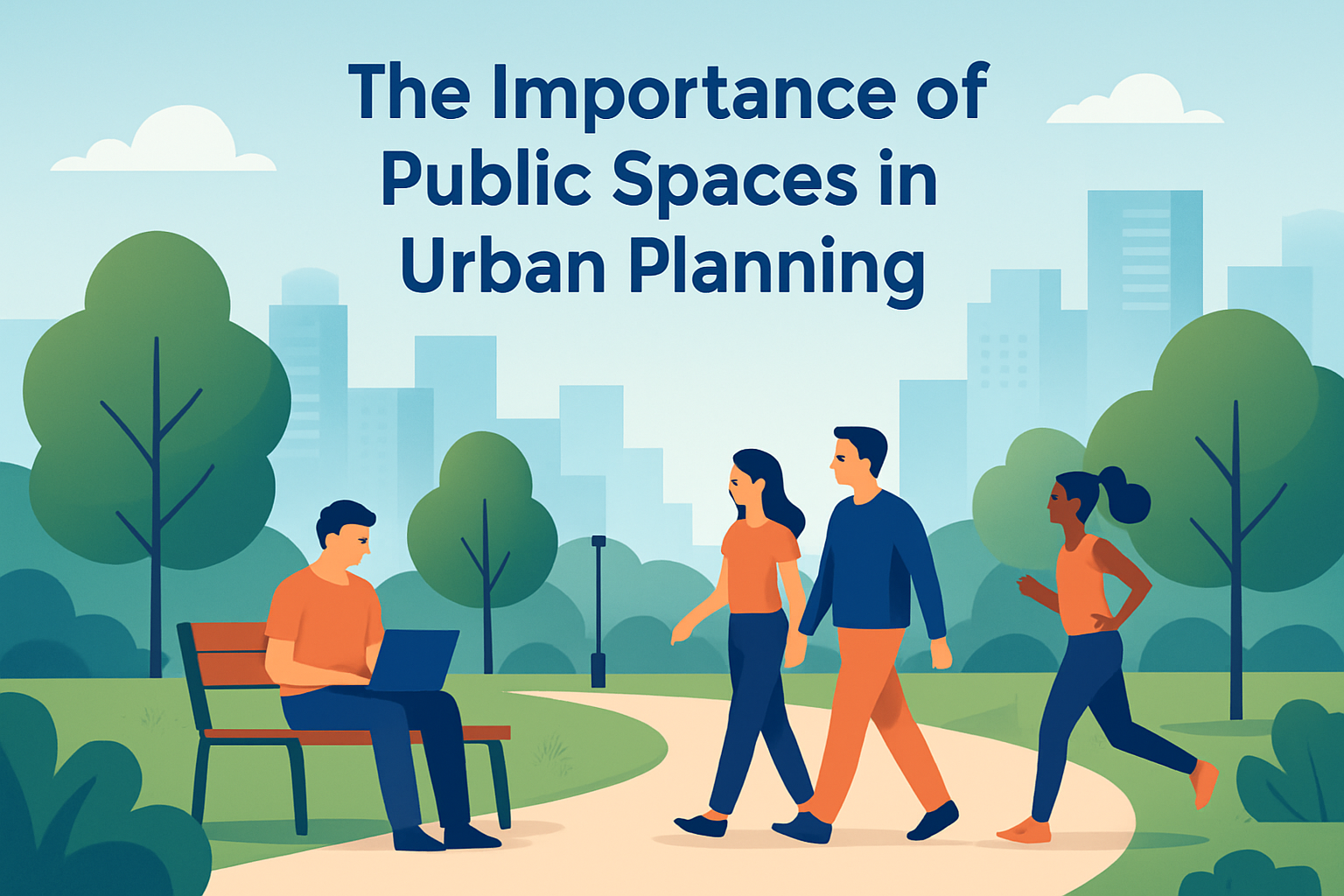
Green spaces, including parks and gardens, are often cited as vital for promoting mental resilience by reducing stress and improving psychological well-being. Engaging with nature, whether through walking, jogging, or simply relaxing on park benches, provides an essential respite from the concrete jungle of urban living. Research indicates that these interactions with nature can lower cortisol levels, a hormone associated with stress, thereby enhancing mental resilience.
A notable example can be seen in New York City’s Central Park. As an iconic green space in an otherwise bustling metropolis, Central Park serves as a tranquil escape for millions of residents and tourists alike. It is a haven where people can connect with nature, participate in recreational activities, and experience solitude amidst the city’s hustle. This interaction with the natural environment is linked to reduced perceptions of stress and increased mental clarity. These benefits are not isolated to New York City but are echoed in urban centers worldwide, where green public spaces play a similar role in fostering community mental health.
Social Interaction in Urban Plazas
Urban plazas and squares are dynamic public spaces that foster social interaction, which is a crucial component of mental resilience. Social connections contribute to coping mechanisms, provide emotional support, and build a sense of community belonging. Engaged communities often show higher resilience to social and economic adversities and recover more quickly from disasters.
Consider the example of Plaza Mayor in Madrid, Spain. This bustling square is more than just a historic site. It is alive with tourists and locals mingling, street performers showcasing their talents, and vendors purveying local delicacies. Such a vibrant atmosphere encourages social connections among diverse groups of people. In these interactions, individuals find a renewed sense of belongingness and camaraderie, which can be vital for maintaining mental health. The importance of social interaction in public spaces is undeniable as it offers diverse opportunities for face-to-face communication that strengthens community ties and personal networks.
The Importance of Community Centers and Recreational Areas
Community centers and recreational areas within public spaces provide structured environments for engagement, learning, and skill development. These venues often host activities that encourage socialization, physical activity, and educational pursuits—key factors in building mental resilience.
For instance, consider the case of Chicago’s YMCA centers. These hubs offer a range of activities, from fitness classes to educational workshops and community events. The facility is not just a place for physical exercise but a congregation point for people from varied backgrounds to learn, share, and grow together. This blend of physical and mental activity is critical in enhancing resilience by creating a balanced lifestyle. Participants often report increased energy levels, improved mental states, and a greater sense of achievement and purpose.
| Public Space Type | Key Benefits |
|---|---|
| Green Spaces | Stress reduction, mental clarity |
| Urban Plazas | Social interaction, community belonging |
| Community Centers | Structured engagement, skill development |
The Therapeutic Benefits of Art and Cultural Spaces
Art and cultural spaces within public zones serve as platforms for expression and contemplation, offering mental and emotional benefits. Engaging with art can evoke introspection, stimulate imagination, and provide new perspectives—an essential component of mental resilience.
A practical illustration of this is the Millennium Park in Chicago, home to the world-famous Cloud Gate, or “The Bean.” This architectural marvel and other installations within the park offer more than visual appeal. They invite visitors to reflect, connect, and engage with art while providing a serene setting for mindful contemplation. These interactions with artistic elements can inspire emotional release, creativity, and healing, contributing to individuals’ adaptability and resilience.
The Influence of Public Markets on Community Cohesion
Public markets act as vibrant centers of trade and culture, often becoming the beating heart of communities. By bringing people together to exchange goods and share cultural practices, they promote resilience through strengthened community cohesion and economic opportunity.
The Pike Place Market in Seattle exemplifies a successful public market, integral not only for its economic contributions but also for its role in community building. It is a place where fresh produce, artisanal goods, and cultural crafts coexist, representing the diverse demographics of Seattle’s population. Such markets are significant not only for providing daily necessities but fostering cultural exchange and mutual support, thereby enhancing the collective resilience of their communities.
Designing Public Spaces for Accessibility and Inclusion
The design and accessibility of public spaces directly influence their effectiveness in promoting mental resilience. Inclusive designs that consider individuals with disabilities, the elderly, and other marginalized groups ensure that everyone can reap the benefits of these spaces.
An example is the High Line in New York City, an elevated linear park built on a historic freight rail line. This public space is lauded for its inclusivity and accessibility, attracting hundreds of thousands of visitors each year, including those with mobility challenges. The design includes elevators, clear pathways, and accessible seating, ensuring that all people can participate in its recreational, social, and contemplative offerings. By prioritizing inclusivity, public spaces maximize their societal benefit, fostering an environment where everyone feels welcome and connected.
Urban Planning and Policy Implications
Effective urban planning is critical for creating public spaces that support community mental resilience. Policymakers play a significant role in allocating resources, setting regulations, and engaging with communities to shape how these spaces are utilized and maintained.
For instance, Singapore’s approach to urban planning, guided by its National Parks Board, serves as a model of integrating green spaces within an urban framework. With intent focus on biophilic design, the city aims to improve residents’ quality of life by bringing nature closer to urban dwellings. This policy has resulted in a city where green spaces are within a 10-minute walk from most residences, showcasing how well-considered planning can enhance public health and resilience.
Public Spaces and the Digital Age
In the digital age, the role of physical public spaces might seem diminished, yet they remain irreplaceable for real-world interactions. Balancing digital connectivity with physical spaces is crucial in fostering human interaction, creativity, and community resilience.
Consider Wi-Fi-enabled parks, like the Majidah Park in Muscat, Oman, which combine the tranquility of outdoor settings with digital access. This integration encourages people to use technology in a constructive manner, enhancing their work-life balance and offering a space for productivity and leisure. These initiatives recognize that while digital interactions are essential, they should not replace the direct benefits of engaging with physical spaces.
Conclusion: The Path Forward with Public Spaces
Public spaces are vital to enhancing mental resilience in a rapidly changing world. By providing areas for relaxation, interaction, and personal growth, these spaces equip individuals and communities to better cope with challenges. From green parks and community centers to art installations and inclusive designs, the diverse facets of public spaces offer numerous avenues for fostering psychological well-being and adaptability.
As stewards of these spaces, it is crucial for urban planners, policymakers, and all stakeholders to keep mental resilience at the core of their development strategies. Innovative designs and inclusive policies can enhance these areas’ potential to support every community member’s mental health.
By recognizing and promoting the value of well-designed public spaces, communities gain the tools they need to navigate and flourish in the face of adversity. Engage with your local public spaces, participate in community events, or contribute feedback to city planners. Every small step you take can contribute significantly to fostering a resilient, vibrant community.
Let’s take action today to cherish, improve, and advocate for public spaces that meet the needs of everyone and prepare us for the challenges of tomorrow.
Frequently Asked Questions
1. How do public spaces contribute to mental resilience?
Public spaces are like the lifeblood of a community, and they play an essential role in bolstering mental resilience. These areas offer individuals a physical space to engage in a variety of activities that are not only enjoyable but also beneficial to mental health. For instance, parks and gardens provide serene environments that allow people to connect with nature, offering a respite from the hustle and bustle of urban life. This connection can lead to reduced stress levels and improved mood, which are crucial elements of building mental resilience.
Moreover, public spaces encourage social interactions, which are vital in developing a robust support network. Whether it’s playing sports, participating in community events, or even just having a casual chat, these interactions foster a sense of belonging and community, which are critical when it comes to facing adversities. Plus, these spaces often host cultural and recreational activities that enhance creativity and personal expression, allowing individuals to explore and express themselves in ways that strengthen their ability to adapt and thrive.
2. Why are public spaces important in urban environments?
In urban environments, public spaces serve as crucial counterbalances to the sprawl of concrete and the hectic pace of city life. They act as sanctuaries where individuals can escape the pressures linked with urban living, providing a much-needed space for relaxation and reflection. The availability of green spaces within cities is linked to reduced urban stressors, such as noise and air pollution, which can significantly impact mental health.
Beyond the break they provide from urban stress, these spaces are vital because they democratize access to areas of leisure and recreation. In densely populated areas where private space can be limited, public spaces make it possible for everyone, regardless of socioeconomic status, to participate in community activities and maintain a connection to nature. This inclusivity helps in reducing social inequalities and promotes a collective resilience that is pivotal during challenges such as economic downturns or social unrest.
3. Can the design of a public space influence mental health outcomes?
Absolutely! The design of a public space is often just as important as its availability when it comes to impacting mental health outcomes. Thoughtfully designed spaces consider factors such as accessibility, safety, aesthetics, and functionality. For instance, a park that is well-lit, has ample seating areas, and is neatly maintained will be more inviting and encourage greater use by the community. This not only promotes physical activity but also enhances psychological well-being by providing a safe and pleasant environment.
Additionally, incorporating elements such as water features, diverse plant life, and artistic installations can enhance the sensory experience and have positive effects on relaxation and mental clarity. Designs that encourage community building — such as amphitheaters for events, playgrounds for children, and spaces dedicated to elderly activities— all promote interaction and connectivity, further fostering mental resilience by strengthening social ties and providing a wide range of activities to suit different preferences and needs.
4. How do digital advancements influence the role of public spaces?
In a world that’s increasingly being digitized, the role of public spaces has evolved. With smartphones and digital platforms becoming pervasive, public spaces offer a tangible counterbalance to digital connectivity, encouraging individuals to unplug and engage physically with their surroundings and communities. They provide an antidote to the isolation that can ensue from excessive screen time and offer a platform for real-life interactions that are irreplaceable.
Moreover, digital advancements can complement public spaces by enhancing engagement through innovations like free Wi-Fi, information kiosks, and digital installations that educate and entertain. These additions can make public spaces more vibrant and multifunctional, accommodating diverse needs and interests. However, the critical objective remains to maintain a harmonious balance that preserves the primary objective of public spaces — fostering physical interactions and community well-being in the face of modern digital lifestyles.
5. How can communities be involved in enhancing the effectiveness of public spaces for mental resilience?
Community involvement is vital for maximizing the potential of public spaces to bolster mental resilience. Engaging local communities in the planning and maintenance of these spaces ensures they meet the unique needs and preferences of their users. Residents can provide valuable insights into the types of facilities and activities that would be most beneficial, ensuring that the spaces cater to a wide range of ages, cultures, and interests.
Additionally, volunteer programs for park maintenance or community-driven events like local markets or fairs can foster ownership and connection to these spaces, promoting regular usage and involvement. Public consultations and participative design processes can also play a key role in ensuring these spaces are accessible and welcoming to all. By empowering communities to have a say and a hand in the upkeep and evolution of public spaces, we not only improve their utility and attractiveness but also fortify the community’s social fabric and collective resilience, ultimately contributing to stronger mental health for all.