In recent years, there has been a noticeable shift in the housing market, with eco-villages gaining significant popularity. An eco-village typically refers to a community designed with sustainability in mind. This entails the use of renewable resources, green building practices, shared spaces, and a commitment to minimizing environmental impact. The concept is not new, but the current urgency surrounding climate change has catalyzed a renewed interest in eco-friendly living. People are increasingly aware of their carbon footprints and are seeking ways to live more sustainably, making eco-villages an attractive option for many.
The appeal of eco-villages goes beyond environmental benefits. They offer residents a sense of community, shared values, and a lifestyle that prioritizes well-being. In today’s fast-paced world, where urban living often fosters isolation and disconnection, eco-villages promise a closer-knit community and a healthier way of life.
Furthermore, advancements in sustainable technology have made living in an eco-village more feasible than ever. Innovations in renewable energy, waste management, and sustainable agriculture are making it possible for these communities to thrive without sacrificing modern amenities. With eco-villages sprouting up in various parts of the world, they are becoming a key trend in the housing market, attracting a diverse group of people including young professionals, retirees, and families.
In this article, we will explore the factors driving the popularity of eco-villages, the unique features that characterize these communities, and the challenges they face. We will also delve into the benefits of living in an eco-village and examine some successful examples from around the globe. By the end of this comprehensive exploration, it will be clear why eco-villages are increasingly considered a viable and appealing alternative to traditional housing models.
Factors Driving the Popularity of Eco-Villages
Several factors contribute to the growing popularity of eco-villages. The increasing awareness and concern about climate change is perhaps the most significant driver. As reports from scientific communities continue to highlight the urgency of environmental issues, more individuals are motivated to reduce their carbon footprint and engage in more sustainable living practices.
Government policies and incentives also play a crucial role. Many governments worldwide are introducing regulations and incentives to promote sustainable living. These may include tax breaks for renewable energy installations, grants for green building projects, and financing options that make it easier for people to invest in eco-friendly homes.
The rise of remote work, accelerated by the COVID-19 pandemic, has also influenced this trend. With more people working from home, the need to live near urban centers has decreased. People are now more willing to consider living in eco-villages, which are often located in more rural or suburban areas, offering greater access to nature and a higher quality of life.
Cultural shifts towards minimalism and a focus on well-being have added to the allure. Many individuals are looking to declutter their lives and prioritize experiences over material possessions. Eco-villages, which often emphasize shared resources and community activities, align perfectly with this lifestyle choice.
Unique Features of Eco-Villages
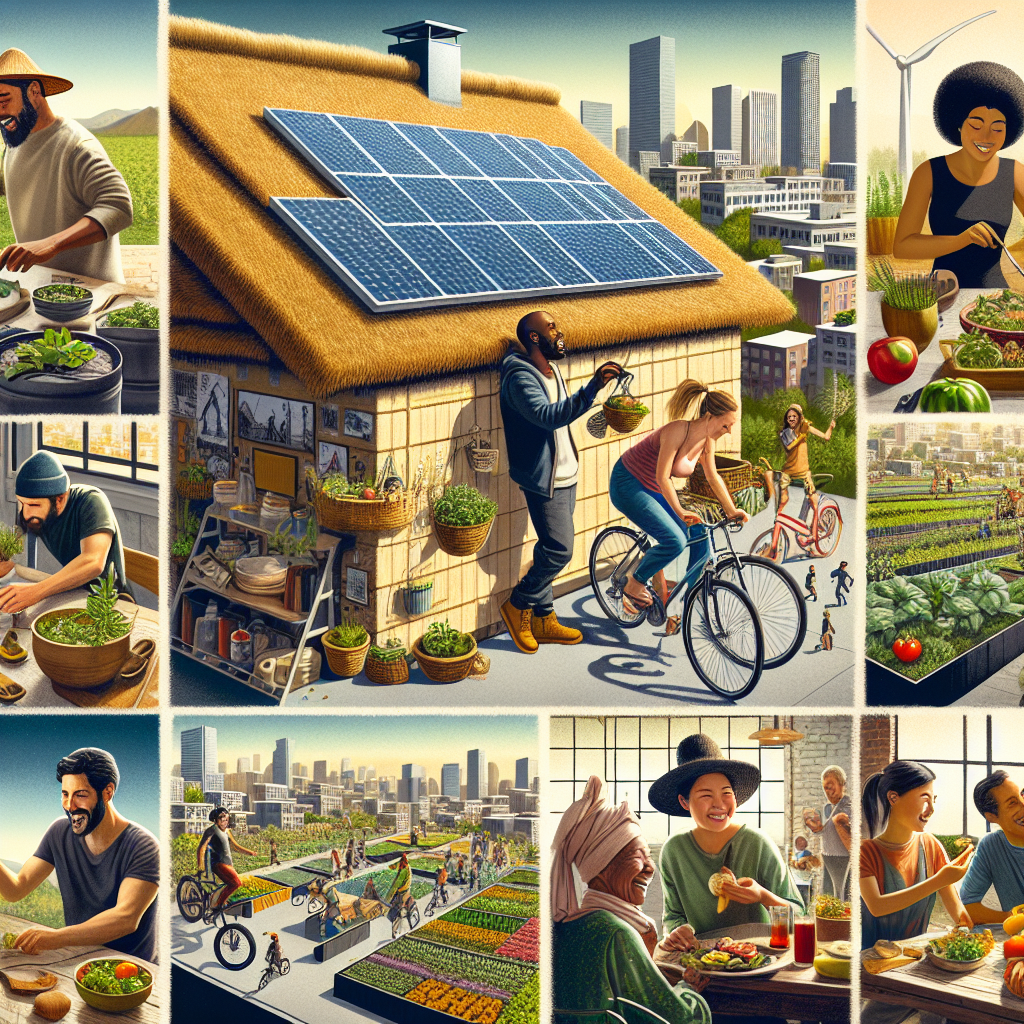
Eco-villages are unique in many ways, primarily due to their commitment to sustainability and community. One of the most notable features is green building practices. Homes in eco-villages are often constructed with sustainable materials such as reclaimed wood, bamboo, and recycled steel. Designs usually incorporate natural light and ventilation, reducing the need for artificial lighting and air conditioning.
Renewable energy sources are heavily utilized. Many eco-villages rely on solar panels, wind turbines, and biomass energy systems to meet their electricity needs. This not only reduces the community’s carbon footprint but also lowers utility costs for residents.
Waste management in eco-villages typically adopts a zero-waste approach. Composting toilets, recycling programs, and innovative waste-to-energy technologies are commonly implemented. Water conservation is also a priority, with rainwater harvesting systems and greywater recycling being standard practices.
Community gardens and farms are another hallmark of eco-villages. These spaces enable residents to grow their own food, promoting self-sufficiency and reducing the carbon footprint associated with transporting food. They also serve as communal spaces where residents can gather, bond, and collaborate.
Challenges Facing Eco-Villages
Despite their numerous benefits, eco-villages face several challenges. A significant barrier to their widespread adoption is the initial cost of development. Sustainable materials, renewable energy systems, and other green technologies can be expensive, making it challenging to keep housing costs affordable.
Finding suitable locations is another hurdle. Eco-villages require ample space, access to natural resources, and a community of like-minded individuals willing to commit to sustainable living. These criteria can limit the number of feasible sites for development.
There’s also the challenge of integrating with existing infrastructure. Many eco-villages are located in rural areas where infrastructure for water, sewage, and transportation may be lacking or underdeveloped. This can necessitate significant investment in infrastructure development, adding to the overall cost.
Adapting to communal living can be difficult for some individuals. Eco-villages often require a high degree of cooperation and shared responsibility. Those accustomed to more private, individualistic lifestyles may find it challenging to adjust to this new way of living.
Benefits of Living in an Eco-Village
Living in an eco-village offers a myriad of benefits. One of the most obvious is the positive environmental impact. By reducing reliance on non-renewable resources, minimizing waste, and promoting sustainable practices, residents can feel good about their contribution to protecting the planet.
Eco-villages also foster strong community bonds. The nature of these communities encourages collaboration and mutual support, which can lead to deeper, more meaningful relationships among residents. This sense of community can significantly enhance quality of life, combating the loneliness and social disengagement often found in urban living.
Financial benefits are also notable. While initial costs may be high, living in an eco-village can lead to long-term savings. Lower utility bills, reduced transportation costs, and the ability to grow one’s own food can all contribute to a more affordable lifestyle over time.
Health and well-being are also prioritized in eco-villages. The emphasis on green spaces, physical activity, and healthy eating can lead to improved physical and mental health. Living in close proximity to nature has been shown to reduce stress, boost mood, and enhance overall well-being.
Successful Examples of Eco-Villages Worldwide
Multiple examples of successful eco-villages around the globe illustrate the viability and appeal of this lifestyle. For instance, the Findhorn Foundation in Scotland is one of the oldest and most well-known eco-villages. Established in the 1960s, it emphasizes sustainable living, communal responsibility, and spiritual growth, attracting residents and visitors alike.
In Denmark, the community of Dyssekilde showcases innovative sustainable practices such as straw-bale construction and wind energy. The village’s commitment to organic farming and biodiversity makes it a model for sustainable living in Europe.
Auroville in India is another standout example. Founded in 1968, this international community is dedicated to human unity and sustainable living. Auroville’s use of solar power, organic farming, and recycling initiatives demonstrates how eco-villages can thrive even in developing countries.
Closer to home, the EcoVillage at Ithaca in New York demonstrates how eco-villages can be integrated into suburban areas. With solar-powered homes, organic gardens, and a strong sense of community, it serves as an example of how sustainable living can be achieved within the framework of modern American life.
Conclusion
In conclusion, the growing popularity of eco-villages is a testament to the increasing desire for sustainable and community-oriented living. Driven by environmental concerns, government incentives, the rise of remote work, and cultural shifts towards minimalism and well-being, eco-villages offer a viable alternative to traditional housing models.
While there are challenges to their widespread adoption, including initial costs, location constraints, and the need for communal adaptation, the benefits are compelling. Eco-villages can significantly reduce environmental impact, foster strong community bonds, and offer financial, health, and well-being advantages.
Successful examples from around the world, such as the Findhorn Foundation, Dyssekilde, Auroville, and the EcoVillage at Ithaca, highlight the potential for eco-villages to thrive in diverse contexts. These communities demonstrate how innovative sustainable practices and a commitment to communal living can create a higher quality of life.
As the housing market continues to evolve, eco-villages are poised to play a significant role in shaping the future of housing. By prioritizing sustainability and community, they offer a blueprint for a more resilient and harmonious way of living. For individuals seeking a lifestyle that aligns with their values and a desire to make a positive impact on the world, eco-villages present an appealing and increasingly accessible option.
Frequently Asked Questions
1. What exactly is an eco-village, and how does it differ from a traditional community?
An eco-village stands out as a community that’s deeply rooted in sustainability and environmental stewardship. Unlike traditional communities where the focus might be purely on housing and convenient amenities, eco-villages are built with the holistic well-being of both humans and the environment at their core. This encompasses the use of renewable resources like solar and wind energy, green building materials such as recycled or locally-sourced materials to ensure minimal impact on nature. Shared community spaces are prevalent, fostering a close-knit community ethos and emphasizing collective living instead of individualistic approaches. For example, you might find communal gardens, shared kitchens, or vehicle-sharing initiatives in many eco-villages.
Green building practices in eco-villages extend to employing energy-efficient technologies, insulation that conserves heat or coolness depending on climate needs, and water conservation efforts like rainwater harvesting and greywater recycling systems. Moreover, the community is typically involved in decisions about the village’s development, which encourages a connected, thriving neighborhood that champions sustainability. In contrast, traditional developments often prioritize economic factors over environmental ones, potentially leading to higher carbon footprints and less sustainable lifestyles.
2. Why are eco-villages becoming so popular in recent years?
The rise in the popularity of eco-villages is closely linked to the growing awareness and urgency surrounding climate change and environmental degradation. People are increasingly looking for ways to reduce their carbon footprint and contribute positively to the planet. Eco-villages provide a definitive way to achieve this goal through sustainable living. The appeal also lies in the community-focused lifestyle that eco-villages support. In a world where urban living can sometimes feel isolating, eco-villages offer a chance for deeper social connections.
Moreover, technological advancements have made it more feasible and cost-effective to incorporate renewable energy and sustainable practices into home and community design. As a result, eco-villages not only appeal to environmentally-conscious individuals but also to those seeking cost savings in the long run through energy efficiency. The sense of resilience and self-sufficiency that comes from living in tune with nature cannot be overestimated. Finally, governmental and policy support for renewable energy and sustainable construction methods has further encouraged the proliferation and attraction of eco-villages.
3. What are some common features of eco-villages?
Eco-villages often include innovations and designs that promote ecological sustainability, economic resilience, and social harmony. At the heart of many eco-villages is the concept of permaculture, which emphasizes the use of regenerative agriculture practices and living within the means of the natural environment. Common features include organic farms or gardens that offer fresh, local produce to residents, thus promoting health and reducing reliance on large-scale farming, which can be environmentally detrimental.
Architecturally, eco-villages might employ passive solar designs that optimize natural light and heating, earth-friendly materials like straw bale, clay, or sustainable wood, and energy-efficient systems such as wind turbines or photovoltaic panels. The infrastructure usually supports waste minimization techniques like extensive recycling and composting, reducing landfill impact. Public transportation access or options for carpooling and cycling are also typical, minimizing the ecological footprint of travel. These features collectively contribute to lower living costs and enhanced sustainability.
4. Can eco-villages be viable in urban areas or are they more suited to rural environments?
While the concept of eco-villages is often associated with rural settings, they can indeed thrive in urban areas as well. Urban eco-villages integrate the principles of sustainable living into high-density environments. They might include urban gardens, green rooftops, and innovative water conservation systems, all while offering the convenience associated with city living. In cities, eco-villages can contribute significantly to reducing urban sprawl, air pollution, and improving local biodiversity through nature-inclusive designs.
Urban eco-villages might utilize vertical farming to maximize space and encourage sustainable food production within city limits, providing fresh produce without the carbon costs of transportation. They tend to focus on transforming existing structures to meet eco-friendly standards, thus promoting mixed-use developments that combine residential, commercial, and communal functions within close proximity. Moreover, urban eco-villages often serve as educational hubs, demonstrating sustainable practices to a wider city population.
5. What challenges do eco-villages face, and how can they be addressed?
Despite their growing appeal, eco-villages face several challenges. One of the primary issues is the upfront cost associated with building and developing sustainable infrastructure. High initial investment for renewable energy technologies like solar panels or wind turbines can be a barrier. However, these can be mitigated by long-term savings on utilities and possible tax incentives or subsidies aimed at promoting green technologies.
There are also societal and cultural challenges. Transitioning to a lifestyle focused on communal living and shared resources might be a significant adjustment for individuals used to more traditional, individualistic approaches. Furthermore, zoning laws and local regulations might pose hurdles as they might not be always aligned with the innovative and non-conventional construction methods of eco-villages. Addressing these requires advocacy and education to inform policymakers and communities about the long-term benefits and viability of eco-villages.
Community dynamics can also be complex, especially if there isn’t a clear framework for governance and conflict resolution. It’s crucial for eco-villages to establish robust, inclusive decision-making processes that foster cooperation and consensus between all members. Learning from established eco-villages and consulting with sustainability experts can greatly ease the setup and operation of new eco-villages, ensuring they remain viable and vibrant places to live.