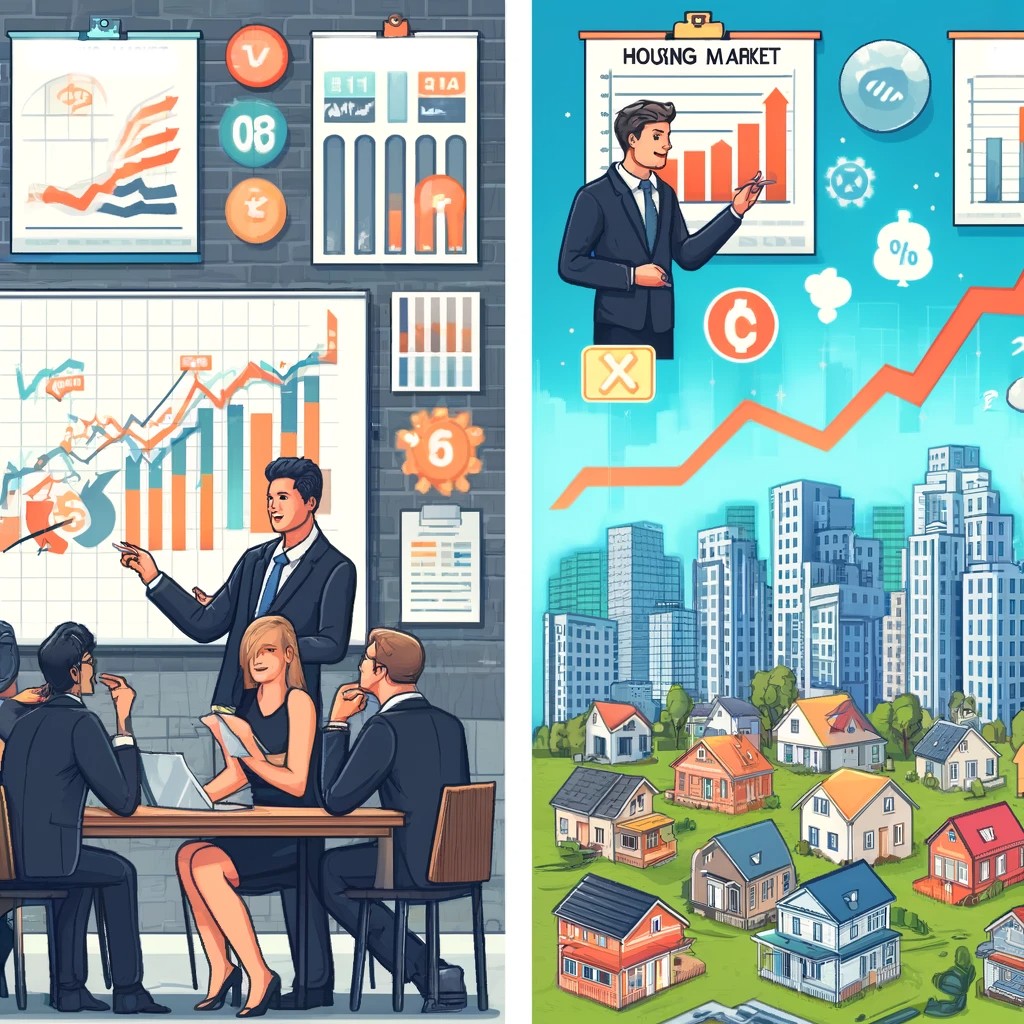
The housing market has traditionally been slow to adopt change, often remaining rooted in established methods and practices. However, the rapid advancement of technology in recent years has led to significant shifts in how the housing market operates. From the way homes are constructed and bought to how they are sold and managed, tech innovations are reshaping every corner of the industry. With an influx of smart technologies, data analysis tools, and digital platforms, the dynamics of buying and selling homes are evolving at a breakneck pace. This article explores the myriad ways technological advancements are impacting the housing market, providing insights into both current trends and future possibilities.
Smart Technology in Homes
One of the most visible impacts of technological advancements on the housing market is the integration of smart technology within homes. Smart homes, equipped with interconnected devices and systems that can be controlled remotely, are no longer a futuristic concept; they are a present reality. Homeowners and buyers are increasingly seeking properties with advanced in-house technology such as smart thermostats, lighting systems, and security features. These technologies not only increase the convenience of managing household operations but also significantly enhance energy efficiency and security. As a result, homes with smart technology are often more attractive to potential buyers, potentially increasing their market value.
Moreover, the Internet of Things (IoT) enables houses to be more intuitive and responsive. For instance, smart refrigerators can alert homeowners when groceries are running low, or smart security systems can provide real-time updates and remote monitoring capabilities. Such conveniences position smart homes as a prominent trend in the housing market, influencing both market demand and property values.
Virtual Reality and Augmented Reality
Another area where technology is making significant strides is through Virtual Reality (VR) and Augmented Reality (AR). These technologies are transforming the buying and selling process by offering immersive, interactive experiences that traditional methods cannot match. Prospective buyers can now take virtual tours of homes from the comfort of their current residence, giving them a comprehensive view without the need for physical travel. Augmented Reality, on the other hand, allows buyers to visualize how their own furniture and décor would look in a potential new home. This ‘try-before-you-buy’ approach reduces buyer uncertainty and aids decision making. For real estate agents and developers, VR and AR technologies represent powerful marketing tools. They can showcase properties to a broader audience, stages homes virtually to appeal to varied tastes, and highlight the potential of unfinished spaces. This has resulted in a more streamlined, efficient process, offering significant cost and time savings for all parties involved.
Big Data and Predictive Analytics
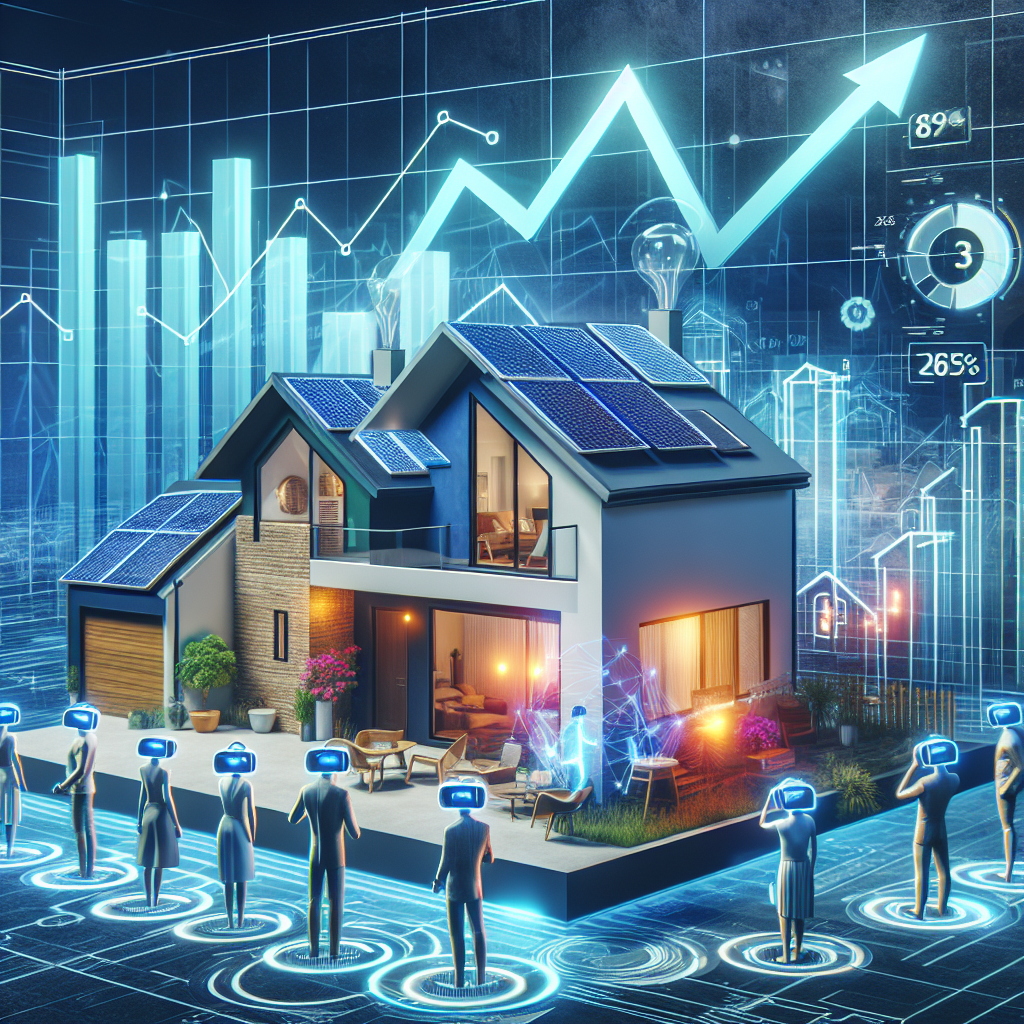
The infusion of big data and predictive analytics into the housing market has revolutionized the way stakeholders identify trends and make decisions. Historical data on housing prices, economic indicators, demographic shifts, and even climate patterns are now analyzed to predict future market conditions. Predictive analytics tools allow real estate professionals and investors to forecast property values, rental income potential, and market demand with a higher degree of accuracy. For homebuyers, access to comprehensive data can enhance decision-making capabilities by providing insights into neighborhood trends, school ratings, crime statistics, and more.
Platforms leveraging big data also help identify emerging markets or undervalued regions poised for growth, making it easier for investors to make informed decisions. In essence, data-driven decision-making is minimizing risks while maximizing opportunities, fundamentally shaping the dynamics of the housing market.
Blockchain and Real Estate Transactions
Blockchain technology, best known as the underlying system for cryptocurrencies, is slowly but steadily making its mark on the housing market. Blockchain’s potential to introduce transparency, security, and efficiency is particularly transformational in real estate transactions. Traditional property transactions involve multiple intermediaries, including brokers, lawyers, and banks, each adding layers of complexity and cost. Blockchain simplifies this by enabling smart contracts—self-executing contracts with the terms of the agreement directly written into code. These smart contracts ensure that all conditions are met before the transaction is automatically completed, reducing the time, paperwork, and costs involved. Moreover, blockchain can help combat fraud by creating an immutable, transparent ledger for property titles and ownership records. This not only simplifies the verification process but also significantly increases security and trust in property transactions. As blockchain technology becomes more widespread, it promises to streamline real estate transactions further, making them faster, cheaper, and more secure.
Online Real Estate Platforms
The digital transformation of the housing market is perhaps most evident in the proliferation of online real estate platforms. Websites and mobile apps like Zillow, Redfin, and Realtor.com have revolutionized how people search for, buy, and sell homes. These platforms aggregate listings from various sources, offering a user-friendly interface where buyers can easily filter searches based on their specific criteria, conduct market research, and view detailed property information including photos, videos, and neighborhood data. For sellers, these platforms provide tools for listing, marketing, and managing inquiries. The convenience of online platforms extends to mortgage applications and financing options, many of which can now be managed entirely online. Virtual open houses, digital signatures, and online negotiations further streamline the buying and selling process. This ease of access and efficiency has democratized the housing market, empowering consumers with more information and control over their property transactions.
Sustainable and Modular Construction
Technological advancements are not only influencing how homes are bought and sold but also how they are built. One significant trend is the rise of sustainable and modular construction techniques. Sustainable construction focuses on minimizing environmental impact through energy-efficient designs, sustainable materials, and innovative building techniques. Technologies such as solar panels, green roofs, and energy-efficient windows are becoming commonplace, making homes more eco-friendly and appealing to environmentally conscious buyers. Modular construction, on the other hand, involves building homes in sections or modules in a factory setting before assembling them on-site. This method offers numerous advantages, including reduced construction time, cost savings, and less material waste. Additionally, factory-constructed homes can achieve higher quality standards due to the controlled environment in which they are built. Both sustainable and modular construction methods reflect a broader move towards innovation and efficiency in the housing market, addressing both consumer demands and environmental concerns.
Conclusion
The impact of technological advancements on the housing market is profound and far-reaching. As smart technology, VR and AR, big data, blockchain, online platforms, and new construction methods continue to evolve, they are reshaping the landscape of real estate in ways previously unimaginable. These innovations are not only making the buying, selling, and management of homes more efficient and transparent but also offering new opportunities for investors, professionals, and consumers alike. As technology continues to advance, its role in the housing market will undoubtedly grow, bringing about further transformations in how we build, buy, and live in our homes. Keeping pace with these technological trends is crucial for anyone involved in the housing market, whether you’re a prospective buyer, seller, investor, or real estate professional. Embracing these innovations can offer a competitive edge, enhance the decision-making process, and ultimately lead to more informed and beneficial outcomes. As we look to the future, the fusion of technology and housing promises an exciting era of continued growth and transformation.
Frequently Asked Questions
1. How have technological advancements changed the way homes are constructed?
Technological advancements have revolutionized the construction segment of the housing market in several notable ways. First, with the advent of 3D printing technology, entire sections of homes can be printed in a matter of days, cutting down significantly on traditional construction times and labor costs. Besides, this method allows for customizable designs that can be tailored to specific needs and environmental conditions, promoting more sustainable building practices.
Furthermore, the introduction of modular construction has gained popularity. These are pre-assembled sections built off-site and then transported to their final location, streamlining the building process and enhancing quality control since these pieces are constructed in controlled environments. Additionally, Building Information Modeling (BIM) software is being increasingly used, offering architects and builders a digital representation of a building’s physical and functional characteristics. This ensures more accurate planning and resource management, minimizing wastage and optimizing the constructability of the projects.
2. In what ways have technological advancements influenced how homes are bought and sold?
The buying and selling process has been dramatically transformed by technology, making it more efficient, transparent, and accessible. Online real estate platforms, such as Zillow or Redfin, have revolutionized how people search for homes. They offer detailed listings with photographs, videos, virtual tours, and integral local neighborhood data, all available on mobile apps and websites. This empowers buyers to make informed decisions from the comfort of their homes.
Moreover, digital signatures and online document management systems are common, simplifying the previously cumbersome paperwork load involved in buying or selling property. Blockchain technology is also starting to make an impact, providing a more secure and transparent way to handle transactions and property records, potentially reducing fraud cases in real estate dealings.
Additionally, the use of big data analytics enables real estate professionals to predict market trends and buyer behavior with high accuracy, allowing them to tailor their strategies more effectively. This results in better market pricing, swifter transactions, and improved customer satisfaction across the board.
3. What role do smart home technologies play in the current housing market?
Smart home technologies are becoming a pivotal part of the housing market, driving demand and increasing property value. Smart devices, such as thermostats, lights, security systems, and appliances that can be controlled remotely, enhance the convenience and energy efficiency of a home. This is not just appealing to tech-savvy millennials but is increasingly sought after by all home buyers due to the enhanced lifestyle and lower utility costs these technologies provide.
Moreover, these technologies contribute to home security and safety, providing homeowners with peace of mind through features like smart locks, video doorbells, and integrated alarm systems. The ability to monitor and control these devices via smartphones ensures that safety is maintained no matter how far one is from home.
This surge in smart technology adoption is not only modernizing homes but also encouraging the development of ‘smart neighborhoods’ equipped with interconnected infrastructure, setting a new standard for residential life quality.
4. Can technology help in making the housing market more sustainable and environmentally friendly?
Absolutely, technology plays a critical role in promoting sustainability within the housing market. From the construction phase to full occupancy, technology can drastically reduce the carbon footprint of housing projects. Construction innovations like 3D printing and modular homes help minimize waste and energy consumption, as well as reduce the amount of raw materials required.
During the home’s life, energy management systems play a big part in sustainability efforts. Smart meters and energy usage apps help homeowners monitor and optimize their energy consumption, lowering their carbon output and saving on utility bills. Solar panels and advanced insulation materials are increasingly used, thanks to technological advances that make them more affordable and efficient.
Numerous cities are adopting ‘smart city’ technologies, integrating Internet of Things (IoT) solutions that monitor air quality and manage energy distribution across connected homes, resulting in a more sustainable urban environment. Technology ensures that homes are part of broader efforts to create more resilient and self-sufficient communities.
5. What challenges does the housing market face due to rapid technological advancements?
While technology brings numerous benefits, it also presents a set of challenges that the housing market needs to tackle. One significant concern is the digital divide; not all regions or demographics have equal access to these advancements, leading to disparities in housing market benefits. Bridging this gap is crucial for equitable market growth and avoiding leaving certain populations behind. The industry must also contend with cybersecurity threats, as increased reliance on online platforms and smart home technology introduces vulnerabilities that can be exploited by malicious actors. Safeguarding sensitive personal and financial information is vital to maintaining consumer trust and the integrity of the housing industry.
Additionally, there’s the challenge of ensuring that technological changes are adopted industry-wide. Sectors of the market that are slow to adapt risk being left behind. Resistance to change among traditional builders or realtors might impede the uniform application of beneficial technological advancements. Finally, there are concerns about regulatory and legal implications involving new technologies, such as property rights over digital platforms or the legality of smart contracts. To effectively navigate these concerns, cohesive regulatory frameworks need addressing, ensuring that technological integration is smooth, beneficial, and safe for all participants.