In recent years, walkable neighborhoods have become increasingly critical within the context of the housing market and urban planning. First and foremost, walkable neighborhoods are areas where daily amenities, such as grocery stores, schools, parks, and other essential services, are accessible by walking rather than requiring vehicular transport. The rise of these communities reflects broader societal and economic shifts, such as increasing environmental awareness, rising fuel costs, and a growing preference for convenient, healthy lifestyles.
The U.S. Census Bureau defines walkable neighborhoods based on the Walk Score, a metric that calculates the walkability of a given area. An increasing number of homebuyers and renters are considering Walk Score as a critical factor when choosing their homes. This trend emphasizes the value people place on convenience, accessibility, and community. Moreover, businesses also reap the benefits, as walkable areas often see higher foot traffic, which can translate to increased revenues.
From an urban planning perspective, the development of walkable neighborhoods requires careful consideration. Architects and planners aim to create environments that are not only physically safe and accessible but also culturally vibrant and economically viable. This trend aligns with a growing body of academic research that underscores the value of such neighborhoods in fostering social interactions, reducing environmental footprints, and boosting the local economy.
This article explores the growing importance of walkable neighborhoods in today’s housing market. We will delve into various critical aspects, including health benefits, environmental impact, economic ramifications, and social implications. By examining these factors, it becomes clear that walkable neighborhoods are not just a passing trend but a vital component of modern urban living.
Health Benefits of Walkable Neighborhoods
Walkable neighborhoods offer numerous health benefits, making them attractive to a wide demographic. One of the most immediate advantages is increased physical activity. According to the Centers for Disease Control and Prevention (CDC), regular physical activity reduces the risk of chronic diseases such as heart disease, diabetes, and obesity. Walkable communities encourage residents to integrate walking into their daily routines, thereby promoting a healthier lifestyle.
In addition to physical health, walkable neighborhoods contribute to mental well-being. Research from the American Psychological Association indicates that walking, particularly in green spaces, can alleviate stress, anxiety, and depression. The presence of parks, trails, and scenic areas within a community enhances the quality of life by offering spaces for relaxation and recreation.
Healthcare costs are another crucial consideration. With rising healthcare expenditures, promoting healthy behaviors can lead to significant savings. Communities that encourage walking and active lifestyles can reduce the prevalence of chronic diseases and, consequently, the burden on healthcare systems. This can result in lower insurance premiums for residents and ultimately contribute to the economic stability of the neighborhood.
Furthermore, walkable neighborhoods often feature better air quality. Reduced reliance on motor vehicles leads to decreased emissions of pollutants such as carbon monoxide, nitrogen oxides, and particulate matter. Improved air quality has direct health benefits, particularly for vulnerable populations such as children, the elderly, and individuals with respiratory conditions. Overall, the health advantages of walkable neighborhoods make them an essential component of urban planning and housing market trends.
Environmental Impact and Sustainability
The environmental benefits of walkable neighborhoods are substantial and align with broader goals of sustainability and ecological responsibility. Reduced reliance on cars means fewer greenhouse gas emissions, which is crucial in combating climate change. According to the Environmental Protection Agency (EPA), transportation accounts for nearly 30% of total U.S. greenhouse gas emissions. By encouraging walking, bike-sharing, and public transportation, walkable neighborhoods can substantially reduce this carbon footprint.
Energy efficiency is another key aspect. Walkable communities often promote the use of mixed-use developments, where residential, commercial, and recreational spaces are integrated. These developments typically have more energy-efficient designs and infrastructures, resulting in lower energy consumption compared to sprawling, car-dependent suburbs.
Moreover, walkable neighborhoods contribute to better land use. High-density living reduces the need for expansive road networks and parking lots, preserving more natural and agricultural lands. Additionally, this efficient use of space can result in lower utility costs for residents due to the concentration of resources such as water, electricity, and waste management systems.
Public transportation systems benefit significantly from the development of walkable neighborhoods. With higher densities and increased demand for public transit, there is greater justification for investment in sustainable transportation infrastructure, such as bus rapid transit (BRT) systems, light rail, and bicycle lanes. These systems provide residents with convenient alternatives to personal vehicles, further reducing environmental impact.
In summary, the environmental implications of walkable neighborhoods extend beyond immediate communities. They represent a critical strategy for achieving long-term sustainability goals by reducing greenhouse gas emissions, promoting energy efficiency, optimizing land use, and supporting sustainable public transportation systems.
Economic Ramifications
The economic benefits of walkable neighborhoods are multifaceted, impacting residents, businesses, and municipal governments. One of the most significant advantages is the appreciation of property values. Studies conducted by Zillow indicate that homes in walkable neighborhoods tend to have higher property values compared to those in less walkable areas. This is due to the increased demand for homes that offer convenience, accessibility, and a high quality of life.
From a business perspective, walkable neighborhoods create thriving economic ecosystems. Small businesses, particularly retail and dining establishments, benefit from increased foot traffic. This not only boosts sales but also fosters a sense of community and local pride. Entrepreneurs are often more inclined to invest in walkable areas, knowing that a steady stream of potential customers will traverse the neighborhood on foot.
Municipal governments also stand to gain financially from walkable neighborhoods. Higher property values result in increased property tax revenues, which can be reinvested into the community. Additionally, the reduced need for extensive road infrastructure and maintenance can lead to cost savings. Investments in public transportation and pedestrian-friendly infrastructure, such as sidewalks and crosswalks, can yield long-term economic benefits by attracting residents and businesses.
Moreover, walkable neighborhoods tend to attract a diverse demographic, including young professionals, families, and retirees. This diversity fosters economic resilience, as different groups bring varying economic activities and demands. For instance, young professionals may drive innovation and entrepreneurship, families contribute to stable, long-term residency, and retirees often participate in volunteer work and community initiatives.
In summary, the economic implications of walkable neighborhoods are extensive. Increased property values, thriving small businesses, and financial gains for municipal governments all highlight the economic viability and attractiveness of designing and promoting walkable communities.
Social Implications
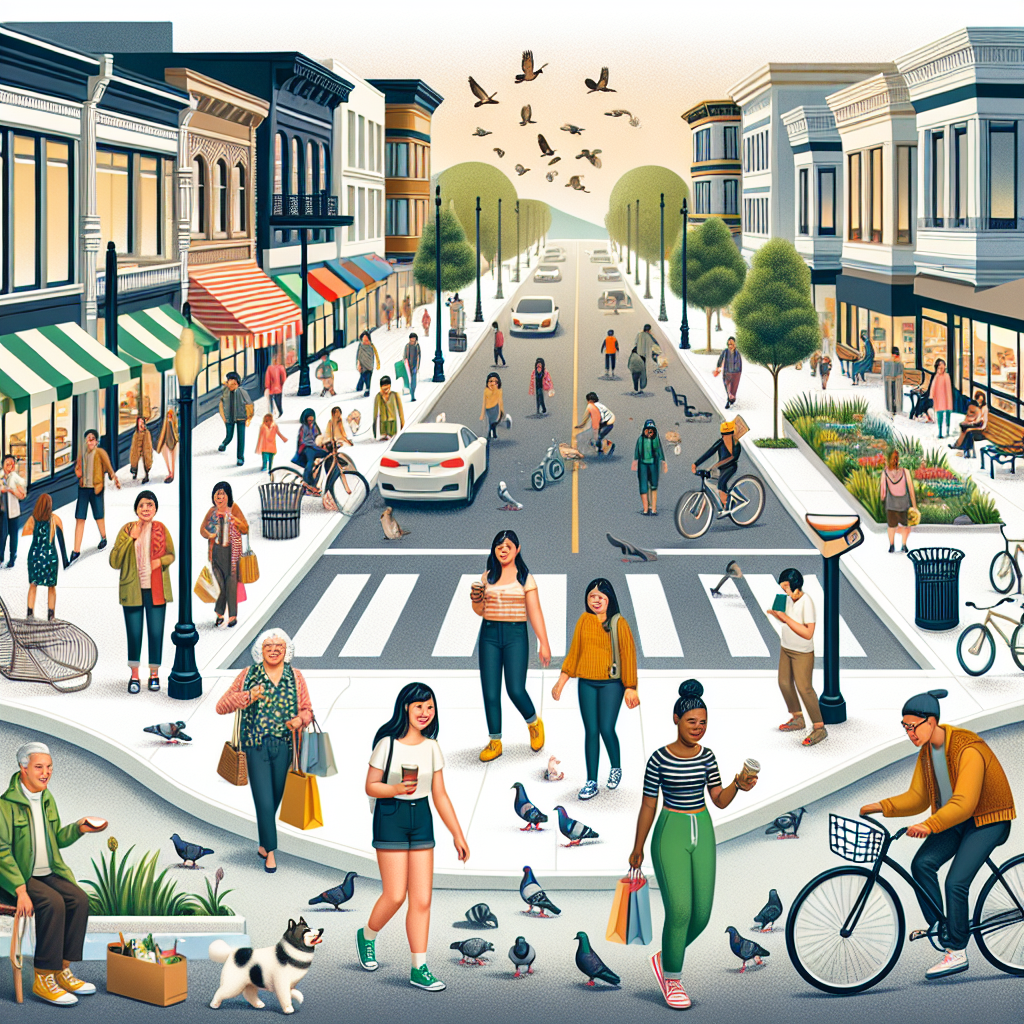
The social implications of walkable neighborhoods are equally profound, enhancing community ties and promoting inclusivity. One of the key social benefits is increased interaction among residents. Walkable environments encourage people to spend more time outdoors, leading to spontaneous encounters and socialization. These interactions contribute to a greater sense of community and belonging, which is often lacking in car-centric suburbs.
Social equity is another important aspect. Walkable neighborhoods can offer inclusive environments where people of all ages, abilities, and socioeconomic backgrounds can thrive. Access to essential services such as healthcare, education, and grocery stores becomes more equitable, as residents do not need to rely on personal vehicles for these necessities. This accessibility can be particularly beneficial for low-income families, elderly individuals, and people with disabilities.
Public spaces in walkable neighborhoods, such as parks, plazas, and community centers, further enhance social cohesion. These areas provide venues for community events, recreational activities, and civic engagement. They serve as focal points for social interaction, fostering a sense of ownership and pride among residents.
Safety is also a crucial consideration. Walkable neighborhoods often feature better lighting, crosswalks, and traffic-calming measures, reducing the risk of accidents and enhancing overall safety. The presence of more pedestrians can also deter crime, as streets are less likely to be desolate and more likely to have “eyes on the street.”
In conclusion, the social benefits of walkable neighborhoods are numerous and significant. Increased social interaction, greater inclusivity, enhanced public spaces, and improved safety all contribute to the well-being and cohesion of the community.
Conclusion
In summary, the growing importance of walkable neighborhoods in the housing market and urban planning cannot be overstated. These communities offer a myriad of benefits, ranging from improved health and environmental sustainability to economic growth and social cohesion. As society continues to evolve, the demand for walkable neighborhoods is likely to increase, driven by preferences for convenience, accessibility, and a high quality of life.
The health benefits of walkable neighborhoods, including increased physical activity, mental well-being, and reduced healthcare costs, make them attractive options for individuals and families alike. Environmentally, these communities contribute to reduced greenhouse gas emissions, energy efficiency, and better land use, aligning with broader sustainability goals. Economically, walkable neighborhoods enhance property values, support small businesses, and offer financial gains for municipal governments.
Socially, walkable neighborhoods foster a sense of community, promote inclusivity, and enhance public safety. The presence of public spaces and increased opportunities for social interaction contribute to overall well-being and community resilience. Urban planners and policymakers must recognize the value of walkable neighborhoods and prioritize their development to meet the evolving needs and preferences of residents.
Ultimately, walkable neighborhoods are not just a trend; they are a fundamental component of modern urban living. As we look to the future, creating and promoting walkable communities will be essential in addressing the challenges of urbanization, environmental sustainability, and social equity. By embracing walkability, we can build healthier, more sustainable, and vibrant cities that meet the needs of current and future generations.
Frequently Asked Questions
What exactly defines a walkable neighborhood, and why are they important today?
Walkable neighborhoods are those where individuals can comfortably walk to access most of their daily necessities. We’re talking about places where you can stroll to grocery stores, drop the kids off at school, enjoy a park, or grab a coffee without needing a car. Such neighborhoods are becoming more important due to a blend of factors. People are increasingly aware of the environmental impact of driving everywhere, so there’s a shift towards reducing that carbon footprint. Plus, with rising fuel costs, it’s financially savvy to cut down on car usage. Additionally, the health benefits of walking more can’t be overstated – it’s a simple way to stay fit and reduce stress. So, these neighborhoods aren’t just good for the planet; they make sense for personal health and finances too.
How can walkable neighborhoods benefit a person’s lifestyle?
Living in a walkable neighborhood can majorly enhance one’s quality of life. For starters, it fosters a sense of community because you’re more likely to bump into neighbors while walking, helping build relationships and a stronger community fabric. Health-wise, the built-in physical activity from walking can lead to better cardiovascular health, weight control, and even mental well-being, because staying active can ward off depression and anxiety. Financially, cutting down on gas and wear-and-tear costs on a car means more money in your pocket. Plus, for families, it can mean that kids grow up in a more active environment, leading them to healthier lifestyles from a young age.
What are some key elements that make a neighborhood truly walkable?
Achieving true walkability goes beyond just having sidewalks. It involves a cohesive design where sidewalks are wide, safe, and shaded. There’s also the importance of connectivity; that is, having a network of paths and streets that link crucial amenities effortlessly. Then there’s accessibility; amenities should be close enough to reach easily by foot, ideally within a mile or so. Mixed-use developments, where residential housing is combined with commercial and retail outlets, are also a cornerstone of walkable neighborhoods. And let’s not forget the aesthetics – pleasant landscaping, good lighting, and interesting storefronts invite people to explore on foot.
How does the demand for walkable neighborhoods impact urban planning and real estate?
With the rising demand for walkable neighborhoods, urban planning is seeing a significant transformation. City officials and developers are taking notes and prioritizing pedestrian-friendly elements in new developments. There’s an increased push for mixed-use projects that integrate homes, workplaces, and entertainment venues within walking distances. Real estate markets reflect this shift, too. Homes in walkable areas often fetch higher prices and experience increased demand, as people flock towards convenience and community. Urban planners are increasingly looking to retrofit existing neighborhoods with better sidewalks and crossings to meet this demand, ensuring that everything from zoning policies to construction projects is aimed at creating sustainable, walkable environments.
What challenges do cities face when trying to create more walkable neighborhoods?
Creating walkable neighborhoods is not without its obstacles. Often, existing urban landscapes are not designed with pedestrians in mind, so retrofitting them can be costly and complex. There’s the issue of traffic and road space, as converting car lanes into pedestrian pathways can be a controversial move. Moreover, ensuring accessibility for everyone, including those with disabilities, requires careful, inclusive planning. Funding can be a barrier, too; budget constraints mean urban planners need to make tough choices about where to invest. Additionally, getting buy-in from residents accustomed to car-centric living can be challenging, requiring effective communication about the benefits of walkability. And of course, balancing commercial interests with residential needs is always a tightrope professionals in urban planning must navigate.