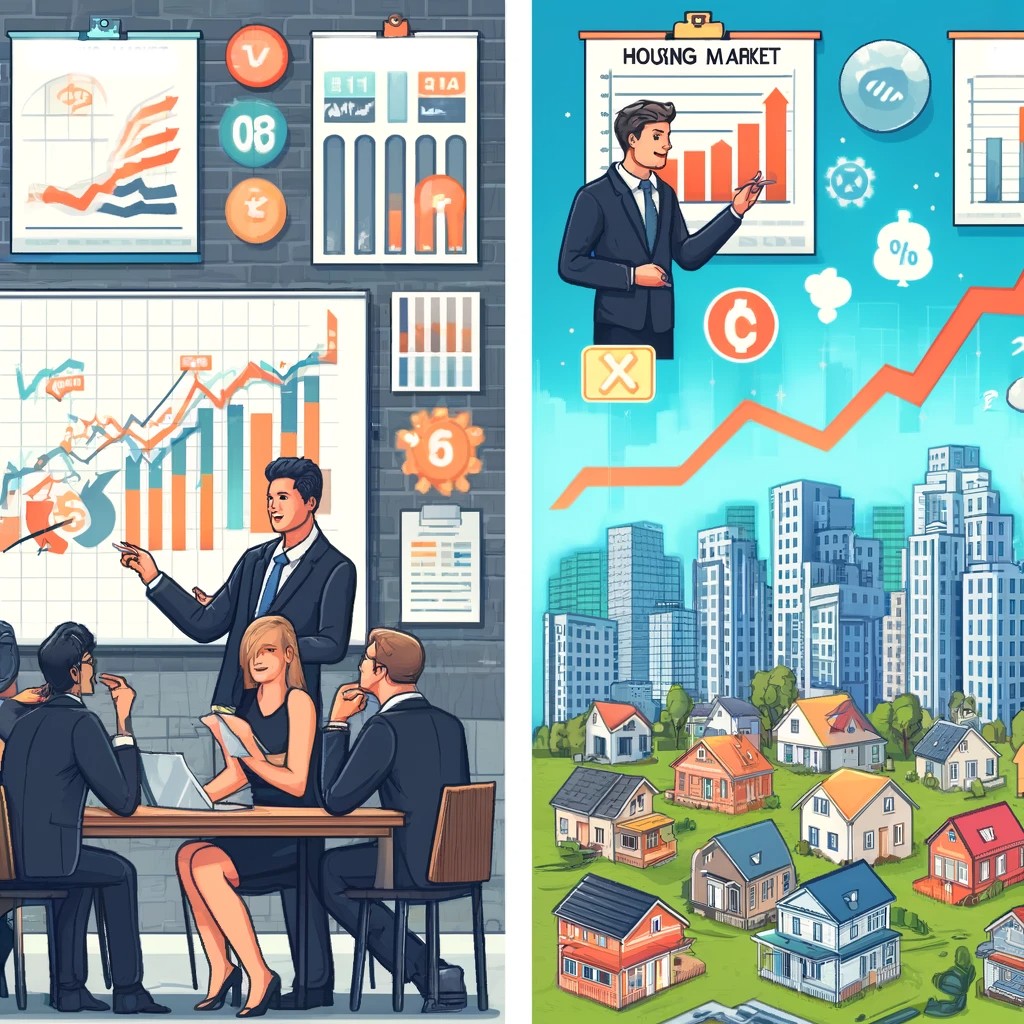
The COVID-19 pandemic has ushered in a new era of working patterns, with remote work becoming a staple for many industries. This shift is not only changing the way people work, but it is also reshaping where they choose to live. As companies embrace flexible work arrangements, employees are no longer tethered to urban centers.
The housing market has reacted to these changes in profound ways. More people are moving out of dense urban cores and exploring living spaces in suburbs, exurbs, and even rural areas. This trend is influencing housing prices, demand, and the overall dynamics of real estate markets. It’s crucial to understand how remote work is steering these changes to adequately plan for the future of housing and urban development.
Migration to Suburbs and Beyond
One of the most noticeable trends influenced by remote work is the migration from urban areas to suburbs and rural communities. Without the need to commute to an office daily, people are seeking more space, affordability, and a higher quality of life. Suburban markets have seen a surge in demand, leading to increased property values in these areas.
This migration is often driven by a desire for larger homes that can accommodate home offices, as well as the added space for outdoor activities. Families, in particular, are appreciating the benefits of suburban life, including better schools and community services. Nonetheless, this trend poses challenges for urban centers, which must now rethink their appeal and functionality to retain and attract residents.
Impact on Home Prices
With the shifting demand, home prices are experiencing significant changes. Areas that were once affordable are seeing dramatic increases in property values due to heightened interest. Conversely, urban markets are experiencing slower price growth or even declines in certain locales, as demand diminishes.
Real estate analysts point out that this phenomenon could lead to a rebalancing of the market. Builders and developers are adapting their strategies to focus more on suburban and rural developments, potentially easing the pressure on urban housing costs. However, the overall lack of housing supply remains a critical issue, driving prices up across many regions.

Changes in Housing Design and Features
As remote work becomes more commonplace, the design and features of homes are also evolving. Homebuyers are looking for properties that can cater to their work-from-home needs. This includes homes with dedicated office spaces, high-speed internet connectivity, and flexible rooms that can serve multiple purposes.
Additionally, there’s a growing preference for outdoor spaces, such as gardens, balconies, and patios. These features provide a sense of escape and relaxation, which are increasingly valued as people spend more time at home. Builders and architects are responding to these demands by creating layouts that support both work and leisure, thereby enhancing the overall living experience.
Influence on Rental Markets
The rental market is also feeling the impact of remote work trends. Previously, rental properties in central urban areas commanded high prices due to their proximity to offices and amenities. However, with more people working remotely, the demand for these rentals has declined, affecting rental prices and vacancy rates.
On the other hand, suburban and rural rental markets are experiencing increased interest, causing rental prices in these areas to rise. Tenants are seeking longer leases and more amenities, influencing landlords to adjust their offerings to cater to new demands. The shift in rental dynamics emphasizes the need for developers and investors to stay agile and responsive to changing trends.
Long-Term Predictions and Considerations
The rise of remote work is likely to have enduring effects on the housing market. Even as the pandemic recedes, many companies are opting for hybrid work models that combine remote and in-office work. This flexibility will continue to influence housing preferences and trends.
Urban planners and policymakers need to consider these shifts when designing future housing and infrastructure projects. Ensuring a balanced supply of housing options across different regions, promoting sustainable development, and enhancing digital connectivity will be essential. Additionally, there may be opportunities to revitalize urban areas by repurposing commercial spaces for residential use or creating mixed-use developments.
Conclusion
Remote work has undeniably altered the landscape of the housing market. The migration from cities to suburbs and rural areas, the rising demand for spacious and multi-purpose homes, and the shifts in rental markets all point to a significant transformation. While this presents opportunities for growth and innovation, it also poses challenges that require careful planning and adaptation.
For homeowners, renters, developers, and policymakers, staying informed about these trends is crucial. By understanding and anticipating the impacts of remote work, we can better navigate the evolving housing market and create communities that are resilient, sustainable, and supportive of diverse lifestyles. As we move forward, the interplay between work and living spaces will continue to shape our urban and suburban environments, making it an important area for ongoing attention and research.
Frequently Asked Questions
1. How is remote work changing where people choose to live?
Remote work has significantly transformed living preferences, as people are no longer required to live close to their workplaces in urban centers. This newfound freedom has led many to reconsider where they want to call home. Suburbs, rural areas, and even farther exurban regions are now attracting those seeking more space, lower costs of living, and a better quality of life. With the rise in remote work opportunities, people are no longer confined to living in high-density areas just to shorten their commute times. Instead, they are opting for picturesque locales with ample outdoor space, enhancing their work-life balance. Moreover, the ability to work from anywhere has encouraged a wave of relocations that would have seemed improbable a few years ago, contributing to demographic shifts across various regions.
2. How have housing prices been affected by the shift to remote work?
The shift to remote work has introduced notable changes in housing market dynamics, particularly affecting pricing trends. Areas that were traditionally less expensive, such as suburban and rural locations, are experiencing increased demand which is steadily driving up home prices. This demand surge is a result of more individuals flocking to these areas to capitalize on the benefits remote work offers. Meanwhile, in some dense urban centers, especially those heavily influenced by office-reliant economies, there have been reports of stagnating or even declining home prices, as demand decreases. Within this evolving landscape, what we are observing is a redistribution of property value increases; locations perceived as less desirable prior to the remote work boom are now seeing their profiles rise dramatically as the desirability scales tip from urban to suburban and beyond.
3. Are there specific areas seeing more interest due to remote work trends?
Indeed, certain areas have become particularly attractive to those enjoying remote work flexibility. Regions known for offering a better quality of life, including scenic suburbs and areas near recreational spaces such as mountains and coastlines, are witnessing surging popularity. Places with strong internet connectivity and good infrastructure are especially appealing, as these factors support a seamless work-from-home environment. States like Texas, Colorado, and North Carolina, for instance, have seen increased interest due to their appealing climates, tax incentives, and robust housing options. Coupled with this, the presence of amenities such as parks, trails, and cultural hotspots further increases the magnetism of these regions, making them ideal for those who no longer need to sacrifice lifestyle preferences for proximity to work.
4. What challenges are arising in the housing market due to the remote work trend?
As the housing market transitions under the influence of remote work, several challenges have surfaced. A significant concern is the affordability crisis that’s growing in many traditionally lower-cost areas now experiencing heightened demand. This shift has led to increased competition for homes, sometimes resulting in bidding wars and pushing house prices beyond the reach of locals who have resided there for generations. Additionally, the infrastructure in some of these areas may not be equipped to handle sudden population booms, leading to increased strain on utilities, schools, and healthcare services. Moreover, the persistent question remains regarding the sustainability of these trends if companies were to revert to in-person work requirements, potentially affecting the stability of property values in areas that boomed under remote work conditions.
5. How are companies and employees navigating the tax implications of working remotely in different locations?
Working remotely from different states or even countries brings forth a complex web of tax implications, which both companies and employees are beginning to navigate more carefully. Businesses often need to manage corporate tax liabilities in multiple jurisdictions due to having remote workforce presence. Similarly, employees may find themselves subjected to new state or local taxes based on where they choose to reside. This newfound complexity requires both employers and employees to stay informed about relevant tax laws and potentially consult experts to mitigate any negative financial ramifications. Companies are starting to implement clearer guidelines and resources for their employees to address concerns about residency, state taxation, and the maintenance of compliance across various regions, ensuring a more seamless transition into a decentralized work model.