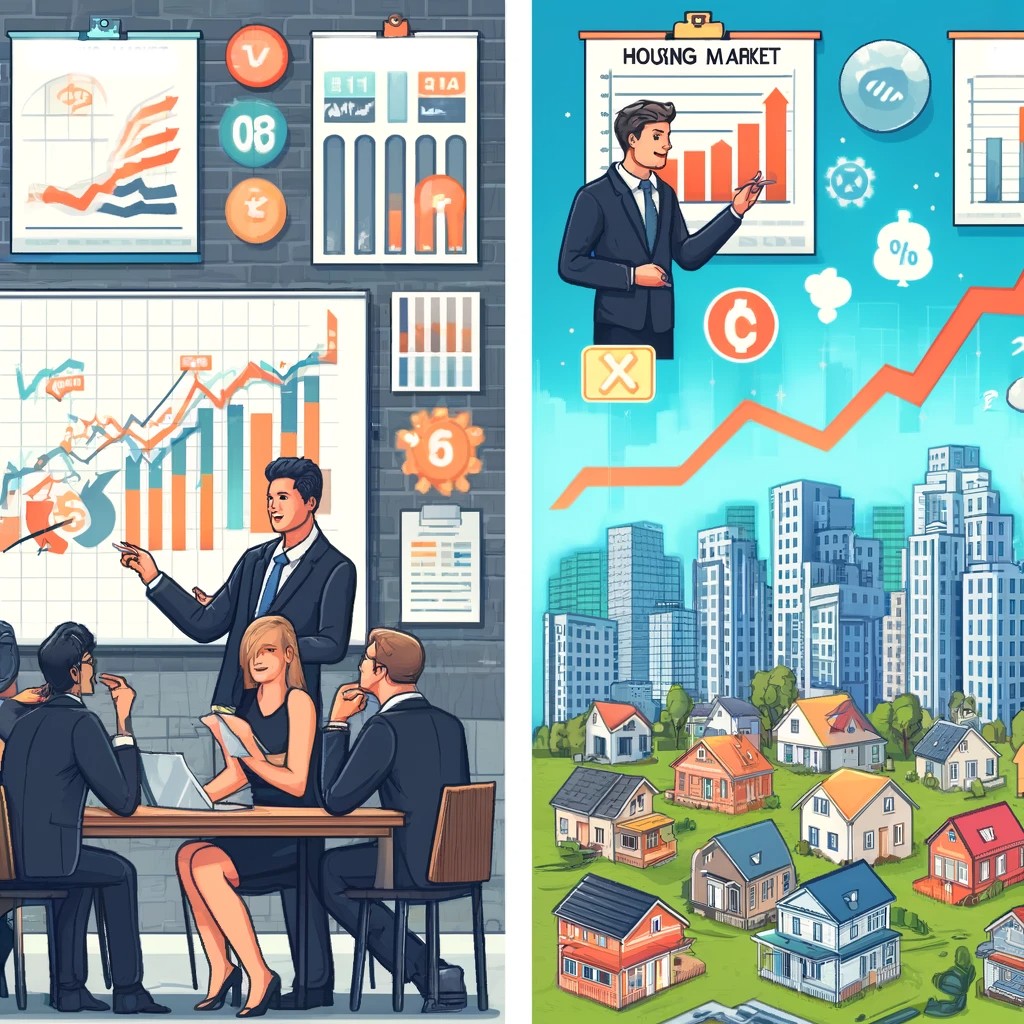
In recent years, we have observed significant shifts in the housing market, particularly in urban areas where technological advancements and modern lifestyles converge. Among these shifts is the burgeoning demand for smart homes – residences equipped with technology that enhances convenience, security, and energy efficiency. The allure of smart homes lies in their ability to integrate seamlessly with everyday life, offering homeowners numerous benefits that go beyond the mere novelty of cutting-edge gadgets.
This trend is more than a passing fad; it represents a fundamental shift in how we interact with our living spaces. Smart home technology includes a wide range of devices like thermostats, lighting systems, security cameras, door locks, and even kitchen appliances that can be controlled remotely via smartphones or voice assistants. This technology not only makes life more comfortable but also contributes to long-term cost savings through improved energy efficiency and home security.
The COVID-19 pandemic has accelerated this trend, as people have spent more time at home and invested in upgrades to enhance their living environments. With remote work becoming a permanent fixture for many, the need for home-based functionality that smart technologies offer has grown exponentially. As a result, smart homes are fast becoming a key criterion for both homebuyers and investors who are keen to capitalize on the enduring appeal of tech-optimized living spaces.
Why Smart Homes are Gaining Popularity
The increasing popularity of smart homes can be attributed to several factors that resonate with modern consumers. Firstly, convenience plays a significant role. Smart home systems allow users to control various aspects of their homes through integrated applications, often with just a few taps on a smartphone or via voice commands. This convenience extends to automating routine tasks, such as adjusting thermostats or managing lighting settings based on occupancy and time of day.
Energy efficiency is another compelling reason for the growing demand. Smart home devices such as smart thermostats, energy monitoring plugs, and intelligent lighting systems can significantly reduce energy consumption. Homeowners can monitor their usage patterns in real time and make adjustments to cut down on waste, leading to lower utility bills and a reduced environmental footprint.
Enhanced security is a cornerstone of smart home appeal. Modern security systems offer features such as real-time video surveillance, motion detection, and remote locking/unlocking of doors. These capabilities provide homeowners with peace of mind, knowing they can always keep an eye on their property, even when they are not there.
Lastly, the integration of AI and machine learning in smart home ecosystems makes these systems increasingly intuitive. They can learn user behaviors and preferences, making automated decisions that further enhance the comfort and efficiency of home living. For instance, a smart thermostat can learn a household’s routine and adjust the temperature accordingly, optimizing energy use without manual intervention.

Technological Innovations Driving the Smart Home Market
One of the primary drivers behind the growth of the smart home market is the continuous technological innovation in the field of Internet of Things (IoT). IoT encompasses a network of physical objects embedded with sensors, software, and other technologies that facilitate the exchange of data with other devices and systems over the internet. This interconnectedness allows for smarter decision-making and automation, which are essential to the functionality of modern smart homes.
Voice assistants like Amazon Alexa, Google Assistant, and Apple’s Siri have played a pivotal role in integrating various smart home devices into a cohesive ecosystem. These voice-controlled platforms enable seamless interaction with different connected devices, ranging from lights and thermostats to security systems and entertainment units, making the technology accessible and user-friendly for homeowners.
Advancements in AI and machine learning have further enhanced the capabilities of smart home systems. AI-driven algorithms can process vast amounts of data generated by smart devices, identify patterns, and make predictive adjustments to optimize home management. This not only enhances the user experience but also contributes to more efficient energy consumption and heightened security measures.
The proliferation of mobile technology and high-speed internet connectivity has also facilitated the growth of the smart home market. With virtually everyone owning a smartphone and having access to reliable internet, controlling and managing smart home systems remotely has become a standard feature. This convenience has further fueled consumer interest in smart home technologies.
The Impact of Smart Homes on Real Estate Value
The integration of smart home technology significantly impacts the value of residential real estate. Homes equipped with these advanced systems often command higher prices in the market, reflecting the added convenience, security, and efficiency they offer to potential buyers. As more consumers recognize the benefits of smart home features, properties with such capabilities become more desirable and competitive.
For real estate investors, incorporating smart home technology into properties can enhance their marketability and attract tech-savvy buyers willing to pay a premium for modern amenities. Features like smart security systems, automated lighting, and energy-efficient appliances are particularly appealing in today’s market, where buyers are increasingly focused on sustainability and convenience.
Moreover, properties with advanced smart home systems often sell faster than those without. This can be attributed to the growing public awareness and acceptance of smart technology, coupled with the perceived value it adds to the living experience. Homes that offer a blend of traditional comforts with modern technological enhancements are well-positioned to meet the expectations of contemporary buyers.
It is also worth noting the role of smart home technology in the rental market. Landlords can utilize smart home systems to improve property management, enhance tenant satisfaction, and reduce overall operational costs. Providing smart home features as part of a rental offering can help attract quality tenants who value the benefits of advanced home technology, leading to better tenant retention and higher rental yields.
Challenges and Considerations in Smart Home Adoption
Despite the many advantages of smart homes, there are challenges and considerations that potential adopters should be aware of. One of the primary concerns is data privacy and security. Since smart home devices collect and process a substantial amount of personal data, there is a risk of this information being exploited by malicious entities. Ensuring robust security protocols and choosing reputable brands with strong data protection measures are crucial steps in mitigating these risks.
The cost of smart home technology can also be a barrier to widespread adoption. While prices have decreased over time, the initial investment in a fully equipped smart home system can still be considerable. Consumers need to weigh the long-term benefits against the upfront costs and consider gradually integrating smart devices as a more manageable approach.
Compatibility and interoperability among different smart devices are other important considerations. Not all smart home products are designed to work together seamlessly, which can lead to complications in setting up and managing a cohesive smart home system. Consumers should opt for devices that adhere to common standards and ensure compatibility with their existing technology to avoid integration issues.
Additionally, there is the learning curve associated with adopting new technology. While smart home systems are designed to be user-friendly, some individuals may find it challenging to navigate the multitude of features and capabilities. Providing user education and support can help alleviate this hurdle and ensure that homeowners can fully benefit from their smart home investments.
The Future of Smart Homes
The future of smart homes looks incredibly promising, with continuous advancements in technology set to bring about even more sophisticated and integrated systems. As IoT devices become more ubiquitous and AI capabilities expand, we can expect smart home ecosystems to become even more intuitive and tailored to individual needs. Voice assistants are evolving to understand more natural language inputs and respond in more human-like ways, making interactions with smart devices more seamless and enjoyable.
The adoption of 5G technology is another key factor that will shape the future of smart homes. With its high-speed, low-latency connectivity, 5G will enable more efficient communication between smart devices and cloud-based services, enhancing real-time responses and facilitating the development of advanced home automation features. This improved connectivity will support more complex IoT networks within homes, resulting in highly synchronized and responsive living environments.
Sustainability will continue to be a driving force behind smart home innovations. As environmental concerns grow, there will be increased emphasis on developing energy-efficient smart devices and systems that contribute to carbon footprint reduction. Smart home technology will play a crucial role in creating sustainable living solutions, helping homeowners make eco-friendly choices more effortlessly.
Moreover, the integration of health and wellness features into smart homes is an emerging trend that is expected to gain traction. Advanced sensors and monitoring systems can track various health metrics, such as air quality, activity levels, and sleep patterns, providing residents with valuable insights to promote well-being. Smart kitchens with connected appliances can also help individuals maintain healthier diets by suggesting recipes based on nutritional needs and managing food inventory.
Conclusion
The growing demand for smart homes signifies a shift towards more connected, efficient, and convenient living environments. As consumers become increasingly aware of the benefits offered by smart technology, the housing market is set to evolve accordingly. The integration of IoT, AI, and mobile technology continues to drive the development of sophisticated smart home systems that cater to modern lifestyles and preferences.
Real estate professionals and investors have a unique opportunity to leverage this trend by incorporating smart home features into their properties, enhancing their appeal and market value. For homeowners, the transition to a smart home not only improves day-to-day living but also leads to long-term savings and sustainability benefits.
However, it is essential to consider the challenges associated with smart home adoption, such as data privacy, costs, and compatibility issues. By addressing these concerns and staying informed about the latest technological advancements, homeowners and industry stakeholders can make informed decisions and fully harness the potential of smart home technology.
As we look to the future, the role of smart homes in shaping urban living environments is undeniable. With continuous innovations on the horizon, the possibilities for enhancing our homes and lifestyles are boundless. Embracing smart home technology is not just about adopting new gadgets; it is about creating a more intelligent, sustainable, and harmonious living experience for generations to come.
Frequently Asked Questions
1. What exactly is a smart home, and why are they becoming more popular?
Smart homes, in essence, are residences equipped with a multitude of interconnected devices and appliances, often referred to as smart technology. These devices are designed to operate automatically or be controlled remotely via smartphones, tablets, or computers. The popularity of smart homes is largely driven by the convenience they offer – imagine controlling your thermostat, lighting, and even security cameras all from the palm of your hand.
Furthermore, the appeal of smart homes is magnified by the efficiency they provide. Systems can learn your daily routines and adjust settings accordingly, such as turning off lights in unoccupied rooms or adjusting the thermostat when not needed, resulting in significant energy conservation and cost savings. Additionally, the enhanced security features that allow for real-time monitoring and alerts are a big draw for families looking to protect their home.
In urban areas especially, where space can be limited and life happens fast, having a home that can adapt and respond to hectic schedules and energy usage is a serious advantage, explaining the growing demand for this technology in the housing market.
2. How do smart houses improve security?
Security is one of the most compelling aspects of smart home technology. Smart homes incorporate features like smart locks, security cameras, and motion detectors which can be controlled remotely. This ensures that homeowners can monitor their property from virtually anywhere. For instance, smart locks can be programmed to recognize family members, while unauthorized access attempts trigger alerts sent directly to the homeowner’s phone.
Security cameras in a smart home can provide live feeds or recorded footage viewable remotely, offering peace of mind whether you’re out for the day or on an extended trip. Moreover, advanced systems even use artificial intelligence to differentiate between pets, humans, or potential intruders, minimizing false alarms. All of these technologies create a secure and reassuring living environment.
3. In what ways do smart homes contribute to energy efficiency?
Energy efficiency is another significant benefit of smart homes. Most smart homes are integrated with systems that monitor and manage resources more effectively. For example, smart thermostats learn your schedule and preferences, making adjustments to heat or cool the space only as needed, significantly reducing waste and costs.
Moreover, smart lighting systems can automatically turn off lights in rooms that aren’t in use or adjust brightness depending on natural light availability. Appliances like refrigerators, washers, and even water heaters can connect to the network to optimize energy use, based on usage patterns and energy cost fluctuations. Ultimately, these systems not only contribute to a greener planet by reducing your carbon footprint but also allow for reduced utility bills, making them both an environmentally and financially wise choice.
4. Are smart homes difficult to set up and maintain?
Setting up a smart home can range from being quite straightforward to somewhat complex, depending on the level of sophistication and the system’s requirements. Many companies offer plug-and-play devices that you can easily install using simple apps, while more integrated systems might require professional installation.
The main aspect that requires attention is ensuring compatibility among the devices you want to use. Most manufacturers offer extensive support and resources to help homeowners choose and correctly install compatible products. Once installed, maintaining a smart home setup is generally low-maintenance, with most updates being pushed automatically to your devices, provided they are connected to the internet.
Ultimately, while it may require some upfront effort to set up, the ongoing benefits of convenience, safety, and efficiency often outweigh the initial challenges, making smart homes an increasingly attractive option.
5. What are the costs associated with converting a regular home into a smart home?
The cost of converting a traditional home into a smart home can vary significantly based on the amount of technology you choose to implement and the complexity of the systems you wish to include. For a modest array of smart devices, such as smart speakers, a smart thermostat, and a few smart plugs or lights, the cost could be in the low hundreds of dollars.
If you’re aiming for more comprehensive coverage that includes security systems, complex lighting setup, smart appliances, and a home automation hub, then you might be looking at several thousand dollars. It’s crucial to consider this as an investment. The increased property value, energy savings, and potential insurance discounts can help offset initial costs.
A handy tip for those considering starting small is to focus on smart hubs or devices that are central to daily activities, slowly expanding your repertoire of smart fixtures over time as you become more acquainted with the technology.