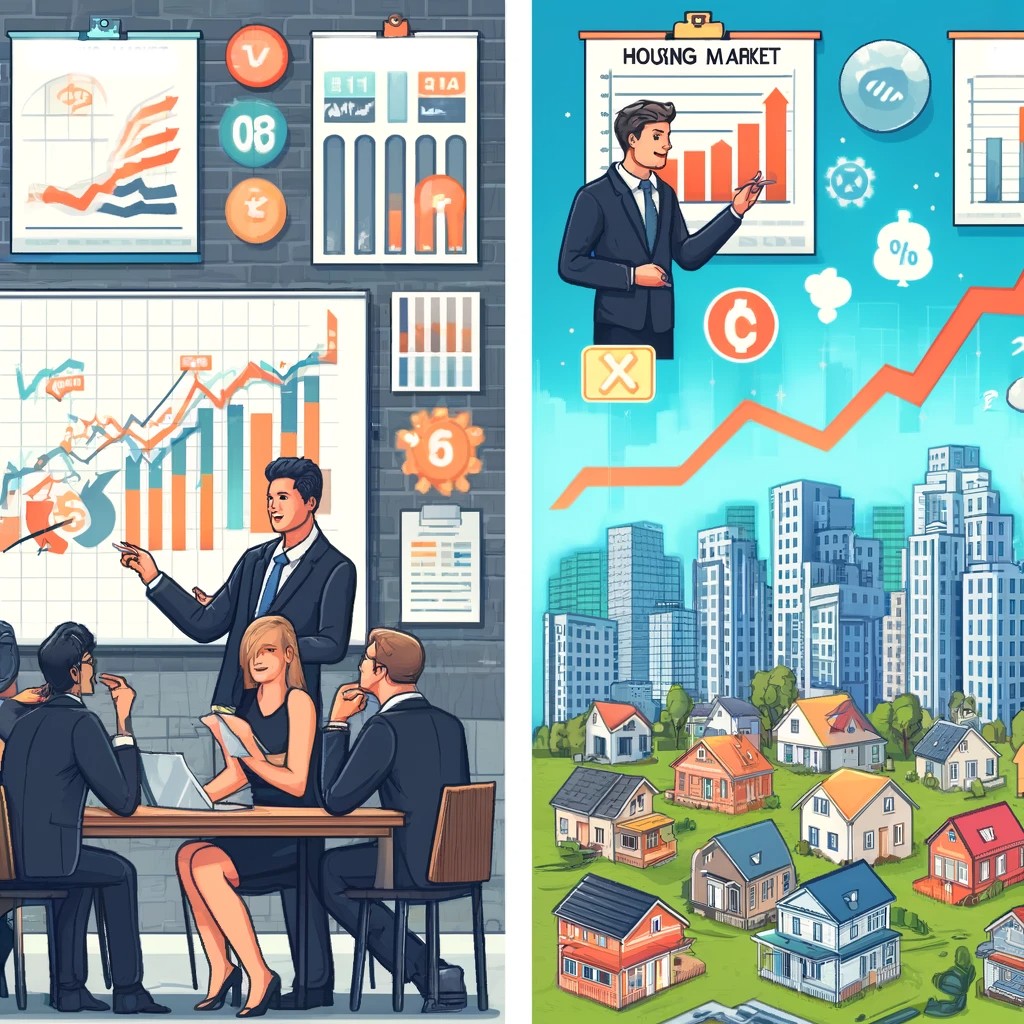
The housing market is undergoing a profound transformation, especially in the aftermath of the global pandemic. One of the most prominent trends is the growing popularity of home offices. With a significant portion of the workforce transitioning to remote or hybrid working models, the need for functional and comfortable home office spaces has surged. This shift is not only influencing individual homebuyers’ purchasing decisions but is also reshaping urban planning and housing development strategies.
Prior to 2020, home offices were often considered a luxury or an afterthought in residential design. They were typically small, makeshift spaces carved out of spare bedrooms or corners of living rooms. However, as millions of people were suddenly thrust into working from home, the demand for dedicated office space within the home skyrocketed. This rapid change in lifestyle has led to a reevaluation of what features are most important in a home, placing a premium on areas that can facilitate productivity and work-life balance.
Real estate agents, builders, and developers are taking note of this trend, and many are quickly adapting their offerings to meet the new demands. Homes with larger floor plans, flexible spaces, and built-in office areas are becoming increasingly popular. Additionally, there is a notable rise in interest in properties that feature outdoor workspaces or are located in quieter, more serene environments.
In this article, we will explore the various factors contributing to the growing popularity of home offices, the impact on the housing market, and how urban planning strategies are evolving to accommodate this new norm. We will also examine the long-term implications of this trend for homeowners and real estate professionals alike.
Factors Contributing to the Growing Popularity
Several key factors are driving the increased demand for home offices. The most immediate and apparent is the COVID-19 pandemic, which forced many organizations to adopt remote work policies. Even as restrictions have eased, many companies have recognized the benefits of allowing employees to work from home, including increased productivity and reduced overhead costs.
Another significant factor is the advancement of technology. High-speed internet, cloud computing, and collaborative software tools have made it easier than ever for people to work from anywhere, including their homes. This technology has enabled seamless communication and collaboration, reducing the need for physical presence in an office.
There is also a growing awareness of the importance of work-life balance. Many workers have found that remote work allows them to better manage their personal and professional responsibilities. This has led to a desire for living spaces that can accommodate both work and leisure activities without compromising on comfort or efficiency.
Finally, the rise of the gig economy and freelance work has contributed to the need for home offices. More people are working as independent contractors or starting their own businesses, making a dedicated home office space crucial for productivity and professionalism.
Impact on the Housing Market
The growing demand for home offices is having a noticeable impact on the housing market. Properties with existing home office spaces or the potential to create them are seeing increased interest and higher valuations. Real estate listings now often highlight home office features as a key selling point.
This trend is also influencing new construction. Builders and developers are incorporating home offices into their designs, even in smaller homes or apartments. Flexible floor plans that allow for multifunctional spaces are becoming the norm. Outdoor areas are being designed with the possibility of serving as workspaces in mind, offering a blend of nature and productivity.
Additionally, there is a shift in buyer preferences when it comes to location. With remote work reducing the need for daily commutes, more people are willing to consider homes in suburban or rural areas. These locations often offer more space, tranquility, and better affordability compared to urban centers.
Investors and developers are also paying attention to these trends. There is a growing interest in converting commercial properties into residential units with home office capabilities, reflecting the changing needs of the workforce and the housing market.

Urban Planning and Home Office Integration
Urban planners are recognizing the need to adapt to the increasing popularity of home offices. This shift involves rethinking traditional zoning laws, land use policies, and community design to support a work-from-home lifestyle.
One approach is to create mixed-use developments that integrate residential, commercial, and recreational spaces. These developments allow for more flexible and convenient lifestyles, where residents can access amenities, services, and possibly even collaborate with others within the same community.
Planners are also looking at ways to improve the infrastructure that supports remote work. This includes ensuring communities have access to reliable high-speed internet, creating more green spaces for outdoor working environments, and developing public transportation options that connect more remote areas to city centers efficiently.
Furthermore, urban planning is increasingly focused on mental health and well-being. Incorporating more parks, walking paths, and areas for physical activity can help mitigate the isolation that can come with working from home. Communities designed with these features in mind can offer a healthier work-life balance for residents.
Long-term Implications for Homeowners
The rise of the home office is likely to have lasting effects on homeownership and property values. For homeowners, having a dedicated office space can increase the appeal and functionality of their property. In the long term, this could translate into higher resale values, especially as remote work continues to be a viable option for many industries.
Homeowners may also find that investing in quality office equipment and ergonomic furniture is beneficial for their productivity and comfort. Custom renovations, such as soundproofing or enhanced lighting, can also make a significant difference in creating an effective home office environment.
Environmental sustainability is another consideration for homeowners. As home offices become standard, energy-efficient appliances, heating, cooling systems, and renewable energy sources will become more prevalent. These upgrades not only reduce the environmental footprint but can also offer savings on utility bills over time.
Moreover, the importance of digital security is on the rise. Homeowners should be mindful of securing their home networks and data, especially if they are handling sensitive information for their work. Investing in robust cybersecurity measures is essential in the digital age where remote work is prevalent.
Opportunities for Real Estate Professionals
Real estate professionals, including agents, brokers, and developers, have an opportunity to capitalize on the growing popularity of home offices. By understanding and responding to this trend, they can better serve their clients and differentiate themselves in a competitive market.
Agents should highlight home office features in property listings and marketing materials. They should also be prepared to offer suggestions for how potential buyers can convert existing spaces into functional home offices. Knowledge of local zoning laws and home renovation regulations can add significant value to their services.
Developers can take advantage of this trend by incorporating flexible spaces into their designs early in the planning stages. This may include adding extra rooms that can easily be converted into offices, providing high-quality internet connectivity, or creating communal workspaces within residential complexes.
Collaboration with other professionals, such as interior designers and technology experts, can also enhance the appeal of properties. Offering packages that include office furnishings or tech setup assistance can provide comprehensive solutions that attract buyers.
Conclusion
The shift towards remote work and the growing popularity of home offices is a significant trend in the current housing market. Driven by the global pandemic, technological advancements, and changing workforce dynamics, this trend is reshaping the way people think about and interact with their living spaces.
As the demand for dedicated home office spaces continues to rise, it presents numerous opportunities for homeowners, real estate professionals, and urban planners. Homes that can accommodate a flexible work environment are becoming more desirable, leading to changes in home design, real estate listings, and community planning.
While the trend presents challenges, such as the need for reliable technology and maintaining work-life balance, it also offers significant benefits. Homeowners can improve their productivity, enjoy a better work-life balance, and potentially increase the value of their properties. Real estate professionals can leverage this trend to meet the needs of modern buyers and differentiate themselves in the market.
Ultimately, the growing popularity of home offices is likely to have lasting effects on the housing market and urban planning. By recognizing and adapting to these changes, all stakeholders can benefit from the evolving landscape of home ownership and residential design.
Frequently Asked Questions
1. Why has the popularity of home offices increased so much recently?
The surge in home office popularity has been significantly influenced by the global pandemic, which forced a seismic shift in how people work. Prior to the pandemic, remote work was often limited to freelancers and tech industry employees, but with the onset of COVID-19, businesses worldwide were compelled to transition to remote operations to keep running. Many companies discovered that their employees could maintain productivity from home, which led to a reevaluation of traditional workspaces. Now, even as restrictions have eased, a blend of remote and hybrid work models has persisted. This change means people are looking for dedicated spaces in their homes where they can work comfortably and efficiently, thus the soaring demand for home offices.
2. How are home buying trends changing due to the focus on home offices?
As the demand for home offices continues to rise, it has directly impacted the criteria that homebuyers use when searching for a new place. More people are prioritizing homes that either come with existing office spaces or provide the flexibility to easily create one. This could mean extra rooms, basements, or even attics that can be converted into productive work environments. People are also valuing features like natural lighting, good soundproofing, and high-speed internet connectivity more than ever before. This shift is influencing home design trends, with architects and builders striving to incorporate versatile workspaces into their projects, even in smaller homes.
3. What are the key elements of a functional home office?
Creating a functional home office is more than just setting up a desk and chair. It’s about carving out a space tailored to your unique working needs while ensuring comfort and efficiency. The primary element is having a dedicated area that’s distinct from the rest of your living spaces, ensuring minimal distractions. Ergonomics play a crucial role, too—selecting an appropriate chair and desk height can prevent neck and back fatigue over extended periods. A reliable internet connection is a must, facilitating seamless communication and access to resources. Important, too, is the ambiance: adequate lighting, preferably natural, can improve mood and productivity, while some plants or artwork can make the space more inviting. Finally, incorporating storage solutions helps keep the area organized, contributing to a clutter-free work environment.
4. How is urban planning being influenced by the rise in home offices?
The increasing popularity of home offices is reshaping urban planning as city planners and developers rethink the structural needs of modern housing. In urban areas where space is at a premium, the inclusion of flexible areas within new housing developments is becoming more common. This might involve co-working spaces within residential buildings or community areas that offer quiet zones and meeting rooms, creating a hybrid between private and public office spaces. Moreover, there’s a push towards improving broadband infrastructure to ensure all areas, including rural locales, can support remote working. The shift is also prompting more sustainable designs and technologies tailored to support home-based work environments, aiming to reduce the urban carbon footprint.
5. Are there any specific industries that benefit more from remote work and home offices?
Several industries have reaped significant benefits from the transition to remote work and the growing prevalence of home offices. The tech industry has led the charge, with software development, information technology services, and digital marketing easily adapting to virtual environments. Other sectors such as finance, consultancy, and creative industries like graphic design and writing have also thrived, enabling companies to reduce overhead costs associated with physical office spaces. Education and training sectors have seen a broader reach and flexibility through online platforms. However, even traditionally less remote-friendly industries are exploring adaptable roles and hybrid models, recognizing the productivity and employee satisfaction gains from remote setups.