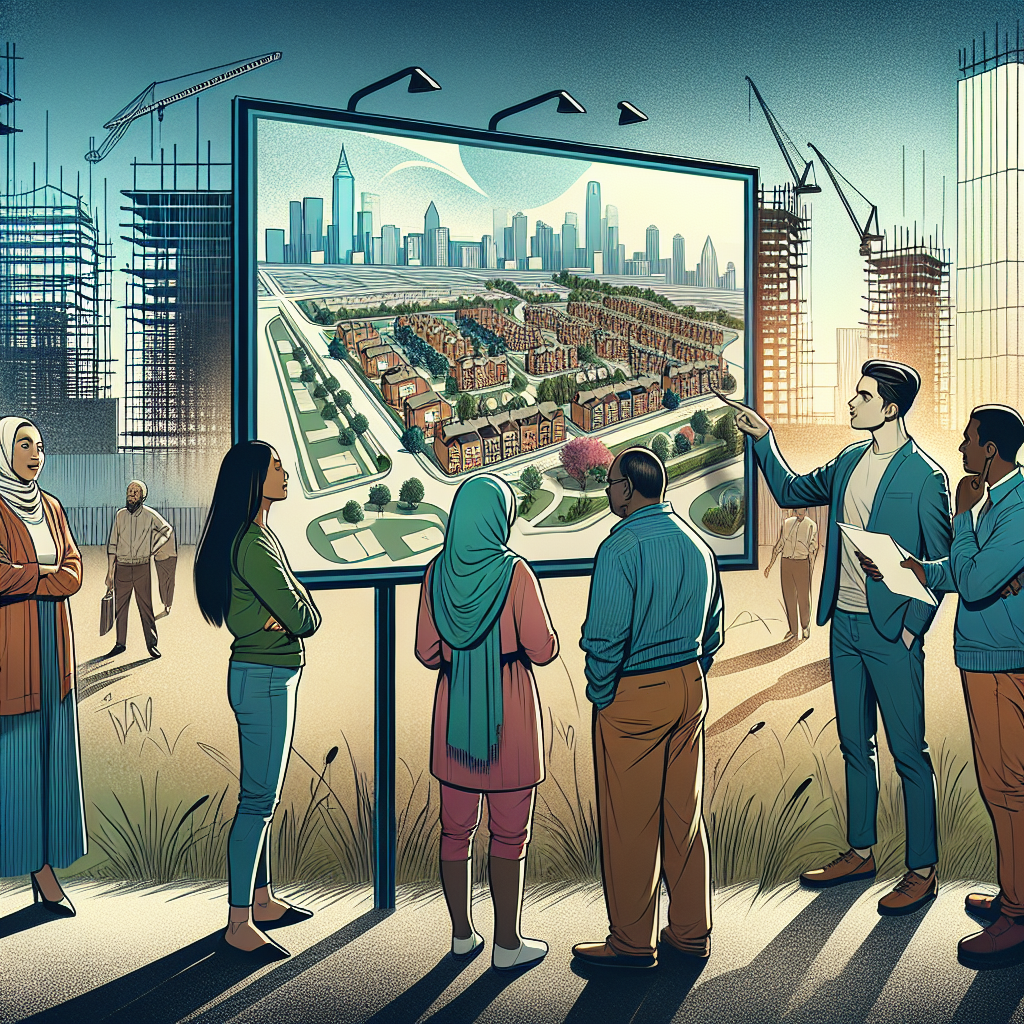
The real estate market is no longer just about buying and selling properties; it’s about building communities. As urbanization continues to shape our cities and towns, the need for developers, real estate agents, and city planners to engage with local communities has never been more critical. This shift in focus towards community engagement is transforming the real estate landscape, making it a vital component in the success of any development project.
Understanding Community Engagement in Real Estate
Community engagement in real estate refers to the process by which developers, real estate professionals, and planners actively involve local residents and stakeholders in the planning, development, and decision-making processes of a real estate project. This approach is not just about informing the community but also about listening to their concerns, ideas, and feedback, and incorporating them into the project.
This collaborative approach fosters a sense of ownership and pride within the community, leading to more successful and sustainable developments. It’s about creating spaces that people want to live in and that reflect the needs and desires of the community.
Why Community Engagement Matters
- Building Trust and TransparencyTrust is a cornerstone of any successful real estate transaction. By engaging with the community early and often, developers can build trust and establish transparent communication channels. This transparency helps alleviate concerns about potential disruptions, environmental impacts, and changes to the local landscape. When the community feels heard and involved, they’re more likely to support the project.
- Enhancing Project OutcomesCommunity input can lead to better project outcomes. Local residents often have valuable insights into the needs and preferences of the area, which can be used to tailor developments to better suit the community. Whether it’s adding green spaces, preserving historical landmarks, or ensuring affordable housing options, incorporating community feedback can enhance the overall success of a project.
- Mitigating Opposition and ConflictOne of the biggest challenges in real estate development is overcoming opposition from the community. This opposition can delay projects, increase costs, and even derail developments altogether. By engaging the community from the outset, developers can address concerns early, find common ground, and work towards mutually beneficial solutions. This proactive approach can help mitigate opposition and create a smoother path to project completion.
- Fostering Long-Term RelationshipsCommunity engagement isn’t just about the short-term success of a project; it’s about building long-term relationships. By fostering positive relationships with the community, developers and real estate professionals can create a network of support that can be beneficial for future projects. A community that feels valued and respected is more likely to welcome future developments and work collaboratively with developers.
- Contributing to Social SustainabilityReal estate projects have a significant impact on the social fabric of a community. By engaging with the community, developers can ensure that their projects contribute positively to social sustainability. This might involve creating affordable housing options, ensuring accessibility, or developing community spaces that promote social interaction and cohesion. By prioritizing social sustainability, developers can create projects that not only succeed economically but also enrich the lives of residents.
Strategies for Effective Community Engagement
- Early and Continuous CommunicationEffective community engagement begins with early communication. Developers should reach out to the community as soon as possible, even before plans are fully formed. This allows for meaningful input and ensures that the community feels involved from the start. Continuous communication throughout the project is equally important, keeping the community informed and engaged at every stage.
- Inclusive Engagement TechniquesCommunity engagement should be inclusive, ensuring that all voices are heard, particularly those of underrepresented groups. This might involve hosting public meetings, conducting surveys, or setting up focus groups. It’s important to use a variety of engagement techniques to reach different segments of the community and gather diverse perspectives.
- Collaboration with Local LeadersLocal leaders and organizations can play a key role in community engagement. By collaborating with local leaders, developers can gain valuable insights into the community’s needs and build credibility. These leaders can also help facilitate communication between developers and the community, ensuring that engagement efforts are effective and well-received.
- Transparency and AccountabilityTransparency is critical in building trust with the community. Developers should be open about their plans, timelines, and potential impacts of the project. Additionally, they should be accountable for their commitments to the community, following through on promises and addressing any issues that arise.
- Feedback MechanismsGathering feedback from the community is a crucial part of the engagement process. Developers should establish clear mechanisms for collecting and responding to community feedback. This might include online portals, suggestion boxes, or regular community meetings. It’s important to not only gather feedback but also to demonstrate how that feedback has influenced the project.
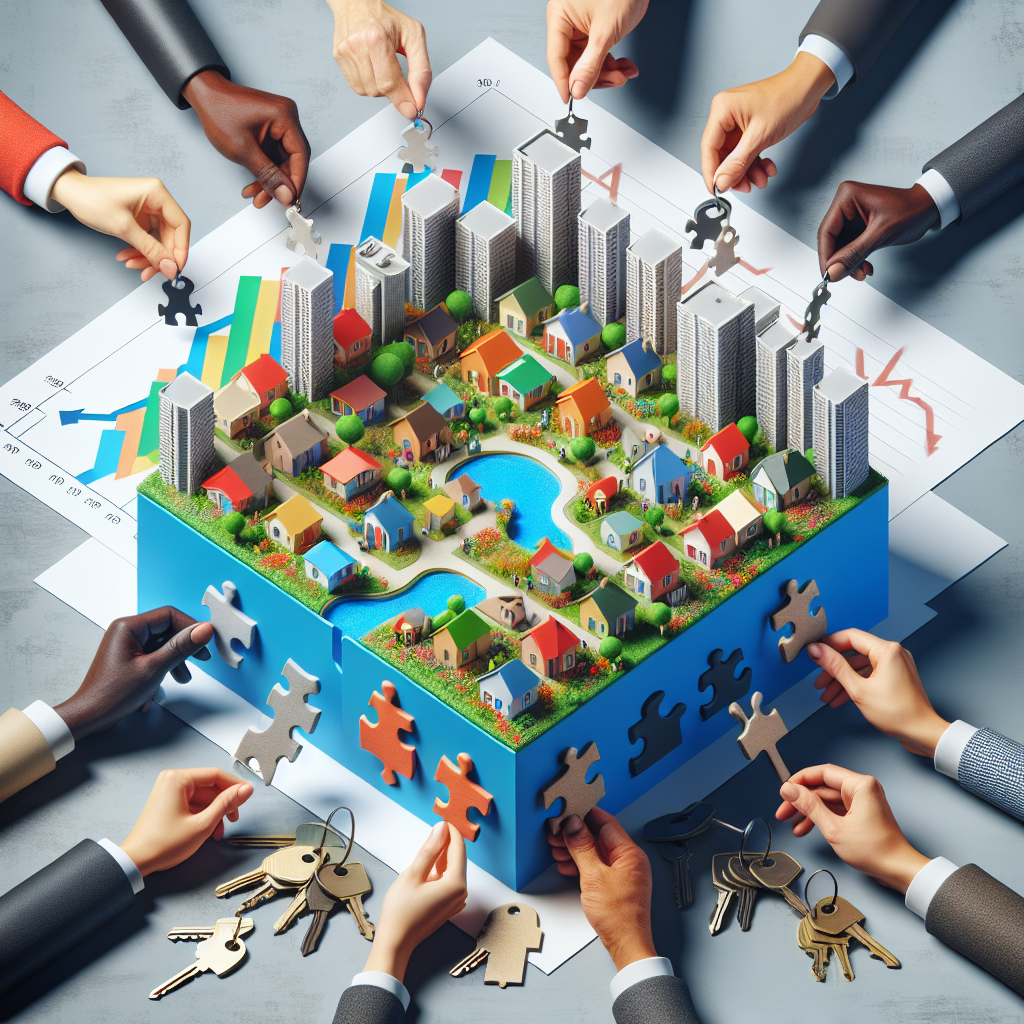
Case Studies: Successful Community Engagement in Real Estate
- The High Line, New York CityThe High Line in New York City is a prime example of successful community engagement in real estate. What began as an abandoned elevated railway was transformed into a public park thanks to the efforts of local community groups. The Friends of the High Line, a community-based organization, worked closely with city officials and developers to turn the space into a vibrant urban park that reflects the needs and desires of the community. The project has since become a model for urban revitalization, showing how community engagement can lead to successful and innovative developments.
- The Zibi Project, Ottawa-GatineauThe Zibi project is a major urban development that spans both Ottawa and Gatineau, Canada. The project has been praised for its strong focus on community engagement, particularly with the local Indigenous communities. By incorporating the perspectives and traditions of these communities into the development, Zibi has created a project that is not only economically viable but also culturally and socially sustainable. This inclusive approach has helped Zibi gain widespread support and has set a new standard for community engagement in real estate.
- The Green Square Project, SydneyGreen Square, a major urban renewal project in Sydney, Australia, is another example of successful community engagement. The project has involved extensive consultation with local residents, businesses, and community groups to ensure that the development meets the needs of the area. This engagement has resulted in a project that includes new parks, community centers, and affordable housing, making it a valuable addition to the local community. The success of Green Square highlights the importance of involving the community in the planning and development process.
The Future of Community Engagement in Real Estate
As the real estate market continues to evolve, community engagement will play an increasingly important role. Developers and real estate professionals who prioritize community engagement will be better positioned to navigate the challenges of modern development and create projects that are both successful and sustainable.
In the future, we can expect to see more innovative approaches to community engagement, driven by advances in technology and a growing emphasis on social responsibility. Virtual reality, social media, and other digital tools are making it easier for developers to engage with the community and gather valuable feedback. At the same time, there’s a growing recognition that real estate developments should contribute to the social, economic, and environmental well-being of the community.
Conclusion
The growing importance of community engagement in real estate is a reflection of broader trends in society towards greater transparency, inclusivity, and sustainability. By engaging with the community, developers can build trust, enhance project outcomes, and create developments that truly meet the needs of the people who live there. As the real estate market continues to change, those who embrace community engagement will be at the forefront of creating vibrant, thriving communities.
Frequently Asked Questions
1. Why is community engagement becoming more important in real estate?
Community engagement is becoming increasingly important in real estate because the industry now recognizes that success goes beyond merely buying and selling properties. In today’s world, where urbanization is rapidly shaping our towns and cities, creating vibrant, inclusive, and sustainable communities is crucial. Engaging with local residents, businesses, and stakeholders ensures that developments reflect the needs and values of those who live and work in the area. By fostering open lines of communication and collaboration, real estate projects can not only improve relationships but also lead to more informed decision-making, reduced conflict, and ultimately, the creation of environments that people want to invest in and be a part of.
2. How does community engagement benefit real estate developers and agents?
Community engagement offers numerous benefits to real estate developers and agents. Firstly, it builds trust between the community and the development team, which can be particularly advantageous in easing potential opposition and gaining support for the project. By actively listening and responding to community concerns, developers can avoid costly delays and legal challenges. Additionally, engaging with the community provides valuable insights into local market conditions, preferences, and unmet needs, allowing real estate professionals to tailor their offerings more effectively. This, in turn, increases the appeal and marketability of properties and enhances the reputation of the developers and agents involved, positioning them as community-oriented leaders.
3. What methods can be used to engage a community effectively?
There are several methods to effectively engage with a community, and choosing the right approaches depends on the specific context and goals of the project. Some common methods include hosting public meetings and workshops where community members can voice their opinions and ideas. Surveys and questionnaires, both online and offline, can be powerful tools for gathering feedback from a diverse range of people. Additionally, forming advisory committees that include community representatives can ensure a continuous dialogue and more inclusive decision-making process. Utilizing social media and creating dedicated websites or online forums can also broaden the reach and accessibility of engagement efforts, allowing developers to connect with a wider audience and keep the community informed throughout the project’s lifecycle.
4. How can community engagement impact the long-term success of a real estate project?
Community engagement can significantly impact the long-term success of a real estate project by laying a foundation of trust and cooperation from the onset. Projects developed with community input are more likely to reflect the true character and needs of the area, increasing local acceptance and support. This can lead to an enhanced sense of ownership and pride among residents, which fosters a strong, vibrant community and increases property values. Additionally, when developers demonstrate their commitment to community engagement, they set a precedent for future interactions, thereby strengthening their reputational capital and making it easier to launch subsequent projects in the area. Moreover, these projects often enjoy higher occupancy rates and customer loyalty, as people prefer to live in places where they feel heard and valued.
5. What challenges might developers face when trying to engage with a community?
While community engagement is essential, developers can face several challenges when trying to connect with locals. One of the most common challenges is overcoming skepticism or mistrust, especially in communities with a history of inadequate consultation or unfulfilled commitments. Addressing language and cultural barriers is also critical, as these can hinder effective communication and inclusion. Ensuring the participation of diverse community members, including historically underserved populations, can be difficult but is necessary for truly comprehensive engagement. Additionally, balancing differing opinions and interests within a community can be challenging, requiring developers to employ skilled facilitators to mediate discussions. Lastly, engagement efforts can be time-consuming and require adequate resources, which developers must be prepared to invest for them to be successful.