In recent years, the real estate industry has experienced a paradigm shift with the growing emphasis on environmental sustainability. As the world grapples with climate change and the degradation of natural resources, the housing market and urban planning sectors are increasingly embracing green initiatives. From energy-efficient homes to sustainable urban development projects, the principles of environmental sustainability are reshaping the housing market. This shift is not only impacting property values and demand but also influencing the way in which residential and commercial spaces are designed and constructed.
Historically, the primary drivers of real estate value have been location, size, and amenities. However, contemporary homebuyers and investors are now looking beyond these traditional factors. Today’s consumers are more environmentally conscious and are seeking properties that offer sustainable features and reduce their carbon footprint. The integration of green technologies, such as solar panels, energy-efficient appliances, and sustainable building materials, is becoming a significant selling point in the housing market. Additionally, the availability of green spaces, public transportation options, and proximity to environmentally-friendly infrastructure are also becoming crucial considerations for buyers.
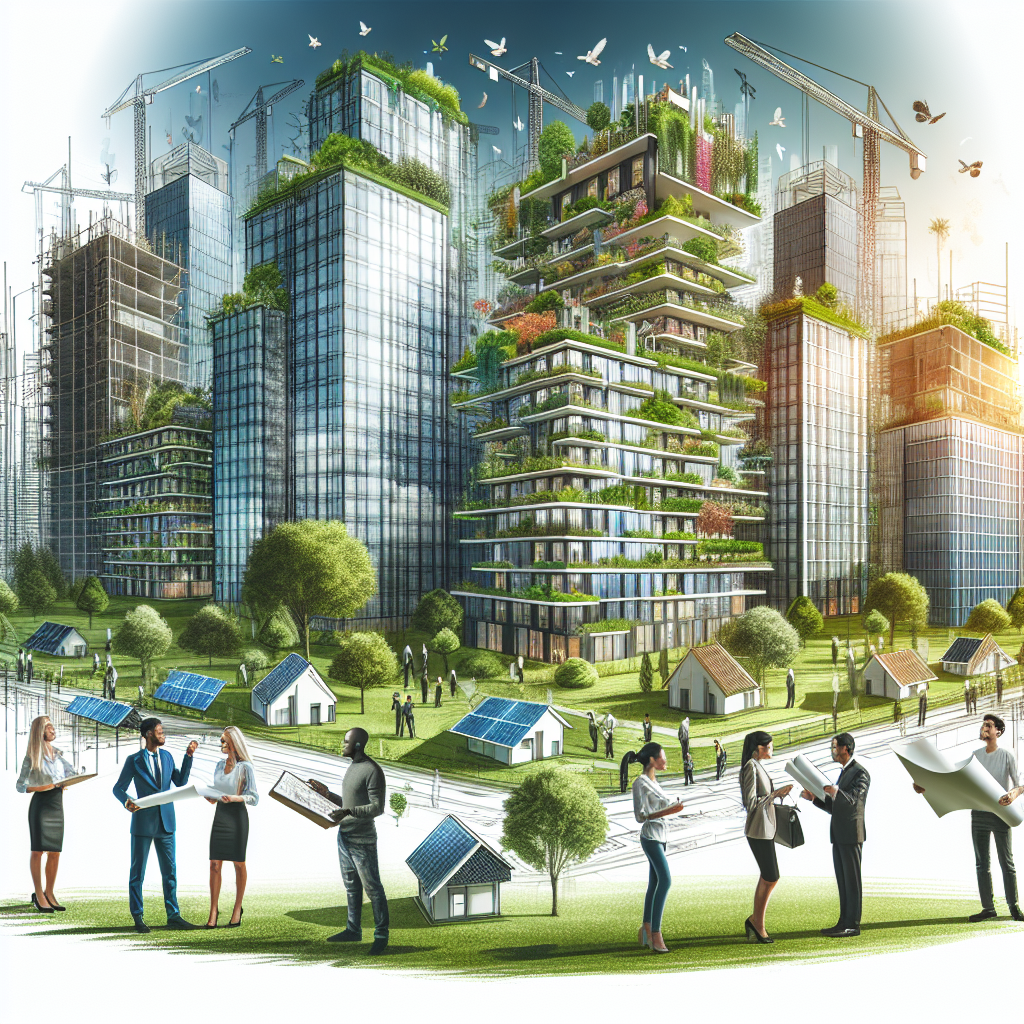
Beyond individual properties, the concept of sustainable urban planning is gaining traction. Urban planners are increasingly adopting strategies that focus on reducing environmental impact and enhancing the quality of life for residents. This includes the development of mixed-use neighborhoods, promotion of public transit, and the incorporation of green spaces and pedestrian-friendly pathways. These initiatives not only contribute to the health and well-being of inhabitants but also create vibrant, resilient communities that can better withstand environmental challenges.
The Economic Impact of Sustainable Real Estate
The economic implications of sustainability in real estate are multifaceted and significant. Environmentally sustainable practices can lead to cost savings for both homeowners and developers. For instance, energy-efficient homes reduce utility bills, making them attractive to cost-conscious buyers. These savings can be substantial over time, translating to a higher perceived value and increased demand for such properties.
On a larger scale, sustainable developments often benefit from various government incentives and subsidies. Policies promoting energy efficiency and green building practices can result in financial advantages for developers, encouraging them to incorporate sustainability into their projects. Furthermore, properties with sustainable features may qualify for lower insurance premiums, as they are often perceived as less risky due to their resilience against environmental threats.
Another economic aspect to consider is the impact on property values. Studies have shown that homes with sustainable features tend to appreciate at a faster rate than traditional homes. Buyers are willing to pay a premium for properties that offer long-term savings and align with their values of environmental stewardship. This trend is not limited to residential properties; commercial real estate also benefits from increased tenant demand for sustainable office spaces, which can command higher rental rates and lower vacancy rates.
Technological Advancements Driving Sustainable Developments
Technological innovation is a key driver of the shift towards sustainability in the housing market. Advances in renewable energy, smart home technology, and sustainable construction materials are revolutionizing the way properties are built and operated. For instance, solar power systems have become more affordable and efficient, enabling homeowners to reduce their reliance on traditional energy sources. This not only lowers energy costs but also supports global efforts to reduce greenhouse gas emissions.
Smart home technology is another significant development in this arena. Smart thermostats, energy-efficient lighting, and integrated home automation systems allow residents to monitor and control their energy usage more effectively. These technologies contribute to lower energy consumption and increased efficiency, aligning with the principles of sustainability.
In the realm of construction, sustainable building materials are gaining popularity. Innovations such as recycled steel, bamboo, and rammed earth provide eco-friendly alternatives to traditional materials like concrete and wood. These materials not only reduce waste and environmental degradation but also offer unique aesthetic qualities that appeal to modern buyers.
Furthermore, green building certifications, such as LEED (Leadership in Energy and Environmental Design), are setting new standards for sustainable construction. Properties that achieve such certifications are recognized for their environmental performance, which can enhance their marketability and value.
Consumer Preferences and Market Demand
Consumer preferences play a critical role in shaping the housing market. As awareness of environmental issues grows, so does the demand for sustainable housing options. Today’s buyers, particularly millennials and younger generations, prioritize sustainability and are more likely to choose homes that reflect their eco-conscious values. This demographic shift is driving developers to incorporate green features into their projects to meet market demand.
The appeal of sustainable properties extends beyond just environmental concerns. Health and wellness are also significant factors for buyers. Homes with sustainable design often promote better indoor air quality through the use of non-toxic materials and improved ventilation systems. Access to green spaces and recreational areas further enhances the health benefits, making sustainable homes attractive to health-conscious consumers.
In addition, the sense of community fostered by sustainable developments cannot be overlooked. Mixed-use neighborhoods that integrate residential, commercial, and recreational spaces encourage social interaction and create a sense of belonging. This community-oriented approach is highly appealing to buyers seeking a balanced and fulfilling lifestyle.
The strength of this consumer-driven trend is evident in the increasing number of sustainable housing developments and the premium prices these properties command. Real estate stakeholders who recognize and adapt to this shift are better positioned to thrive in the evolving market landscape.
Challenges and Barriers to Sustainable Real Estate
Despite the growing popularity of sustainable real estate, several challenges and barriers remain. One of the primary obstacles is the higher initial cost associated with incorporating green technologies and sustainable materials. While these investments often lead to long-term savings, the upfront expense can be a deterrent for developers and buyers alike.
Lack of awareness and understanding of sustainable practices is another significant barrier. Educating consumers, developers, and policymakers about the benefits and importance of sustainability is crucial for broader adoption. Misconceptions about the cost and feasibility of green technologies can hinder progress and limit market growth.
Regulatory and legislative frameworks also play a critical role in shaping the adoption of sustainable practices in real estate. Inconsistent regulations and lack of incentives can create challenges for developers seeking to implement green initiatives. Streamlining policies and providing clear guidelines can facilitate the integration of sustainability into the housing market.
Lastly, retrofitting existing properties to meet sustainable standards poses a unique challenge. Older buildings often require significant modifications to improve energy efficiency and reduce environmental impact. Finding cost-effective solutions for retrofitting can be complex but is essential for achieving broader sustainability goals.
Future Directions and Innovations
The future of sustainable real estate holds promise for continued innovation and development. Emerging trends such as net-zero energy buildings, green roofs, and urban agriculture are pushing the boundaries of what is possible in sustainable housing. These advancements not only reduce environmental impact but also enhance the living experience for residents.
Net-zero energy buildings, which produce as much energy as they consume, are at the forefront of sustainable construction. Through the integration of renewable energy sources, advanced insulation, and energy-efficient systems, these buildings offer a blueprint for the future of housing. While achieving net-zero energy status can be complex, advancements in technology and building practices are making it increasingly attainable.
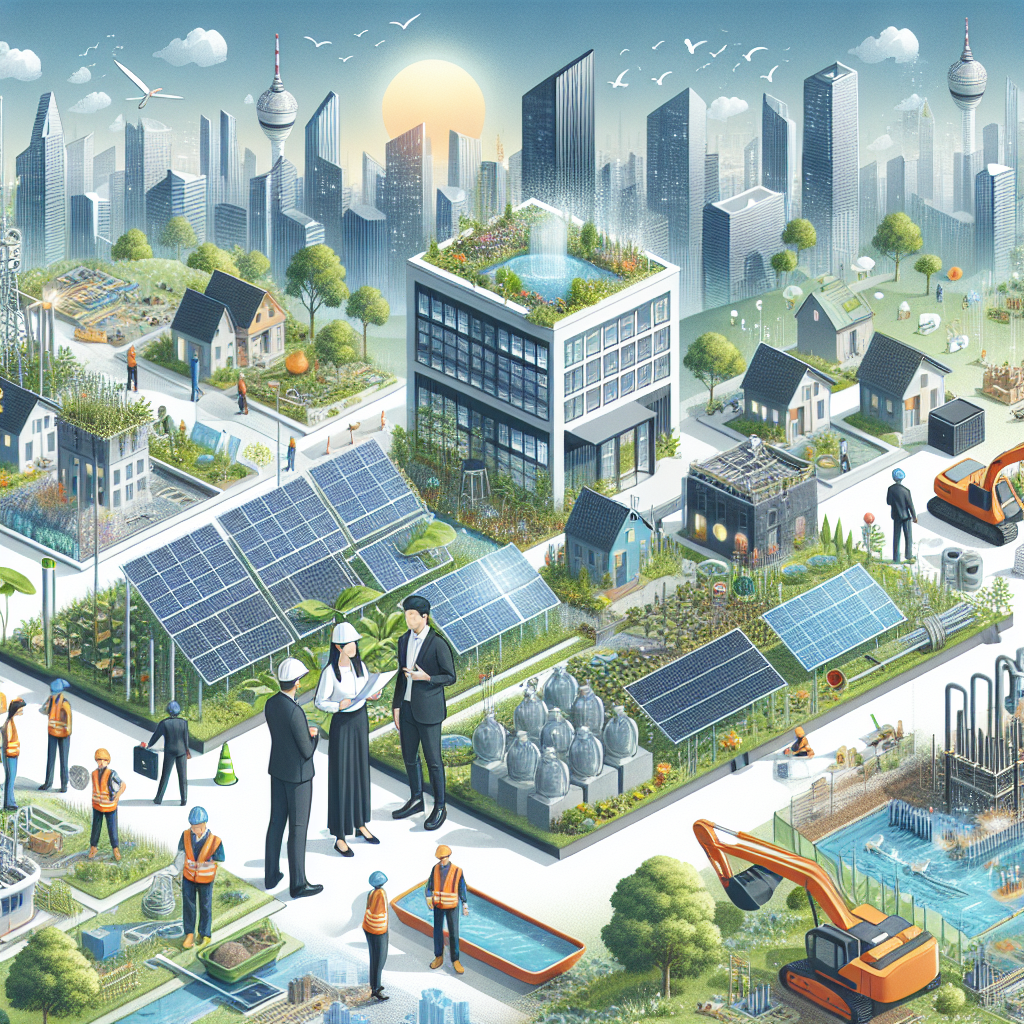
Green roofs and urban agriculture are other innovative approaches gaining traction. By incorporating vegetation and food production into urban environments, these practices contribute to biodiversity, reduce heat islands, and provide local food sources. The aesthetic and health benefits of green spaces further enhance their appeal to residents.
Looking ahead, the role of data and smart technology will become even more critical. Sensors and data analytics can provide real-time insights into energy usage and environmental impact, enabling more efficient and sustainable building management. As these technologies evolve, they will offer new opportunities for optimizing sustainability in the housing market.
The focus on sustainability in real estate is not a passing trend. As global awareness of environmental issues continues to grow, the demand for green housing options will only increase. By embracing innovative solutions and addressing the challenges, the real estate industry can play a pivotal role in shaping a sustainable future.
Conclusion
The influence of environmental sustainability on the real estate market is profound and far-reaching. From economic advantages and consumer preferences to technological advancements and innovative practices, the drive towards sustainability is reshaping the way we approach housing and urban planning. The integration of green technologies, sustainable materials, and eco-friendly design principles is not only enhancing property values and meeting market demand but also contributing to broader environmental goals.
While challenges remain, the continued focus on education, policy development, and technological innovation will play a crucial role in overcoming these barriers. As the industry navigates this transition, collaboration among developers, policymakers, and consumers will be essential. By working together, we can create resilient communities that offer a higher quality of life while reducing environmental impact.
The real estate market’s shift towards sustainability is more than just a trend; it is a necessary evolution driven by the urgent need to address climate change and resource depletion. As we look to the future, the commitment to sustainable practices will define the success and relevance of real estate developments. Embracing this change is not only beneficial for the planet but also for the economic and social well-being of communities worldwide.
Ultimately, the influence of environmental sustainability on real estate signifies a positive and transformative shift that aligns with global sustainability goals. By prioritizing green initiatives and promoting eco-friendly developments, the housing market can lead the way in fostering a sustainable and prosperous future for all.
Frequently Asked Questions
1. What is environmental sustainability in the context of the real estate market?
Environmental sustainability in real estate refers to the integration of eco-friendly practices in the development, construction, operation, and maintenance of properties. This encompasses a wide range of initiatives, from using sustainable materials and implementing energy-efficient systems (such as solar panels and high-efficiency HVAC systems) to promoting sustainable urban development practices like green roofs and rainwater harvesting. The goal is to reduce the carbon footprint of real estate projects, conserve natural resources, and support environmental health—ultimately contributing to the fight against climate change and resource depletion.
Sustainable real estate often involves designing buildings to meet specific environmental standards such as LEED (Leadership in Energy and Environmental Design) or other local green building certifications. These standards evaluate and guide various aspects of construction and building operation, including energy performance, water efficiency, indoor environmental quality, and the building’s overall impact on its surroundings. By adhering to these principles, the real estate industry aims to create healthier living spaces that also drive long-term economic benefits and social well-being.
2. How is environmental sustainability influencing property values?
Properties that embrace environmental sustainability are often more appealing to today’s eco-conscious buyers, which consequently impacts property values positively. Recent studies indicate that green-certified homes tend to sell faster and at a higher price compared to non-certified counterparts. Energy-efficient homes reduce utility costs significantly, making them more attractive to buyers looking for long-term savings. Moreover, the growing awareness and importance of sustainability in consumer preferences are influencing demand, thus increasing the value of sustainably designed properties.
Additionally, future-proofing properties through sustainable practices shields them against potential regulatory penalties related to environmental compliance. Government regulations are becoming increasingly rigorous regarding energy efficiency and carbon emissions; therefore, a property that is already compliant with these standards may retain or even increase its value over time as regulations tighten.
3. What benefits do developers see from adopting sustainable building practices?
For developers, incorporating environmental sustainability into construction projects can lead to reduced operating costs, attractive financing options, and enhanced marketability. By utilizing energy-efficient technologies and sustainable materials, developers can significantly reduce the operational and maintenance costs of properties, thereby offering more affordable living or business premises to tenants and reducing overall environmental impact.
Financially, many governments and financial institutions offer incentives such as tax credits, grants, or favorable loans to encourage sustainable building practices. These incentives can offset some of the initial costs associated with sustainable development, making it more financially viable. Moreover, by aligning with rising consumer demand for sustainability, developers can differentiate their offerings in the market, leading to higher occupancy rates and leasing terms as well as increased buyer interest.
4. How do environmental sustainability practices affect urban planning?
Urban planning has been significantly shaped by the integration of environmental sustainability principles, resulting in the creation of greener and more resilient urban environments. Key initiatives include the strategic placement and design of public transport networks to reduce reliance on cars, the development of pedestrian-friendly infrastructure, and the provision of abundant green spaces like parks and community gardens.
These sustainable planning practices not only contribute to healthier, more livable cities but also address broader social equity issues by making sustainable living options more accessible to a wider population. For instance, urban planners are increasingly focusing on transit-oriented development (TOD), which concentrates high-density development around transit nodes, reducing the need for extensive car travel and supporting commercial and residential growth around existing or enhanced transportation infrastructure. When properly integrated, these practices can transform urban areas into dynamic, sustainable communities that improve both the environment and quality of life.
5. What challenges does the real estate industry face in moving towards sustainability?
Despite the clear benefits and trends towards sustainability, the real estate industry faces several challenges, primarily in the form of upfront investment costs, stakeholder buy-in, and regulatory complexities. Sustainable building practices often require increased initial capital investment for the incorporation of advanced technologies and sustainable materials, which can be a barrier for developers, particularly those not yet familiar with long-term cost-benefit analyses.
Furthermore, aligning all stakeholders, including developers, investors, tenants, and regulatory bodies, towards a common sustainability goal can be challenging. Differing priorities and a lack of understanding about sustainability benefits can create resistance to change. Overcoming these barriers requires improving education and awareness about sustainability and its economic advantages both in the short and long term. Additionally, navigating the complex landscape of regulations and securing necessary certifications can be daunting for developers who are new to sustainable building practices. It’s crucial for industry leaders to continuously advocate for streamlined processes and clearer guidelines to facilitate sustainable development.