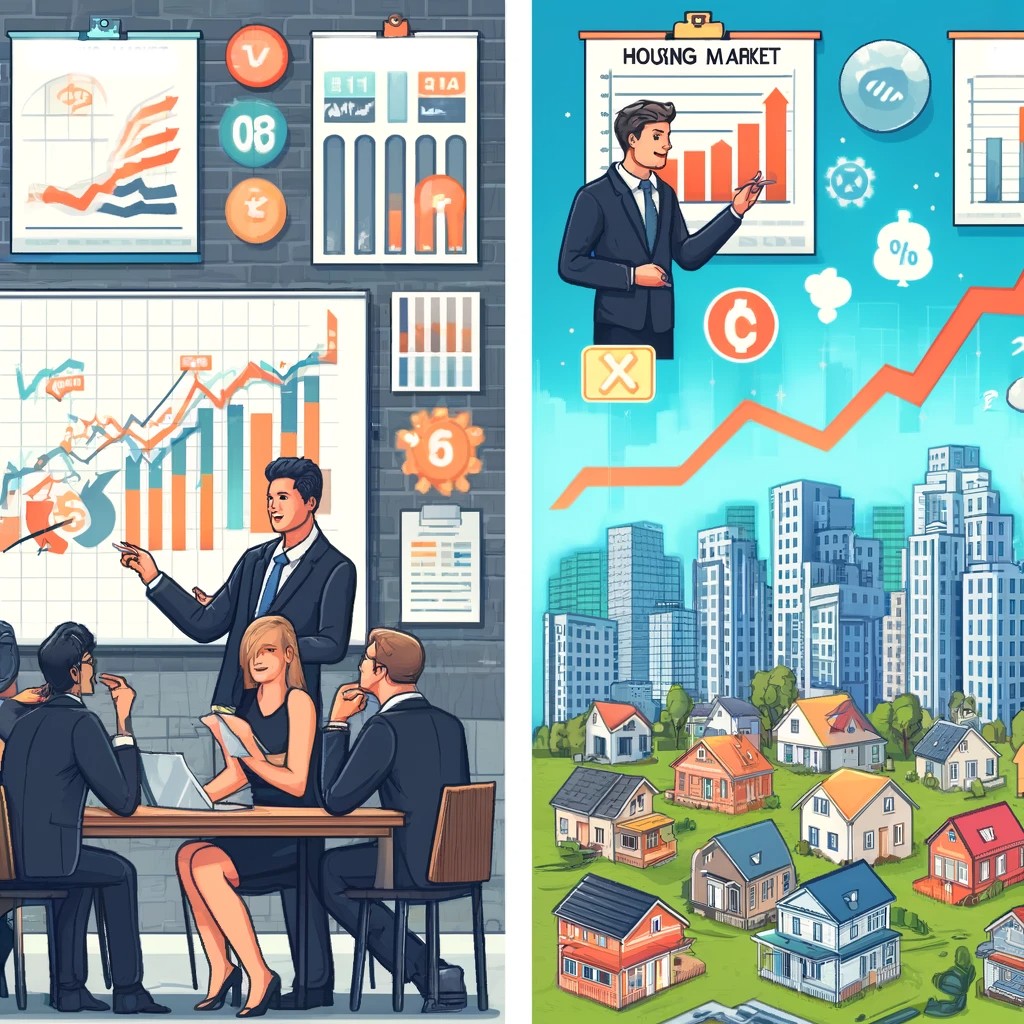
The housing market is constantly evolving, influenced by shifts in demographics, economic factors, and technological advancements. As we look toward the future, it’s essential to understand the emerging trends that are likely to shape the way we live, buy, and sell homes. From sustainable building practices to smart home technology, the future of housing promises to be both innovative and responsive to the changing needs of society.
Demographic Shifts and Their Impact
One of the most significant factors influencing the future of housing is demographic change. As populations age, urbanize, and diversify, the demand for different types of housing is shifting.
- Aging Population: The global population is aging, and this trend is expected to continue. Baby boomers are looking for homes that offer more accessibility, single-level living, and proximity to healthcare and amenities. This shift is driving demand for retirement communities, assisted living facilities, and adaptable housing that can accommodate the needs of older adults.
- Millennial and Gen Z Buyers: Millennials and Gen Z are now becoming the dominant force in the housing market. These generations prioritize different values than previous generations, such as sustainability, connectivity, and flexibility. They are more likely to seek out urban living, mixed-use developments, and homes with technological integrations like smart home systems.
- Urbanization: The continued trend toward urbanization is increasing the demand for housing in cities. However, this also comes with challenges like affordability and availability of space. Micro-apartments, co-living spaces, and innovative urban planning solutions are emerging to address these issues.
Technology and Innovation in Housing
Technology is transforming the housing market in unprecedented ways, from the way homes are built to how they are bought and sold.
- Smart Homes: The integration of smart technology in homes is becoming increasingly common. Future homes are expected to have more advanced systems that control lighting, heating, security, and entertainment through AI and IoT devices. These homes will offer more convenience, energy efficiency, and security.
- 3D Printing and Prefabrication: Advances in 3D printing and prefabrication technology are revolutionizing construction. These methods can reduce building costs, waste, and construction time, making housing more affordable and accessible. We are likely to see an increase in modular homes and 3D-printed structures in the coming years.
- Virtual Reality and AI in Real Estate: The use of virtual reality (VR) and artificial intelligence (AI) is changing how people buy homes. Virtual tours, AI-powered property recommendations, and predictive analytics are making the home buying process more efficient and personalized.

Sustainable and Eco-Friendly Housing
As environmental concerns grow, there is a rising demand for sustainable and eco-friendly housing. Homebuyers are increasingly seeking out homes that reduce their carbon footprint and promote a healthier lifestyle.
- Green Building Standards: Future homes will likely adhere to stricter green building standards, such as LEED certification or Passive House principles. These homes are designed to be energy-efficient, use sustainable materials, and minimize environmental impact.
- Renewable Energy Integration: Solar panels, wind turbines, and other renewable energy sources are becoming more common in residential areas. Future housing developments may also incorporate community energy solutions, where neighborhoods share renewable energy resources.
- Water Conservation and Waste Management: As water scarcity becomes a more pressing issue, homes of the future will likely include advanced water conservation technologies, such as greywater recycling systems and smart irrigation. Improved waste management systems, including composting and recycling programs, will also be integral to sustainable living.
The Rise of Remote Work and Its Impact on Housing
The COVID-19 pandemic has accelerated the shift towards remote work, which is expected to have a lasting impact on housing trends.
- Suburban and Rural Living: With more people working from home, there has been a shift away from urban centers to suburban and rural areas. Homebuyers are seeking larger homes with dedicated office spaces, outdoor areas, and room for home-based activities.
- Flexible Living Spaces: The future of housing will likely include more flexible living spaces that can be easily adapted to serve multiple purposes. This includes home offices, multipurpose rooms, and spaces that can accommodate changing family dynamics.
- Co-Working and Co-Living: The concepts of co-working and co-living are also gaining traction. These spaces offer shared living and working environments, often with a focus on community and collaboration. They are particularly appealing to younger generations and digital nomads who value flexibility and social interaction.
Economic Factors and Housing Affordability
Economic trends and policies will continue to play a crucial role in shaping the housing market. Housing affordability remains a significant concern, especially in urban areas.
- Interest Rates and Mortgage Policies: The future of housing will be influenced by changes in interest rates and mortgage policies. Low interest rates have made homeownership more accessible, but rising rates could slow down the market. Government policies aimed at improving housing affordability, such as subsidies and tax incentives, will also be critical.
- Affordable Housing Initiatives: There is a growing need for affordable housing solutions, particularly in high-demand areas. Future developments may include more affordable housing units, inclusionary zoning policies, and public-private partnerships aimed at creating mixed-income communities.
- Economic Inequality: As economic inequality persists, the housing market may see a greater divide between luxury and affordable housing. This could lead to increased demand for affordable housing options, as well as innovative solutions to address homelessness and housing insecurity.
The Role of Urban Planning and Policy
Urban planning and policy decisions will continue to shape the future of housing, influencing everything from zoning laws to infrastructure development.
- Smart Cities and Infrastructure: The concept of smart cities is gaining momentum, with a focus on integrating technology and data to improve urban living. Future housing developments will be part of these smart cities, featuring advanced infrastructure, transportation systems, and sustainable urban planning.
- Zoning and Land Use: Changes in zoning and land use policies will impact housing availability and affordability. There may be a shift toward more mixed-use developments, higher-density housing, and the repurposing of underutilized spaces, such as vacant commercial buildings, for residential use.
- Public Transportation and Connectivity: The future of housing will be closely tied to the availability and quality of public transportation. Developments near transit hubs will be in high demand, as people prioritize accessibility and reduce reliance on personal vehicles.
Cultural and Social Trends Influencing Housing
Cultural and social trends are also shaping the future of housing, as people’s values and lifestyles evolve.
- Multi-Generational Living: The concept of multi-generational living is becoming more popular as families seek to stay connected and share resources. Future homes may be designed with separate living quarters or adaptable spaces to accommodate multiple generations under one roof.
- Health and Wellness: The importance of health and wellness is increasingly influencing housing design. Homes that promote well-being through natural light, ventilation, and access to green spaces will be highly sought after. Wellness communities that offer holistic living experiences are also on the rise.
- Community-Oriented Living: There is a growing desire for community-oriented living environments, where residents can connect and collaborate. This trend is leading to the development of more communal spaces, shared amenities, and neighborhoods designed to foster social interaction.
Conclusion
The future of housing is set to be dynamic, driven by a combination of technological advancements, demographic shifts, economic factors, and evolving cultural values. As these trends unfold, the housing market will continue to adapt, offering new opportunities and challenges for homeowners, developers, and policymakers alike. Whether it’s through smart home technology, sustainable building practices, or innovative urban planning, the future of housing promises to be more connected, sustainable, and responsive to the needs of society.
Frequently Asked Questions
1. What are the key emerging trends in the future of housing?
With the constant evolution in the housing market, several key trends are poised to redefine how we think about homes. One primary trend is the increasing demand for sustainable and eco-friendly construction practices. Builders and developers are focusing more on using renewable resources and energy-efficient designs to minimize environmental impact and reduce carbon footprints. Another major trend is the rise of smart home technology, which integrates devices like security systems, lighting, and thermostats with smartphones and voice assistants, creating homes that are not only more convenient but also energy-efficient and secure.
Additionally, there’s a growing interest in multi-functional living spaces, especially as homes double as workspaces post-pandemic. Many homeowners are looking for designs that offer flexibility to accommodate remote work, entertainment, and traditional living. Furthermore, urban and suburban areas are witnessing a shift towards compact living and co-housing to combat rising property costs and the scarcity of space in densely populated locations.
2. How are demographic shifts influencing housing trends?
Our society’s demographic landscape is changing, and with it, the housing market adapts to meet new demands. Millennials, having become the largest group of homebuyers, are influencing trends by prioritizing homes that offer smart technology, proximity to cities, and sustainable features. On the other hand, the aging Baby Boomer population is driving demand for accessible, single-story homes that accommodate reduced mobility, along with features that can support aging in place solutions.
Additionally, the rapid pace of urbanization is prompting a reassessment of living spaces, with more people gravitating towards mixed-use developments that offer residential spaces in close proximity to work, shopping, and leisure activities. This trend supports a lifestyle with less dependency on automobiles and underscores the importance of public transportation in urban planning.
3. What role does technology play in the future of housing?
Technology is pivotal in steering the housing market towards a more advanced and efficient future. Smart home technology is leading the charge, providing homeowners with systems that help manage energy use, enhance security, and offer convenience through interconnected devices. Smart thermostats, lighting systems, and security cameras are becoming standard in new homes, allowing for not only enhanced living experiences but also significant cost savings on energy bills.
Additionally, technological innovations like 3D printing and modular construction techniques are changing the way homes are built, resulting in faster construction times and reduced labor costs. Technology is also facilitating improved home-buying experiences through virtual reality tours, blockchain for secure transactions, and AI-driven analytics that better match buyers with properties.
4. What is the future outlook for sustainable housing practices?
As the world addresses climate change and environmental sustainability becomes a priority, sustainable housing practices are expected to gain significant traction. In the future, we can anticipate a more widespread adoption of green building materials, such as recycled steel and timber, to construct homes that promote sustainability and energy efficiency. The development of net-zero homes, which generate as much energy as they consume through renewable resources like solar panels, will likely play a prominent role in housing strategies.
Moreover, innovations in sustainable urban planning will focus on water conservation, waste reduction, and the integration of green spaces within urban environments. Policies promoting these practices will likely be reinforced by government incentives or regulations to adhere to environmental standards, encouraging both builders and homeowners to prioritize eco-friendly living options.
5. How will economic factors shape the housing market of the future?
Economic stability and policy will invariably impact the housing market’s direction and evolution. Interest rates are a critical economic factor affecting housing affordability and mortgage accessibility. Lower interest rates can spur housing market activity by making loans cheaper, thus enabling more individuals to become homeowners. Conversely, rising rates could challenge affordability and potentially slow the market.
Economic policies that cultivate job growth and income stability will also influence housing demand, as a stable or increasing income provides potential homeowners with the means to invest in property. In global cities, the influx of foreign investments can buoy housing prices, though it often leads to challenges like affordability and gentrification. Additionally, governmental policies and economic incentives are likely to play significant roles in promoting affordable housing solutions and enabling diversified housing options to meet varied income levels.