
Housing markets are dynamic systems, continuously influenced by a multitude of factors. One such significant factor is global migration. As people move across borders to seek new opportunities, escape conflicts, or reunite with families, they inevitably impact the housing markets of their new destinations. In this article, we dive deep into the effects of global migration on local housing markets, exploring how this phenomenon reshapes urban landscapes, affects housing affordability, and creates both challenges and opportunities for policymakers, investors, and residents.
Introduction: Understanding Global Migration
Global migration is not a new phenomenon; it’s as old as human civilization. However, in recent decades, the scale and scope of migration have significantly increased. According to the United Nations, there were an estimated 281 million international migrants worldwide in 2020, accounting for 3.6% of the global population. This movement of people is driven by various factors, including economic opportunities, political instability, environmental changes, and social networks.
As migrants settle in new locales, they bring with them a myriad of needs that directly impact housing markets. The demand for housing skyrockets, often outpacing the supply and leading to increased property prices and rents. Moreover, migrants contribute to the local economies and cultural landscapes, creating diverse and vibrant communities. This introductory section will set the stage for our deeper dive into the nuances of how global migration affects housing markets.
Economic Contributions of Migrants
Migrants often come with the promise of economic contributions. Whether they’re filling labor shortages, starting new businesses, or bringing in new skills, their presence can boost local economies. This in turn can create a ripple effect on the housing market. Areas with high concentrations of immigrants often see increased demand for both rental and owner-occupied housing. This rise in demand can lead to the revitalization of previously neglected neighborhoods, prompting new developments and renovations.
Cultural and Social Implications
Beyond economics, migrants enrich the cultural fabric of their new homes. They bring diverse perspectives, traditions, and lifestyles that can reshape communities. This cultural infusion can make neighborhoods more attractive, driving up property values. However, it’s essential to balance these benefits with the potential challenges, such as overcrowding, strain on public services, and social tensions. Understanding these dynamics is key to comprehending the broader impact of migration on housing markets.
The Demand Surge
The arrival of migrants often results in an immediate surge in demand for housing. This heightened demand stems from various needs: temporary accommodation upon arrival, rental housing for those settling in, and eventually, the purchase of homes for long-term stability. Each of these stages exerts different pressures on the housing market.
In cities that are already experiencing housing shortages, this influx can exacerbate the problem. Property prices and rents can skyrocket, pushing affordability out of reach for both new migrants and existing residents. For example, in cities like New York, London, and Sydney, which are popular migration destinations, the housing markets have become incredibly competitive. This competitiveness often leads to gentrification, pushing lower-income residents to the city’s outskirts or altogether different areas.
The impact varies depending on the type of migration and the socio-economic status of the migrants. High-skilled workers might demand high-end apartments and homes, contributing to upscale developments. On the other hand, low-skilled workers or refugees might find themselves in overcrowded, substandard housing due to limited resources and options.
Government and Policy Responses
Governments play a pivotal role in managing the housing demand surge caused by migration. Effective policies can alleviate some of the pressures on housing markets. For instance, increasing the supply of affordable housing, offering rent subsidies, or implementing zoning regulations to encourage development in underutilized areas can help balance the market.
Some cities have been proactive in addressing these challenges. For example, Berlin has implemented rent controls to keep housing affordable. Similarly, Vancouver has introduced a tax on vacant properties to encourage the more efficient use of existing housing stock. These measures can help stabilize the market and ensure that housing remains accessible to all residents.
Impact on Housing Affordability
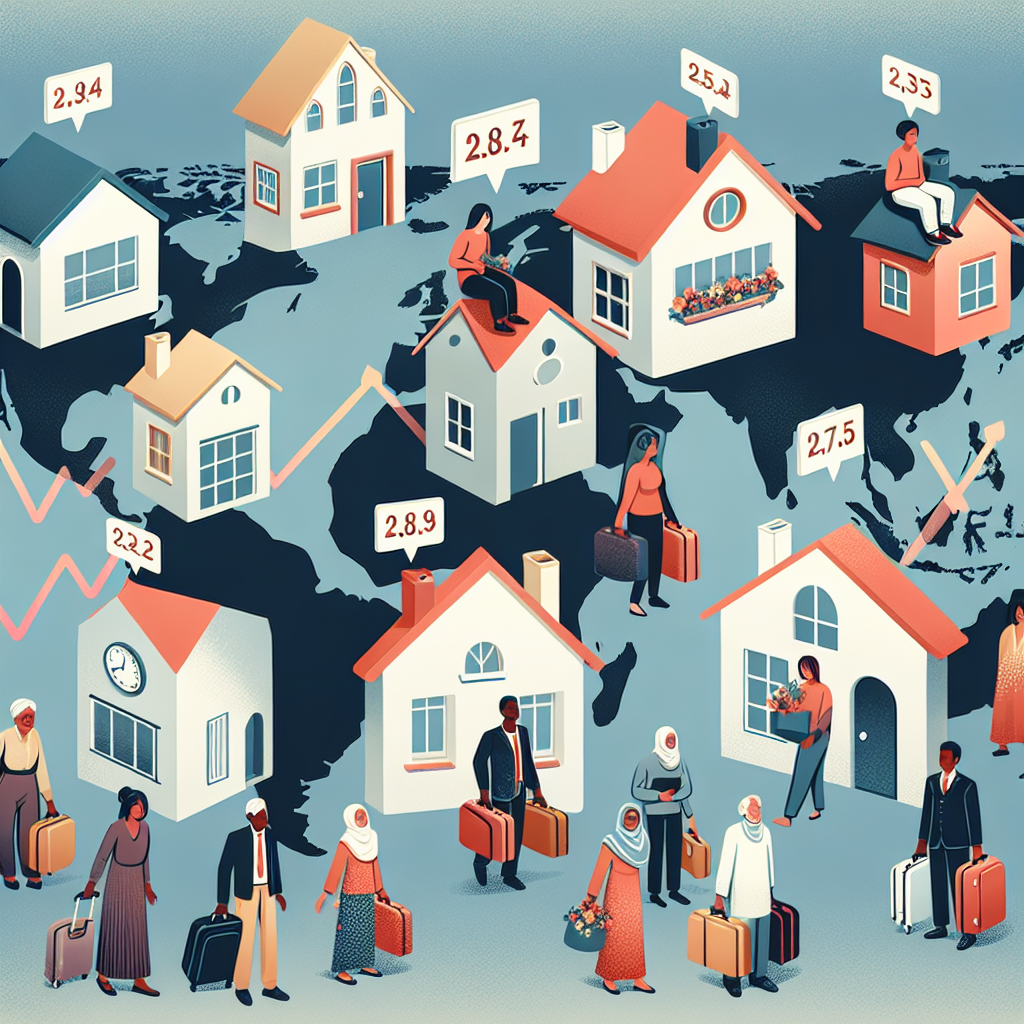
The surge in housing demand often leads to increased property prices and rents, affecting housing affordability. This can lead to a phenomenon known as “displacement,” where existing residents are priced out of their neighborhoods. Displacement can have profound social and economic consequences, affecting the diversity and cohesiveness of communities.
Migrants, particularly those with lower incomes, can find themselves struggling to find affordable housing. This is especially true in urban centers where housing costs are already high. As a result, they may be forced to live in substandard conditions or in overcrowded housing units. Moreover, the financial strain of high housing costs can limit migrants’ ability to invest in other areas of their lives, such as education, healthcare, and business opportunities.
Long-Term Impacts on Local Economies
While the immediate impact of migration on housing affordability can be challenging, the long-term effects on local economies can be more nuanced. In the long run, migrants often contribute significantly to economic growth and dynamism. They start businesses, create jobs, and pay taxes, all of which can benefit the local economy.
However, to harness these benefits, it’s crucial to address the affordability issue. Ensuring that migrants have access to affordable housing can help them settle and integrate more effectively, allowing them to contribute more fully to the local economy. Policymakers need to strike a balance between encouraging economic growth and ensuring that housing remains accessible to all residents.
The Role of Urban Planning
Urban planning plays a critical role in managing the impact of global migration on local housing markets. Effective urban planning can help create inclusive, sustainable communities that accommodate the needs of both new migrants and existing residents.
One key aspect of urban planning is land-use regulation. Proper zoning can ensure that there is an adequate supply of affordable housing, preventing the market from becoming overly saturated with high-end developments. Additionally, mixed-use developments that combine residential, commercial, and recreational spaces can create vibrant, diverse neighborhoods that attract a variety of residents.
Another important consideration is infrastructure development. As the population grows due to migration, so does the need for public services and amenities such as schools, healthcare facilities, and public transportation. Urban planners must ensure that these services are adequately provided to serve the growing population effectively.
Community Involvement and Participation
Involving the community in planning decisions can lead to more sustainable and inclusive outcomes. Engaging residents, including migrants, in the planning process can help identify their needs and preferences, leading to more effective and responsive policies.
Participatory planning processes can also help build social cohesion and reduce tensions between new and existing residents. By fostering dialogue and collaboration, communities can work together to create solutions that benefit everyone, ensuring that the positive impacts of migration are maximized while mitigating potential challenges.
Opportunities for Investors and Developers
The impact of global migration on local housing markets also presents opportunities for investors and developers. As migration drives demand for housing, there is potential for profitable investments in residential real estate. However, it is essential to approach these opportunities thoughtfully and ethically.
Investors and developers can benefit from understanding the specific needs and preferences of migrant populations. For example, family-friendly housing developments may be more attractive to migrants with children, while affordable, smaller units may appeal to young, single migrants. Tailoring developments to meet these needs can lead to higher occupancy rates and more stable returns on investment.
Moreover, adopting sustainable and inclusive development practices can enhance the long-term value of properties. Green building practices, energy-efficient designs, and community-oriented amenities can make developments more attractive to a broader range of residents, including migrants. Additionally, ethical investment practices, such as avoiding displacement and gentrification, can help build positive community relations and ensure long-term success.
Navigating Regulatory and Market Challenges
Investors and developers must also navigate regulatory and market challenges. Understanding local housing policies, zoning regulations, and market conditions is crucial for making informed investment decisions. Engaging with local authorities, community organizations, and residents can provide valuable insights and help mitigate risks.
Collaborating with stakeholders can also lead to innovative solutions that address the housing needs of migrant populations while benefiting the broader community. For example, public-private partnerships can leverage resources and expertise to develop affordable housing projects, addressing both market demand and social needs.
Case Studies and Examples
Examining case studies and examples of cities that have successfully managed the impact of global migration on their housing markets can provide valuable insights and lessons. These examples can highlight effective strategies and potential pitfalls, guiding policymakers, investors, and urban planners in their efforts to create inclusive, sustainable communities.
Case Study: Toronto, Canada
Toronto is one of the most diverse cities in the world, with nearly half of its population born outside of Canada. The city has implemented several strategies to address the housing needs of its diverse population. These include investing in affordable housing projects, promoting mixed-use developments, and implementing rental control measures.
Toronto’s approach to urban planning has also focused on creating inclusive communities. The city has invested in public services and amenities, such as schools, healthcare facilities, and public transportation, to ensure that all residents have access to essential services. Additionally, Toronto has engaged the community in planning decisions, fostering dialogue and collaboration among residents, including migrants.
Case Study: Berlin, Germany
Berlin has also faced the challenges and opportunities of global migration. The city has implemented rent controls to address housing affordability and prevent displacement. Berlin has also promoted the development of affordable housing projects and revitalized neglected neighborhoods through public-private partnerships.
Berlin’s approach to urban planning has emphasized sustainability and inclusivity. The city has invested in green building practices, energy-efficient designs, and community-oriented amenities. Additionally, Berlin has engaged residents, including migrants, in planning processes, ensuring that their needs and preferences are considered in policy decisions.
Lessons Learned
These case studies highlight the importance of a multifaceted approach to managing the impact of global migration on local housing markets. Effective strategies include investing in affordable housing, promoting mixed-use developments, implementing rental controls, and involving the community in planning decisions. Additionally, focusing on sustainability and inclusivity can enhance the long-term success of housing projects and create vibrant, diverse communities.
Conclusion: Navigating the Future of Housing Markets
Global migration will continue to shape local housing markets in the years to come. As people move across borders in search of new opportunities, it is essential to understand and address the impacts of this phenomenon. By adopting effective policies, engaging with communities, and leveraging the expertise of investors and developers, we can create inclusive, sustainable housing solutions that benefit all residents.
Addressing the challenges and opportunities of global migration requires a collaborative effort. Policymakers, urban planners, investors, and community organizations must work together to balance housing demand with affordability, ensuring that all residents have access to safe, adequate housing. By learning from successful examples and implementing innovative solutions, we can navigate the complexities of global migration and create vibrant, thriving communities.
As we move forward, it is crucial to remain adaptable and responsive to the evolving needs of our communities. Global migration is a dynamic and multifaceted phenomenon, and its impact on housing markets will continue to change over time. By staying informed, engaging in dialogue, and adopting best practices, we can ensure that our housing markets are resilient and inclusive, meeting the needs of all residents, both new and established.
Frequently Asked Questions
1. How does global migration impact local housing markets?
Global migration is a significant driver in transforming local housing markets. When people migrate, they carry with them a demand for housing in their new destinations. This influx increases competition for available homes, which can lead to a surge in property prices and rental costs, especially in urban areas. New migrants often settle in cities where job opportunities are more abundant, exacerbating demand in already densely populated areas. This heightened demand can make it difficult for both locals and new migrants to find affordable housing, leading to potential housing crises in extreme cases. Over time, these changes contribute to a shift in the urban landscape as neighborhoods grow denser and sometimes see a transformation in their socio-economic demographics.
2. Why do migrants tend to impact urban housing markets more than rural ones?
Migrants typically gravitate towards urban locations due to better access to jobs, education, social services, and existing networks of people from their home countries or regions. Urban areas offer a variety of employment opportunities, particularly in industries that rely on diverse skill sets that migrants often provide. These cities often have robust transportation systems and amenities that appeal to newcomers looking to establish themselves in a new environment. Consequently, the concentration of migration in urban centers stretches housing resources more so than in rural markets, which usually fare differently. In rural areas where jobs are scarce and infrastructure is less developed, migrant interest is significantly lower, thus impacting those housing markets to a much lesser degree.
3. Can global migration lead to the development of specific immigrant neighborhoods?
Yes, global migration can lead to the formation of neighborhoods predominantly inhabited by specific immigrant communities. These areas often develop due to the need for new arrivals to settle among familiar faces, cultural practices, and languages. Such concentration can act as a support network providing assistance to newly arrived immigrants in terms of finding jobs, learning the local language, or understanding the new culture. These neighborhoods often become vibrant centers of cultural exchange and economic activity, sometimes known as ethnic enclaves, and can influence the types of businesses and community services available. However, they can also sometimes contribute to segregation, unless there are concerted efforts to integrate diverse groups into wider city life.
4. How does global migration affect housing affordability?
Migrants increase the demand for housing, often in areas where supply cannot keep up, leading to rising prices and rents. In markets with limited housing stock or slow construction rates, this can drive up housing costs significantly, affecting overall affordability. This is particularly challenging for low to moderate-income families who may find themselves priced out of the market. Efforts to mitigate these effects include increasing housing supply through new construction, reforming zoning laws to allow for more multi-family units, and investing in affordable housing initiatives. Policymakers and city planners need to carefully manage these dynamics to ensure that local residents, particularly those from vulnerable groups, are not disproportionately impacted.
5. Are there positive effects of global migration on local housing markets?
While challenges exist, global migration also brings several positive impacts on local housing markets. Migrants contribute positively to the economy by filling labor shortages, starting businesses, and contributing taxes, which can indirectly boost the housing market by increasing demand for new home construction and encouraging investment in residential infrastructure. Moreover, the cultural diversity that comes with migration can revitalize neighborhoods, enriching them with new businesses, restaurants, and cultural events that attract a broader spectrum of residents and visitors. These factors can regenerate declining areas, enhance property values, and make regions more appealing for future investment and development. However, balancing these benefits requires careful policy planning to address potential downsides like increased housing competition and affordability issues.