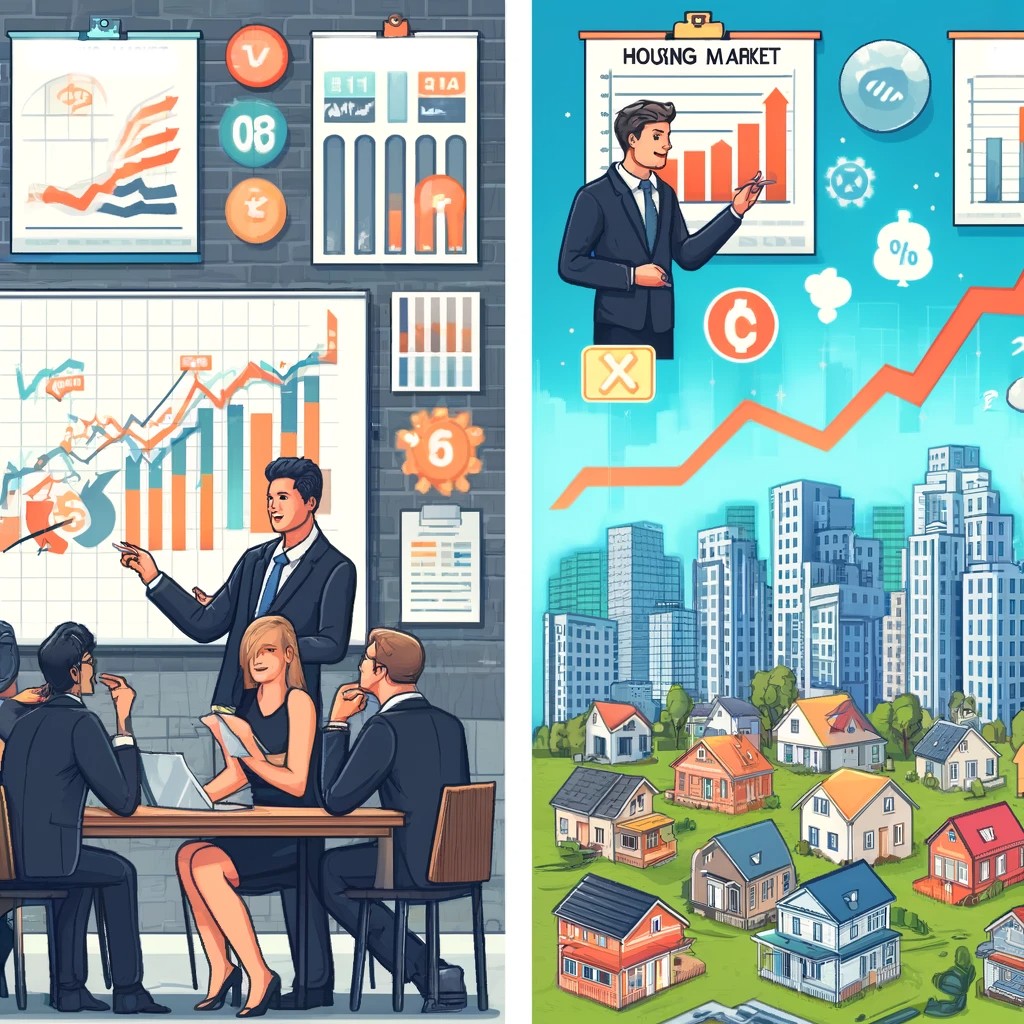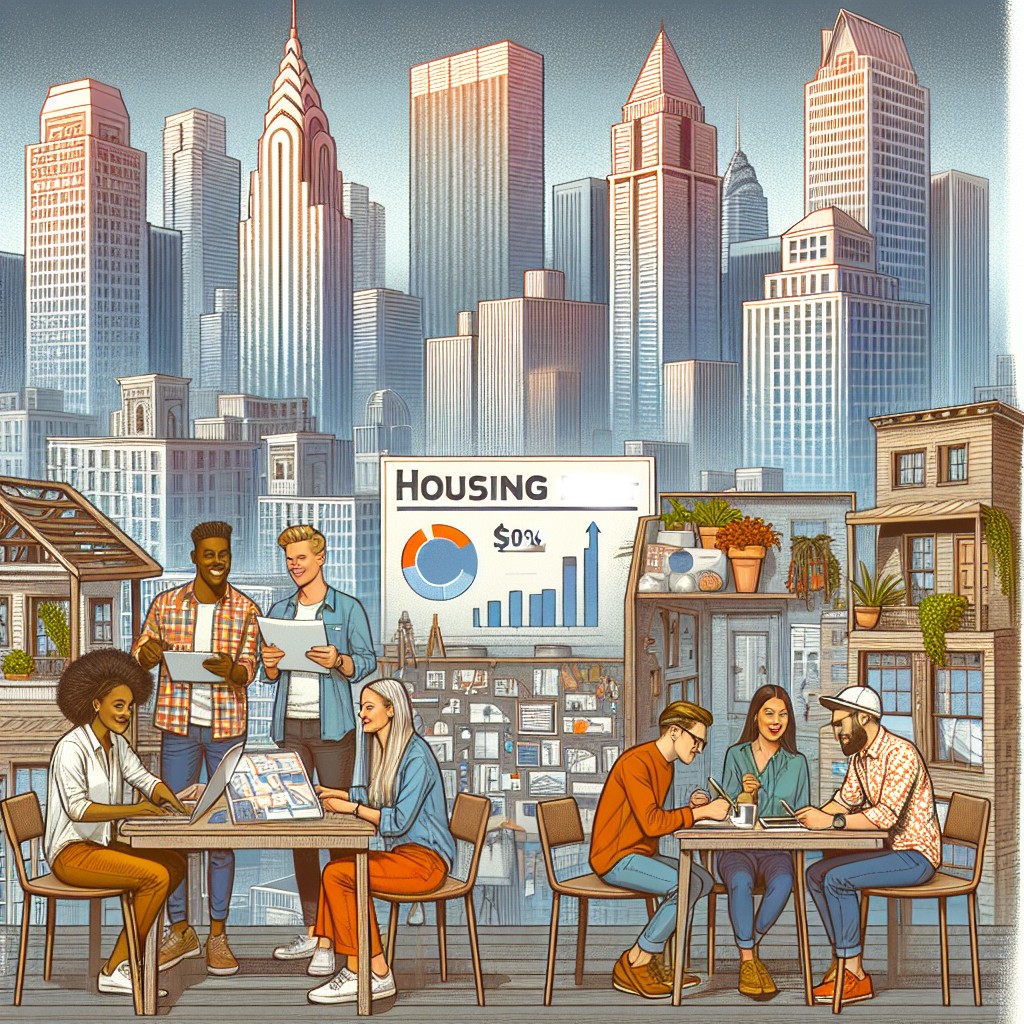
The housing market has always been a dynamic and multifaceted sector, influenced by a myriad of economic, social, and demographic factors. One of the most significant demographic groups impacting the housing market today is the millennial generation. Born between 1981 and 1996, millennials now represent the largest living generation in many countries, surpassing even the baby boomers. As such, their preferences, financial capabilities, and life choices are essential in shaping current and future housing trends. This demographic is known for its unique characteristics, including its technological savviness, delayed life milestones, and a distinct preference for urban living. These factors combined create a substantial influence on how the housing market evolves.
Understanding how millennials impact the housing market is crucial for real estate professionals, urban planners, and policy-makers alike. Their purchasing power, housing preferences, and even their willingness to rent versus buy can have significant long-term implications on housing supply, prices, and urban development. Additionally, millennials’ financial habits, heavily influenced by experiences such as the Great Recession and staggering student debt, differentiate them decidedly from previous generations. Through careful examination of these factors, we can begin to understand the shifts occurring in the housing landscape and adequately prepare for the future.
This article delves into the various aspects of how millennials are influencing the housing market. We will explore their preferences and behaviors, the economic challenges they face, and how these factors are reshaping urban planning and housing policies. Whether you are a homebuyer, real estate investor, or simply interested in housing market trends, this comprehensive exploration will provide valuable insights into the millennial impact on the housing landscape.
Millennial Housing Preferences
Millennials are known for their distinct housing preferences, which significantly differ from those of previous generations. One of the most notable preferences is their strong inclination towards urban living. Unlike baby boomers who often sought the suburban dream, millennials prioritize proximity to work, amenities, and social activities. This preference has catalyzed a demand for housing in urban areas, leading to the revitalization of city centers and the gentrification of previously underdeveloped neighborhoods.
Another critical preference among millennials is the desire for eco-friendly and sustainable living environments. This generation is particularly conscious of environmental issues and prefers homes that incorporate green technologies such as solar panels, energy-efficient appliances, and sustainable building materials. This has driven a rise in the development of green buildings and eco-friendly housing communities.
Additionally, millennials value flexibility and convenience, which translates into a higher appreciation for rental housing and mixed-use developments. Rental properties offer the freedom to move without the burden of homeownership, and mixed-use developments provide the convenience of having residential, commercial, and recreational spaces within a walkable distance. This trend has spurred significant growth in the rental market and the development of urban areas that integrate residential and commercial spaces seamlessly.
These preferences highlight a shift in housing demands, with millennials driving a trend towards urbanization, sustainability, and flexibility, profoundly influencing the types of properties being developed and the overall structure of the housing market.

Economic Challenges Faced by Millennials
The financial landscape for millennials is markedly different from that of previous generations, characterized by several economic challenges that hinder their ability to enter the housing market. One of the most significant obstacles is the burden of student loan debt. With education costs soaring, many millennials graduate with substantial debt, which affects their credit scores and diminishes their capacity to save for a down payment on a home.
Additionally, the economic consequences of the Great Recession have left lasting scars on millennials. Many entered the workforce during or after the economic downturn, encountering a tough job market, lower starting salaries, and slower wage growth. This experience has contributed to a cautious approach towards long-term financial commitments, such as purchasing a home, with many opting to rent instead.
Another challenge is the rising cost of living, particularly in urban areas where millennials prefer to reside. High housing prices and rent make it difficult for millennials to save for a home purchase. The combination of high living costs and stagnant wages severely restricts the ability to build the necessary financial stability to buy property.
Despite these challenges, some millennials have adapted by seeking alternative paths to homeownership, such as co-buying with friends or family, utilizing government assistance programs tailored for first-time buyers, or investing in smaller, more affordable properties. These creative solutions indicate resilience and adaptability within the generation but also highlight the underlying economic issues that need to be addressed to support their homeownership goals.
Impact on Urban Planning
The influence of millennials extends beyond their housing preferences and economic challenges, significantly impacting urban planning and development. One notable effect is the increased push for more efficient public transportation systems. Millennials are less likely to own cars compared to previous generations, instead favoring walkable communities and reliable public transit options. This has led to a greater emphasis on developing and upgrading public transportation infrastructure to accommodate the needs of an urban-centric, car-averse population.
Furthermore, the millennial preference for mixed-use developments has prompted urban planners to focus on creating multi-functional spaces that integrate residential, commercial, and recreational areas. This approach not only caters to millennial preferences but also supports vibrant, sustainable communities that reduce the need for long commutes and encourage local economic growth.
Technology integration in urban planning has also seen a boost due to millennials’ tech-savvy nature. Smart city initiatives, which leverage technology for more efficient city management and improved quality of life, are increasingly being adopted. These include smart grids, intelligent transportation systems, and digitally-connected public services, all designed to meet the high-tech expectations of the millennial generation.
Lastly, the demand for sustainable living spaces has encouraged urban planners to prioritize green spaces, eco-friendly building practices, and the development of community gardens and parks. This focus on sustainability helps build resilient urban environments that appeal to environmentally conscious millennials, further transforming urban landscapes.
Housing Market Response
The housing market has responded to the influence of millennials in various ways, adapting to their specific needs and preferences to capture this critical demographic. One significant response is the increase in rental property developments. Recognizing the millennial tendency to rent rather than buy, many real estate developers have focused on constructing high-quality rental units with modern amenities, such as fitness centers, co-working spaces, and communal areas that encourage social interaction.
Additionally, there has been a rise in the popularity of smaller, more affordable housing options such as micro-apartments and tiny homes. These space-efficient living solutions cater to millennials looking for cost-effective ways to live in desirable urban locations without the financial burden of larger properties. The flexibility and affordability of these smaller homes make them an attractive option for many millennials.
Co-living spaces have also gained traction as a response to millennial preferences. These professionally managed, shared living spaces provide an alternative to traditional renting, offering furnished units, utilities, and communal spaces for a single, all-inclusive price. Co-living not only addresses affordability concerns but also aligns with the social and community-oriented nature of millennials.
The market has also seen an increased emphasis on integrating technology into homes to meet the expectations of tech-savvy millennials. Smart homes equipped with the latest technology for security, energy management, and entertainment are becoming more common, appealing to millennials’ desire for convenience and modern living.
The Role of Policy in Addressing Millennial Housing Needs
Policy-makers play a crucial role in addressing the housing needs of millennials, ensuring that housing markets can adapt to this generation’s preferences and economic realities. One key area is enhancing affordability through subsidized housing programs and financial assistance for first-time homebuyers. Initiatives such as down payment assistance programs, tax incentives, and low-interest mortgage options can help bridge the financial gap for millennials aspiring to own homes.
Moreover, zoning reforms that encourage the development of higher density and mixed-use properties are essential. By revising outdated zoning laws to allow for more flexible housing solutions, cities can better accommodate the millennial preference for urban living and walkable communities. These reforms can also promote the construction of diverse housing types, such as apartments, townhomes, and co-living spaces, which appeal to millennials.
Additionally, policy-makers can support the growth of sustainable and eco-friendly housing by offering incentives for green building practices. Grant programs, tax credits, and other financial benefits can motivate developers to incorporate sustainable technologies and materials in their projects, aligning with millennials’ environmental values.
Lastly, improving public transportation infrastructure through policy initiatives is crucial. Investments in efficient public transit systems and the development of transportation hubs can meet the mobility needs of millennials and reduce reliance on personal vehicles. Policies that promote transportation-oriented development (TOD) can foster vibrant, accessible communities that appeal to this generation.
Conclusion
The millennial generation’s influence on the housing market is both profound and multifaceted, driven by their unique preferences, economic challenges, and technological prowess. By understanding and adapting to these factors, real estate professionals, urban planners, and policy-makers can better cater to the needs of this generation and shape a housing market that reflects the values and lifestyles of millennials.
Millennials’ preference for urban living, sustainability, and flexibility has redirected housing trends towards more eco-friendly, mixed-use, and rental properties. Their economic challenges, particularly the burden of student debt and the high cost of living, underscore the need for creative financial solutions and policy interventions to support homeownership aspirations. Moreover, their impact on urban planning has led to advancements in public transportation, technology integration, and sustainable development, fundamentally transforming urban environments.
As this generation continues to age and their financial situations evolve, their influence on the housing market will persist, necessitating ongoing adaptation and innovation within the real estate sector. By remaining attuned to millennial needs and leveraging insights from their behavior, stakeholders can ensure a resilient and responsive housing market capable of meeting the demands of the future.
Frequently Asked Questions
1. How are millennials influencing the housing market today?
Millennials wield considerable power in the housing market due to their sheer numbers and their critical phase of life, typically pursuing homeownership. This generation’s influence is multifaceted, driven by their unique preferences and life priorities. Many millennials prioritize urban living, seeking locations with robust public transportation, vibrant cultural scenes, and nearby amenities. They often look for homes with open floor plans and modern, sustainable features, reflecting their preference for flexible living spaces and environmental consciousness. Financial behaviors also play a role; millennials tend to delay home purchases due to student loan debt, preference for spending on experiences rather than tangible goods, and the tendency to marry and start families later than previous generations. These factors collectively shape the market dynamics and push developers to innovate in building homes that cater to millennial needs. Additionally, they often utilize technology extensively in their home buying process, from online tours to utilizing real estate apps, which puts pressure on the industry to enhance digital tools and platforms.
2. Why are millennials renting longer than previous generations?
Millennials are indeed renting longer, a trend fueled by various economic and lifestyle choices. Firstly, financial constraints play a significant role; many millennials entered the workforce during the economic downturn or the slow recovery that followed, facing challenges such as unemployment or underemployment. The burden of substantial student loan debt also impacts their ability to save for a down payment. Additionally, millennials value flexibility and mobility, which renting affords, allowing them to relocate for job opportunities or personal preferences without the obligation of homeownership. The convenience of renting, where responsibility for maintenance and certain costs fall to landlords, is appealing for those who are not ready to settle in one place. This shift in lifestyle priorities also reflects a broader tendency to prioritize spending on experiences like travel and dining out, as opposed to property investments. Such tendencies have prompted the housing market to adapt, resulting in a competitive and thriving rental market.
3. Are millennials interested in buying homes outside of urban areas?
While urban areas have long attracted millennials due to their vibrancy and amenities, there is growing interest among this generation in suburban and even more rural living. Several factors drive this trend, including affordability issues in bustling cities where home prices have escalated. The COVID-19 pandemic amplified this movement as remote work became more prevalent, allowing individuals to seek larger living spaces with outdoor amenities without worrying about daily commutes. This transition has expanded their home buying considerations from solely city apartments to suburban houses offering more privacy and a better cost-to-size ratio. This shift doesn’t mean abandoning their urban preferences entirely; millennials still seek community features, nearby conveniences, and lifestyle compatibility available in mixed-use suburban developments. Developers are responding by increasing diversified housing options, enhancing community amenities, and fostering environments that embody both the tranquil aspects of suburban life and the energetic appeal of urban living.
4. How are millennials’ sustainability concerns influencing the housing market?
Millennials’ growing concern for sustainability is significantly shaping housing market trends. This eco-conscious generation is more aware of environmental issues and often seek homes that align with their green values. This translates to a preference for energy-efficient buildings, homes with smart energy solutions, and those incorporating sustainable materials. Many are willing to invest in solar panels, smart thermostats, and other technologies aimed at reducing carbon footprints. Developers are noticing this demand and are keen to integrate green building certifications, efficient water usage systems, and sustainable community planning into their projects. Millennials also support community-level sustainability initiatives, prioritizing areas that offer sustainable transportation options like bike-sharing programs and robust public transit systems. By driving demand for sustainable housing, millennials push the industry towards innovation and greater ecological accountability, indicating a promising future for eco-friendly residential development.
5. How is technology use by millennials affecting real estate transactions?
Millennials are digital natives, and their reliance on technology heavily influences real estate transactions. This generation uses apps and platforms like Zillow, Redfin, and Realtor.com to search, compare, and virtually tour potential properties long before visiting in person. Digital tools streamline processes like mortgage applications, price comparison, and documentation, making the experience more efficient and transparent for tech-savvy homebuyers. Real estate agents are adapting by utilizing virtual tours, 3D walkthroughs, and leveraging social media to market properties and interact with potential buyers. This tech integration transforms traditional showing practices and emphasizes online presence over physical pamphlets or open houses. Furthermore, young millennials’ comfort with digital communication often sees them favor virtual meetings and electronic signatures over traditional paperwork processes, necessitating a robust online interface offered by real estate professionals. As such, the industry is rapidly evolving to meet these tech-driven expectations, offering seamless, digitized experiences catering to millennials’ buying patterns.