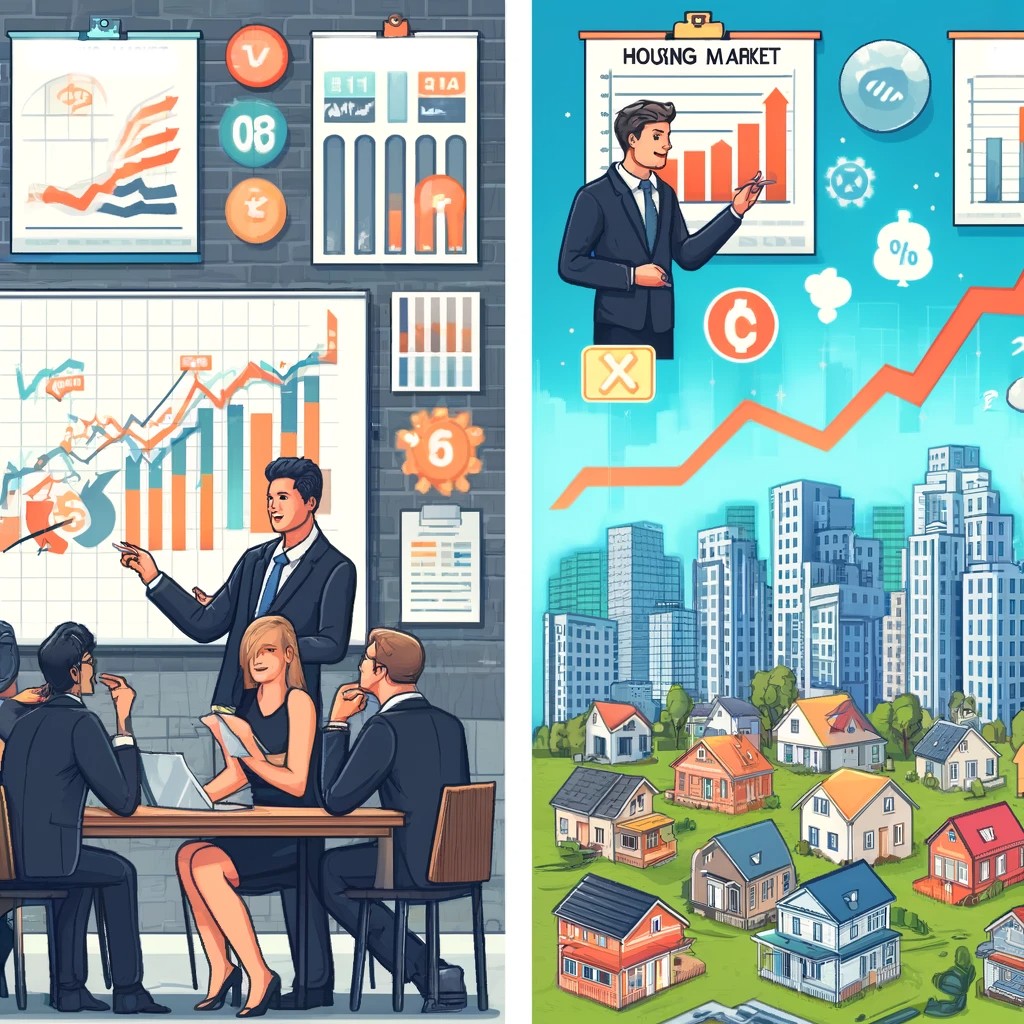
Economic inequality has emerged as one of the most challenging issues of the 21st century, impacting various aspects of daily life, from accessibility to healthcare and education to the way we interact within our communities. One of the most profound effects of economic disparity is evident in the housing market. The rising income gap between the wealthy and the poor has created significant barriers in housing affordability, availability, and quality. These trends are reshaping urban landscapes and necessitating urgent attention from policymakers and urban planners.
The housing market, like any other sector, is influenced by a myriad of factors including geographical location, economic policies, and individual income levels. However, the sharp rise in economic inequality over recent decades has exacerbated these factors, creating a complex web of challenges that disproportionately affect low-income households. As the middle class shrinks and low-income populations expand, a growing number of people are finding it increasingly difficult to secure safe and affordable housing.
The increasing cost of living in urban areas, driven by real estate speculation and investment, has pushed many to the margins—both geographically and economically. These trends have cascading effects, leading to heightened homelessness, suburban sprawl, and socio-economic segregation. But what drives these shifts, and how are they shaping the future of our cities? In this comprehensive article, we will explore the critical intersections between economic inequality and the housing market, considering various dimensions from policy impacts to social implications.
Whether you are a homeowner, a renter, or someone interested in urban development, understanding these trends is crucial for making informed decisions and advocating for more equitable housing policies. Join us as we delve into the complex dynamics at play and examine potential solutions to bridge the housing divide in an increasingly unequal world.
Economic Inequality and Housing Affordability
At the heart of the intersection between economic inequality and the housing market lies the issue of affordability. Housing affordability is typically measured by the percentage of household income spent on housing costs. Traditionally, it is advised that households should not spend more than 30% of their income on housing. However, the reality is starkly different for many low-income households who often spend 50% or more of their income on rent or mortgage payments, leaving little for other essentials like food, healthcare, and education.
The gaps in income distribution have magnified these affordability issues. High-income earners can afford to live in desirable neighborhoods with excellent amenities, while low-income individuals are pushed to less desirable areas with fewer resources. This creates a cycle where wealthier neighborhoods gain more investment, better schools, and improved infrastructure, while poorer neighborhoods stagnate and decline.
Moreover, economic inequality affects the availability of affordable housing. Developers are incentivized to build high-end properties that promise greater returns on investment, rather than affordable housing units. This trend escalates property values, rents, and housing costs, driving even middle-class families out of their homes. The result is a housing market that caters to the wealthy, deepening the divide between the rich and poor.
Impact on Urban Planning and Development
Urban planning and development are directly influenced by levels of economic inequality thriving within a community. Historically, urban centers served as thriving hubs where people of all economic backgrounds lived and worked together. Today, however, economic segregation has become a norm, with gentrification being one of the main drivers of this phenomenon.
Gentrification often results in the displacement of low-income communities, as wealthier individuals move into traditionally less expensive neighborhoods. Over time, this leads to increased real estate prices and living costs in those areas, pushing out the original residents who can no longer afford to stay. This not only alters the demographic and cultural fabric of communities but also places undue pressure on housing markets in adjacent areas as displaced residents seek affordable alternatives.
In response to these complex dynamics, urban planners must adopt more inclusive planning strategies aimed at creating mixed-income communities. Integrated housing policies that include affordable housing requirements, zoning reforms, and community land trusts can help mitigate the adverse effects of economic inequality. Innovative urban design that prioritizes access to essential services, green spaces, and public transportation can also contribute to more equitable and sustainable urban development.

Policy Interventions and Government Role
Addressing the inequities in the housing market requires robust policy interventions and proactive government involvement. Policies that regulate rent control, inclusionary zoning, and affordable housing subsidies are essential tools in this effort. Rent controls help keep prices in check, making housing more affordable for low-income families, while inclusionary zoning mandates that new developments include a percentage of affordable units.
Additionally, public investment in affordable housing projects can significantly alleviate the housing crisis. Government grants and low-interest loans can incentivize developers to build affordable housing units that otherwise wouldn’t be financially viable. Various forms of public-private partnerships can also enhance the capacity to deliver affordable housing solutions.
However, policy measures must go hand-in-hand with broader economic reforms aimed at reducing income inequality. Increasing the minimum wage, expanding access to education and training, and strengthening social safety nets are crucial steps towards achieving economic equity, which in turn will help stabilize the housing market.
Social and Cultural Implications
The effects of economic inequality extend beyond financial constraints and physical displacement. They also have profound social and cultural implications. Economically segregated neighborhoods often result in unequal access to vital services like quality education, healthcare, and public amenities. This, in turn, perpetuates cycles of poverty and reinforces socio-economic disparities across generations.
Moreover, the lack of affordable housing can lead to social isolation and mental health issues. Individuals and families who are constantly burdened by housing insecurity experience higher stress levels, which can adversely affect their overall well-being. Children growing up in unstable housing environments often face academic and social challenges, which hinder their future opportunities.
The cultural fabric of a community also suffers when economic inequality drives people apart. Diverse communities enrich urban life with varied cultural expressions, traditions, and perspectives. When economic forces fragment these communities, it results in a loss of cultural diversity and vibrancy.
Future Trends and Solutions
Looking ahead, it is crucial to adopt forward-thinking solutions to address the impact of economic inequality on the housing market. One trend gaining traction is the concept of modular and prefabricated housing, which offers a cost-effective and rapid solution to housing shortages. These innovative building methods can significantly reduce construction costs and time, making affordable housing more accessible.
Another promising trend is the rise of cooperative housing models, where residents collectively own and manage their housing units. This approach not only makes housing more affordable but also fosters a sense of community and shared responsibility.
Technological advancements can also play a crucial role in mitigating housing inequality. Data analytics and smart city technologies can help urban planners make more informed decisions about resource allocation, infrastructure development, and service delivery. Leveraging technology to create more efficient and responsive urban environments can enhance the quality of life for all residents, regardless of their economic status.
Conclusion
Economic inequality poses significant challenges to the housing market, affecting affordability, availability, and quality of housing for millions of people. The widening income gap exacerbates these issues, leading to greater socio-economic segregation and displacement of low-income communities. However, by understanding these dynamics and implementing comprehensive policy interventions, we can work towards creating a more equitable and sustainable housing market.
Urban planners, policymakers, and community stakeholders must collaborate to develop inclusive housing strategies that prioritize affordability and accessibility. By embracing innovative housing solutions, leveraging technology, and fostering mixed-income communities, we can address the root causes of economic inequality and promote social cohesion.
Ultimately, creating a fairer housing market requires a multifaceted approach that addresses both the immediate housing needs of low-income individuals and the broader economic disparities that contribute to these challenges. By working together, we can build a future where everyone has access to safe, affordable, and dignified housing.
Frequently Asked Questions
1. How does economic inequality affect housing affordability?
Economic inequality plays a considerable role in housing affordability primarily due to the disparity in income distribution. As the income gap widens, those at the lower end of the income spectrum find it increasingly difficult to keep up with rising property prices and rent costs. This is because the wealthy can afford to pay more for desirable locations, driving up prices and making it difficult for lower-income individuals to compete in the market.
Additionally, many individuals and families face wage stagnation, meaning their income does not increase at the same rate as housing prices. This results in a scenario where a significant portion of their earnings is spent on housing, leaving little room for other essential expenses. Consequently, affordable housing becomes less accessible, leading to increased financial stress and potential displacement from their communities.
2. What are the implications of economic inequality on housing availability?
Eeconomic inequality contributes to a significant imbalance in housing availability. Wealthier individuals have the means to invest in multiple properties, often using them as vacation homes or rental investments. This can lead to a reduction in the number of homes available for permanent residents, particularly in desirable urban areas where demand is high.
Furthermore, as higher-income individuals and developers steer the focus toward luxury developments, there is a relative neglect of affordable housing projects. This exacerbates the shortage of homes for middle- and lower-income families. In severe cases, entire neighborhoods can be gentrified, escalating property values and effectively pricing out existing low-income residents, thereby reducing available housing options for these communities.
3. How does economic inequality influence the quality of housing?
The disparity in economic resources means individuals with lower incomes may only have access to housing of substandard quality. Areas with high poverty levels often suffer from underinvestment, resulting in poor infrastructure, limited maintenance, and outdated facilities. This can extend to inadequate heating, plumbing, insulation, and even safety concerns due to older, improperly maintained buildings.
On the flip side, luxury properties boast modern amenities, cutting-edge technology, and superior maintenance, but these are accessible primarily to affluent buyers. Thus, the gap in housing quality is another reflection of the deep socioeconomic divides caused by economic inequality. Efforts to bridge this gap require focused policy reforms to ensure more equitable allocation of resources and enhancement of housing quality standards across all income levels.
4. In what ways does economic inequality reshape urban landscapes?
The imbalances caused by economic inequality significantly alter the fabric of urban landscapes. As affluent individuals concentrate in specific areas—often city centers or desirable suburbs—they contribute to a rising cost of living in these areas, thereby encouraging the development of upscale businesses, services, and amenities.
This concentration of wealth leads to spatial segregation, where economically disadvantaged populations are pushed to the city outskirts or less desirable neighborhoods. These neighborhoods often experience a lack of investment in infrastructure and public services, creating pockets of poverty and social isolation.
Furthermore, the gentrification process can displace long-standing communities, replacing them with more homogenized and affluent populations. Cities become divided into enclaves of wealth and poverty, each with differing levels of accessibility to opportunities, services, and quality of life, thus perpetuating social and economic disparities.
5. What can be done to mitigate the impact of economic inequality on the housing market?
Addressing the impact of economic inequality on the housing market involves implementing a multi-faceted approach. Governments and policymakers need to prioritize affordable housing initiatives that ensure equitable access for all income levels, which includes incentivizing the development of below-market-rate housing and enhancing existing subsidized housing programs.
Moreover, progressive zoning laws and tax incentives can promote a balanced mix of housing types, encouraging inclusivity within neighborhoods. Implementing rent control measures can also help curb soaring rental prices, making it easier for low- and middle-income families to maintain stable housing.
Community-based organizations play a crucial role in advocating and expanding accessible housing resources, engaging in activities such as pooling resources for cooperative housing and providing rental assistance to those in need. By addressing the root causes of economic inequality—such as wage disparities, educational inequities, and access to employment—the broader societal conditions that contribute to housing inequality can be progressively improved.